
Transforming a plain t-shirt, a thrifted denim jacket, or a canvas tote bag into a custom piece of wearable art is an exciting way to express your personal style. In the Philippines, where streetwear culture and creative upcycling are thriving, fabric spray paint has become a go-to tool for DIY fashion enthusiasts. Unlike traditional brush-on fabric paints, spray paints offer smooth gradients, seamless stenciling, and a quick application process that can cover large areas in minutes. However, achieving professional, long-lasting results requires choosing the right brand and formulation for your specific garment.
The best fabric spray paint brands available in the Philippines include Tulip ColorShot, Rust-Oleum Fabric & Vinyl, and Krylon Fabric Spray. Each of these brands caters to different project needs, ranging from lightweight cotton t-shirts that require a soft, touchable feel to heavy-duty denim and canvas items that demand maximum durability. Because the local tropical climate brings high humidity, selecting a paint that cures correctly and resists moisture is essential for ensuring your custom designs do not fade, crack, or peel after a few trips through the washing machine.
To help you navigate your next DIY fashion project, this guide breaks down how to choose the perfect fabric spray paint, evaluates the top brands available in local art supply shops and online marketplaces, and provides a step-by-step application and maintenance blueprint tailored for the Philippine environment.
Products mentioned in this guide
![[30ml] Focus Textile Paint [ SOLD PER PIECE ]](https://img.lazcdn.com/g/p/77e13cc90eb7804a57bd9493878440dd.jpg_400x400q80.jpg_.webp)
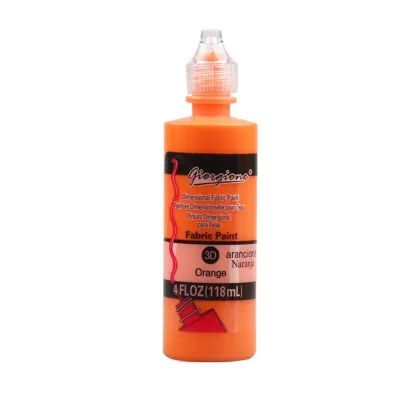
Prices are valid at publication and may change. Please refer to the product page for the latest price.
How to Choose the Right Fabric Spray Paint for Clothes
Choosing the ideal aerosol paint for your wardrobe requires looking beyond the color on the can. Fabric is a dynamic, flexible medium that moves, stretches, and undergoes regular washing, which means standard hardware spray paints will not suffice. To ensure your creative designs stand the test of time and remain comfortable to wear, you must evaluate several critical performance dimensions before making a purchase.
Fabric Compatibility and Fiber Structure
The fiber composition of your garment dictates how well any fabric spray paint will adhere. Natural fibers, such as cotton, linen, and canvas, possess porous, absorbent structures that allow fabric paint pigments to penetrate deep into the yarns. This deep penetration results in a highly durable bond and a softer finished texture.
Synthetic fibers, such as polyester, nylon, and spandex, are made from extruded plastic filaments that are inherently non-porous. Standard fabric spray paints often struggle to grip these slick synthetic surfaces, which can lead to premature flaking or peeling. When working with synthetic blends, it is vital to inspect the product label to verify compatibility. Some specialized spray formulas contain specific adhesion promoters designed to bond with synthetic polymers, while others are strictly formulated for high-cotton blends. Always check the garment’s fiber content tag before matching it with a paint variant.
Flexibility and Hand Feel
In the world of textile design, “hand feel” refers to the tactile texture of the fabric after it has been decorated. A high-quality fabric spray paint is formulated with flexible acrylic polymers or elastomeric binders. These binders allow the dried paint film to stretch, bend, and compress in tandem with the textile fibers as you move.
If a paint lacks this flexibility, the decorated area will feel stiff, board-like, and uncomfortable against the skin. Over time, physical movement will cause the rigid paint layer to fracture, resulting in unsightly cracks and eventual peeling. For lightweight apparel like t-shirts and summer dresses, prioritizing a paint that promises a soft, flexible hand feel is essential. For structured garments like heavy denim jackets, utility vests, or canvas bags, a slightly firmer paint film is acceptable, but flexibility remains crucial to prevent creasing damage.
Washability and Durability
A successful fabric painting project must survive the rigors of the laundry cycle. The durability of fabric spray paint relies on how the pigment binds to the fabric fibers. Some paints are formulated to self-cure at room temperature over several days, while others require a process called heat-setting to lock the pigments permanently into the textile matrix.
When browsing options, look for labels that explicitly state “machine washable” or “permanent.” If a paint requires heat-setting, you will need to apply dry heat using an iron or a clothes dryer after the paint has fully dried. Skip this step, and the vibrant colors you sprayed may fade dramatically or completely wash down the drain during the first laundry cycle. Additionally, consider the mechanical friction your garment will experience; items washed frequently require a highly resilient formula.
Finish and Opacity on Different Garment Colors
Fabric spray paints come in a variety of finishes, including flat matte, metallic, glitter, neon, and chalky textures. The visual outcome depends heavily on the opacity of the paint and the base color of your clothing. Light-colored fabrics, such as white, cream, or pastel cotton, are highly forgiving and allow almost any paint color or opacity level to appear bright and vibrant.
Dark garments, such as black, navy, or charcoal gray, present a much greater challenge. Many standard fabric spray paints are semi-translucent, meaning the dark background fibers will show through the paint, dulling the final color. To achieve vibrant designs on dark fabrics, you must select high-opacity formulas or apply a solid white fabric paint base coat before spraying your desired colors. Metallic and neon spray paints generally offer higher opacity due to their dense pigment structures, making them excellent choices for dark denim or black cotton tees.
Reliable Fabric Spray Paint Brands to Look for in the Philippines
While specialized textile aerosols are more niche than standard multi-purpose spray paints, several internationally recognized brands are accessible to crafters in the Philippines. You can find these products in major national bookstores, specialized fine art supply shops (such as Deovir Art Supplies or Artland), and reputable online marketplaces.

When shopping, it is crucial to inspect the can’s label carefully. Many brands manufacture both multi-purpose craft sprays and dedicated textile sprays under similar packaging designs. Always verify that the label explicitly features terms like “Fabric,” “Textile,” or “ColorShot” to avoid accidentally purchasing a rigid, non-flexible formula. Prices typically range from ₱400 to ₱900 per can, depending on the brand, formula specialty, and imported stock availability.
Tulip ColorShot
- Best For: Standard apparel, custom t-shirts, lightweight cotton fabrics, and detailed stencil work.
- Key Features: Tulip is a household name in the fabric crafting industry, and their ColorShot Instant Fabric Color line is highly regarded for its exceptional performance on apparel. Formulated specifically for textiles, this aerosol paint is designed to provide a remarkably soft hand feel, leaving your garments comfortable and breathable rather than stiff and heavy. The fine-mist spray nozzle delivers an even, controlled application that prevents pooling and oversaturation.
- Limitations: On dark fabrics, you may need to apply multiple light coats to achieve full opacity, or start with a base coat of white ColorShot. Most variants are machine washable after curing, though checking the specific can for heat-setting recommendations is always recommended to maximize longevity.
Rust-Oleum Fabric and Vinyl
- Best For: Heavyweight outerwear, denim jackets, canvas backpacks, sneakers, and vinyl trims or accessories.
- Key Features: When your project involves rugged, heavy-duty materials, Rust-Oleum Fabric & Vinyl spray paint is an outstanding choice. This specialized formula is engineered to provide superior adhesion and durability on highly flexible surfaces, making it ideal for items that undergo significant wear and tear. Unlike standard craft sprays, this product features an extremely flexible elastomeric formula that stretches and bends without cracking, peeling, or flaking. It is highly resistant to fading and moisture, which is particularly beneficial in the humid, tropical climate of the Philippines.
- Limitations: Because it is a robust, high-coverage paint, the finished texture can feel slightly heavier and more structured than Tulip's formula. While it is perfect for denim, canvas, and synthetic leather or vinyl accents, it is generally too heavy for thin, delicate cotton t-shirts where a soft drape is desired.
Krylon Fabric Spray Paint
- Best For: General DIY clothing upgrades, stenciling, upcycling thrifted garments, and large-scale textile crafts.
- Key Features: Krylon is legendary for its aerosol technology, and their dedicated fabric spray paint line brings that same professional-grade spray performance to textile artists. This paint is highly favored by upcycling enthusiasts in the Philippines who love transforming secondhand clothes into unique fashion statements. It features a highly reliable, clog-resistant nozzle that provides an exceptionally consistent spray pattern, making it incredibly easy to use with intricate stencils. It dries to the touch remarkably fast, allowing you to handle your garments sooner during multi-layered projects.
- Limitations: The dried paint film maintains a good balance between flexibility and vibrant color payoff. However, to ensure the paint bonds permanently and does not wash out during laundry cycles, users must strictly follow the manufacturer's drying and heat-setting guidelines, which typically involve a designated curing period followed by heat application.
Step-by-Step Application and Heat-Setting for Durability
Achieving a professional-looking custom garment that survives the wash requires careful preparation and proper application techniques. Spraying paint onto fabric is a straightforward process, but omitting key preparation or curing steps can lead to a ruined design. Follow this step-by-step guide to ensure your DIY fashion projects turn out perfectly.
Step 1: Preparation
Before you shake your spray can, you must prepare the fabric to receive the paint. First, pre-wash the garment in clean water without using any fabric softeners, dryer sheets, or starches. New garments are treated with chemical sizing agents that prevent paint from bonding with the fibers; pre-washing removes these barriers. Allow the garment to dry completely, then iron out any wrinkles. Wrinkles will create uneven shadows and gaps in your spray pattern.
Next, place a thick piece of cardboard, plastic sheeting, or heavy wax paper inside the garment, directly beneath the area you plan to paint. This prevents the wet paint from bleeding through the front of the shirt to the back. Finally, use painter’s tape or masking tape to secure the garment flat onto your work surface. If you are using stencils, secure them tightly to the fabric using temporary spray adhesive or painter’s tape to prevent the paint from blowing under the edges.
Step 2: Application Technique
The secret to a flawless, flexible finish is applying multiple thin layers rather than one heavy, saturated coat. Begin by shaking the spray can vigorously for at least one minute before spraying, and shake it occasionally during the application process to keep the pigments suspended. Always perform a test spray on a scrap piece of similar fabric or a piece of cardboard to check the nozzle’s pressure and spray pattern.
Hold the spray can approximately 6 to 8 inches away from the fabric surface. Holding the can too close will cause the paint to pool, run, and saturate the fibers, resulting in a stiff hand feel. Holding it too far away can cause the paint to dry in mid-air, creating a dusty, non-adherent texture. Use smooth, continuous, side-to-side sweeping motions to apply a light mist of paint. Allow the paint to dry slightly for 5 to 10 minutes between coats. Build up the color density gradually until you reach your desired opacity. When you are finished spraying, turn the can upside down and press the nozzle for a couple of seconds until only clear gas emerges. This prevents dried paint from clogging the nozzle.
Step 3: Heat-Setting Safety and Execution
Many fabric spray paints require heat-setting to achieve permanent washability. However, you must always put safety and fabric compatibility first. Inspect your garment’s care label to determine its maximum heat tolerance. If your garment is made of delicate synthetic materials (like nylon or polyester) that cannot withstand high heat, do not use a hot iron. Instead, consult the paint manufacturer’s label for alternative setting methods, or allow the garment to air-cure for the maximum recommended time (often several weeks for full chemical bonding).
Ensure the paint is completely dry to the touch—typically 24 hours—before attempting to heat-set. Set your household iron to a medium-to-high setting appropriate for the fabric (e.g., the cotton setting for cotton garments). Turn off the steam function completely, as moisture will interfere with the heat-setting process. Place a clean pressing cloth, a piece of parchment paper, or a thin cotton fabric over the painted design to protect your iron from paint residue and shield the paint from direct, scorching heat. Run the dry iron over the covered design continuously for 3 to 5 minutes. Keep the iron moving constantly to prevent burning the fabric or overheating a single spot. Alternatively, you can iron the garment from the reverse side (inside out) using the same precautions.
Washing and Maintenance Guidelines
Once your custom garment is painted and heat-set, proper maintenance is key to preserving the vibrancy and integrity of your artwork. The tropical climate of the Philippines means clothes are washed frequently due to sweat and humidity, making a gentle care routine essential.
Initial Cure Time
Do not rush your newly painted garment into the washing machine. Even after heat-setting, the chemical binders in the paint require time to fully cross-link and cure. It is highly recommended to wait at least 72 hours—and ideally up to a week—before subjecting the garment to its first wash. This waiting period ensures the pigment is completely locked into the textile structure, preventing premature fading or washing out.
Washing Instructions
When the time comes to clean your custom clothing, always prioritize gentle washing methods. Always turn the garment inside out before washing. This simple step shields the painted design from direct abrasive friction against other clothes, zippers, and the washing machine drum.
Wash the garment in cold water. Hot water can soften the acrylic binders in the paint, leading to premature cracking or peeling. Use the gentle or delicate cycle on your washing machine to minimize mechanical agitation. Opt for a mild, pH-neutral liquid laundry detergent. Avoid harsh detergents, fabric softeners, chlorine bleach, or intense stain removers, as these chemicals can break down the paint binders and dull the colors.
Drying Recommendations
How you dry your painted garment is just as important as how you wash it. The best way to dry your custom clothes is to hang them or lay them flat to dry in a well-ventilated, shaded area. While the Philippine sun is excellent for quick drying, direct, intense noon sunlight can fade paint pigments over time. Keep the garment out of direct sunlight during the drying process.
If you must use a clothes dryer, select the lowest heat setting or a delicate/air-fluff cycle. High heat in a tumble dryer can cause the paint film to overheat, dry out, and become brittle, leading to cracking.
Frequently Asked Questions (FAQ)
Can I use regular spray paint on clothes?
No, you should not use regular multi-purpose or hardware spray paint on clothes. Regular spray paint is formulated for rigid surfaces like wood, metal, or plastic, and it dries into a hard, inflexible plastic film. When applied to flexible fabric, regular paint will make the garment extremely stiff, board-like, and uncomfortable to wear.
As soon as the fabric bends, stretches, or is put through a washing machine, the rigid paint layer will fracture, resulting in severe cracking, flaking, and peeling. Additionally, regular spray paints often contain strong solvents that leave a persistent chemical odor on textiles and can irritate the skin. To ensure your custom clothing remains comfortable and durable, always use aerosol paints explicitly labeled for use on fabric, textiles, or vinyl.
Does fabric spray paint make clothes stiff?
Any added coating will slightly alter the natural drape and hand feel of a fabric, but high-quality fabric spray paints are specifically formulated to minimize stiffness. They use highly flexible acrylic or elastomeric binders that stretch and bend with the textile fibers.
To keep your painted garments as soft and flexible as possible, the key is proper application technique. Always apply multiple very light, mist-like coats rather than a single heavy, saturated layer. Heavy saturation fills the gaps between the fabric yarns, gluing them together and causing stiffness. If a garment feels slightly stiff immediately after painting, washing it inside out on a gentle cycle after the full curing period will often help soften the paint film and restore the fabric’s natural drape.
Community discussion
Share your experience or ask a question. Comments are reviewed before publication.