
Felt fabric is a unique, non-woven textile created by matting, condensing, and pressing fibers together. Unlike traditional woven fabrics like cotton or linen, which have a distinct warp and weft, felt has no threads to unravel. This lack of a grain line means you can cut it in any direction, and its edges will never fray, completely eliminating the need for tedious edge-finishing or hemming. This forgiving nature makes it an exceptionally popular base for hand embroidery, appliqué, and decorative stitching.
However, because felt lacks a structured weave, choosing the wrong type can quickly lead to stretched stitches, distorted designs, and ruined projects. The success of your needlework depends heavily on two core decisions: the fiber content of the material (wool versus synthetic) and its physical texture (stiff versus soft). Selecting the ideal combination ensures that your needle glides smoothly through the fabric, your stitches maintain their tension, and your finished piece retains its beauty for years to come. Whether you are creating a delicate heirloom ornament or a quick weekend craft, understanding these material differences is the first step to a flawless finish.
Wool, Synthetic, and Blends: Which Material Suits Your Project?
The fiber composition of your felt fabric dictates how it responds to the needle, how well it holds details, and how it behaves over time. While all felt may look similar at a glance, natural and synthetic fibers perform very differently under the tension of embroidery floss.
Products mentioned in this guide
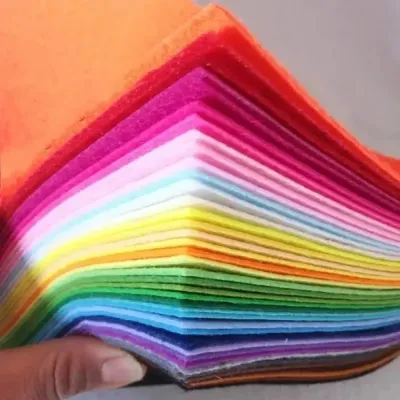
![[Local Shipment]40Pcs Felt Fabric Squares DIY Craftwork Felt Crafts Assorted Colors Textile Fuzzy Fabrics for Scrapbooks Sewing](https://img.lazcdn.com/g/p/bddbed62a9b949d21313c876307085ed.jpg_400x400q80.jpg_.webp)
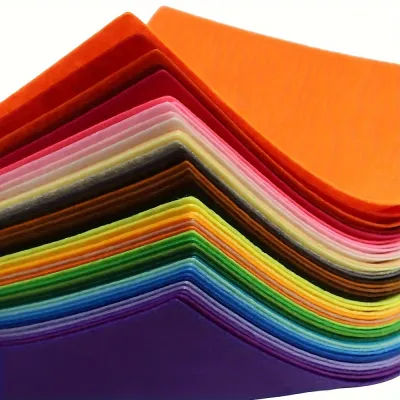
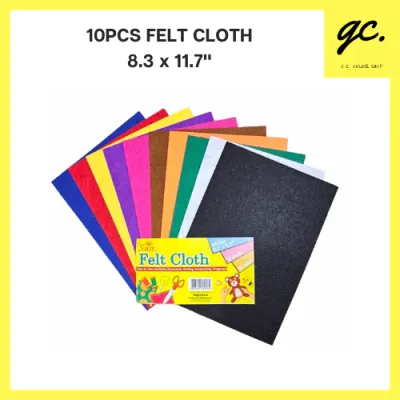
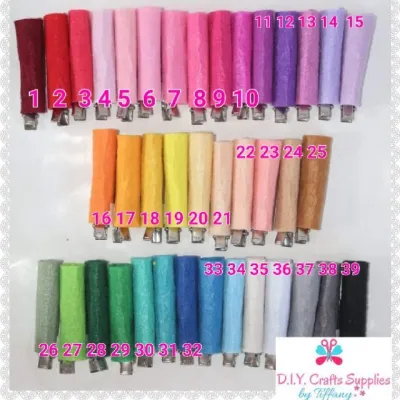
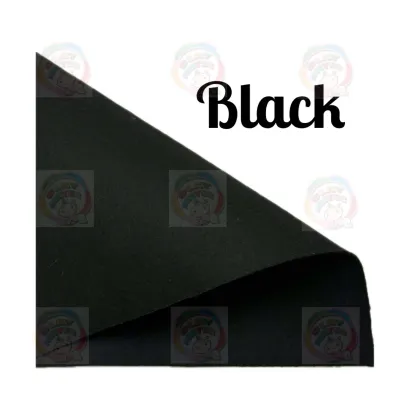
Prices are valid at publication and may change. Please refer to the product page for the latest price.
100% Wool Felt
Pure wool felt is widely considered the gold standard for high-quality, detailed surface embroidery. Because wool fibers have microscopic scales that naturally lock together during the felting process, they create an incredibly dense, resilient, and luxurious fabric. When you push an embroidery needle through 100% wool felt, the fibers part slightly and then cling back together around the thread. This unique elasticity means that if you make a mistake and have to unpick a stitch, the fabric effectively “heals” itself, leaving virtually no visible needle holes.
Additionally, pure wool felt has a beautiful, rich matte finish and is highly resistant to pilling and fuzzing, even with frequent handling. It holds tight, intricate stitches beautifully without warping or tearing. The primary limitations of 100% wool felt are its premium cost and its maintenance requirements. In the local market, high-quality wool felt is typically sourced from specialty importers, with prices ranging from ₱150 to ₱350 for a small pre-cut sheet. It also requires careful spot cleaning or dry cleaning, as washing it in hot water or putting it in a washing machine will cause severe shrinkage and distortion.
Synthetic (Acrylic/Polyester) Felt
Synthetic felt, made from acrylic, polyester, or recycled plastic bottles, is the most common variety found in local department stores and neighborhood craft shops. It is highly accessible and budget-friendly, often costing between ₱10 and ₱30 per sheet, and comes in an extensive array of vibrant, saturated colors. Because it is entirely synthetic, it is also machine washable and completely immune to insect damage.
Despite these practical advantages, synthetic felt has significant structural weaknesses when used for hand embroidery. The synthetic fibers are slick and do not lock together as tightly as natural wool, resulting in a looser, thinner material. When you embroider on cheap synthetic felt, the fabric tends to stretch out of shape easily, especially when secured in a hoop. If you need to remove a misplaced stitch, the needle leaves permanent, unsightly holes that cannot be massaged away. Furthermore, the surface is highly prone to pilling and developing a fuzzy texture with even minor friction. This material is best reserved for basic practice, children’s crafts, or short-term decorative projects where longevity is not a priority.
Wool-Blend Felt
Wool-blend felt offers a practical and highly popular middle ground, combining the premium performance of wool with the affordability of synthetic fibers. Most high-quality blends consist of 20% to 35% wool mixed with rayon or acrylic. The inclusion of rayon introduces a soft, smooth drape and a subtle luster, while the wool content provides the necessary density, resilience, and needle-holding capability.
Blends are significantly easier to stitch through than pure synthetic sheets, and they resist stretching and warping under thread tension. They are also much more economical than 100% wool, generally retailing between ₱50 and ₱120 per sheet. This makes wool-blend felt the most versatile and highly recommended choice for general hobbyists, hand-sewn ornaments, and detailed appliqué work.
Stiff vs. Soft Felt: Matching Texture to Your Embroidery Style
Beyond fiber content, felt is categorized by its stiffness. Matching the rigidity of the felt to your specific embroidery technique is essential for achieving a professional look.

Stiff Felt for 3D and Structural Projects
Stiff felt has been treated with chemical sizing, starches, or heat-processing during manufacturing to give it a rigid, paper-like quality. This structural integrity makes it the ideal choice for projects that must hold their shape independently without collapsing, such as standalone Christmas ornaments, structural brooches, bookmarks, and small pouches.
Because stiff felt does not bend easily, you do not need to use an embroidery hoop to keep the fabric flat while you stitch. However, this rigidity comes with a trade-off: pushing a needle through stiff felt requires more physical effort, which can tire your fingers during long stitching sessions. Additionally, using a needle that is too thick can leave permanent puncture marks, so you must select your tools carefully. Stiff felt is entirely unsuitable for wearable items or any project that requires a soft, natural drape.
Soft Felt for Flat Embroidery and Wearables
Soft felt is pliable, flexible, and mimics the natural drape of traditional woven fabrics. This makes it the standard choice for flat surface embroidery, decorative patches, clothing appliqué, and accents on bags or home textiles. Its soft texture allows the needle to glide through with minimal resistance, making the stitching process smooth and enjoyable.
Because soft felt is highly malleable, it is vulnerable to puckering and warping if your stitch tension is inconsistent or too tight. To prevent the fabric from gathering or stretching out of shape as you work, soft felt almost always requires the support of an embroidery hoop or a backing stabilizer.
How to Successfully Do Cross-Stitch on Felt Fabric
Cross-stitch is traditionally a counted thread embroidery technique that relies on the precise, open grid of fabrics like Aida or evenweave. Because felt is a non-woven solid mass with no visible grid, executing perfect, even cross-stitches directly onto the material presents a unique challenge. Fortunately, you can use several reliable methods to successfully transfer and stitch grid patterns onto felt.
Using Waste Canvas The most reliable method for counted cross-stitch on felt is using waste canvas. This is a temporary, stiffly starched grid fabric that you baste securely to the top of your felt sheet. You then work your cross-stitches directly through both the waste canvas and the underlying felt, using the canvas grid to guide your needle. Once your design is complete, you dampen the piece with water to soften the starch, and carefully pull out the individual horizontal and vertical threads of the waste canvas with tweezers. This leaves your perfectly aligned cross-stitches sitting directly on the smooth felt background.
Water-Soluble Stabilizers and Grid Pens Another modern alternative is using a water-soluble stabilizer sheet. You can print or draw your cross-stitch grid directly onto this stabilizer, peel off the backing, and stick it to your felt. Once you finish stitching through both layers, you submerge the project in lukewarm water, and the stabilizer dissolves completely, leaving only your thread work. If you prefer a freehand approach, you can use a water-soluble fabric pen and a ruler to lightly draw grid guidelines directly onto the felt, which can be wiped away with a damp cloth afterward.
Stamped Felt Kits For beginners or those looking for a quicker project, stamped felt is an excellent option. These are pre-cut felt pieces that come with the cross-stitch or embroidery pattern printed directly onto the fabric. The printed lines act as a precise guide, showing you exactly where to insert your needle, and are designed to be completely covered by your embroidery floss as you stitch.
Regardless of the method you choose, thread tension is critical. Felt does not have the structural resistance of woven Aida canvas. If you pull your embroidery floss too tightly, the felt will warp and pucker, ruining the flat alignment of your stitches. Keep your tension light, even, and consistent throughout the project.
Stitching Techniques and Climate-Smart Storage for Felt
Working with felt requires a slight adjustment to your standard embroidery habits, from the tools you select to how you store your finished creations.
To ensure clean, effortless stitching, keep the following practical tips in mind:
- Needle Selection: Always use sharp embroidery needles (often called crewel needles, typically sizes 7 to 9) rather than blunt tapestry needles. Tapestry needles are designed to slide between the open weave of Aida fabric, but they will tear and push against the dense, matted fibers of felt, causing hand strain and leaving large, permanent punctures.
- Hooping and Stabilizing: To prevent "hoop burn"—which refers to the permanent creases, shiny rings, or stretched fibers left on soft felt by the pressure of an embroidery hoop—place a sheet of tissue paper or tear-away stabilizer between the hoop and your felt. Alternatively, you can wrap the inner ring of a wooden hoop with cotton bias tape to soften its grip.
- Color Bleed Testing: Before starting, always test your felt for colorfastness, especially if you plan to wash the finished piece. Wet a small scrap of the felt, press it firmly against a white paper towel, and check for any dye transfer. Vibrant reds, deep blues, and dark greens are particularly prone to bleeding onto lighter embroidery threads.
The tropical, high-humidity climate of the Philippines presents specific challenges for preserving both raw felt sheets and finished embroidery projects. High relative humidity can quickly lead to mold, mildew, and fiber degradation, while natural wool fibers are a primary target for pests like clothes moths.
To protect your materials, implement these climate-smart storage practices:
- Wool and Wool-Blend Felt: Store these natural fibers in breathable cotton bags or clean pillowcases. Avoid airtight plastic storage bins, as they can trap ambient tropical moisture, creating a humid microclimate that encourages mold and a musty odor. Always include natural pest deterrents like cedar blocks, camphor, or dried lavender sachets inside the storage bags.
- Synthetic Felt: While synthetic fibers do not attract moths, they can still harbor mildew if stored while damp. Keep synthetic sheets in clean, dry plastic drawers or bins, and toss in several silica gel packets to actively absorb any trapped humidity.
- Handling: Always ensure your hands are completely dry before handling your felt stash, as sweat and skin oils can attract pests and accelerate fabric deterioration in warm climates.
Frequently Asked Questions (FAQ)
Do you need an embroidery hoop when stitching on felt?
Whether you need an embroidery hoop depends entirely on the thickness and stiffness of the felt you are using. Stiff felt and small, compact projects (such as tiny brooches or ornaments) do not require a hoop because the fabric is rigid enough to maintain its shape under normal stitch tension. However, soft felt and larger, detailed designs absolutely require an embroidery hoop or a scroll frame. Without a hoop to keep the soft, non-woven fabric taut, the tension of your embroidery floss will pull the fibers inward, causing the fabric to pucker, warp, and distort your design.
How do you prevent felt from stretching or puckering while embroidering?
To prevent stretching and puckering, always use a stabilizer on the back of soft felt projects. A simple tear-away or water-soluble stabilizer provides temporary structural support while you stitch. Secondly, maintain a light and consistent thread tension; never pull your embroidery floss tightly against the felt, as the non-woven fibers easily compress and distort. Finally, when mounting soft felt in an embroidery hoop, ensure the fabric is flat and taut, but do not pull or stretch it excessively, as this will cause the fabric to spring back and pucker once it is removed from the hoop.
Can you wash embroidered felt projects?
Yes, but the washing method must match the fiber content of the felt. Synthetic (acrylic or polyester) felt and most high-quality wool-blend felts can be gently hand-washed in cool water with a mild, pH-neutral detergent, then laid flat on a towel to air dry. Never wring or twist the embroidered piece, as this will distort the stitches. Conversely, 100% wool felt should never be fully submerged or machine washed, as the combination of water, heat, and agitation will cause severe shrinkage, warping, and unwanted felting. For pure wool projects, stick strictly to gentle spot cleaning with a damp cloth or professional dry cleaning.
Community discussion
Share your experience or ask a question. Comments are reviewed before publication.