
Quick Answer: Matching Organizer Types to Your Document Needs
Finding the right files organizer for documents in a Philippine home requires balancing accessibility, storage capacity, and protection against tropical humidity. There is no single universal solution; instead, an effective system matches specific document types to specialized organizer formats. For daily active papers, open desktop sorters or magazine files keep tasks visible and accessible. For portable, mixed-size records like monthly utility bills and receipts, expanding accordion folders offer excellent flexibility. For vital, long-term archives such as land titles, birth certificates, and contracts, ring binders with acid-free sheet protectors or heavy-duty plastic filing boxes provide the necessary protection against moisture and dust. Selecting the right system requires matching your document volume to these specific formats and verifying material specifications before purchasing from online marketplaces.
How to Assess Your Home Filing Space and Volume
Before purchasing any storage equipment, you must evaluate the physical space available in your home office or living area. Measure the depth, width, and height of your desks, shelves, or cabinets where you plan to place the organizers. A common mistake is buying deep filing boxes or tall binders that overhang shelves or prevent cabinet doors from closing properly. Ensuring a proper fit keeps your workspace tidy and prevents physical obstructions in your daily workflow.

Next, estimate your document volume by categorizing your papers into three main retention groups: temporary, active, and permanent. Temporary documents include items like daily receipts or transit slips that you only need to keep until they are logged or paid. Active documents consist of ongoing project files, current utility bills, and school worksheets that require frequent handling. Permanent documents are vital records like birth certificates, tax declarations, and property deeds that must be preserved indefinitely.
Products mentioned in this guide
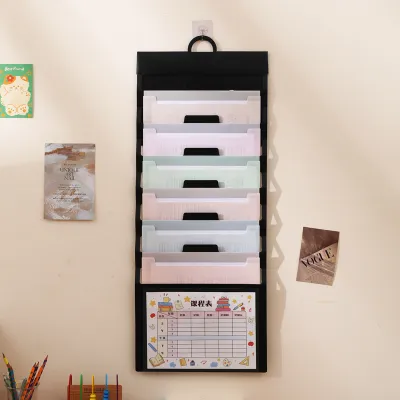
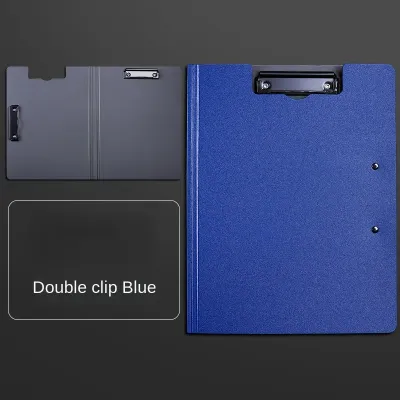

Prices are valid at publication and may change. Please refer to the product page for the latest price.
This categorization helps you determine the ratio of open to enclosed storage you need. Open storage, such as desktop trays and magazine files, offers rapid access and high visibility but leaves papers exposed to dust and ambient humidity. Enclosed storage, such as zippered expanding folders, binders, and sealed plastic boxes, provides superior protection against environmental wear but requires more steps to retrieve items.
In the Philippines, the tropical climate introduces high relative humidity, which can cause paper to soften, warp, or develop mold over time. If you live in a high-humidity area or lack continuous air conditioning, prioritize enclosed storage solutions for your permanent archives. For active papers that circulate quickly, open storage remains highly practical as long as the documents do not sit undisturbed for months.
Recommended File Organizer Types for Home Offices
The stationery market offers a diverse range of document organizers, each engineered for specific filing behaviors and paper capacities. Understanding the structural differences between these options allows you to build a modular system tailored to your household’s exact needs.
When evaluating these options on e-commerce platforms, focus on observable structural details rather than generic marketing claims. Look for reinforced seams, sturdy locking mechanisms, and material thicknesses that indicate long-term durability.
Expanding File Folders for Portable and Mixed Documents
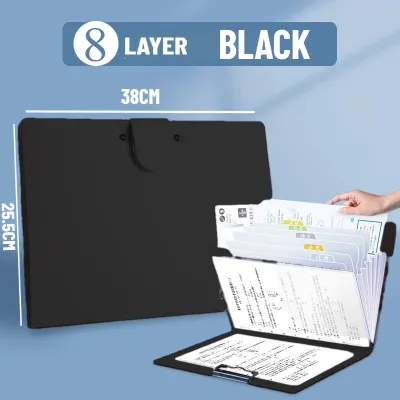
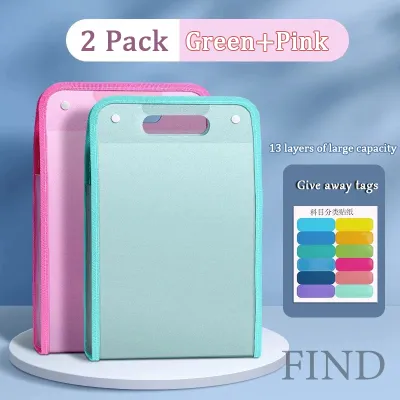
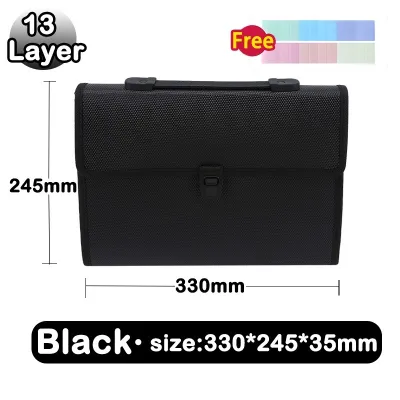
Expanding file folders, often referred to as accordion organizers, feature a multi-pocket design that expands outward to accommodate growing volumes of loose papers. They are highly suitable for sorting monthly household expenses, medical prescriptions, or school handouts because they allow you to categorize different topics within a single, compact unit.
When selecting an expanding folder, pay close attention to the closure mechanism. Elastic band closures offer quick access but can lose their elasticity over time in warm climates, while snap buttons and zipper closures provide a more secure seal that prevents papers from slipping out during transport.
It is also essential to verify the paper size compatibility on the product specification sheet. In the local market, documents commonly come in A4, Letter (Short), and Legal (Long) sizes. Note that standard expanding folders designed for A4 paper will not accommodate Philippine Long documents (which typically measure 8.5 by 13 inches) without folding or damaging the edges. Always check the internal pocket dimensions to ensure your longest documents fit comfortably.
Magazine Files and Sorters for Active Desk Storage
Magazine files and upright desk sorters are designed to keep active files upright and visible on your desk or shelf. Their open-front or open-top design allows you to slide folders, notebooks, and active project files in and out with a single motion, eliminating the friction of opening drawers or unzipping cases.
These organizers are commonly fabricated from molded plastic, wire mesh, or compressed wood. Wire mesh options are particularly advantageous in tropical environments because they promote airflow around the documents, reducing the risk of moisture buildup and musty odors.
Before purchasing, check the product photos for smooth, rounded edges along the entry points. Sharp plastic seams or poorly finished metal wires can snag paper edges or scratch your desk surface. Additionally, measure the internal width of the compartments to ensure they can hold thicker items like spiral notebooks or small ring binders if you plan to store them upright.
Binders and Sheet Protectors for Long-Term Archiving
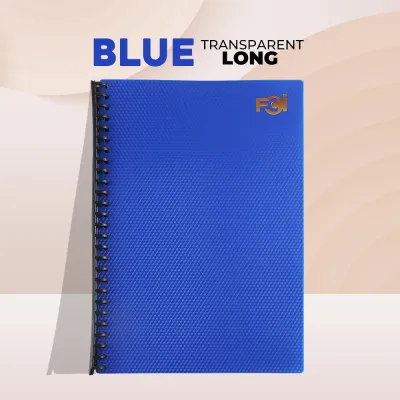
Ring binders paired with plastic sheet protectors represent the standard for organizing vital family records and reference documents that must be kept pristine. This format allows you to flip through pages like a book, making it easy to read certificates, diplomas, and contracts without directly touching the paper.
The choice of ring mechanism significantly impacts the binder’s usability and capacity. D-ring binders are generally preferred over traditional round O-ring binders because the D-shape allows pages to lie flat on one side, reducing stress on the sheet protector holes and allowing the binder to hold up to 25 percent more paper for the same spine width.
When purchasing sheet protectors, verify that they are labeled as acid-free, archival-safe, or non-PVC. Standard PVC (polyvinyl chloride) sleeves contain plasticizers that can migrate over time, causing the plastic to stick to your documents and lift the ink off printed pages or thermal receipts. Polypropylene sleeves are a much safer, stable alternative for long-term preservation.
Filing Boxes and Cabinets for Bulk Storage
For high-volume storage of documents that you rarely need to access but must retain for legal or tax purposes, filing boxes and small cabinets are the most practical choice. These solutions keep bulk archives organized and out of sight, freeing up valuable desk and shelf space for daily tasks.
While traditional cardboard archive boxes are lightweight and inexpensive, they are highly susceptible to moisture absorption and pest damage in humid climates. Heavy-duty plastic filing boxes with gasket-sealed lids offer much better protection against humidity, dust, and common household pests like silverfish or termites.
If you plan to stack multiple filing boxes, check the product specifications for reinforced corners and structured lids designed for nesting. Ensure the plastic is thick enough to support the weight of the boxes above it without bowing, and look for models with integrated hanging file rails if you plan to use hanging folders for internal organization.
Essential Features to Verify Before Purchasing
To avoid purchasing fragile or poorly sized organizers from online marketplaces, use this practical verification checklist before finalizing your order:
- Dimensions and Tolerances: Always compare the external and internal dimensions of the organizer with your target storage space and paper sizes. Remember that "Legal" size in international listings often refers to US Legal (8.5 x 14 inches), whereas local long documents are typically 8.5 x 13 inches. Ensure the organizer's internal dimensions provide at least a few millimeters of clearance on all sides to prevent paper edges from curling.
- Material Quality and Thickness: Look for specific material descriptions such as "heavy-duty polypropylene," "powder-coated steel," or "high-impact polystyrene." Avoid listings that use vague terms like "premium plastic" without specifying thickness or material type. If available, check customer review photos to observe how the material behaves under load.
- Labeling and Indexing Systems: Effective organization relies on clear labeling. Check if the organizer includes built-in label windows, color-coded index tabs, or customizable spine inserts. Organizers with integrated labeling systems save you the extra step of purchasing external sticky labels that may peel off in humid weather.
- Assembly Requirements: Many modular desk sorters and metal mesh organizers are shipped flat-packed to reduce shipping costs. Read the product description carefully to see if assembly tools are included, and check user feedback to ensure the pre-drilled holes align correctly and that all necessary screws are provided.
Practical Steps to Set Up Your Home Filing System
Acquiring the right physical organizers is only the first step; establishing a logical, easy-to-maintain system is what ensures long-term order in your home.
Begin by establishing a consistent labeling convention. Use clear, printed labels with high-contrast text, and consider color-coding your files by category—for example, blue for medical records, green for financial documents, and red for vital personal identification. This visual distinction allows you to locate the correct section instantly from across the room.
Implement a strict “one-in, one-out” rule or schedule a regular purging session once or twice a year. During these sessions, shred and discard expired documents, such as old utility bills or outdated product manuals, to prevent your organizers from overflowing and losing their structural integrity.
For deep-archive boxes stored in closets or under beds, maintain a simple digital index on your computer or smartphone. Label each physical box with a unique number, and list the contents of that box in your digital file. This practice allows you to search for a specific document digitally first, saving you the physical effort of rummaging through multiple heavy boxes.
Finally, compile your most critical emergency documents—such as passports, insurance policies, birth certificates, and land titles—into a single, water-resistant “grab-and-go” binder. Store this binder in an easily accessible location so you can quickly retrieve it in the event of seasonal typhoons, flooding, or other household emergencies.
Frequently Asked Questions (FAQ)
How do I prevent important documents from fading in plastic sleeves?
To prevent documents from fading or deteriorating inside plastic sleeves, always use sheet protectors made from acid-free, archival-safe polypropylene rather than PVC. PVC plastics release acidic compounds over time that degrade paper fibers and chemically bond with printed inks, causing text to lift off the page. Additionally, store your binders upright in a cool, dark, and dry environment. Avoid exposing them to direct sunlight or placing them against exterior walls that absorb heat and moisture from the tropical climate.
What is the best way to store oversized or non-standard documents at home?
Oversized documents like blueprints, large certificates, or artwork should be stored flat in specialized portfolio cases or artist cases to prevent creasing. If flat storage is not feasible due to space constraints, roll the documents gently and store them inside rigid cardboard or plastic document tubes. When using expanding folders or boxes for non-standard items, always verify the internal usable dimensions rather than the external product dimensions, as structural seams and handles often reduce the actual storage space inside.
Community discussion
Share your experience or ask a question. Comments are reviewed before publication.