
Selecting the right flower bouquet wrapper is just as important as choosing the blooms themselves, as the wrapping material defines the bouquet’s structure, protects the delicate stems, and sets the overall design tone. The most suitable wrapper material depends entirely on the floral style, the occasion, and environmental factors like tropical humidity. For voluminous, modern arrangements, waterproof Korean-style matte paper offers a soft, cloud-like drape that resists moisture. Clear cellophane provides excellent water resistance and structural crispness, making it ideal for protecting wet stems. For a rustic or vintage aesthetic, earthy kraft paper or textured burlap offers reliable structural stiffness, though they require careful moisture management. By matching these materials to your specific design goals, you can ensure your bouquet remains fresh, secure, and visually striking from assembly to presentation.
Understanding the Core Flower Bouquet Wrapper Materials
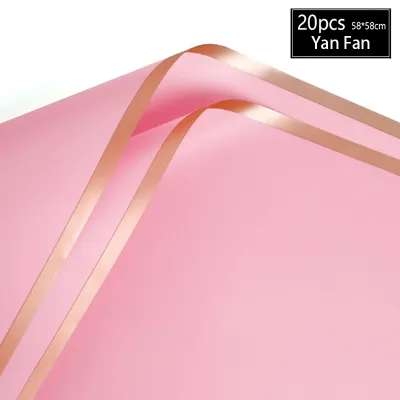
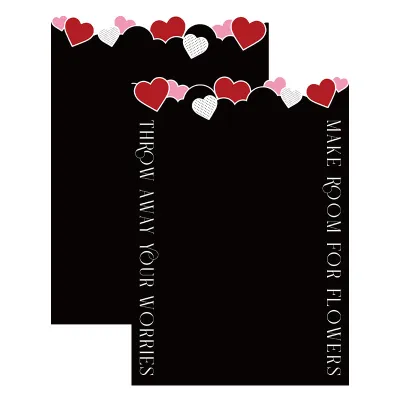
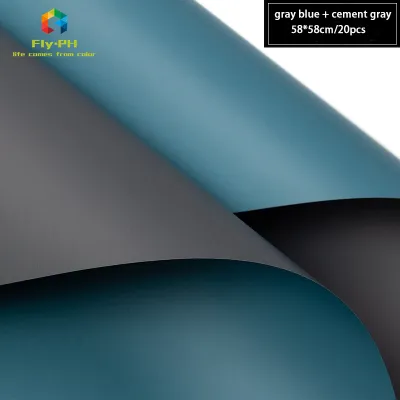
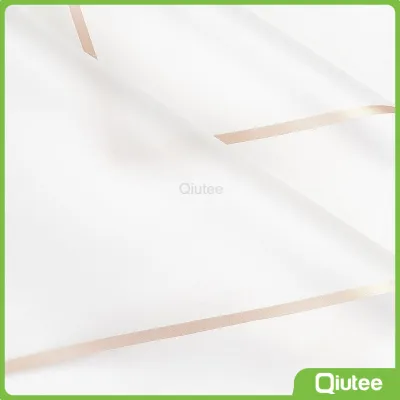
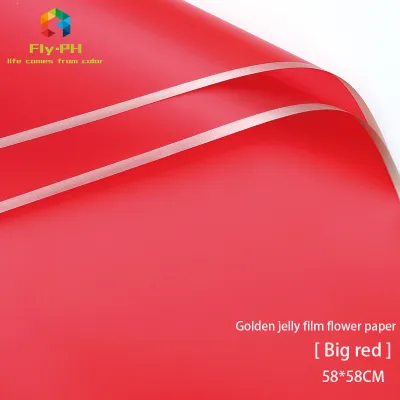
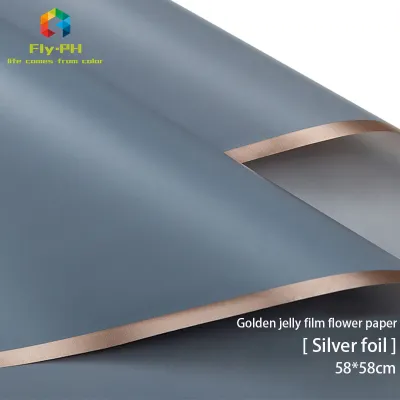
Korean-style paper has become a staple in modern floristry. Typically made from a blend of synthetic fibers or treated plastics, it features a signature matte finish that feels silky to the touch. Its primary advantage is its soft drape, which allows you to create deep, elegant folds and layered volume without creasing harshly. Because it is inherently waterproof or highly moisture-resistant, it does not wilt, tear, or sag when it comes into contact with wet stems or high tropical humidity.
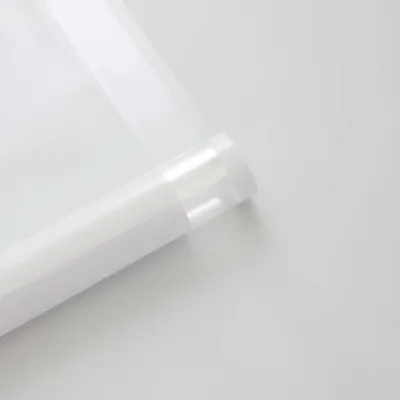
Cellophane is known for its glass-like transparency and crisp, crinkly texture. It is completely waterproof, making it a highly effective barrier for retaining moisture around stem ends or lining other water-sensitive wrapping materials. While clear cellophane highlights the natural beauty of the stems and foliage, tinted or patterned varieties can add a subtle wash of color. Its stiffness helps support heavy-headed flowers, though it must be handled carefully during folding to avoid unsightly, permanent crinkles.
Products mentioned in this guide
Prices are valid at publication and may change. Please refer to the product page for the latest price.
Kraft paper offers a classic, organic appeal. Made from unbleached wood pulp, it features a characteristic brown, earthy tone that brings a natural warmth to any arrangement. It is highly valued for its structural stiffness, which provides a strong, protective frame for upright arrangements. However, standard kraft paper is highly susceptible to water spotting and tearing when wet. When using it in humid climates or with freshly hydrated flowers, it must be paired with a waterproof inner barrier to maintain its integrity.
Fabric wrappers, such as chiffon, cotton, and burlap, bring a tactile, premium quality to floral presentations. Chiffon offers a delicate, semi-sheer look with a flowing drape, while burlap provides a coarse, heavy texture perfect for rustic themes. These wrappers are highly reusable, appealing to eco-conscious recipients. Because fabrics are flexible and lack inherent stiffness, they do not hold folds on their own; they require secure pinning, binding wire, or tight tying to stay in place around the bouquet.
Matching Wrapper Materials to Your Bouquet Style
To achieve a lush, cloud-like silhouette that frames delicate blooms like roses, peonies, or hydrangeas, layered Korean-style paper is an excellent choice. By folding multiple sheets of matte paper and layering them step-by-step, you can build a wide, dramatic collar that makes even a modest bunch of flowers look incredibly full. Soft chiffon fabric can also be draped around the base of the bouquet to add a romantic, cascading texture that softens the overall look.

For contemporary arrangements that emphasize clean lines and architectural floral forms, single-tone matte paper or structured cellophane works best. A single, clean wrap of matte black, white, or grey paper draws all attention to the flowers themselves without visual clutter. Alternatively, wrapping a minimalist bunch of calla lilies or tulips in crisp, clear cellophane creates a sleek, high-fashion presentation that highlights the natural lines of the stems.
Natural, unstructured blooms like sunflowers, daisies, or mixed field flowers pair beautifully with the earthy texture of kraft paper or burlap. The unpretentious, neutral tones of these materials complement the vibrant, organic colors of wildflowers. Wrapping a rustic bouquet in kraft paper and tying it with simple jute twine enhances the hand-picked, artisanal charm of the arrangement.
Selecting Wrappers for Different Gifting Occasions
For milestone celebrations like weddings and formal events, the presentation must look flawless and photograph beautifully under various lighting conditions. Premium fabrics like chiffon or high-quality, non-reflective matte papers are ideal because they minimize harsh glare in event photography. These materials hold structured, elegant shapes throughout long ceremonies and receptions, ensuring the bridal and entourage bouquets look pristine from morning to night.
For casual gestures, birthdays, or simple thank-you gifts, practical and approachable materials are preferred. Kraft paper and simple cellophane are excellent, cost-effective options that convey a warm, personal touch. Kraft paper, in particular, offers a relaxed, eco-friendly aesthetic that appeals to those who appreciate sustainable packaging, making it a thoughtful choice for casual, everyday gifting.
Graduations and corporate events often involve long transit times, crowded venues, and prolonged handling. Stiff, structured papers or heavy-duty cellophane are essential here to protect the bouquet from being crushed or bent. A sturdy wrapper acts as a protective shield for the delicate petals and stems, helping the bouquet maintain a neat, professional, and upright presentation when presented on stage or in an office setting.
Practical Checks Before Wrapping Your Bouquet
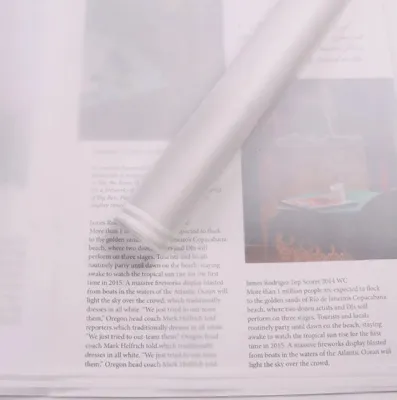
Before finalizing your wrap, assess how you will keep the stems hydrated without ruining the outer presentation. If you are using water-sensitive materials like kraft paper or delicate fabrics, you must install an inner cellophane liner or wrap the stem ends in damp paper towels sealed inside a small plastic bag. For long-distance transport in warm climates, utilizing individual floral water tubes on major stems ensures the flowers stay hydrated while keeping the outer wrapper completely dry.
To avoid wasting material or ending up with an unbalanced wrap, estimate your sheet dimensions before cutting. A good rule of thumb is to ensure the wrapper sheet is at least twice the width of the bouquet’s diameter. The height of the paper should extend slightly above the flower heads to protect them, while leaving enough length at the bottom to cover the stems comfortably. Measure and pre-cut your sheets to ensure clean, straight edges.
The color of your wrapper should complement, not compete with, your floral selection. Test your wrapper sheets against the dominant flower petals under natural light, as artificial indoor lighting can distort colors. Avoid choosing a wrapper that perfectly matches the flower color, as this can wash out the blooms; instead, opt for complementary tones, neutral shades, or a slightly darker hue to make the natural colors of the petals pop.
Frequently Asked Questions (FAQ)
Can I use regular craft paper instead of specialized floral kraft paper?
Yes, you can use regular craft paper, but you must take extra precautions. Regular craft paper is typically thinner and lacks the moisture-resistant coatings often found on specialized floral-grade kraft paper. This makes it highly susceptible to water spotting, wrinkling, and tearing if it comes into contact with wet stems. To use it successfully, always wrap the wet stem ends securely in a waterproof cellophane layer or plastic wrap before applying the outer craft paper.
How do I prevent fabric wrappers from slipping off the bouquet?
Fabric wrappers like chiffon or cotton lack the natural grip of paper, making them prone to slipping down the stems. To prevent this, first bind the flower stems tightly with floral wire or waterproof tape to create a secure, non-slip anchor point. When wrapping the fabric, apply a strip of double-sided floral tape around this bound area, then press the fabric firmly against it. Secure the final wrap tightly with a decorative ribbon, jute twine, or discreet floral pins inserted upward into the stems.
Is cellophane safe for all types of flower stems?
Cellophane is generally safe and highly effective for all types of flower stems because it is non-reactive and completely waterproof. However, heavy, woody, or thorny stems—such as those on mature roses or tropical foliage—can easily puncture thin-gauge cellophane. When working with these varieties, it is best to use a thicker, heavy-duty cellophane, double-layer the material, or wrap the sharpest parts of the stems with floral tape first to prevent punctures.
Community discussion
Share your experience or ask a question. Comments are reviewed before publication.