
Choosing the right document storage solution requires balancing accessibility with security. A folder with a binder clip offers a compelling middle ground: it provides the rapid access of a simple manila folder alongside the firm, punch-free clamping power of a heavy-duty ring binder. Selecting the ideal model depends on your specific environment—whether you are a student navigating a humid tropical climate, an office professional managing thick contracts, or a homeowner preserving vital family records. By eliminating the need to punch holes in your documents, these folders keep your papers pristine while allowing you to add, remove, or rearrange sheets in seconds.
Quick Guide: Core Features of Binder Clip Folders
A folder with a binder clip serves as a highly versatile hybrid in the world of stationery. Unlike standard folders that rely on loose pockets or three-ring binders that require a dedicated paper punch, these specialized folders utilize an integrated clamping mechanism. This built-in metal or heavy-duty plastic clip grips the edge of your papers securely, keeping them in place even when the folder is carried vertically in a bag or backpack. Because there is no need to puncture the paper, your documents remain undamaged, which is particularly important for official certificates, original transcripts, and professional agreements.
When shopping for these folders, three primary selection criteria should guide your decision: paper capacity limits, material durability, and clip mechanism types. The capacity of the clip determines how many sheets the folder can safely hold without slipping or bending out of shape. Material durability dictates how well the cover will protect your documents from external elements like dust, friction, and moisture. Finally, the clip mechanism itself—whether it is a fixed clamp, a sliding bar, or a swivel mechanism—affects how easily you can browse through your pages or lay them flat for scanning.
Products mentioned in this guide
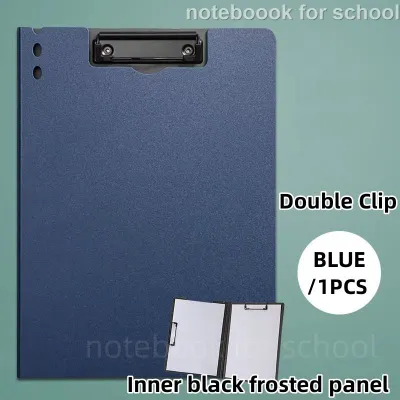
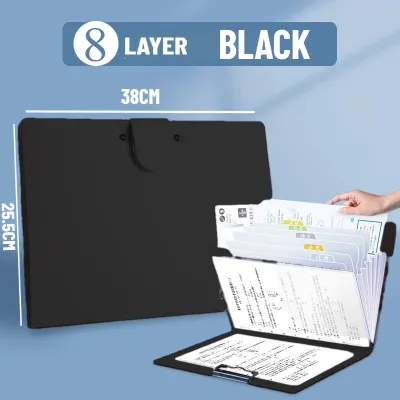
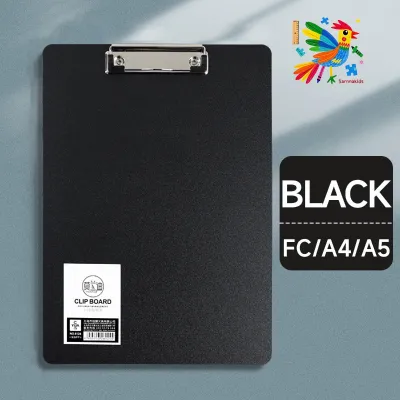
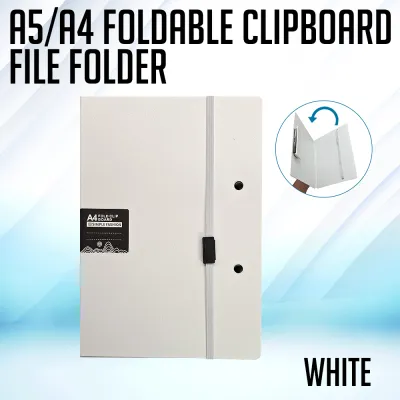
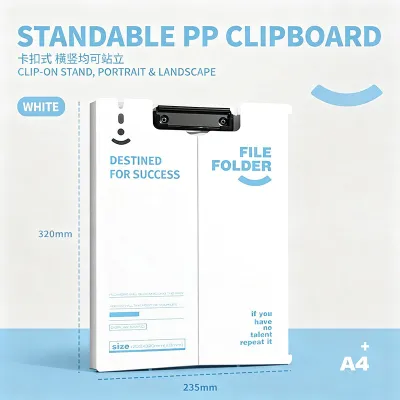
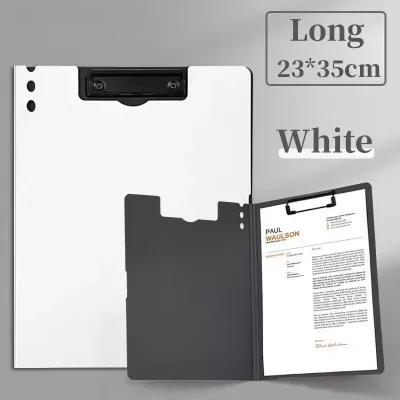
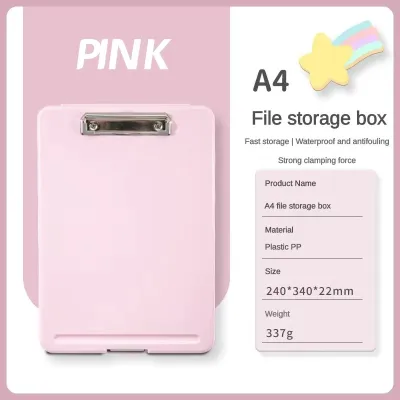
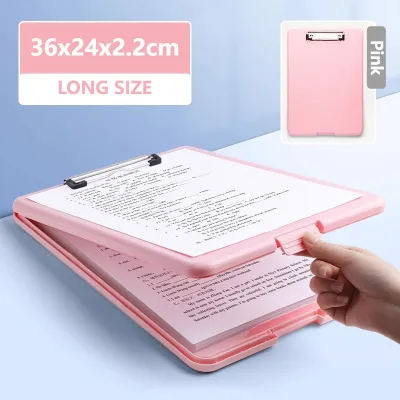
Prices are valid at publication and may change. Please refer to the product page for the latest price.
How to Match Folder Specs to Your Storage Needs
To select a folder that will perform reliably over time, you must look closely at the physical specifications and match them to your daily workflow.

Material and Build The choice of cover material directly impacts the folder’s lifespan and its ability to safeguard your papers. Polypropylene (PP) is a highly popular option because it is flexible, lightweight, and naturally water-resistant. In humid environments, such as the tropical climate of the Philippines, polypropylene covers prevent external moisture from seeping into your documents, which helps stop paper warping and mold growth. On the other hand, heavy-duty cardstock or synthetic faux-leather covers offer a more rigid, executive aesthetic. While these rigid materials provide excellent support for writing on the go, they are more susceptible to moisture damage and require dry storage environments to prevent the covers from bowing or degrading over time.
Clip Mechanism and Capacity The physical design of the clamping mechanism determines how you will interact with your documents. Fixed-clamp folders feature a rigid metal clip attached to the spine that holds papers tightly in a book-like format. This is ideal for reading through reports, but it can make it difficult to lay the pages completely flat. If you frequently need to scan, copy, or write on both sides of the page, a swivel clip mechanism is a superior choice. Swivel clips pivot outward, allowing the cover and the pages to fold flat against a surface. Regardless of the mechanism type, always check the maximum sheet capacity printed on the product label. Forcing a 100-sheet stack into a clip rated for 50 sheets will permanently stretch the spring metal, ruining its grip strength.
Size and Compatibility Before purchasing, verify that the folder’s physical dimensions match the standard paper sizes used in your region. In the Philippines, office documents and school assignments typically use A4 (210mm x 297mm) or Letter size (8.5 x 11 inches). Ensure the folder is wide enough to prevent the edges of these sheets from protruding past the cover, which exposes them to fraying and tearing. Additionally, consider whether you need extra storage features. Many high-quality binder clip folders include clear interior pockets on the inside covers, which are incredibly useful for holding loose items like receipts, business cards, sticky notes, or unpunched reference sheets.
Best Folders with Binder Clips for Student Assignments
Students require organizational tools that can withstand the rigors of daily commuting, frequent handling, and tight backpack storage. A folder with a binder clip is an excellent choice for keeping loose handouts, syllabus sheets, and homework assignments organized by subject without the bulk of a multi-ring binder.
Lightweight Polypropylene Folders
For students who are constantly on the move, lightweight polypropylene folders offer the ideal blend of durability and portability. These folders easily slide into crowded backpacks without adding unnecessary weight, and their flexible covers resist cracking even when bent. Opting for translucent plastic covers allows you to identify the contents of the folder at a single glance without needing to open it, saving valuable time between classes.
In tropical regions like the Philippines, sudden downpours can easily ruin paper assignments inside a backpack. A sturdy polypropylene cover acts as a reliable shield against moisture, keeping your coursework dry. However, because school environments involve frequent opening and closing, it is crucial to check the grip strength of the clip and the durability of the spine hinge. A weak plastic hinge can split after a few months of heavy use, so look for folders with reinforced spines or double-welded edges to ensure they last the entire school semester.
Multi-Color Assortment Packs
Managing multiple classes requires a clear system of organization, and multi-color assortment packs of binder clip folders provide an easy visual solution. By assigning a specific color to each subject—such as blue for mathematics, green for science, and red for language arts—students can quickly grab the correct folder before heading to class. This visual sorting system reduces the likelihood of leaving important assignments behind.
When purchasing multi-color packs, keep in mind that the long-term durability of the plastic and the resistance of the colors to fading under sunlight depend heavily on manufacturing quality. Cheap plastics can become brittle and crack when exposed to heat and light over time. Reading user reviews on major online marketplaces or local stationery retailer sites can provide valuable insights into how well a specific brand’s folders hold up to daily student wear and tear.
Top Folders with Binder Clips for Office Records
In a professional office environment, document presentation and secure record-keeping are paramount. Folders used for office records must project a polished image while safely holding thicker document stacks, such as legal contracts, financial audits, or marketing proposals.
High-Capacity Swivel Clip Folders
For thick reports and project files that require frequent updates, high-capacity swivel clip folders are the industry standard. These folders are specifically engineered to accommodate larger volumes of paper, often holding between 60 and 100 sheets securely. The swivel mechanism allows the clip to swing out of the way, enabling the user to open the folder completely flat. This flat-lay capability is essential when placing documents on a flatbed scanner or office copier, as it eliminates the need to remove the papers from the folder entirely.
When calculating capacity, keep in mind that paper weight affects how many sheets the clip can hold. Standard office copier paper in the Philippines is typically 70gsm or 80gsm; heavier 100gsm presentation paper will reduce the total sheet capacity of the folder. To maintain the structural integrity of the folder, always verify the exact sheet capacity on the manufacturer’s packaging. Overstuffing the folder not only risks tearing the pages but can also warp the metal swivel hinge, preventing it from closing tightly in the future.
Premium Cardstock or Faux Leather Folders
When presenting proposals to clients or submitting executive reports, premium cardstock or faux leather folders offer a sophisticated, high-end appearance. These materials provide a rigid, stable backing that allows you to write comfortably even when standing or away from a desk. The professional aesthetic of a matte-finished heavy cardstock or a textured synthetic leather cover immediately elevates the presentation value of your work.
However, because these materials are naturally porous, they are far less water-resistant than solid plastic alternatives. In tropical regions with high humidity, these premium folders must be stored in dry, air-conditioned offices or closed filing cabinets to prevent them from absorbing moisture. Damp cardstock can lose its rigidity and begin to sag, while low-quality faux leather may peel. Always check the product label for specific care instructions or moisture warnings to prevent the covers from warping or developing mildew.
Ideal Folders with Binder Clips for Home Filing
Organizing household documents requires a system that is easy to maintain and robust enough for long-term archival storage. From appliance warranties and medical histories to tax returns and property deeds, home filing systems must protect vital papers from household hazards like dust, spills, and atmospheric moisture.
Opaque Plastic Folders with Label Pockets
For long-term home storage, opaque plastic folders with built-in label pockets offer excellent protection and organization. The opaque covers keep sensitive personal information private, while the clear spine or front-cover label pockets allow you to write clear, legible titles for quick identification on a shelf or in a filing drawer. Plastic covers provide a reliable barrier against dust and accidental household spills.
If you are storing sensitive, irreplaceable documents like birth certificates, marriage contracts, or land titles, look for folders explicitly marked as acid-free or archival-safe. Standard plastics, particularly those containing polyvinyl chloride (PVC), can emit harmful plasticizers over time that cause paper to yellow and ink to lift or transfer onto the folder. Choosing polypropylene folders that are certified acid-free ensures your family’s most important records remain pristine for decades.
Expanding or Multi-Section Binder Folders
If you prefer to keep all related household documents in a single, centralized location, expanding or multi-section binder folders are an ideal solution. These folders feature internal dividers, with each section equipped with its own integrated binder clip. This design allows you to categorize different sub-topics—such as separating your utility bills, home maintenance receipts, and insurance policies—within a single physical folder.
While highly convenient, these multi-section folders require careful handling. Overfilling individual sections can place immense strain on the binding and spine, causing the folder to warp or the outer cover to split. To preserve the folder’s structural integrity over several years, strictly adhere to the manufacturer’s recommended sheet capacity limits for each individual section. Regularly purging outdated documents, such as expired warranties, will also help keep the folder within safe physical limits.
Quick Comparison of Binder Clip Folder Types
To help you quickly identify the best folder for your specific needs, the table below summarizes the key differences between the primary binder clip folder types discussed in this guide.
| Folder Type | Best Use Case | Primary Material | Key Feature | Capacity Check |
|---|---|---|---|---|
| Lightweight Polypropylene | Daily student commuting and quick subject identification | Flexible Polypropylene | Translucent cover with flexible, crack-resistant spine | Check hinge durability and grip strength for frequent use |
| Multi-Color Packs | Subject-based organization and visual sorting for school | Colored Polypropylene | Assorted colors for rapid visual categorization | Review marketplace feedback for long-term plastic durability |
| High-Capacity Swivel | Office records, thick contracts, and flat-lay scanning | Heavy-Duty Polypropylene | Pivoting swivel clip that allows pages to fold completely flat | Verify exact sheet capacity (e.g., up to 100 sheets) on label |
| Premium Cardstock / Leather | Client-facing presentations and executive submissions | Rigid Cardstock or Faux Leather | Elegant, professional appearance with rigid writing support | Keep in dry storage; check labels for moisture warnings |
| Opaque with Label Pockets | Long-term home archiving and sensitive document storage | Opaque Archival-Safe Plastic | Built-in label sleeves for quick filing cabinet retrieval | Ensure material is certified acid-free for sensitive papers |
| Multi-Section Expanding | Centralizing multiple household categories in one place | Reinforced Polypropylene | Internal dividers with multiple independent binder clips | Adhere strictly to per-section limits to prevent spine warping |
Frequently Asked Questions (FAQ)
Can I replace the binder clip if it breaks?
Most folders with binder clips feature mechanisms that are permanently riveted or molded directly into the folder’s spine. Because of this integrated design, the clips are generally not user-replaceable; if the metal spring snaps or the plastic hinge breaks, the entire folder will usually need to be replaced. If long-term repairability is a high priority for you, look specifically for specialty folders designed with removable or slide-on clip mechanisms before making a purchase. Checking the product specifications or manufacturer instructions will confirm whether a clip can be detached and replaced.
How do I prevent the binder clip from tearing the top pages?
To protect your documents from being creased or torn by the high tension of a metal binder clip, you can use a simple, low-risk buffer sheet. Placing a small piece of thick cardstock, a heavy paper scrap, or a dedicated plastic index sheet directly under the clip arms will distribute the clamping pressure evenly across the top page. Additionally, always ensure that your document stack is perfectly aligned and pushed fully into the back of the clip hinge before releasing the clamp. This prevents the metal edges from pinching and tearing the paper at an angle when the folder is opened or closed.
Community discussion
Share your experience or ask a question. Comments are reviewed before publication.