
Selecting the ideal fuzzy wire bundle for a school art class involves balancing creativity, structural needs, and safety. A standard 6mm thickness in a vibrant, multi-color assorted pack of 100 to 200 pieces serves as the most practical baseline for general classroom crafting. By matching the bundle’s specifications to the age of the students and the scope of the project, teachers and parents can ensure a smooth, engaging, and mess-free artistic experience.
Quick Selection Guide for School Art Fuzzy Wires
The ideal fuzzy wire bundle depends entirely on the specific requirements of your art project. While these versatile supplies are commonly labeled as fuzzy wires, they are also widely known as chenille stems or pipe cleaners in art supply stores and school curricula. Having a clear understanding of these interchangeable terms helps you verify product labels and find exactly what you need in local retail shops, specialty stationery stores, or online marketplaces.
When selecting a bundle, you should prioritize three primary decision factors:
Products mentioned in this guide
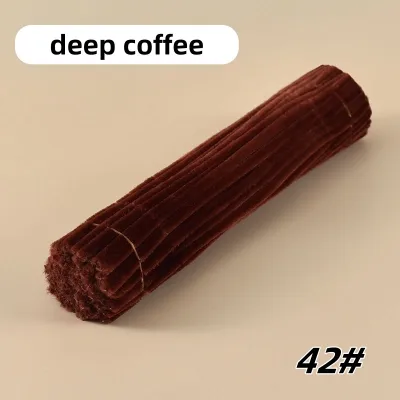
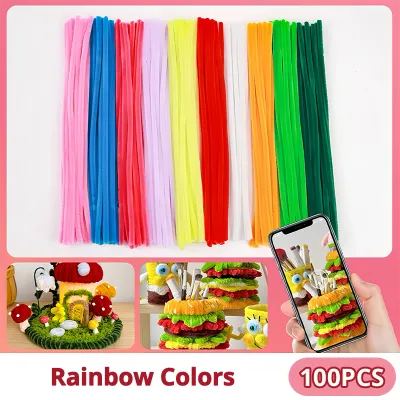
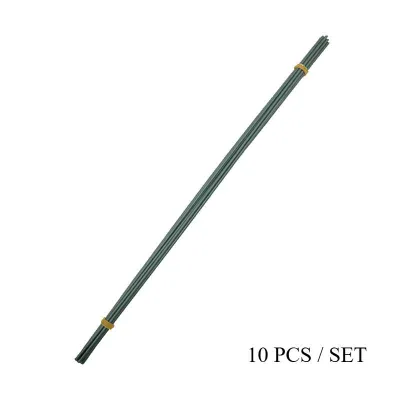

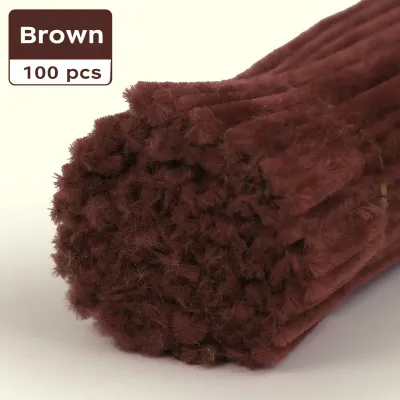
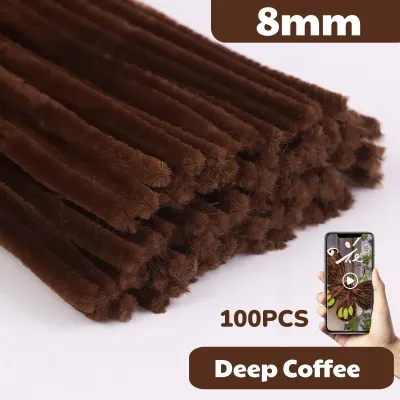
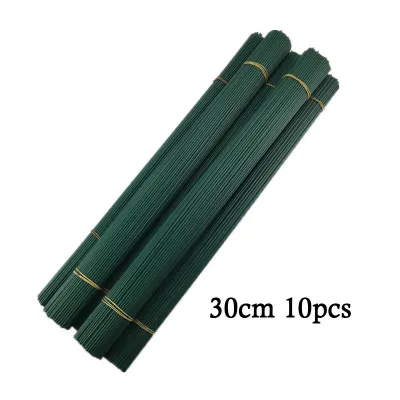
Prices are valid at publication and may change. Please refer to the product page for the latest price.
- Thickness: Standard 6mm stems are perfect for fine details and light wrapping, whereas jumbo 10mm to 15mm options are required to support 3D structures.
- Color Variety: Assorted multi-color packs encourage open-ended creativity, while single-color bulk packs are more efficient for uniform, themed holiday or school projects.
- Bundle Quantity: Small retail packs of 10 to 25 pieces are ideal for single home assignments, but busy classrooms require bulk packs of 100 to 500 stems to keep up with student demand.
Recommended Fuzzy Wire Types for Different Art Projects
Matching the physical characteristics of the fuzzy wire to the artistic task ensures that student projects hold together properly and look as intended. Different crafts demand distinct levels of flexibility, thickness, and color distribution.

Standard Thickness for Detailed and Flat Crafts
Standard fuzzy wires typically measure 6mm in diameter and 30cm (12 inches) in length. These dimensions represent the standard standard for school art supplies, making them highly compatible with standard classroom project templates and instructional guides. They are the go-to choice for flat outlines, wrapping around pencils or cardboard tubes, and creating intricate details like animal ears, flower petals, or small glasses frames.
Because the inner wire core of a standard stem is relatively thin, younger students can easily bend, twist, and cut these wires using standard school safety scissors. This ease of manipulation reduces hand fatigue during long crafting sessions, making standard stems highly accessible for early elementary grades. For general art classes where assignments vary from week to week, a standard-thickness bundle is the most versatile and cost-effective option to keep on hand.
Furthermore, standard stems integrate seamlessly with other common stationery items. They can be threaded through pre-punched holes in construction paper or cardstock without tearing the paper, allowing students to create moving parts in pop-up books or custom greeting cards. Their lightweight nature also means they can be secured to paper surfaces using standard white school glue or double-sided tape without sliding off.
Thick or Jumbo Bundles for 3D and Structural Art
When art projects transition from flat, two-dimensional crafts to three-dimensional sculptures, standard 6mm wires often bend or sag under their own weight. For these advanced tasks, thick (8mm to 10mm) or jumbo (12mm to 15mm) fuzzy wire bundles are necessary. These thicker variants feature a heavier-gauge steel core that provides superior structural memory, allowing standing figures, wire armatures, and complex science models to maintain their shape over time.
The dense, fluffy plush on jumbo stems also covers larger surface areas quickly, which is ideal for creating soft animal bodies, thick tree trunks, or sturdy structural columns in dioramas. Additionally, jumbo stems serve as an excellent skeleton for clay modeling projects. When students wrap modeling clay or paper-mâché around a jumbo wire, the textured plush fibers provide an exceptional grip that prevents the wet modeling material from slipping or sliding off during the drying process.
However, the heavy-duty metal core presents a practical challenge in the classroom. Standard plastic safety scissors cannot cut through these thicker cores and can easily become damaged or dull. Teachers and parents should prepare heavy-duty craft shears or wire cutters, ensuring an adult handles all cutting steps for younger students.
Assorted Color Packs for Open-Ended Creativity
For open-ended classroom activities where students are encouraged to design their own creatures, plants, or abstract structures, assorted color bundles are indispensable. A well-balanced assorted pack should contain a mix of primary colors (red, blue, yellow), secondary colors (green, orange, purple), and neutral tones (black, white, brown). This variety allows students to execute their unique visions without feeling restricted by material limitations.
Conversely, single-color bulk packs are highly efficient when the entire class is working on a uniform theme. For example, green bundles are perfect for making Christmas ornaments, while yellow and blue might be purchased in bulk for school-spirit crafts or regional festival decorations. Before purchasing an assorted pack, verify the color distribution listed on the packaging, as some low-quality bundles may contain an excess of dull or repetitive shades rather than a vibrant, even mix.
Key Quality Features to Check Before Buying
Not all fuzzy wires are manufactured to the same standard. Evaluating the physical quality of a bundle before purchasing prevents classroom messes, structural failures, and safety hazards.
- Shedding and Fiber Quality: Low-quality bundles often suffer from excessive shedding, where the polyester or chenille fibers easily slide off the wire core during twisting. This shedding creates a messy workspace and can cause minor throat or eye irritation if fine fibers are inhaled or rubbed into the face. To verify fiber quality, pull gently on the ends of a sample stem; the fibers should remain firmly locked within the twisted wire core. High-quality stems feature dense, uniform plush that covers the metal core completely, ensuring a soft touch and a clean crafting environment.
- Wire Core Flexibility and Memory: A premium fuzzy wire must strike a balance between pliability and structural integrity. The wire core should bend smoothly with minimal resistance, allowing young hands to shape it easily, yet it must possess enough "memory" to hold that shape under light tension. If the wire is too soft, the sculpture will sag; if it is too stiff or brittle, repeated bending will cause the metal to fatigue and snap. When testing a wire, bend it back and forth several times in the same spot. A reliable craft wire should withstand multiple bends before showing signs of structural failure.
- Rust Resistance: In hot and humid tropical climates like the Philippines, moisture in the air can quickly degrade exposed metal. During the humid monsoon months, classrooms can experience high indoor humidity. If stored in non-airconditioned rooms or standard wooden cabinets, cheap iron-core wires will rapidly oxidize. This oxidation not only ruins the vibrant colors of the stems with unsightly brown rust spots but also compromises the structural integrity of the wire, causing it to snap unexpectedly when bent. Look for bundles that specify rust-resistant, galvanized, or plastic-coated wire cores to ensure long-term durability.
- Cut Ends and Tucking: The sharp ends of cut wire pose a constant poking hazard during busy art classes. While high-quality manufacturing processes ensure that the wire ends of pre-cut retail stems are relatively flush with the plush fibers, bulk bundles may have roughly sheared ends with exposed sharp metal points. Inspect the ends of the bundle before distributing them to students. If the metal is exposed and sharp, teach students how to tuck the ends inward or apply a small drop of school glue to cap the sharp tip.
How to Estimate the Right Quantity for Classroom Use
Planning a classroom budget requires a practical estimation of materials to avoid running out mid-project or overspending on excess stock. For a typical elementary school art project, a single student will use an average of 3 to 5 standard stems for simple tasks like making a basic animal or a flower. For more complex, multi-dimensional sculptures or science models, a student may require 10 to 15 stems.
To help plan your purchases, consider these average requirements for common classroom crafts:
- Simple Animal Figures (e.g., spiders, butterflies): 2 to 4 standard stems per student.
- Floral Bouquets: 5 to 8 standard stems per flower (including the stem, leaves, and petals).
- Wearable Crowns or Headbands: 4 to 6 jumbo stems for the structural base, plus 3 to 5 standard stems for decorative details.
- Complex 3D Diorama Elements: 8 to 12 mixed-thickness stems per project.
When calculating the total quantity needed for a class of 30 to 40 students, always factor in a 15% to 20% buffer stock. This extra allowance accounts for accidental cuts, structural mistakes, broken wires, and the spontaneous creative additions that students often make. For example, a class of 35 students making 5-stem projects will need a baseline of 175 stems; adding a 20% buffer brings the recommended purchase to approximately 210 stems.
In terms of purchasing strategy, bulk packs are significantly more cost-effective than individual retail kits. In the local Philippine market, a small retail pack of 10 to 12 fuzzy wires in a specialty bookstore might cost around ₱15 to ₱30, which equates to roughly ₱1.50 to ₱2.50 per stem. In contrast, bulk packs of 100 to 200 stems sourced from wholesale districts or online marketplaces generally range from ₱80 to ₱150, bringing the unit cost down to less than ₱1.00 per stem. For schools and art teachers, investing in these larger bulk bundles provides substantial long-term savings.
Safety and Handling Tips for Student Use
While fuzzy wires are excellent for developing fine motor skills and encouraging creative expression, they require proper handling to ensure a safe learning environment.
- Managing Sharp Ends: The most common physical hazard associated with fuzzy wires is the sharp metal core exposed at the cut ends. Before starting any activity, demonstrate to the class how to bend the sharp tips backward by about 5 millimeters, tucking them flat against the main stem. This quick adjustment creates a smooth, rounded end that prevents accidental scratches or eye pokes during active play.
- Scissor Safety: Standard plastic safety scissors designed for toddlers are completely unsuitable for cutting metal wires. Attempting to use them will only ruin the blades and frustrate the child. For standard 6mm wires, students should use sturdy metal school scissors under supervision. For thicker jumbo wires, teachers should establish a designated "cutting station" where an adult uses heavy-duty craft shears or wire cutters to prepare the lengths beforehand.
- Age-Appropriate Supervision: While fuzzy wires are excellent for developing fine motor skills, they require different levels of supervision depending on the age group. Preschoolers (ages 3 to 5) should never be left unattended with fuzzy wires due to the risk of swallowing small cut pieces or poking themselves. For this age group, pre-cutting the wires into safe lengths and pre-bending the sharp ends is highly recommended. For older elementary and middle school students, basic safety instructions at the beginning of the lesson are usually sufficient to ensure a safe and productive crafting session.
Frequently Asked Questions (FAQ)
Can regular school scissors cut thick fuzzy wire bundles?
Standard school scissors with metal blades can easily cut regular 6mm fuzzy wires, though repeated use may dull the blades over time. However, thick or jumbo fuzzy wires (8mm to 15mm) feature much thicker steel cores. Attempting to cut these with regular school scissors will dent the blades, misalign the shears, and cause significant hand strain. For jumbo bundles, always use heavy-duty craft shears, wire cutters, or utility snips.
How do I store leftover fuzzy wires to prevent them from getting crushed?
To keep your leftover fuzzy wires in pristine condition, avoid tossing them loosely into deep, heavy storage bins where they can easily get bent or matted. Instead, store them flat in long, clear plastic zip-lock bags or flat plastic document boxes. Keeping them organized by color and thickness not only prevents the plush fibers from getting crushed but also makes it easy to take inventory before the next art class.
Are fuzzy wires safe for preschool art classes?
Yes, fuzzy wires are safe for preschool art classes provided there is close adult supervision and proper preparation. Because young children are still developing their hand-eye coordination and may put small items in their mouths, adults should pre-cut the wires to the required lengths and bend the sharp metal ends inward before the lesson begins. Avoid letting preschoolers handle very short, cut pieces that could present a choking hazard.
Community discussion
Share your experience or ask a question. Comments are reviewed before publication.