
Selecting the right flower fuzzy wire is the most critical step for any beginner stepping into the world of DIY chenille floral crafting. The ideal wire must strike a delicate balance: it needs a metal core that bends easily without snapping, paired with a dense, velvety plush coating that completely conceals the inner wire. In the Philippines, where high humidity can affect both the structural integrity of paper crafts and the comfort of working with various materials, fuzzy wire has emerged as a highly durable, forgiving, and reusable alternative for creating beautiful, long-lasting blooms.
Understanding how to evaluate thickness, core flexibility, and texture ensures your first crafting experience is rewarding and cost-effective. By focusing on specific material properties rather than brand names, you can easily source high-quality materials from local craft stores or online marketplaces. This guide will walk you through the essential specifications, color choices, and tools needed to build a reliable starter kit and avoid common purchasing pitfalls.
Key Features to Evaluate in Fuzzy Wire
When browsing for flower fuzzy wire, the first specification to analyze is the diameter of the plush coating. This measurement, typically indicated in millimeters, directly dictates the scale and style of the flowers you can create. Thicker diameters, such as 15mm to 20mm, are excellent for crafting large, soft petals for sunflowers, marigolds, or fluffy roses. Conversely, thinner diameters like 6mm are highly suitable for intricate, tight bends, making them the standard choice for delicate filler flowers, lavender buds, or small daisies.
Products mentioned in this guide
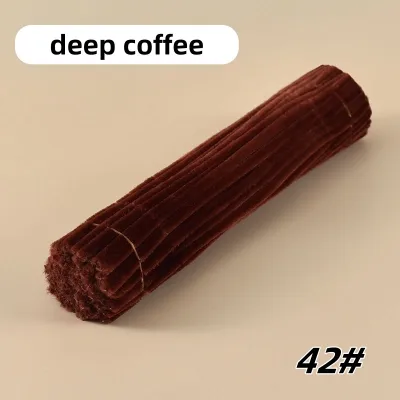
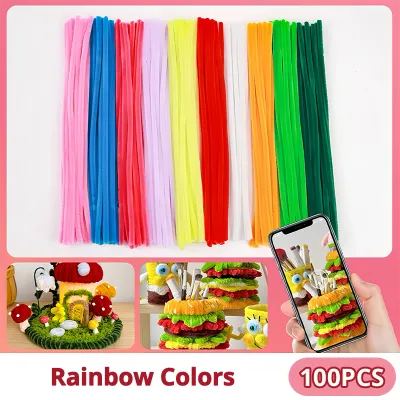
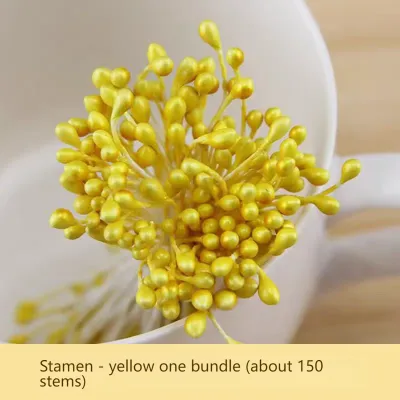
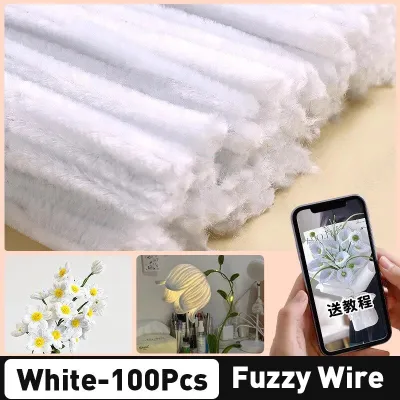
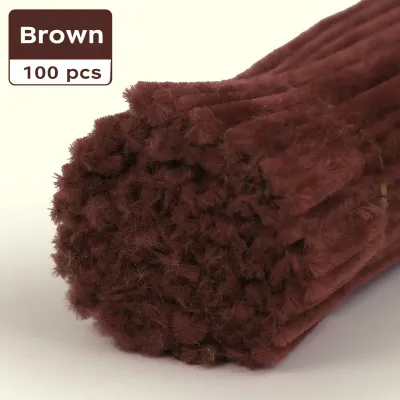
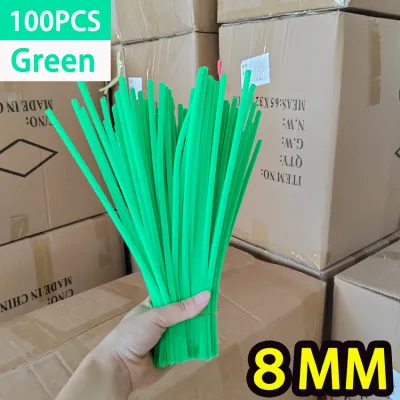
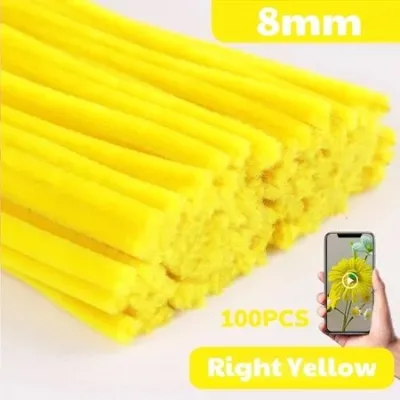
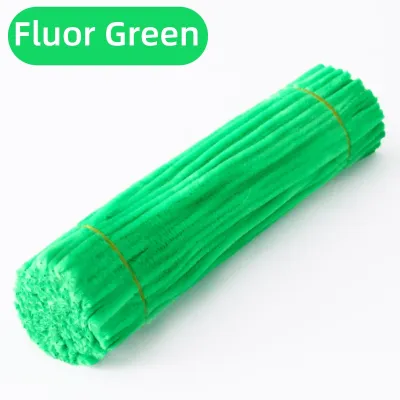
Prices are valid at publication and may change. Please refer to the product page for the latest price.
Beyond the outer plush, the gauge and flexibility of the inner metal core play a vital role in shape retention. The core must be pliable enough to bend smoothly with your fingers, yet stiff enough to support the weight of the finished flower head. If the wire is too soft, your petals will droop and lose their form over time; if it is too stiff, shaping organic curves will become difficult and tiring for your hands. A medium-flex core allows you to make repeated adjustments without weakening or snapping the wire.
Standard pre-cut lengths are another practical feature to consider. Most craft-grade fuzzy wires are sold in lengths of 30 centimeters, which is highly convenient for beginners. This uniform length simplifies the process of measuring and cutting multiple identical petals, helping you maintain consistency across your floral arrangements. It also minimizes material waste, as most beginner-friendly flower patterns are optimized to utilize a full 30cm stem with minimal leftovers.
Recommended Specifications for Beginner Flower Projects
For those purchasing their very first set of crafting materials, a plush diameter of 6mm to 8mm is highly recommended. This range offers the most versatile starting point for learning basic twisting, looping, and folding techniques. It provides enough plush coverage to look full and vibrant while remaining thin enough to manipulate easily without the need for specialized jewelry pliers or heavy-duty tools.

To ensure your creations stand the test of time, look for product descriptions that specify galvanized iron or steel cores. Galvanization provides a protective layer that helps prevent rust, which is a crucial consideration in tropical climates where moisture in the air can degrade untreated metals. A rusted core not only compromises the structural stability of your DIY flowers but can also seep through and discolor the plush fibers over time. Checking for rust-resistant specifications is a simple way to guarantee durability.
When it comes to quantity, starting with a multi-color assortment pack of 50 to 100 pieces is much wiser than buying large bulk packs of single colors. An assortment pack gives you immediate access to a variety of petal and stem colors, allowing you to experiment with different flower designs without a significant upfront investment. This approach helps you identify your preferred color palettes and styles before committing to larger quantities of a single shade.
Choosing Colors and Plush Textures for Realistic Blooms
Achieving a realistic look with DIY fuzzy wire flowers depends heavily on your color selection. Solid colors, such as vibrant reds, soft pinks, and deep forest greens, form the foundation of classic floral designs and provide clean, bold shapes. However, incorporating variegated or gradient fuzzy wires—which transition between shades along a single stem—can elevate your projects by mimicking the natural, organic color shifts found in real flower petals.
Plush density is another key visual and tactile factor to verify. High-quality fuzzy wire features closely packed polyester or nylon fibers that remain dense even when bent at sharp angles. Low-density options often look sparse, exposing the shiny metal core underneath and giving the finished flower a cheap, unfinished appearance. To verify density before purchasing, look for close-up product photos where the core is completely hidden, or perform a simple bend test on a sample to see if the fibers remain full at the curve.
Because crafting involves significant handling, the dyes used in the plush fibers must be stable and colorfast. In warm, humid weather, low-quality dyes can transfer onto your hands or bleed into adjacent light-colored fibers during assembly. You can verify colorfastness by rubbing a damp white cloth over a small section of a sample wire; if no dye transfers, the material is safe to use for complex, multi-colored arrangements.
Building a Cost-Effective Fuzzy Wire Starter Kit
Assembling a complete crafting kit does not require a large budget. In the Philippines, a highly functional starter setup can be put together for approximately ₱150 to ₱300. Allocate the majority of this budget to a high-quality multi-color pack of 6mm fuzzy wires, ensuring you have a balanced mix of petal colors (such as pinks, yellows, and reds) and stem colors (various shades of green).
To complement your wire selection, you will need a few basic tools that are likely already available in your home. A reliable pair of craft scissors or wire cutters is essential for cutting the metal cores cleanly; avoid using high-end sewing shears, as the metal wire will quickly dull the blades. Green floral tape is also necessary for wrapping multiple stems together to create a clean, professional finish. For assembly, a low-temperature glue gun or a quick-drying craft adhesive is highly recommended for securing loose ends and attaching flower heads to thicker stem wires safely.
Proper storage is key to keeping your materials in pristine condition between crafting sessions. Store your fuzzy wires flat in clear plastic organizer boxes or resealable plastic bags to protect them from dust, pet hair, and ambient moisture. Keeping them flat prevents the metal cores from becoming accidentally bent or kinked, ensuring they are ready for smooth shaping whenever inspiration strikes.
Common Purchasing Mistakes to Avoid
One of the most common mistakes beginners make is purchasing industrial-grade pipe cleaners intended for cleaning machinery or basic school crafts. These utility cleaners often feature stiff, sharp wire cores and sparse, scratchy bristles that are uncomfortable to handle and difficult to shape into delicate petals. Always ensure you are purchasing craft-grade fuzzy wire or chenille stems designed specifically for artistic projects.
Another pitfall is buying ultra-cheap options that suffer from excessive shedding. Low-quality wires often lose their fibers as soon as you begin twisting them, leaving a messy workspace and bald spots on your finished flowers. Reading customer reviews on online marketplaces and looking for mentions of “shedding” or “thin fluff” can help you avoid these frustrating materials.
Finally, resist the temptation to buy massive single-color bulk packs simply because they seem to offer a lower price per piece. As a beginner, your preferences, skills, and project designs will evolve rapidly. Starting with smaller, varied assortments allows you to test the quality of the wire and discover which colors and thicknesses you enjoy working with the most before making a larger financial commitment.
Frequently Asked Questions (FAQ)
Can I use regular pipe cleaners instead of craft fuzzy wire?
While they look similar, standard pipe cleaners and craft-grade fuzzy wires serve different purposes. Standard pipe cleaners, often found in school utility sections, are designed for cleaning or basic children’s crafts; they typically feature sparser, coarser bristles and stiffer wire cores. Craft-grade fuzzy wire features a much denser, softer, and thicker plush coating. This high density is essential for creating the full, velvety texture required to make realistic-looking petals and leaves.
How do I prevent the wire ends from poking through the plush?
Exposed wire ends can be sharp and may cause scratches or snag on fabrics. To prevent this, always use a pair of small pliers to bend the sharp metal tip back into a tiny loop, tucking it flat against the main stem. For added security, apply a small dab of low-temperature hot glue or quick-drying craft adhesive over the bent tip. This seals the loose plush fibers in place and creates a smooth, safe finish that protects both your hands and your completed floral arrangements.
Community discussion
Share your experience or ask a question. Comments are reviewed before publication.