
Fuzzy wire, commonly referred to as chenille stems or pipe cleaners, is one of the most versatile materials in a student’s art kit. In classrooms across the Philippines, these bendable, plush sticks are used for everything from simple color-recognition activities in preschool to complex structural models in high school science fairs. Because they can be bent, twisted, and wrapped repeatedly, they provide an excellent hands-on medium for developing fine motor skills and spatial awareness.
However, not all fuzzy wires are created equal. Using the wrong size or quality for a specific school project can lead to structural collapse, messy fiber shedding, or ruined designs. Understanding the physical specifications of fuzzy wire—such as its thickness, length, core material, and pile density—is essential for matching the right product to your child’s creative needs.
Quick Guide: Matching Fuzzy Wire to Your Child's Art Project
In the context of school art supplies, craft-grade fuzzy wire is specifically designed with soft, dense synthetic fibers wrapped around a flexible wire core. This is distinct from industrial or household pipe cleaners, which are designed for scraping debris and often feature stiff, abrasive bristles that can scratch young hands.
Products mentioned in this guide
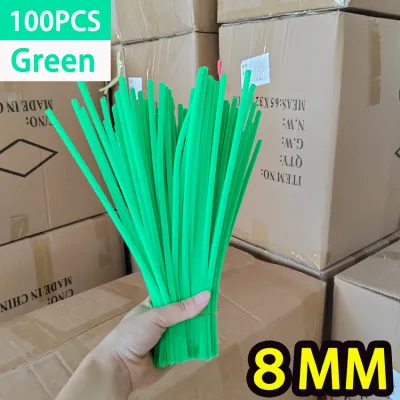

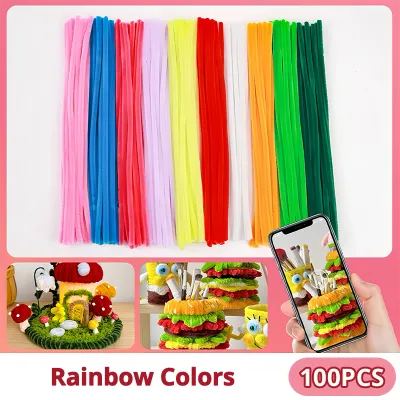
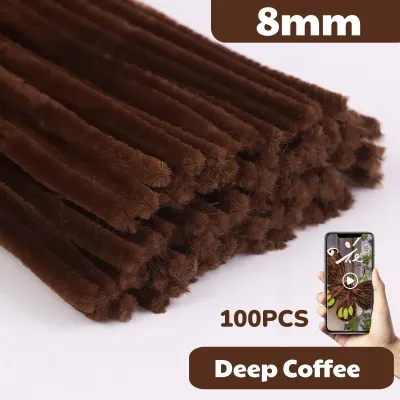
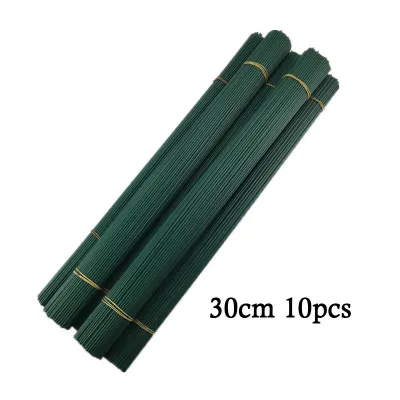
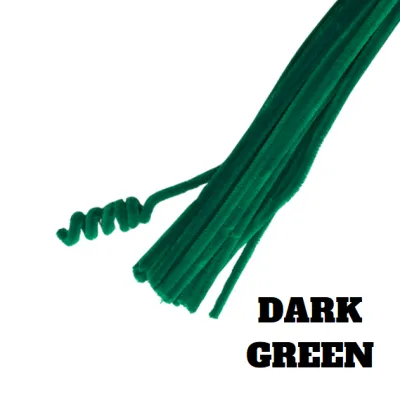
Prices are valid at publication and may change. Please refer to the product page for the latest price.
When purchasing supplies for an upcoming school project, three primary specifications will dictate the success of the craft: wire gauge (thickness), stem length, and pile density (fuzziness).
| Project Type | Recommended Thickness (Gauge) | Recommended Length | Best Wire Characteristics |
|---|---|---|---|
| Jewelry & Fine Details | 2mm to 3mm (Thin) | 12 inches (30 cm) or pre-cut | High flexibility, pastel or metallic finishes, soft pile |
| Standard Sculptures & Dioramas | 4mm to 6mm (Standard) | 12 to 18 inches (30 to 45 cm) | Dense pile, assorted color packs, medium bend resistance |
| Large Armatures & Wearable Props | 8mm to 15mm (Jumbo) | 36 inches (90 cm) or continuous | Heavy-duty inner wire, stiff core, high density |
- Wire Gauge (Thickness): This refers to the diameter of the plush coating and the thickness of the inner metal core. It determines how much weight the stem can support and how easily it can be manipulated by small hands.
- Stem Length: Standard sizes range from short pre-cut pieces to extra-long stems. Choosing the correct length minimizes the need for cutting or joining multiple pieces, which can weaken the structure.
- Pile Density: This describes the thickness and packing of the fuzzy fibers. High pile density completely hides the metal core, providing a richer color and a more professional finish to the completed project.
Recommended Fuzzy Wire Types by Project Category
Selecting the right fuzzy wire requires looking at the specific demands of the school assignment. Categorizing your purchase by the project’s scale and structural needs ensures a smoother crafting process.

Fine Detail and Jewelry Projects
For delicate school crafts such as handmade rings, friendship bracelets, miniature flower petals, or tiny details on a diorama character, thin-gauge fuzzy wire is the ideal choice. These wires typically measure between 2mm and 3mm in diameter. The thin profile allows students to wrap, knot, and twist the stems tightly without creating bulky, awkward shapes that distort the design.
Using standard 12-inch (30 cm) lengths is highly versatile for these projects, as they can be easily trimmed down to the exact size required. Some specialty packs also offer pre-cut shorter lengths, which are highly convenient for classroom settings because they reduce the time spent cutting and minimize the risk of sharp wire ends. For jewelry, look for stems with metallic, tinsel, or pastel finishes to add visual variety and sparkle to the accessories.
While thin fuzzy wire is excellent for intricate work, it does have distinct mechanical limitations. The inner metal core of a 2mm or 3mm stem is exceptionally fine, meaning it lacks the structural integrity to support any significant weight. If your child attempts to build a free-standing figure or a load-bearing frame using thin wire, the structure will likely droop or collapse. Additionally, thin stems do not tolerate heavy applications of liquid school glue well; the excess moisture can easily saturate the sparse fibers, causing them to mat down and expose the inner wire.
Standard Sculptures and Dioramas
The vast majority of school art assignments call for medium-gauge or standard fuzzy wire, which typically measures between 4mm and 6mm in diameter. This size represents the sweet spot for classroom crafting, offering an optimal balance between flexibility and structural strength. It is stiff enough to hold its shape when bent into three-dimensional forms, yet soft enough for elementary school students to manipulate without tools.
Standard 12-inch (30 cm) stems are the most common format available in local department stores and stationery shops. For larger dioramas—such as building miniature trees, animal figures, or historical scene models—18-inch (45 cm) stems can be incredibly helpful. The extra length allows students to create continuous loops for limbs or trunks, reducing the number of weak joints in the sculpture.
When preparing for a school year, purchasing multi-color assorted packs is the most cost-effective strategy. These packs usually contain a vibrant mix of primary, secondary, and neutral colors, ensuring your child has the correct shades on hand for any spontaneous homework assignment.
To maximize the structural capabilities of standard fuzzy wire, teach your child the technique of twisting multiple stems together. If a sculpture requires a load-bearing element, such as the legs of a model dinosaur or the trunk of a miniature coconut tree, twisting two or three standard wires together creates a reinforced braid. This simple adjustment dramatically increases the weight capacity of the structure without requiring specialized heavy-duty materials.
Large Armatures and Wearable Props
When school projects scale up to larger proportions—such as wearable masks, costume wings, science fair display frames, or collaborative classroom sculptures—standard fuzzy wire is no longer sufficient on its own. For these heavy-duty applications, jumbo-gauge fuzzy wire measuring between 8mm and 15mm in diameter is required. These thick stems feature a much heavier metal core and a dense, fluffy pile that provides excellent coverage and visual impact.
For large-scale projects, look for extra-long stems that measure 36 inches (90 cm) or more. Utilizing single, continuous runs of thick wire minimizes the number of connection points, which are the most common failure zones in large sculptures. If jumbo fuzzy wire is unavailable, an excellent alternative is to construct a structural skeleton (armature) using bare aluminum craft wire, then wrap standard fuzzy wire tightly around it to add color and texture.
Working with thicker gauges introduces specific safety and handling considerations. The inner metal cores of jumbo fuzzy wires are significantly stiffer than those of standard stems. Cutting them requires sturdy craft shears or wire cutters, which should always be handled by an adult or under close supervision.
Additionally, the cut ends of heavy-gauge wire can be quite sharp. It is crucial to fold these sharp tips inward using small pliers or to cover them with a dab of hot glue to prevent accidental scratches, especially if the finished project is a wearable prop that will be in direct contact with a child’s skin. Always verify if your child’s school has specific safety guidelines regarding the use of thick wire gauges in the classroom.
Key Specifications and Safety Checks Before Buying
To ensure a frustration-free crafting experience, parents should look closely at the product packaging and specifications before making a purchase.
- Pile Density and Shedding: One of the most common complaints about cheap fuzzy wire is excessive shedding. Low-quality stems often drop fibers during bending and cutting, leaving bald spots on the wire and a messy pile of fluff on the desk. High-quality fuzzy wire is constructed with tightly wound polyester or nylon fibers that resist shedding. When shopping in person, perform a quick quality check by gently pulling on the fibers of a sample stem; if multiple fibers pull away easily, the pack is likely to shed heavily during crafting.
- Core Wire Quality and Humidity Resistance: In the tropical, high-humidity climate of the Philippines, metal components are highly susceptible to oxidation. Cheap fuzzy wires often use untreated iron cores that can begin to rust quickly, especially during the rainy season. This rust can bleed through the synthetic fibers, leaving unsightly brown stains on the colorful pile and transferring dirty marks onto your child's hands and clothing. To prevent this, look for products that specify rust-resistant, galvanized, or coated inner wires. This is particularly important if the school project is intended to be displayed in the classroom for several weeks or months.
- End Safety and Tip Construction: The manufacturing process of fuzzy wire involves cutting continuous strands into individual stems, which inevitably leaves exposed metal tips at both ends. For younger students, these sharp ends can pose a minor safety hazard. When evaluating different brands, check if the packaging advertises "safe ends," "blunt cuts," or rounded tips. If these are not available, parents should teach children to fold the exposed wire tips inward by approximately 5mm using fingers or small craft pliers before they begin constructing their project.
- Colorfastness and Adhesive Compatibility: School art projects frequently involve the use of liquid white glue, clear school glue, or water-based paints. If the dyes used to color the fuzzy wire are not colorfast, they will bleed when they come into contact with wet adhesives or damp hands. This bleeding can ruin the aesthetic of the project, stain adjacent paper elements, and leave stubborn dye marks on skin and school uniforms. To verify colorfastness, conduct a simple trial at home: moisten a small section of the wire with water or liquid glue and press it firmly against a scrap piece of white paper. If any color transfers to the paper, the dye is unstable, and extra care must be taken during assembly to use glue sparingly.
Buying Formats and Storage Tips for Art Supplies
Choosing the right purchasing format and storing your supplies correctly will save money and ensure that materials remain in pristine condition for future assignments.
- Assorted Kits vs. Bulk Single Colors: For general household art supplies, an assorted multi-color pack is almost always the best initial investment. These kits provide a wide spectrum of colors, allowing your child to tackle unpredictable homework assignments without requiring a last-minute trip to the store. However, if your child is working on a specific, large-scale project—such as a school play costume, a uniform accessory, or a themed diorama—buying bulk single-color packs is far more practical. Single-color packs ensure that you have a consistent shade and texture across the entire project, avoiding the mismatched look that can occur when mixing different brands.
- Packaging Checks: When selecting fuzzy wire off the shelf or receiving an online delivery, inspect the packaging carefully. Avoid packs that have been tightly folded, bent in half, or crushed under heavier items. Once the inner metal core of a fuzzy wire is sharply bent, it is extremely difficult to straighten it perfectly again. Crushed packaging also flattens the plush pile, leaving permanent creases in the fibers that ruin the smooth, uniform appearance needed for clean geometric crafts.
- Storage Solutions for Tropical Climates: Proper storage is key to extending the lifespan of your craft supplies, especially in warm, humid regions. Keep your fuzzy wires stored completely flat to prevent the inner cores from developing unwanted curves. Excellent storage options include plastic document folders, large ziplock bags, or dedicated shallow craft organizers. Store the containers in a cool, dry place away from direct sunlight, which can fade the vibrant dyes over time. Grouping the wires by color or thickness within your storage container will prevent the fibers from tangling together, making it easy for your child to quickly find the exact piece they need for their next creative project.
Frequently Asked Questions (FAQ)
Can I use regular household pipe cleaners instead of craft fuzzy wire?
No, it is highly recommended to use craft-grade fuzzy wire rather than regular household pipe cleaners for school art projects. Household pipe cleaners are designed specifically for cleaning tobacco pipes or narrow tubes. They often feature stiff, abrasive bristles made of nylon or wire designed to scrape away residue, which can easily scratch sensitive skin. Furthermore, household varieties have very thin, sparse pile coverage and may use industrial dyes that are not colorfast or safe for prolonged handling. Craft-grade fuzzy wire is manufactured with soft, dense polyester or nylon fibers designed specifically for safe handling, vibrant color presentation, and easy bending.
How do I stop fuzzy wire from unraveling at the ends?
To prevent the synthetic fibers from unraveling or shedding at the cut ends of a fuzzy wire, you can use a few simple techniques. The easiest method is to fold the very tip of the wire over by about 5mm and pinch it tightly against itself; this locks the fibers in place. Alternatively, you can apply a tiny drop of clear craft glue or white school glue directly to the cut end, smoothing it down with your finger to seal the fibers to the wire core. For advanced projects, a quick dip of the tip in melted craft glue provides a permanent seal.
Is fuzzy wire safe for preschool and early elementary students?
Yes, fuzzy wire is generally safe for young children, but adult supervision is highly recommended, particularly during cutting. The primary hazard is the exposed metal core at the cut ends, which can cause minor pokes or scratches. To make them safer for preschool and early elementary students, parents or teachers should pre-cut the wires to the required lengths and use small pliers to fold all sharp ends inward before handing them to the children. For very young crafters, look for specialized safety-capped fuzzy wires or choose extra-thick stems with softer, more rounded end cuts.
Community discussion
Share your experience or ask a question. Comments are reviewed before publication.