
Selecting the best fuzzy wire for school art projects in the Philippines requires balancing pliability, physical safety, and resistance to tropical humidity. Also known as chenille stems or pipe cleaners, these versatile craft materials are essential for developing fine motor skills and encouraging three-dimensional creativity in the classroom. The ideal options combine a flexible, shape-retaining inner iron core with a densely woven, low-shedding outer plush layer that can withstand repeated bending and gluing.
While specialized brands like Fuzzt wire offer distinct product lines with specific textures and pre-cut lengths, standard bulk chenille stems serve as the budget-friendly backbone for large classes. Finding the right balance depends on your students’ age, their manual dexterity, and the structural demands of the planned art activities. By understanding how different materials behave under local classroom conditions, teachers and parents can make informed purchasing decisions that minimize waste and maximize creative success.
Quick Guide: Core Selection Criteria for Classroom Fuzzy Wire
When selecting fuzzy wire for school use, three primary physical dimensions dictate whether a product is suitable for the classroom: core wire flexibility, fiber shedding resistance, and stem thickness. The core wire must be pliable enough for small hands to bend without causing hand fatigue, yet stiff enough to support the weight of added materials like paper, beads, or felt. If the wire is too rigid, younger students will struggle to manipulate it; if it is too weak, three-dimensional sculptures will droop and lose their shape.
Products mentioned in this guide

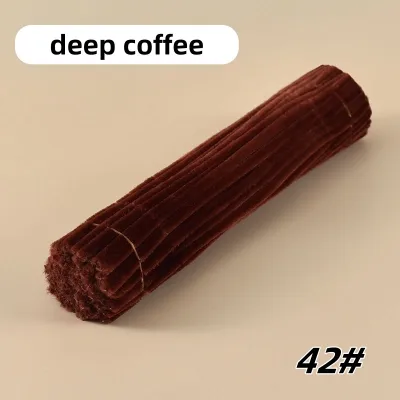
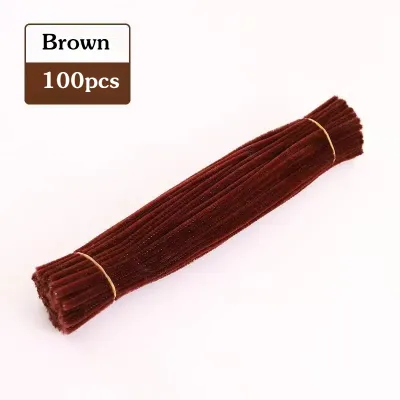
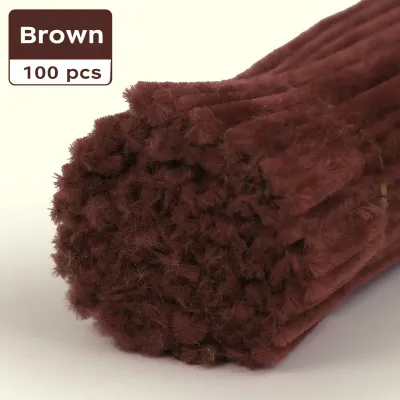
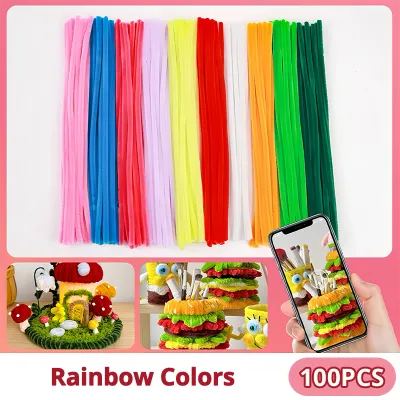
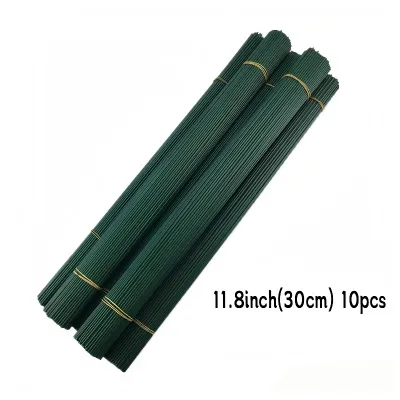
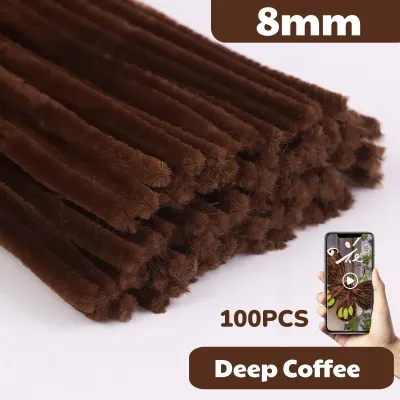
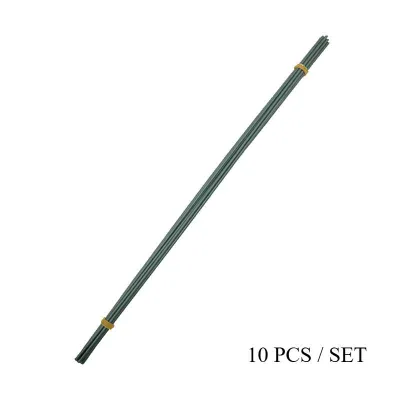
Prices are valid at publication and may change. Please refer to the product page for the latest price.
Fiber shedding is another critical factor, particularly in closed classroom environments. High-quality stems feature tightly twisted cores that lock the plush fibers in place, preventing them from shedding onto desks, clothes, or into the air where they can cause mild respiratory irritation. Low-grade options often shed their pile rapidly when manipulated, leaving behind bare wire patches and creating a messy cleanup process for teachers after class.
Finally, the thickness of the fuzzy wire must align with the developmental stage of the students. Standard 6mm stems are the most versatile option, offering a comfortable grip for primary school children. Thinner 3mm stems are excellent for detailed work but require more advanced fine motor control and present sharper ends. Jumbo options, ranging from 9mm to 12mm, are ideal for early childhood sensory activities, as they are easy to grasp and lack the structural stiffness that can frustrate younger fingers.
Evaluating Quality: Flexibility, Shedding, and Thickness
To ensure your school supply budget is spent wisely, you must look beyond packaging graphics and evaluate the physical construction of the fuzzy wire. The inner core is typically made of thin, galvanized iron wire. The gauge of this wire determines its structural integrity. A quality stem uses a wire gauge that allows for smooth, continuous bending without snapping, even after being twisted and untwisted multiple times. If the metal is of poor quality, it will suffer from metal fatigue quickly, snapping during complex construction steps.

The outer plush material is generally made of nylon, polyester, or polypropylene fibers. Polyester and nylon are preferred for school environments because they are soft to the touch, hold vibrant dyes well, and bond effectively with standard school adhesives like white glue or multi-purpose craft glue. Polypropylene fibers can feel somewhat scratchy and may resist water-based glues, making them less suitable for projects that require securing elements together with adhesive.
Before purchasing a large quantity of fuzzy wire for the school year, you can perform two simple, low-risk tests on a sample piece to verify its quality:
- The "Bend and Release" Test: Bend a single stem into a tight "U" shape, press the bend flat with your fingers, and then straighten it out. A high-quality wire will bend cleanly without the metal core fatiguing or snapping, and the plush fibers should remain evenly distributed around the bend. If the wire snaps or the fibers bunch up to expose the bare metal core, the batch is too brittle or poorly wound for classroom use.
- The "Rub Test": Hold one end of the fuzzy wire firmly and slide two fingers down its entire length with moderate pressure. A minor dusting of loose fibers is normal for any chenille stem, but if entire clumps of fluff slide off the wire core, the winding tension is insufficient. Avoid these high-shedding options, as they will quickly become bald during student use.
Fuzzt Brand vs. Standard Chenille Stems: Use Cases and Limits
Evaluating Fuzzt Product Lines
Fuzzt wire products are popular choices in many structured art curricula due to their specialized product lines and consistent manufacturing standards. When evaluating Fuzzt brand options, pay close attention to the packaging labels to identify pre-cut lengths, specific color assortments, and specialized textures. Some Fuzzt product lines feature unique variations, such as bumpy or wavy stems, metallic tinsel finishes, and multi-tonal color gradients that can add visual depth to student projects without requiring advanced twisting techniques.
Always verify the age recommendations and material safety certifications printed on the Fuzzt packaging. Because these products often cater to specific craft niches, some lines may contain stiffer wire cores or metallic fibers that are unsuitable for younger children. Cross-reference the exact specifications on the label—such as the length (typically 30cm) and diameter—with your lesson plan requirements to ensure you do not purchase highly specialized stems for basic, high-volume classroom activities.
Sourcing Standard Bulk Chenille Stems
Standard bulk chenille stems, typically sold in unbranded packs of 50 to 500 pieces, are the most economical option for schools and large art classes. These are widely available in standard 6mm and thin 3mm sizes. The primary advantage of bulk packaging is the low cost per piece, which allows teachers to provide ample material for open-ended creative play and large-scale classroom decorations without exceeding tight school budgets.
However, generic bulk packs come with distinct trade-offs in quality control. You may encounter inconsistent wire centering, where the plush fibers are thicker on one side of the metal core than the other, making the stem look uneven. Additionally, bulk packs can suffer from varied lengths within the same bag and higher overall shedding rates. To mitigate these risks, always order a single sample pack from your supplier to test the flexibility and shedding before committing to a large bulk purchase for the entire school term.
Project Matching: Which Specifications Fit Your Art Activity?
Matching the physical specifications of your fuzzy wire to the specific requirements of your art project prevents student frustration and ensures the structural success of their creations. A project that stands upright requires a completely different wire stiffness than a project designed to be worn around a child’s wrist.
The following comparison table outlines how to match common classroom art projects with the appropriate fuzzy wire specifications based on material properties and student capabilities:
| Art Project Type | Recommended Thickness | Core Wire Flexibility Requirement | Best Material Type |
|---|---|---|---|
| 3D Sculptures & Animals | 6mm to 9mm (Jumbo) | High stiffness (thick core) | High-density polyester |
| Wearable Jewelry (Crowns, Rings) | 6mm (Standard) | Very high flexibility (soft core) | Soft nylon or plush polyester |
| 2D Canvas Outlines & Borders | 3mm (Thin) | Moderate flexibility | Dense, short-pile polyester |
| Holiday & Festive Ornaments | 6mm to 12mm | Moderate flexibility | Metallic tinsel or striped wire |
| Sensory & Fine Motor Play | 9mm to 12mm (Jumbo) | Low stiffness (very soft core) | Ultra-plush polyester |
When implementing these recommendations, adjust your choices based on the age of your students. For younger children (ages 4 to 7), stick to 6mm standard or jumbo sizes. These sizes are easy to grip and manipulate, and the softer wire cores prevent hand fatigue. For older students (ages 8 and up), combining 3mm and 6mm wires allows them to learn advanced sculpting techniques, such as wrapping thin wire around a thicker structural base to create detailed textures.
Purchasing Logistics: Pack Sizes, Colors, and Humid-Climate Storage
To manage your classroom inventory efficiently, begin by calculating your material needs based on class size and project complexity. For basic 2D outlining or simple flat shapes, budget approximately 3 to 5 stems per student. For complex 3D modeling, such as building animals or flowers, budget 10 to 15 stems per student. Always add a 15% waste margin to your total calculation to account for cutting mistakes, practice pieces, and accidental damage during the construction process.
Color selection should also align with your curriculum goals. Assorted color packs are highly effective for open-ended creative sessions where students are encouraged to choose their own palettes. However, assorted packs often result in an excess of less-popular colors (such as brown, black, or grey) and a shortage of highly sought-after primary colors. For structured, seasonal projects—such as green stems for Christmas crafts or orange stems for autumn themes—it is far more cost-effective to purchase single-color bulk packs to ensure every student has access to the necessary materials.
Managing fuzzy wire in the tropical, humid climate of the Philippines requires specific storage practices. High relative humidity can cause the exposed iron core at the cut ends of the wire to rust rapidly. This rust can weaken the structural integrity of the wire and bleed into the plush fibers, staining the material and ruining stored inventory. Furthermore, natural or synthetic fibers stored in damp, unventilated school closets can absorb moisture from the air, leading to a musty odor or mold growth.
To protect your fuzzy wire inventory from humidity and dust, implement the following storage protocols:
- Use Airtight Containers: Store all fuzzy wires in clear, airtight plastic utility boxes or heavy-duty zip-top storage bags. This keeps moisture out and allows you to easily identify colors and sizes without opening the containers.
- Incorporate Silica Gel Packets: Place several food-grade silica gel desiccant packets inside each storage container to actively absorb any ambient moisture trapped inside.
- Elevate Storage: Keep your storage containers off classroom floors and away from damp concrete walls, where moisture levels are typically highest.
- Organize to Prevent Crushing: Store the stems flat or vertically in divided compartments. Avoid cramming too many pieces into a single container, as this will crush and flatten the plush pile, permanently ruining the texture of the wire.
Classroom Safety: Managing Sharp Ends and Cutting Tools
While fuzzy wire is generally a safe and highly approachable craft material, the inner metal core poses minor physical hazards if not handled correctly. The ends of a cut fuzzy wire consist of two twisted steel or iron wires that are sharp and needle-like. These exposed ends can easily scratch sensitive skin or poke fingers and eyes if students wave them around during construction.
To maintain a safe classroom environment, establish strict protocols for cutting fuzzy wire. Never allow students to use standard plastic or metal school scissors to cut these materials. The steel wire core will quickly nick, dull, and ruin the blades of paper scissors, rendering them useless for future classroom activities. Instead, teachers should use dedicated flush cutters, wire snips, or heavy-duty utility shears to pre-cut the wires to the required lengths before distributing them to younger students.
If older students are permitted to cut their own wire, they must use small, dedicated craft wire cutters under direct adult supervision. Train students to point the wire downward toward the table when cutting to prevent small, severed wire fragments from flying into the air and causing eye injuries.
For younger students, you can easily minimize the risk of scratches by capping or concealing the sharp metal ends. Teach students to fold the sharp end of the wire backward by about 5mm using a small pair of needle-nose pliers, or simply bend the tip inward so that the sharp point is buried deep within the plush body of the stem. Alternatively, you can slide a plastic pony bead over the cut end and secure it with a small dab of non-toxic craft glue, creating a smooth, safe finish that also adds a decorative element to the project.
Always check the manufacturer’s packaging for specific age recommendations and safety warnings before introducing fuzzy wire to the classroom. Most standard fuzzy wires are rated for children aged 3 and older under adult supervision. Be mindful that small cut pieces of wire and decorative beads used to cap the ends can present a choking hazard for very young children, making active supervision essential during every art session.
Frequently Asked Questions (FAQ)
Can standard school scissors cut fuzzy wire?
No, standard school scissors should not be used to cut fuzzy wire. The inner core of the wire is made of iron or steel, which is much harder than the paper and cardboard that school scissors are designed to cut. Attempting to cut the metal core will quickly dent, dull, or completely ruin the blades of paper scissors. Always use dedicated wire cutters, flush cutters, or heavy-duty craft shears to cut fuzzy wire safely and preserve your classroom tools.
How do I minimize fiber shedding during art class?
To minimize fiber shedding, select high-density polyester or nylon stems and avoid excessive twisting, pulling, or rubbing during the crafting process. Before distributing the wires to students, you can gently shake the bundle outdoors to release any loose fibers left over from the manufacturing process. To manage mess in the classroom, keep a damp microfiber cloth or a lint roller at each work table to quickly gather stray fibers from desks and clothing before they spread.
What age group is fuzzy wire appropriate for?
Fuzzy wire is generally appropriate for children aged 3 and older under close adult supervision. While the outer plush material is soft and safe, the sharp metal ends of cut wires can pose a scratching hazard, and small, cut-off pieces can be a choking hazard for toddlers. Always check the specific age rating on the manufacturer’s packaging, and ensure that younger children are taught how to fold or cap the sharp ends to prevent minor injuries.
Community discussion
Share your experience or ask a question. Comments are reviewed before publication.