
Finding the right art supplies for school projects in the Philippines requires balancing cost, durability, and versatility. For hands-on assignments like three-dimensional modeling, diorama building, and creative crafts, high-quality fuzzywire sets—often referred to as pipe cleaners or chenille stems—are indispensable tools. The ideal sets feature a dense, non-shedding synthetic pile wrapped securely around a flexible, rust-resistant iron core that can withstand repeated bending without snapping.
Selecting the best set involves looking beyond the lowest price tag to evaluate wire gauge, fiber density, and color assortments that match specific classroom curriculum requirements. Because these materials are frequently handled by children, safety and ease of use must also guide your selection process. Understanding how to assess these components will help you secure the best value for your budget while ensuring a frustration-free crafting experience.
How to Evaluate Fuzzywire Quality, Colors, and Value for School Projects
To ensure your craft materials do not fail mid-project, you must first assess the structural integrity of the inner wire core. The core should be made of a flexible yet resilient metal, typically low-carbon steel or iron, that holds its shape firmly after being bent. If the wire is too thin or brittle, it will snap after only a few twists, rendering the piece useless for structural models. You can test this by performing a simple manual bend test: flex the wire into a tight “U” shape and straighten it; a high-quality wire will resist kinking and will not show signs of fracturing at the stress point.
Products mentioned in this guide
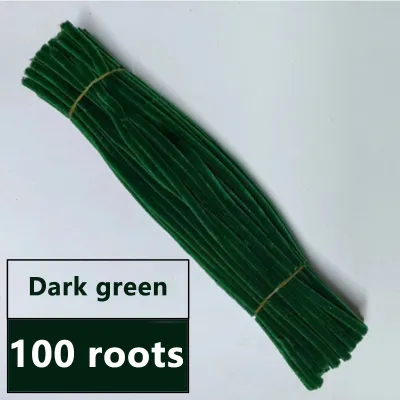

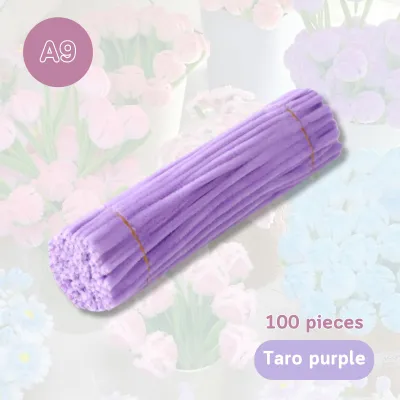
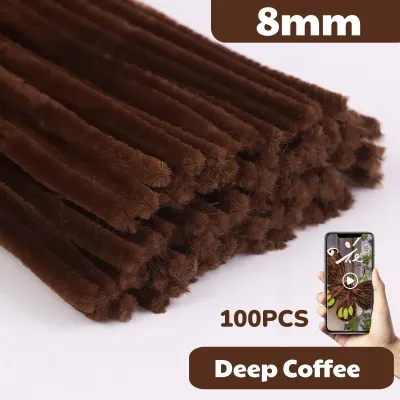
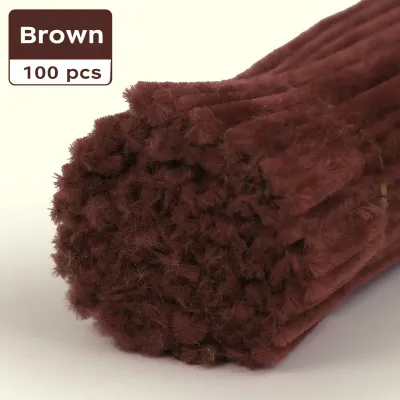
Prices are valid at publication and may change. Please refer to the product page for the latest price.
The second critical factor is the density and security of the surrounding fuzz, which is usually made of polyester or nylon fibers. Low-grade options suffer from poor fiber binding, leading to excessive shedding that leaves a messy trail of lint across school desks and uniforms. To evaluate shedding resistance before committing to a large project, perform a pinch-and-pull test on a sample piece. Grip the fibers firmly between two fingers and pull gently along the length of the wire; if clumps of fiber slide off easily or expose the bare metal core, the set is of inferior quality and will look sparse and untidy when manipulated.
Color selection plays a major role in determining the overall value of a set. While a massive bulk pack of a single color might seem economical, school assignments usually demand a diverse palette to represent different elements, such as green for foliage, brown for tree trunks, or blue for water. Look for multi-color assortments that offer a balanced distribution of primary, secondary, and neutral shades rather than packs dominated by neon or pastel colors that may not fit traditional art themes. If a specific assignment requires a large volume of one color, purchasing single-color bulk packs is more practical than buying multiple assorted packs just to extract a few specific shades.
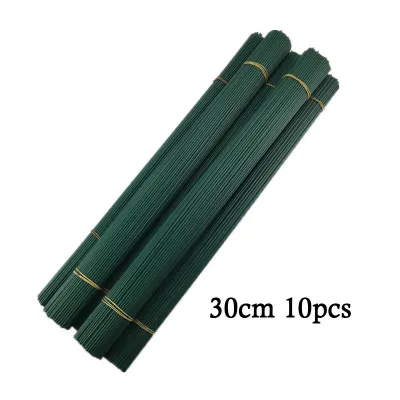
Finally, always verify the physical dimensions of the fuzzy wires in the set. The standard length for school-grade fuzzy wires is 30 centimeters (approximately 12 inches), with a standard diameter of 6 millimeters. Some budget-friendly online listings deceptively label their products as “bulk” or “value packs” while shipping shorter 15-centimeter pieces or ultra-thin 4-millimeter variants. These undersized wires have less surface area, making them difficult for younger students to grip and twist, and they often require twice as many pieces to complete a single standard-sized school sculpture.
Best Fuzzy Wire Set Types for Different Art Assignments
Different classroom projects demand distinct material properties, meaning a single type of fuzzy wire may not suit every assignment. Matching the right wire specifications to the task at hand ensures that students can execute their designs without structural failures or aesthetic issues.

Assorted Color Bulk Packs
Assorted color bulk packs are the most versatile option for general school crafts, serving as the foundational material for color-mixing exercises, basic pattern making, and small-scale dioramas. These packs typically contain between 50 and 100 pieces in a wide spectrum of colors, allowing students to experiment with contrast and color theory without needing multiple separate purchases. They are highly recommended for elementary art classes where assignments are varied and unpredictable.
When choosing an assorted pack, examine the color distribution closely to ensure it includes essential neutral tones. Many standard assortments are heavily weighted toward bright primary colors but lack black, white, brown, and grey, which are crucial for creating realistic animal figures, skeletal structures, or natural landscapes. A well-balanced pack should contain an even split of warm, cool, and neutral tones, allowing the student to complete a realistic science diagram or historical diorama without running out of foundational colors.
Jumbo or Extra-Thick Fuzzy Wires
For larger three-dimensional models, wearable art pieces, or projects that must support the weight of heavy attached materials like cardboard, beads, or clay, jumbo fuzzy wires are the superior choice. These variants typically feature a diameter ranging from 10 millimeters to 15 millimeters, paired with a thicker internal wire gauge. The increased surface area and structural strength make them excellent for building the internal armatures of larger sculptures or creating bold, highly visible outlines in group displays.
While jumbo wires offer excellent stability, they require significantly more hand strength to bend, twist, and cut than standard 6-millimeter wires. For this reason, extra-thick sets are best reserved for older students in intermediate or high school art programs who have developed the fine motor skills and hand strength necessary to manipulate stiffer metal cores. Younger children may find these thicker wires frustrating to work with and may require constant adult assistance to secure their shapes.
Specialty Sets: Neon, Glitter, or Metallic
Specialty fuzzy wire sets featuring neon, glitter, or metallic finishes are designed to provide visual contrast and decorative accents rather than structural support. Glitter and metallic wires utilize shiny plastic tinsel woven into the core, making them ideal for holiday decorations, solar system models, underwater scenes, or festive school posters. Neon sets, on the other hand, offer high-visibility colors that pop under standard classroom lighting, which is useful for highlighting specific pathways in science diagrams or map models.
However, these decorative variants come with specific trade-offs that you must consider before purchasing. Glitter fuzzy wires are notorious for shedding tiny plastic particles, which can easily transfer to skin, eyes, clothing, and classroom floors, creating a cleanup challenge and potential eye irritants for younger children. Before purchasing a glitter set, check user feedback to ensure the tinsel is tightly bound to the wire core, and consider saving these specialty materials for older students or specific accent details rather than using them as the primary construction material.
What to Verify Before Buying Fuzzy Wires Online or In-Store
Sourcing art supplies in the Philippines often involves navigating a mix of local stationery shops, bulk markets, and online e-commerce platforms. To avoid receiving low-quality materials that can ruin a school project, you must approach your purchase with a clear verification checklist.
First, always calculate the price-per-piece of the set rather than relying on vague marketing terms like “super value” or “mega pack.” To do this, divide the total price of the pack by the exact number of pieces included. For example, a pack of 100 standard wires priced at ₱60 equates to ₱0.60 per piece, which represents excellent value for standard school projects. Comparing products using this metric prevents you from overpaying for fancy packaging or deceptive listings that offer fewer pieces for a higher overall price.
Second, carefully read user reviews and seller ratings, paying close attention to complaints regarding product degradation. In the highly humid tropical climate of the Philippines, low-grade iron wire cores that lack protective coatings are highly susceptible to rusting while sitting in storage warehouses. Rust not only weakens the structural integrity of the wire, causing it to snap easily, but it can also seep through the polyester fibers, leaving ugly orange-brown stains on the outer fuzz and transferring onto students’ hands and school uniforms. Look for reviews that confirm the wires arrived clean, dry, and free of metallic odors or rust spots.
Third, prioritize safety by checking the packaging for non-toxic or child-safe certifications, such as EN71 or ASTM D-4236 standards. This is particularly important if the fuzzy wires are intended for younger children in kindergarten or early primary school, who frequently touch their faces, mouths, or food while crafting. Certified non-toxic sets ensure that the synthetic dyes used to color the fibers do not contain harmful chemicals or heavy metals that can transfer to the skin during prolonged handling.
Finally, if you are purchasing your craft supplies online, take a moment to verify the seller’s return and refund policies. Online listings can sometimes feature highly saturated, digitally altered images that make the colors appear much more vibrant than they are in reality, or they may misrepresent the thickness of the pile. A flexible return policy ensures that if the product arrives with sparse fuzz, incorrect dimensions, or damaged packaging, you can easily exchange it or secure a refund before the school project deadline arrives.
Safe Handling, Cutting, and Storage Tips
Proper handling and storage not only protect students from minor injuries but also extend the lifespan of your fuzzy wire sets, ensuring they remain in pristine condition for future assignments.
When it comes to cutting fuzzy wires, using the correct tool is essential for preserving your equipment. Never allow students to use standard school scissors or delicate paper-cutting shears to cut through the metal cores of fuzzy wires. The hard steel or iron wire will instantly nick, dull, or misalign the blades of paper scissors, rendering them useless for cutting paper or fabric. Instead, always use dedicated wire cutters, jewelry snips, or a pair of heavy-duty craft scissors designed to handle thin metals. If these tools are not available, a designated adult should handle all cutting tasks to prevent damage to classroom supplies.
Safety is another critical consideration, especially when working with younger children. Once a fuzzy wire is cut, the exposed metal ends can be incredibly sharp, posing a risk of skin scratches or eye pokes. To mitigate this hazard, teach students to bend the sharp cut ends inward by about half a centimeter using small craft pliers or their fingers, tucking the sharp point back into the soft fiber pile. Alternatively, you can wrap a small piece of clear tape or apply a tiny dab of white craft glue over the exposed ends to create a smooth, protective barrier.
To protect your investment from the damaging effects of high humidity, proper storage is vital. Never store fuzzy wires loose in open cardboard boxes or paper bags, as these materials absorb moisture from the air and accelerate the rusting process of the inner metal core. Instead, store your sets in airtight plastic containers or heavy-duty zip-top bags. Adding a few food-safe silica gel packets—often found in shoe boxes or dried food packaging—into the storage container will help absorb any trapped moisture, keeping the wire cores dry and the synthetic fibers fluffy, vibrant, and ready for the next creative school project.
Frequently Asked Questions (FAQ)
Can I use regular school scissors to cut fuzzy wires?
No, you should avoid using regular school scissors to cut fuzzy wires. The inner core of a fuzzy wire is made of metal, which is significantly harder than the paper or cardstock that school scissors are designed to cut. Attempting to cut through this metal core will quickly dull the blades, create permanent nicks along the cutting edge, and loosen the pivot screw of the scissors. For clean, effortless cuts that preserve your tools, always use flush cutters, jewelry snips, or heavy-duty utility shears. If children are completing the project, an adult should supervise or pre-cut the wires to the required lengths beforehand.
How do I keep large fuzzy wire sculptures from losing their shape?
Large fuzzy wire sculptures often struggle to support their own weight because the standard 6-millimeter wire core is highly flexible. To prevent your structures from sagging or losing their shape, you can twist two or three standard wires together to create a stronger, multi-strand cord. Alternatively, you can use a jumbo-sized fuzzy wire as a central supportive spine, or wrap standard wires around a rigid internal armature made of cardboard, wooden dowels, or thick aluminum craft wire. For securing joints and preventing them from slowly unwinding over time, apply small dabs of quick-drying craft glue, hot glue (with adult supervision), or wrap the connections tightly with floral tape.
Community discussion
Share your experience or ask a question. Comments are reviewed before publication.