
Selecting the right type of glitter for school art projects in the Philippines requires balancing vibrant visual impact with the realities of classroom management and cleanup. While traditional loose glitter delivers the most intense sparkle, its tendency to scatter makes it a challenge in busy environments. For most everyday school assignments, pre-mixed formats like glitter glue and glitter pens offer a far more manageable experience, while specialized tasks like poster presentations benefit from targeted applications of glitter paint or spray.
In Philippine schools, where classrooms often rely on open windows and high-velocity electric ceiling fans to beat the tropical heat, the physical format of your art supplies dictates how smoothly a project will go. A single sudden gust of wind can transform a focused crafting session into a room-wide cleanup disaster. Understanding the unique characteristics of each glitter format allows you to choose the best tool for your child’s specific assignment, ensuring they achieve the desired visual results without leaving a trail of permanent sparkle in their wake.
Evaluating Glitter for School Projects: Key Decision Factors
When choosing the ideal glitter format for a school assignment, several practical dimensions must be weighed to avoid unnecessary stress. The first and most critical factor is the mess level, which refers to how easily the glitter particles escape containment during and after application. Teachers managing a classroom of thirty or more students will naturally prioritize high-containment options to keep the workspace orderly, whereas parents supervising a single child at home on a weekend might tolerate a slightly messier format for the sake of creative freedom.
Products mentioned in this guide
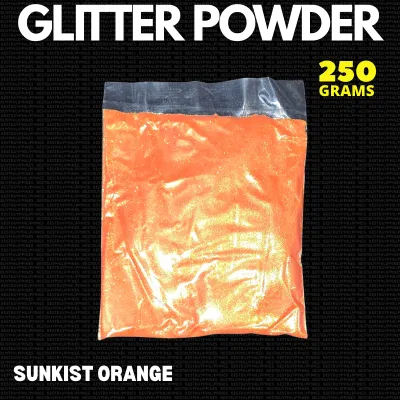
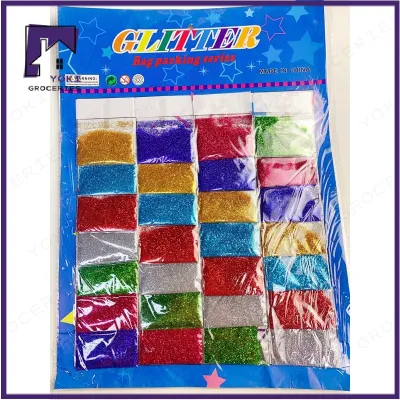
![Arts and Crafrs Glitter Powder 250 grams / 1/4 KILO Glitters [ UNO ]](https://img.lazcdn.com/g/p/8a975dca36d82c3d34b9deb5b737a111.jpg_400x400q80.jpg_.webp)
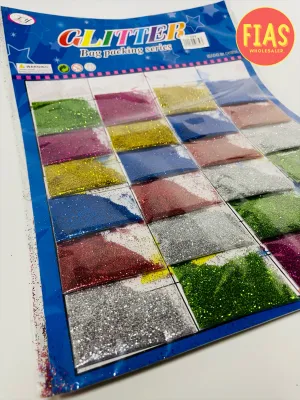
Prices are valid at publication and may change. Please refer to the product page for the latest price.
Precision is another essential consideration, as different art projects require varying levels of detail. Writing out bold titles for a poster assignment demands a tool that offers fine line control, while decorating a large papier-mâché lantern calls for a format that can cover broad surfaces quickly and evenly. Matching the glitter’s delivery mechanism to the scale of the design prevents frustration and ensures the final project looks neat and legible.
Drying time is a factor that is frequently overlooked but highly critical, particularly under the humid conditions characteristic of the tropical climate. Water-based adhesives and thick glitter gels take significantly longer to cure in high humidity, which can delay the completion of a project. If an assignment must be packed into a backpack for school the next morning, selecting a fast-drying or completely dry glitter format prevents the artwork from smudging or sticking to other schoolbooks.
Finally, safety and age-appropriateness must guide every purchase. Younger children in kindergarten or primary grades are prone to rubbing their eyes or touching their mouths during art class, making loose, sharp-edged craft glitter a potential hazard. For these age groups, self-contained or washable formulas are highly recommended. Always inspect product packaging for reputable safety certifications, such as the AP Non-Toxic seal, rather than relying on generic “safe for kids” claims on unbranded craft supplies.
Top Glitter Formats for Art Assignments: Pros, Cons, and Best Uses
Loose Glitter and Shaker Bottles
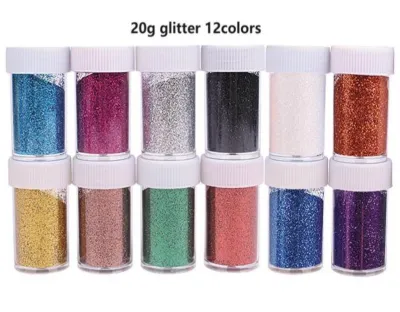
Loose glitter represents the traditional crafting standard, consisting of individual, dry metallic or plastic particles packaged in jars, packets, or bottles. This format offers the highest sparkle density and the most vibrant color payoff because the particles are not suspended in a dulling liquid medium. It is highly versatile, allowing students to mix it directly into custom paint batches, sprinkle it over wet school glue, or use it for tactile sensory bins in early childhood education.

Despite these aesthetic advantages, loose glitter carries the highest mess level of any format on the market. The tiny, lightweight particles are highly susceptible to static electricity and air currents, sticking to hands, clothing, desks, and floors with remarkable persistence. In a typical classroom cooled by oscillating fans, managing loose glitter requires constant vigilance and structured containment strategies to prevent it from spreading across the entire room.
This format is best suited for large-scale coverage where high visual impact is required, such as creating backgrounds for science fair display boards, decorating three-dimensional dioramas, or coating large holiday ornaments. It is also excellent for supervised group projects where a dedicated crafting zone can be established and cleaned immediately.
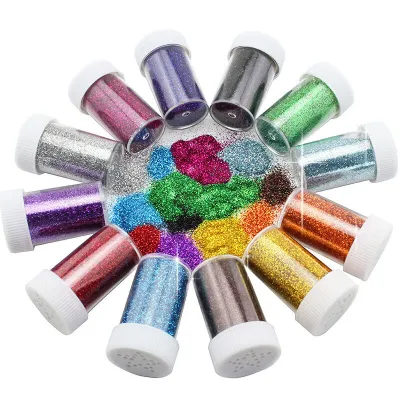
When purchasing loose glitter, avoid open-mouth jars or cheap plastic packets that must be snipped open, as these are highly prone to catastrophic spills. Instead, look for glitter packaged in sturdy shaker bottles featuring adjustable sifter caps. These caps allow students to control the flow of the glitter, dispensing small, targeted amounts rather than dumping the entire contents at once.
Glitter Glue and Gel
Glitter glue and gel combine adhesive and sparkling particles into a single, pre-mixed liquid formula, eliminating the need to apply separate school glue before adding glitter. This format provides a moderate mess level because the glitter remains suspended within the wet adhesive, preventing it from airborne scattering during the application process. It allows students to draw raised, glittering lines and shapes directly onto their workpieces with excellent control.
The primary drawback of glitter glue is its prolonged drying time, which is further exacerbated by high relative humidity. Thick applications of glitter glue can remain wet for several hours, and if the project is packed away too quickly, the adhesive can transfer to other surfaces or cause the paper to stick together. Additionally, the high water content in these glues can cause thin paper, such as standard bond paper or lightweight colored construction paper, to warp, wrinkle, or tear.
Glitter glue is ideal for decorating thicker cardstock, creating handmade greeting cards, embellishing papier-mâché projects, and adding textured details to scrapbooks. It is also highly effective for bonding small craft items, like sequins or felt shapes, while simultaneously adding a touch of sparkle to the surrounding area.
When shopping for glitter glue, prioritize washable formulas that can be easily cleaned from school uniforms and skin with simple soap and water. Additionally, examine the nozzle design of the bottle; fine, clog-resistant tips are preferable as they prevent the glue from drying out inside the opening and forming stubborn clumps that block the flow.
Glitter Spray and Paint
Glitter spray and brush-on glitter paint are designed for rapid, broad-surface application, utilizing either an aerosol propellant or a liquid acrylic base to distribute sparkle over large areas. These formats allow students to achieve uniform coverage without direct hand contact with loose glitter particles, making the application process relatively clean for the user’s hands. They are excellent for transforming plain cardboard or wood into shimmering surfaces in a matter of minutes.
However, glitter sprays carry a high risk of overspray, where a fine mist of adhesive and glitter drifts onto unintended surfaces, clothing, or nearby classmates. Because of the chemical propellants and strong odors associated with aerosol sprays, they must be used exclusively in well-ventilated outdoor areas and are generally unsafe for younger children to operate without direct adult supervision. Brush-on glitter paints are safer for indoor classroom use but still require protective table coverings to prevent permanent staining of desks.
These formats are best utilized for large-scale school projects, such as painting stage props for school plays, coating large science fair backdrops, or decorating extensive holiday displays. They are also useful for refreshing old school projects or adding a quick, even shimmer to dried clay sculptures.
Before purchasing, verify that the glitter spray or paint is water-based and explicitly labeled as non-toxic, especially if it will be used by students. Ensure your workspace is prepared with ample drop cloths, newspapers, or recycled cardboard sheets to catch any overspray or accidental paint drips before they adhere to school property.
Glitter Pens and Craft Sticks
Glitter pens, gel pens, and solid craft sticks represent the absolute cleanest and most precise glitter delivery systems available. These tools contain glitter particles suspended in a stable, fast-drying ink or solid wax base, allowing students to write, draw, and color with the same ease as a standard ballpoint pen or crayon. They are completely self-contained, highly portable, and fit easily into standard school pencil cases without any risk of leaking or spilling.
While they excel at neatness, glitter pens are highly inefficient for covering large areas, as their fine tips are designed strictly for detailed work. The visual payoff is also significantly subtler than that of loose glitter or thick glitter glue, as the smaller particle sizes required to pass through pen tips produce a delicate shimmer rather than a bold, chunky sparkle. Additionally, blending colors is difficult with this format, limiting creative options for gradient designs.
Glitter pens are the perfect choice for outlining letters on poster boards, journaling, detailing small illustrations, and completing independent art assignments where mess must be kept to an absolute minimum. They are especially popular among older students for decorating notebook margins and customizing study notes.
When selecting glitter pens, check the tip size to ensure it matches the student’s needs, opting for broader tips (such as 1.0mm or larger) for bolder lines and finer tips for detailed writing. Look for designs with secure, click-on caps or retractable mechanisms to prevent the ink from drying out prematurely in warm climates.
Quick Comparison Matrix: Mess, Precision, and Drying Time
To help you select the most appropriate tool for your child’s next art assignment, the following comparison matrix summarizes the practical characteristics of each glitter format. Use this table to match the requirements of the project with your tolerance for cleanup and the available drying time.
| Format | Mess Level | Precision | Drying Time | Best For | Cleanup Difficulty |
|---|---|---|---|---|---|
| Loose Glitter | High | Low | Instant (Dry) | Large backgrounds, dioramas | Hard |
| Glitter Glue | Moderate | Medium | Slow | Greeting cards, cardstock | Medium |
| Glitter Spray | Moderate | Low | Fast | Stage props, display boards | Medium |
| Glitter Pens | Low | High | Very Fast | Outlining, writing, detailing | Easy |
By analyzing these variables before starting a project, you can avoid common crafting pitfalls, such as ruined paper or hours spent sweeping up stray particles.
Safety Checks and Storage Tips for Humid Classrooms
Understanding the difference between cosmetic-grade and craft-grade glitter is essential for student safety. Craft-grade glitter is typically manufactured from PVC or PET microplastics and cut into shapes with sharp, angular edges that can scratch the cornea if rubbed into the eyes. It should never be applied to the skin, face, or near the eyes. Always check the packaging for clear safety labels, verifying that the product is certified non-toxic and free from heavy metals or harmful plasticizers before allowing students to use it.
High humidity levels can significantly prolong the drying time of water-based adhesives. If a project is sealed inside a plastic folder or backpack while still damp, it can develop mold or mildew, ruining hours of hard work. Similarly, moisture in the air can clog the nozzles of aerosol glitter sprays, causing them to sputter or stop working entirely.
To prolong the shelf life of your glitter products under humid conditions, practice proper storage habits. Store glitter glue bottles upside down so that the adhesive remains near the tip, preventing air pockets from drying out the nozzle. Always wipe the tips of glitter pens and glue bottles with a clean cloth before capping them tightly. Keep all glitter formats in a cool, dry cabinet away from direct sunlight, as prolonged heat can fade the vibrant colors of the glitter and degrade the adhesive bases.
Proven Cleanup Strategies to Contain the Sparkle
The key to a stress-free glitter project lies in proactive containment. Before any bottles are opened, establish a dedicated crafting station by placing a large plastic tray, a shallow cardboard box lid, or a silicone craft mat over the workspace. This simple barrier catches the vast majority of falling glitter particles and prevents them from migrating onto the floor or sticking to the edges of the desk.
When cleaning up dry loose glitter, avoid using standard brooms or vacuum cleaners, as the airflow from these machines can blow the lightweight particles into the air and spread them further across the room. Instead, use a roll of masking tape wrapped around your hand with the sticky side facing out, or a standard lint roller, to lift the particles cleanly from desks, chairs, and clothing. For flat surfaces, a damp paper towel can be used to sweep the glitter into a single pile for easy pickup.
If glitter glue is accidentally spilled onto a desk or floor, act quickly before the adhesive has a chance to cure. Wipe the wet spill immediately using a warm, damp microfiber cloth, which will lift both the glue and the suspended glitter without smearing it across a wider area. If the glue has already dried, gently scrape the hardened residue with a plastic card before wiping the area with a damp sponge.
Proper disposal of glitter waste is crucial for protecting your home plumbing and the environment. Never wash excess glitter or wet glitter glue down the sink, as the plastic particles can contribute to microplastic pollution in local waterways and the adhesive can accumulate inside pipes, leading to stubborn blockages. Instead, scrape all dry and wet glitter waste directly into a trash bin for safe disposal with regular household waste.
Frequently Asked Questions (FAQ)
Is biodegradable glitter a better choice for school projects?
Yes, biodegradable glitter is an excellent, environmentally friendly alternative to traditional plastic-based craft glitter. Usually manufactured from plant-derived cellulose, biodegradable glitter breaks down naturally over time, significantly reducing the accumulation of microplastics in our ecosystems. It performs similarly to standard glitter in terms of sparkle and color, though it may carry a slightly higher price point and offer a slightly softer shine. When purchasing, verify that the product is certified for home composting to ensure it actually degrades without requiring industrial processing facilities.
How do I prevent glitter glue from wrinkling my child's paper?
Paper wrinkling occurs because the water content in glitter glue saturates and expands the wood fibers in thin paper, which then warp as they dry. To prevent this, encourage your child to use heavier paper bases, such as cardstock, poster board, or watercolor paper, which can absorb moisture without losing their shape. Alternatively, apply the glitter glue in thin, controlled lines rather than thick puddles, or use a dry glue stick to create the design first before lightly dusting a small amount of loose glitter over the top.
Can I use regular craft glitter for face painting at school fairs?
No, you should never use standard craft glitter for face painting or any skin applications. Craft glitter is cut into larger, sharper shapes that can cause micro-tears in the skin or serious irritation and injury if they come into contact with the eyes. Furthermore, craft glues and dyes are not formulated or tested for dermatological safety. For school fairs, theatrical performances, or face-painting booths, purchase only products explicitly labeled as cosmetic-grade, body-safe, or face glitter, which are made from softer materials and rounded cuts designed specifically for contact with skin.
Community discussion
Share your experience or ask a question. Comments are reviewed before publication.