
Selecting the perfect greeting card in the Philippines is more than a simple formality; it is a thoughtful gesture deeply rooted in a highly relational culture. Whether you are celebrating a grand milestone, sending warm wishes across the miles, or offering comfort during a difficult time, the design, paper quality, and written words on a card carry immense emotional weight.
To make the right impression, you must balance cultural etiquette with practical stationery choices. In the humid tropical climate of the Philippines, factors like paper weight, ink drying speed, and structural durability are just as important as the visual design. Choosing a card that stands up to the climate while conveying the perfect tone ensures your message remains a cherished keepsake for years to come.
Key Elements of Filipino Greeting Card Etiquette
Greeting cards serve as physical keepsakes in a culture that deeply values close-knit family ties and lifelong friendships. Unlike digital messages that are easily swiped away, physical cards are often displayed on living room cabinets, tucked into photo albums, or stored in memory boxes. Because these cards are kept as long-term mementos, selecting durable cardstock is essential.
Products mentioned in this guide
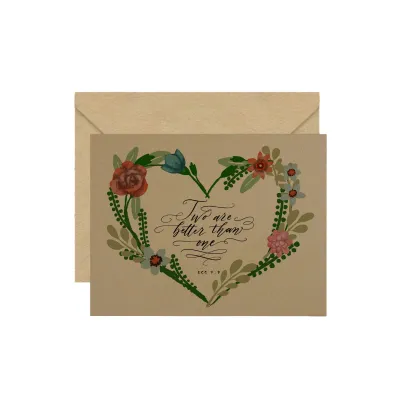
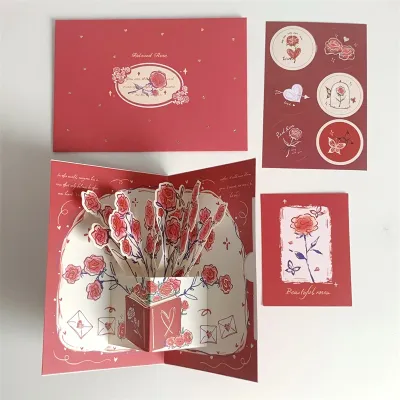
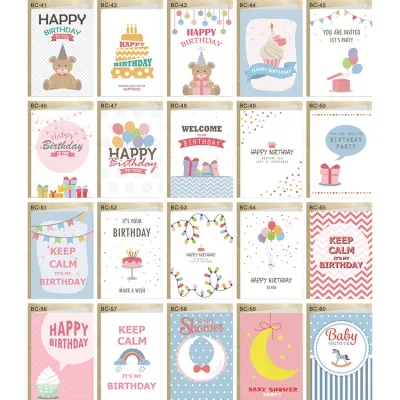
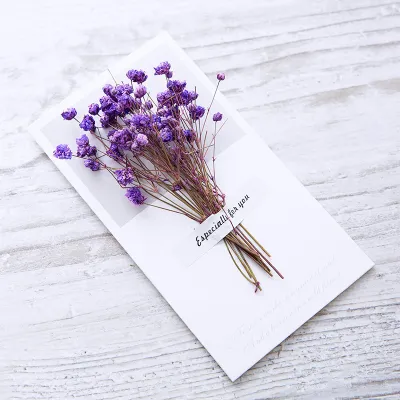
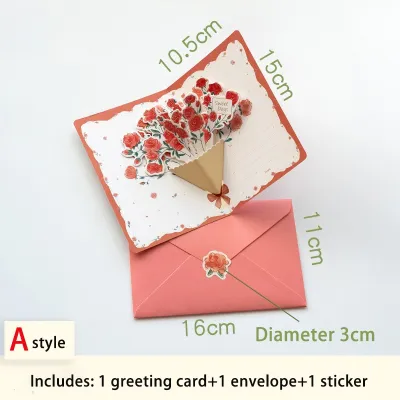
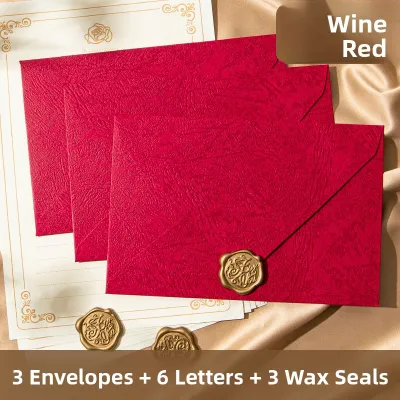
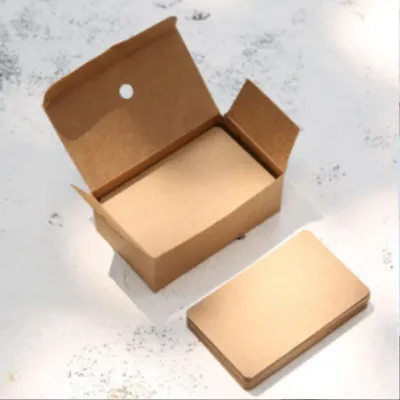
Prices are valid at publication and may change. Please refer to the product page for the latest price.
When writing your message, navigating the language requires a clear understanding of your relationship with the recipient. Standard English is widely used for formal events, professional contacts, and older relatives. For close friends, siblings, and peers, conversational Taglish (a blend of Tagalog and English) offers a warm, natural, and affectionate tone that feels incredibly personal.
Respectful markers are non-negotiable when addressing elders, mentors, or formal acquaintances. Even within the compact space of a greeting card, incorporating “po” and “opo” into your Tagalog or Taglish sentences shows proper respect. When writing in English, maintaining a polite, deferential tone achieves the same cultural expectation.
From a stationery perspective, the high relative humidity in the Philippines presents unique challenges. Thin, low-quality paper easily absorbs moisture from the air, causing the card to warp or limp over time. To prevent this, opt for cards made from heavy cardstock of at least 270 gsm (grams per square meter) to ensure the card maintains its structural integrity.
Your choice of writing instrument also matters when dealing with humid conditions. Water-based fountain pen inks can feather or bleed on untreated paper fibers, and they often take a long time to dry, leading to accidental smudges. Using archival gel pens, fine-liners with pigment-based ink, or quick-drying ballpoint pens ensures your handwritten message remains crisp and legible.
Birthday Cards: Matching the Milestone and the Vibe
Birthdays are major celebratory events in the Philippines, but the design and tone of your card should shift depending on the specific age and scale of the celebration.

Major Milestones (7th Birthdays and 18th Debuts)
A child’s seventh birthday is a highly anticipated event, marking a transition into primary school age. For this milestone, choose vibrant, highly playful card designs. Interactive formats like pop-ups, slide-out tabs, or fold-out elements are incredibly engaging for young children. Look for sturdy construction that can withstand enthusiastic handling, and pair the card with bright, cheerful envelopes.
For an 18th debut, which marks a young woman’s formal transition into adulthood, the aesthetic should pivot toward sophistication. Elegant floral watercolors, delicate gold foil accents, and refined typography are ideal choices. Cards featuring textured papers, such as linen or cotton finishes, add a tactile sense of luxury that matches the formal atmosphere of a debut party.
Casual and Everyday Birthdays
When celebrating the birthdays of friends, colleagues, or siblings, look for humorous, relatable, or minimalist designs. Cards featuring lighthearted Taglish jokes, witty local pop-culture references, or quirky illustrations are excellent for peers. A simple matte finish card with a clean layout allows your personal message to stand out.
For parents, grandparents, or older relatives, choose warm, family-oriented designs. Cards with larger, easily readable typography and classic, elegant illustrations are highly appreciated. Photo-centric cards where you can slide in a printed family photo make excellent keepsakes that older family members will proudly display.
Christmas Cards: Embracing the "Pasko" Spirit
The Philippine Christmas season is famously long, beginning as early as September and stretching into January. Christmas, or Pasko, is centered on family reunions, homecoming, and sharing blessings, making it the most popular time of the year for sending cards.
When selecting a Christmas card, consider the recipient’s household preferences. Traditional religious motifs, such as the Nativity scene (Belenda) or the iconic star-shaped parol lantern, are deeply meaningful for many families. If you prefer a more universal approach, festive secular designs featuring winter scenes, decorated trees, or warm hearths are widely appreciated.
Because many families have relatives working or living overseas, Christmas cards are frequently mailed abroad. Sending cards to Overseas Filipino Workers (OFWs) or relatives in other countries requires careful attention to mailing logistics. Choose standard card sizes, such as A2 (4.25″ x 5.5″) or A7 (5.125″ x 7.25″), which fit easily into standard international mailing envelopes.
To protect the card during long-distance transit, select durable paper stocks of 300 gsm or higher. Pair the card with a thick, opaque envelope that features a secure adhesive seal. If you are shipping cards from the Philippines to colder climates, avoid using heavy wax seals or bulky plastic embellishments, as these can get caught in automated postal sorting machines or crack in freezing temperatures.
Wedding and Anniversary Cards: Elegance and Well Wishes
Weddings and major wedding anniversaries are highly formal occasions that demand premium stationery choices. The card you bring should reflect the beauty and solemnity of the couple’s commitment.
Look for cards crafted from high-quality textured paper, such as linen, cotton, or heavy handmade cardstock. These premium surfaces offer excellent bleed resistance and a smooth writing experience, which is particularly beneficial if you plan to write your message using a calligraphy brush pen or a fountain pen. Classic designs featuring minimalist layouts, elegant embossing, or subtle metallic foil borders are timeless options.
Your written message should strike a balance between modern, personal well-wishes and traditional blessings for a long, prosperous, and faithful marriage. Expressing your excitement for their shared future while honoring the commitment they are making creates a deeply meaningful message.
In the Philippines, enclosing monetary gifts is a common, highly practical tradition at weddings, often presented during the program or placed in a designated gift box. If you plan to give cash (commonly in denominations of ₱500 or ₱1,000 bills), select a card specifically designed for this purpose. Look for cards with built-in inner pockets, secure money slots, or those that come with thick, completely opaque envelopes to keep your monetary gift flat, secure, and discreet.
Sympathy and Condolence Cards: Showing Respect and Comfort
Sending a sympathy card requires strict adherence to traditional etiquette to ensure your gesture offers genuine comfort without causing any unintended offense during a sensitive time.
Color selection is the most critical factor when choosing a condolence card. Stick to a quiet, respectful color palette consisting of pure whites, soft pastels, cream, or muted gray tones. Absolutely avoid bright reds, vibrant yellows, or any festive, high-contrast color combinations, as these are culturally inappropriate for mourning.
Choose subdued, minimalist designs that convey peace and quiet reflection. Simple floral outlines, soft watercolor washes, gentle doves, or plain borders are ideal. Avoid cards with glossy, high-shine coatings or overly ornate, distracting patterns; a soft, matte finish feels much more appropriate and respectful.
Your written message should be gentle, empathetic, and focused on offering comfort, shared memories, and prayers. Keep your tone supportive and respectful of the grieving family’s privacy. To ensure your message remains pristine, use a black or dark blue pigment-based ink that is highly water-resistant, protecting the writing from smudging if the card is handled with damp hands.
How to Personalize and Source the Perfect Card
While a printed card provides a beautiful canvas, the personal touches you add elevate it into a treasured gift.
The Power of Handwriting and Calligraphy
- Writing your message by hand adds a level of sincerity that printed text simply cannot match.
- If you enjoy calligraphy, use a brush pen or a fine-point calligraphy marker to write the recipient's name on the envelope and a short heading inside.
- Always test your pen on a small, hidden corner of the card first to check the drying speed and ensure the ink does not bleed through the paper.
Adding Physical Mementos
- Incorporate a small printed photo of a shared memory inside the card using acid-free photo corners or double-sided tape.
- For flat or fold-out cards, adding a small custom sticker or a flat, pressed flower can make the presentation incredibly unique without adding excessive bulk.
Sourcing Quality Cards Locally
- To find unique designs, explore local stationery boutiques, independent local artisans, and online craft marketplaces.
- Many local creators offer beautiful paper goods made from indigenous materials, such as handmade abaca paper, which features a distinct texture and exceptional durability.
- Supporting local artists allows you to find cards that feature authentic Filipino illustrations, humor, and cultural themes that resonate deeply with local recipients.
Frequently Asked Questions (FAQ)
Is it appropriate to write in Taglish inside a formal greeting card?
Yes, writing in Taglish is perfectly appropriate and often preferred when you are addressing close friends, siblings, classmates, or immediate family members. It creates a warm, natural, and highly affectionate tone that reflects daily conversation. However, for highly formal events like weddings, professional correspondence, or when writing to distant elders, it is best to stick to standard English or proper, formal Tagalog to maintain a respectful and polite tone.
Should I include money or gift cards inside a Filipino wedding or birthday card?
Including cash or gift cards is a highly practical and widely accepted custom in the Philippines, especially for weddings, christenings, and major milestone birthdays like a debut or a 7th birthday. To do this properly, always use a card made of thick, opaque paper stock or one that features a dedicated inner pocket. This ensures the monetary gift remains completely flat, secure, and private until the recipient opens the envelope.
Community discussion
Share your experience or ask a question. Comments are reviewed before publication.