
Selecting the right greeting card with envelope for handwritten calligraphy requires looking beyond beautiful designs and focusing on paper engineering. The best greeting cards for calligraphy feature heavyweight paper—ideally between 250 and 300 grams per square meter (gsm)—that has been treated with internal or external sizing to control ink absorption. Without proper sizing and density, wet calligraphy inks from dip pens, fountain pens, or brush pens will quickly feather into unsightly spiderweb patterns or bleed entirely through to the back of the card.
In tropical climates like the Philippines, where high relative humidity naturally increases the moisture content of paper fibers, selecting high-quality stationery is even more critical. Moist paper fibers expand and become highly absorbent, which accelerates ink spreading. By understanding how paper weight, surface treatment, and fiber composition interact with your writing tools, you can choose card sets that preserve the crisp, elegant lines of your handwritten calligraphy.
Key Features of Calligraphy-Friendly Greeting Cards
To find a greeting card with envelope set that supports wet ink work, you must evaluate the paper’s chemical and physical properties. The most critical factor is paper sizing, which refers to the chemical additives applied during manufacturing rather than the physical dimensions of the card. Sizing regulates how water and ink penetrate the paper. Unsized paper, such as newsprint or blotting paper, acts like a sponge, drawing ink rapidly into its fibers. Calligraphy-friendly cards utilize surface-sized or double-sized papers, which keep the ink on the surface longer. This allows the pigment to dry in a sharp, defined line rather than bleeding into the surrounding page.
Products mentioned in this guide
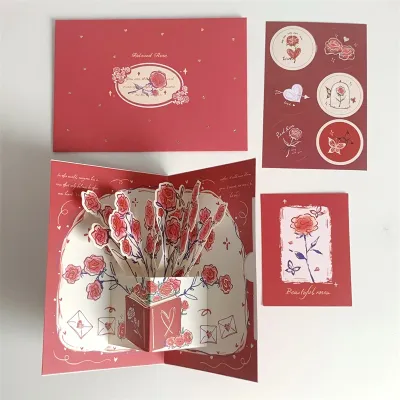
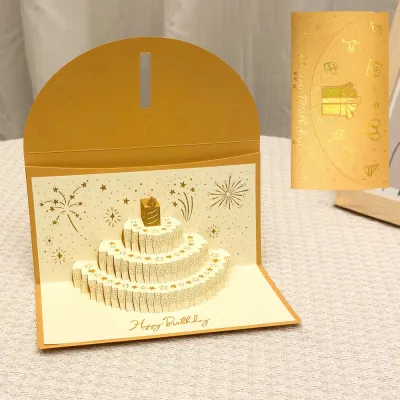

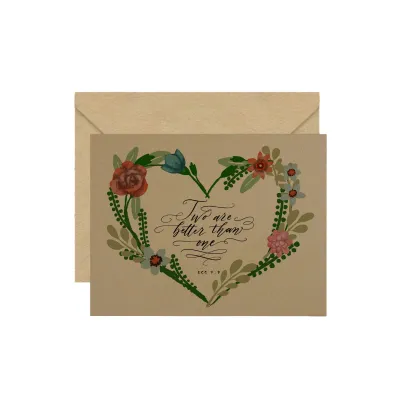
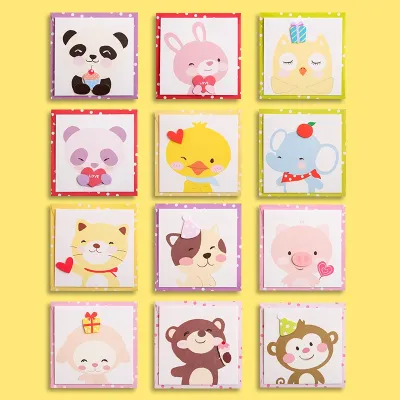
Prices are valid at publication and may change. Please refer to the product page for the latest price.
Surface texture, often referred to as the paper’s “tooth,” is another essential feature that dictates which calligraphy tools you can use. A paper with a rough, textured finish will catch the sharp metal tines of a flexible dip pen nib, causing ink splatters and ruined strokes. Rough textures also cause the delicate nylon or felt tips of brush pens to fray rapidly. For clean calligraphy, look for cards with a smooth, satin, or hot-press finish. These ultra-smooth surfaces allow fountain pens and brush markers to glide effortlessly across the page without snagging or wearing down your tools.
Finally, a premium calligraphy greeting card must be evaluated as a complete system, which means the envelope requires the same level of scrutiny as the card itself. Many manufacturers bundle a thick, high-quality card with a thin, low-grade envelope to save on production costs. If you plan to address your envelopes using handwritten calligraphy, a flimsy envelope will cause your ink to feather and bleed, ruining the recipient’s very first impression. Both the card and the envelope must possess sufficient density and sizing to withstand wet media, ensuring a cohesive and professional presentation from the outside in.
Recommended Paper Types for Handwritten Calligraphy
When shopping for greeting cards, understanding the raw materials used to make the paper will help you predict how it will behave under a wet pen. Different paper manufacturing methods yield distinct surfaces, each suited to specific calligraphy styles and tools.

100% Cotton Paper Cards
Cotton paper, often referred to as rag paper, is made from cotton linters or textile scraps rather than wood pulp. This material is highly prized by calligraphers for its luxurious, soft texture and outstanding durability. Because cotton fibers are naturally longer and stronger than wood fibers, cotton paper can absorb substantial amounts of water and ink without warping, buckling, or disintegrating.
Most high-quality cotton cards are naturally acid-free and archival, meaning they will not yellow, become brittle, or degrade over decades. This makes them the premier choice for keepsake greetings, such as wedding invitations, milestone anniversaries, or formal holiday cards. When using dip pens with heavy metallic inks, gouache, or traditional sumi ink, 100% cotton paper provides a rich, tactile depth that cheap wood-pulp papers cannot replicate. However, ensure the product description specifies that the cotton paper is sized for wet media, as unsized cotton paper can still absorb ink too quickly.
Heavyweight Smooth Cardstock
Heavyweight smooth cardstock is the most accessible and versatile option for modern calligraphy. This paper is typically made from highly refined wood pulp that has been calendered—pressed between heavy, heated rollers during manufacturing to create an exceptionally flat, dense surface. When browsing online marketplaces or specialty stationery stores, look for product descriptions that explicitly mention terms like “ultra-smooth,” “satin finish,” or “marker-friendly.”
This paper type is particularly excellent for brush pen calligraphy. The lack of surface texture prevents the delicate synthetic bristles or felt tips of brush markers from catching and fraying, extending the lifespan of your pens. Smooth cardstock also handles water-based and alcohol-based inks exceptionally well, allowing for smooth color blending and gradients. A weight of 250 gsm to 350 gsm provides a sturdy, premium feel, ensuring the card can stand upright on a desk or shelf without bowing under its own weight.
Handmade and Textured Art Papers
For an organic, rustic, or avant-garde aesthetic, handmade papers featuring deckle edges (rough, untrimmed borders) are incredibly popular. Many of these papers incorporate natural plant fibers, such as abaca, cogon grass, or mulberry, which are widely crafted in regional Philippine artisan communities. These papers offer a beautiful, tactile experience that adds a deeply personal touch to a handwritten note.
However, handmade papers present unique challenges for calligraphers. Because they are often produced in small batches using traditional methods, their sizing can be highly inconsistent. Unsized handmade paper will cause standard calligraphy inks to feather instantly. If you choose to use textured handmade cards, you must verify whether the paper has been surface-sized for wet media. If it has not, you will need to adapt your technique by using highly viscous, pigment-based inks—such as thick acrylic ink or gouache mixed with gum arabic—which sit on top of the paper fibers rather than soaking into them. Alternatively, you can prep the paper yourself by dusting it with gum sandarac powder before writing.
Evaluating the Envelopes in Your Greeting Card Sets
An envelope is not merely a protective sleeve; it is an active canvas for your calligraphy. When purchasing a greeting card with envelope set, the envelope’s paper quality must match the card’s standard to ensure successful mailing.
Standard commercial envelopes are typically made from thin 80 gsm to 100 gsm paper. While sufficient for ballpoint pens, these thin papers will easily ghost (show the writing through to the other side) or bleed when subjected to wet fountain pen inks, dip pens, or heavy markers. For calligraphy addressing, look for heavyweight envelopes crafted from at least 120 gsm to 150 gsm paper. These thicker envelopes provide the structural integrity required to survive the postal system while resisting ink penetration.
Another excellent feature to look for is a privacy lining. Envelopes featuring an interior paper or foil lining not only prevent the contents of your card from being read through the paper but also add an extra layer of physical protection. This lining absorbs or blocks any minor ink bleed-through, preventing your calligraphy ink from staining the pristine greeting card resting inside the envelope.
Finally, pay close attention to the quality of the gummed flaps, especially when living in humid tropical regions. Cheap self-adhesive peel-and-stick strips can degrade quickly in high humidity, sometimes losing their adhesive properties or bleeding oils into the paper over time. Traditional moisture-activated gummed flaps are generally more stable for long-term storage. However, high humidity can cause these gummed flaps to prematurely stick together if they are stored in damp drawers. To protect your stationery investment, store your card and envelope sets in an airtight container with silica gel packets to keep the paper dry and the adhesive intact.
How to Verify Paper Quality When Shopping
Because you cannot always touch the paper before purchasing, especially when shopping on online ecommerce platforms, you must learn to decode product specifications and verify quality through targeted research.
First, carefully read the technical specifications provided by the seller. Look for concrete metrics rather than vague marketing terms like “premium quality” or “thick paper.”
- Paper Weight: Ensure the card is at least 250 gsm (or 110lb cover weight) and the envelope is at least 120 gsm.
- Material Composition: Look for "100% cotton," "acid-free," or "archival-grade" to ensure longevity.
- Paper Finish: Seek out words like "hot-press," "smooth," "satin," or "calendered." Avoid "cold-press," "rough," or "textured" unless you are prepared to use specialized thick inks.
Next, leverage customer reviews. Instead of looking only at the overall star rating, use the search function within the reviews to look for specific keywords. Search for terms like “calligraphy,” “fountain pen,” “bleed,” “feathering,” “ink,” or “brush pen.” Stationery enthusiasts and calligraphers frequently leave highly detailed reviews explaining exactly how a specific card set handled different pen and ink combinations, often uploading photos of their ink tests.
If you are planning a large project, such as handmade wedding invitations or bulk holiday greetings that will require dozens of cards, avoid buying bulk boxes immediately. Instead, purchase a single card or a small sample pack from a specialty craft store. Once you receive it, perform a comprehensive ink test using your preferred pen and ink combination.
To perform an ink test:
- Draw a series of thick and thin lines, as well as solid blocks of color, on an inconspicuous area of the card (such as the back or inside crease).
- Observe the edges of the lines under a bright light to check for feathering.
- Turn the card over to inspect for ghosting or bleed-through.
- Note the drying time; papers with heavy surface sizing may cause ink to pool, which requires a longer drying time before the card can be folded or touched.
Frequently Asked Questions (FAQ)
What paper weight is best for calligraphy greeting cards?
For the greeting card itself, the ideal paper weight is between 250 gsm and 300 gsm (approximately 90lb to 110lb cover weight). This thickness provides a rigid, luxurious feel that allows the card to stand upright on display without bending or warping under the moisture of wet calligraphy inks. For the accompanying envelopes, look for a weight of 120 gsm to 150 gsm. Envelopes in this weight range are thick enough to prevent your calligraphy ink from bleeding through or ghosting, ensuring the address remains perfectly legible for postal carriers.
How do I prevent ink from bleeding through the envelope?
To prevent ink from bleeding through your envelopes, swap out thin, dye-based fountain pen inks for thick, pigment-based inks. Pigment-based options, such as acrylic calligraphy ink, traditional Chinese or Japanese sumi ink, or gouache mixed with water, contain solid color particles that sit on top of the paper fibers rather than soaking deep into them. Additionally, you can place a thick piece of scrap cardstock or a plastic writing guide inside the envelope while writing. This acts as a physical barrier, preventing any excess ink from transferring onto the greeting card inside. Finally, applying a light dusting of gum sandarac powder or spraying a light coat of workable fixative onto the envelope before writing can help seal loose paper fibers and prevent bleeding.
Community discussion
Share your experience or ask a question. Comments are reviewed before publication.