
Selecting the right writing tools for a child entering kindergarten is a foundational step in their educational journey. To ensure a smooth writing experience that prevents hand fatigue, the ideal jumbo pencil for kinder should feature a thick triangular barrel of at least 10 millimeters in diameter, a soft and dark graphite core such as 2B or HB, and a high-quality wood casing that resists tropical humidity. These combined elements allow young learners to establish a natural grip, glide across the paper with minimal downward pressure, and build writing confidence without the frustration of frequent lead breakages.
In the Philippines, where early grade school classrooms often utilize distinct paper types like rough newsprint or yellow pads, matching the pencil’s physical characteristics to the writing environment is crucial. A well-designed jumbo pencil acts as a bridge between a child’s developing fine motor skills and the mechanical demands of letter formation. By focusing on ergonomic shapes, appropriate graphite grades, and durable construction, parents and educators can provide a tool that supports physical development while making early writing an enjoyable, frustration-free activity.
Quick Guide: What to Look for in a Kindergarten Jumbo Pencil
Choosing a jumbo pencil for kinder involves understanding that the best option depends on your child’s current hand grip development and the specific paper types used in their classroom. While standard pencils are designed for mature hand muscles, early learners require tools tailored to their physical capabilities. Selecting the right pencil ensures that writing practice remains a positive experience rather than a physical chore.
Products mentioned in this guide
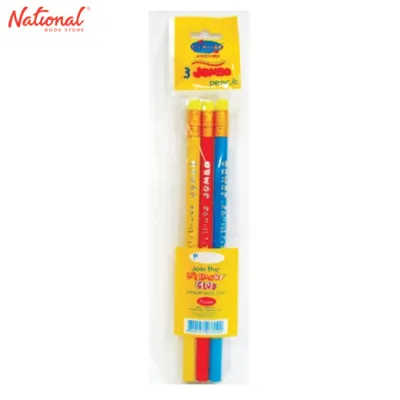
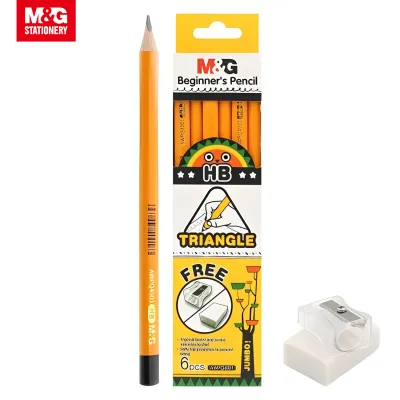
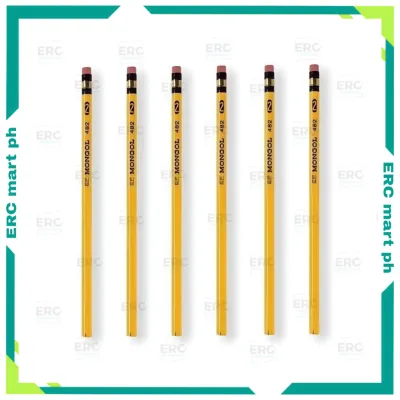
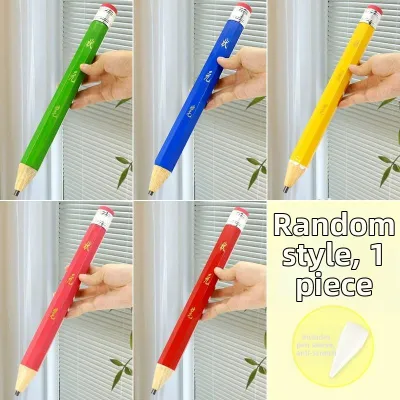
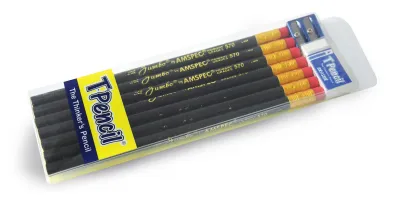
Prices are valid at publication and may change. Please refer to the product page for the latest price.
When evaluating options on e-commerce platforms or in local stationery stores, prioritize three non-negotiable pillars for a smooth writing experience:
- Thick Barrel Diameter: Look for a barrel that measures 10mm or larger. This size provides a generous surface area that accommodates small hands and prevents the tight, cramping grip often caused by thin, standard pencils.
- Soft Graphite Grade: Opt for HB or 2B graphite. Soft cores glide effortlessly across paper, producing clear, dark lines without requiring the child to press down with excessive physical force.
- High-Quality Wood Casing: Select pencils made from premium softwoods like incense cedar. High-quality wood sharpens smoothly without splintering, protecting young fingers and ensuring the graphite core remains fully supported.
While marketing descriptions frequently use terms like “ultra-smooth” or “ergonomic,” always verify the actual graphite grade and exact barrel diameter printed on the packaging. Relying on verified specifications rather than generic promotional labels ensures you select a tool that truly supports your child’s learning.
Why a Jumbo Pencil for Kinder Is Essential for Early Writers
Kindergarteners are at a developmental stage where fine motor skills, hand strength, and finger coordination are still actively maturing. Standard pencils, which typically measure around 7mm in diameter, require highly refined muscle control to hold and guide. When forced to use these thin tools too early, young children often experience rapid hand fatigue, muscle cramping, and physical frustration. This discomfort can lead to a premature dislike of writing and drawing activities.

To compensate for the difficulty of gripping a thin barrel, early writers frequently adopt improper holding techniques, such as the fist grip or a tight, multi-finger wrap. These compensatory grips lock the wrist and restrict the fluid movement of the fingers, making letter formation incredibly difficult. A jumbo pencil for kinder addresses this challenge directly by providing a larger, more forgiving surface area. The increased thickness allows the thumb, index, and middle fingers to rest naturally, encouraging the gradual development of a proper tripod grasp without straining the delicate muscles of the hand.
Beyond the physical benefits, the psychological impact of using an appropriate writing tool is substantial. When a pencil glides smoothly across a yellow pad or notebook page without snapping under pressure, the child experiences immediate success. Eliminating the frustration of constant lead breakage and hand pain allows the child to focus entirely on the cognitive tasks of spelling, letter recognition, and creative expression. A comfortable pencil fosters a positive attitude toward schoolwork, building the confidence necessary for long-term academic success.
Core Features That Define a Smooth and Comfortable Jumbo Pencil
A high-quality jumbo pencil is engineered to balance physical comfort with mechanical reliability. Understanding the technical and ergonomic specifications of these tools allows parents to make informed decisions that go beyond brand names or attractive packaging designs.
Graphite Grade and Core Thickness
The hardness of the graphite core directly dictates how much downward pressure a child must apply to leave a visible mark on the page. For kindergarteners, looking for HB or 2B grades is highly recommended. HB graphite serves as the standard for everyday writing, offering a reliable balance between smooth gliding and point durability. It resists wearing down quickly, which means parents and teachers spend less time sharpening pencils during study sessions.
For children who struggle with weak hand strength or those who are highly sensitive to physical resistance, 2B graphite is an exceptional alternative. Because 2B lead is softer and contains more carbon, it leaves a dark, rich line with minimal physical effort. The primary trade-off is that 2B graphite smudges more easily, particularly on smooth, non-absorbent paper types or under the humid conditions common in the Philippines.
Alongside the grade, the physical thickness of the lead core is vital. True jumbo pencils feature a thick core, typically ranging from 2.5mm to 3mm or more. This substantial core diameter resists snapping under the heavy, unrefined downward pressure that young children naturally apply as they learn to coordinate their movements.
Barrel Shape and Grip Ergonomics
The geometric shape of the pencil barrel plays a critical role in guiding finger placement and maintaining physical comfort during prolonged writing sessions.
- Triangular Barrels: These feature three flat sides that naturally guide a child's fingers into the recommended tripod grip. The flat surfaces act as physical boundaries, making it intuitive for the thumb, index, and middle fingers to find their correct positions without constant verbal correction from an adult.
- Hexagonal Barrels: This traditional six-sided shape prevents the pencil from rolling off slanted school desks, a common source of distraction in busy classrooms. Hexagonal barrels offer multiple resting angles, which can be comfortable for children who prefer to shift their grip slightly as they write.
While some specialty jumbo pencils feature molded rubber grips or pre-carved finger indentations, many educators prefer plain wooden barrels. Standard wooden surfaces allow children to discover their own natural hand placement, avoiding the risk of forcing a specific finger position before the child’s hand is physically ready to adopt it.
Wood Quality and Sharpening Compatibility
The quality of the wood casing surrounding the graphite core is often overlooked, yet it is essential for maintaining the pencil’s usability. High-quality incense cedar or similar premium softwoods are ideal because they sharpen cleanly, shaving away in continuous, smooth ribbons rather than splintering into sharp fragments. Splinter-free sharpening is crucial for keeping young fingers safe and ensuring the wood supports the lead core evenly.
Poor-quality wood or poorly bonded glue can cause the graphite core to shift or break inside the casing during sharpening. This leads to a frustrating cycle where the lead falls out immediately after sharpening, wasting the pencil and causing unnecessary irritation. When shopping, parents can check the unsharpened end of the pencil to verify that the graphite core is perfectly centered within the wood. An off-center core is a primary indicator of poor manufacturing quality and will almost certainly lead to uneven sharpening and frequent breakage.
Jumbo Pencil Profiles: Choosing the Right Type for Your Child
To select the most effective writing tool, it is helpful to categorize jumbo pencils by their structural profiles and design features. This classification helps parents match the pencil’s physical attributes to their child’s specific motor skills and learning environment.
Triangular vs. Hexagonal Barrels
Triangular jumbo pencils are highly recommended for children who are in the very early stages of learning how to hold a writing instrument. The three-sided design provides a clear tactile cue, helping the child understand where to place their fingers without needing constant supervision. This shape is particularly beneficial for home practice, where parents can easily reinforce proper grip habits.
Hexagonal jumbo pencils are better suited for children who have already developed a basic tripod grip but still require a thicker barrel to prevent hand fatigue. The multi-sided shape provides excellent control and prevents the pencil from rolling off desks, making it a highly practical choice for active classroom settings. Choosing between these two shapes should be guided by observing how your child naturally holds a standard crayon or marker.
Pre-Sharpened vs. Unsharpened Options
Pre-sharpened jumbo pencils offer immediate convenience, making them an attractive option for busy parents preparing school supply kits. However, factory-sharpened points are often ground to a very fine, sharp tip. This sharp point is highly susceptible to snapping on the very first stroke when used by a child who has not yet learned to regulate their writing pressure.
Unsharpened jumbo pencils, while requiring initial effort, allow parents to customize the tip length and graphite exposure. By using a manual sharpener, you can create a slightly rounded, blunt point that is much more durable and forgiving of heavy-handed writing. This customized approach can significantly reduce lead breakage during those critical first writing attempts.
Eco-Friendly and Alternative Casing Materials
For environmentally conscious families or schools with sustainability guidelines, jumbo pencils made from alternative materials are increasingly common. These options include pencils constructed from recycled newspaper, rolled paper, or synthetic resins.
- Recycled Paper Pencils: These are often highly durable and offer unique aesthetic designs, but they can be sensitive to humidity. In the tropical climate of the Philippines, high humidity can make rolled paper casings slightly soft, which may affect sharpening.
- Synthetic Resin Pencils: These are highly resistant to splintering when broken, making them exceptionally safe for young children. However, they can be stiffer to sharpen and require high-quality steel blades to ensure a clean cut.
When choosing alternative casing materials, always verify their sharpening compatibility. Some synthetic or recycled materials tend to fray or clog standard sharpener blades, requiring specific blade angles or dedicated sharpening tools to maintain a functional writing tip.
How to Test and Verify Pencil Performance Before Buying in Bulk
Because “smoothness” and “comfort” are subjective experiences that can vary between manufacturing batches, testing a small sample before purchasing a large pack is highly recommended. This verification process ensures that the pencils will perform reliably under real classroom conditions.
- The Paper Test: Test the pencil on the exact paper your child's school uses, such as standard yellow pads, newsprint, or smooth composition notebooks. In the Philippines, high relative humidity can make paper fibers slightly damp and soft, which increases friction. Write several lines to check for scratching, skipping, or excessive smudging. A high-quality jumbo pencil should glide smoothly across the fibers without catching or tearing the paper.
- The Pressure Test: Observe your child as they write or draw with the test pencil. If they naturally press down heavily and the lead snaps repeatedly, the graphite may be too brittle, or the core may be too thin. In this scenario, switching to a softer 2B grade or a pencil with a thicker 3mm core will provide a more durable and forgiving writing experience.
- The Sharpening Test: Take one pencil from the batch and sharpen it completely. Observe the wood shavings; they should peel away in clean, continuous spirals. If the wood splinters, cracks, or crumbles, or if the graphite core breaks off inside the sharpener, the pencil may suffer from poor glue bonding or low-quality wood.
- Specification Verification: Carefully inspect the product packaging to confirm the barrel diameter is at least 10mm. Ensure the product is explicitly labeled for early learners or kindergarteners, rather than being a standard-sized pencil packaged with a separate slip-on rubber grip. True jumbo construction provides a balanced weight distribution that grip accessories cannot replicate.
Maintenance: Keeping Jumbo Pencils Sharp and Intact
Proper maintenance and storage are essential to ensure that jumbo pencils continue to deliver a smooth writing experience throughout the school year. Because of their unique dimensions, these tools require specific care to prevent damage.
First and foremost, jumbo pencils cannot be sharpened using standard pencil sharpeners. They require a dedicated sharpener with an appropriately sized opening, typically measuring between 10mm and 11mm in diameter. Attempting to force a jumbo pencil into a standard opening will shred the wood casing, damage the sharpener blade, and inevitably break the thick graphite core.
When sharpening thick-core pencils, the correct physical technique is crucial for protecting the graphite from structural stress. Instead of holding the sharpener still and twisting the pencil with force, hold the pencil steady and gently turn the sharpener around it. This method minimizes torsional stress on the thick lead core, preventing internal fractures that cause the tip to fall out during use.
Additionally, proper storage is vital for protecting the delicate graphite inside the wooden casing. If jumbo pencils are allowed to roll freely inside a soft backpack pouch, they will repeatedly collide with heavy textbooks and lunchboxes. These impacts can cause the internal graphite core to fracture into multiple pieces, even if the outer wood casing remains perfectly intact. To prevent this hidden damage, store jumbo pencils in a rigid, hard-shell pencil case or a dedicated padded pouch that keeps them secure and cushioned from daily drops and bumps.
Frequently Asked Questions (FAQ)
Can kindergarteners use standard pencils with a rubber grip instead of jumbo pencils?
While slip-on rubber grips can assist with finger placement, they do not replicate the full ergonomic benefits of a true jumbo pencil. Standard pencils remain lightweight and thin, which does not help distribute hand pressure effectively or prevent the muscle fatigue associated with narrow barrels. Standard pencils also feature thin graphite cores that easily snap under the unrefined pressure typical of early writers. A jumbo pencil provides a balanced weight, a thick barrel that naturally reduces grip tension, and a robust lead core designed to withstand heavy-handed use.
What is the best sharpener for jumbo pencils?
The best sharpener for jumbo pencils is a manual, dual-hole sharpener equipped with high-quality carbon steel blades and a dedicated large opening measuring 10mm to 11mm. Look for models that feature a sturdy container to collect shavings and a blade that can be cleaned easily. Avoid using cheap, poorly aligned sharpeners, as a misaligned blade will apply uneven pressure to the pencil, causing the wood to shave unevenly and the thick graphite core to snap inside the chamber.
Community discussion
Share your experience or ask a question. Comments are reviewed before publication.