
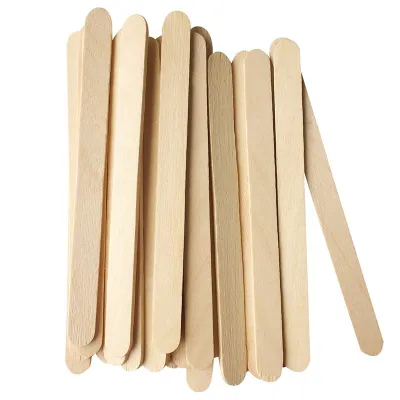
Selecting the ideal components for a school art kit requires balancing educational utility, structural durability, and physical safety. When assembling a versatile art tool set for students, incorporating a popsicle stick big size (commonly referred to as a jumbo craft stick) provides a foundational medium for both artistic expression and early engineering concepts. These oversized wooden tools bridge the gap between simple flat crafts and complex three-dimensional models, offering a tactile experience that standard-sized sticks cannot match.
For teachers, school administrators, and parents compiling art supplies, choosing the right grade of large craft sticks is more critical than it might initially appear. A sub-standard batch can lead to structural failures in student projects, paint bleeding, or even minor physical injuries from splinters. By understanding the key physical properties, material standards, and storage requirements of these wooden components, you can ensure that your classroom art sets are safe, durable, and highly functional.
Why Large Craft Sticks Are Essential for School Art Sets
Standard-sized popsicle sticks have their place in small-scale crafting, but the larger dimensions of jumbo sticks offer distinct developmental and practical advantages in a classroom setting. For younger students, particularly those in kindergarten and early primary grades, fine motor skills and hand-eye coordination are still actively developing. The wider surface area of a large stick allows for a comfortable palmar grasp, making it much easier for small hands to hold, manipulate, and position compared to thin, narrow alternatives.
Products mentioned in this guide
![[LSC] Wooden Popsicle Stick Big (50 pcs)](https://img.lazcdn.com/g/p/482e2c9736e95505afdb092c9b40c844.jpg_400x400q80.jpg_.webp)
Prices are valid at publication and may change. Please refer to the product page for the latest price.
From a structural standpoint, large craft sticks are the backbone of elementary STEM (Science, Technology, Engineering, and Math) activities. When students build bridge models, towers, or historical dioramas, these sticks provide the necessary load-bearing capacity to support weight and resist bending. The increased width allows for stronger joints, as there is more surface area for adhesives to bond, reducing the likelihood of structures collapsing during the drying process.
Furthermore, the generous surface area of a jumbo stick serves as an excellent canvas for various artistic mediums. Students can write legible labels, paint detailed patterns, or apply mixed-media elements like felt, googly eyes, and yarn without running out of space. This makes them highly versatile for creating storytelling puppets, reading pointers, and interactive classroom visual aids.
What to Look For: Sizing, Finish, and Safety Standards
To ensure that your bulk purchase of craft supplies meets classroom expectations, it is helpful to establish a clear quality checklist. Evaluating these physical and safety characteristics beforehand prevents project frustration and ensures a safe learning environment.

Dimensions and Uniformity
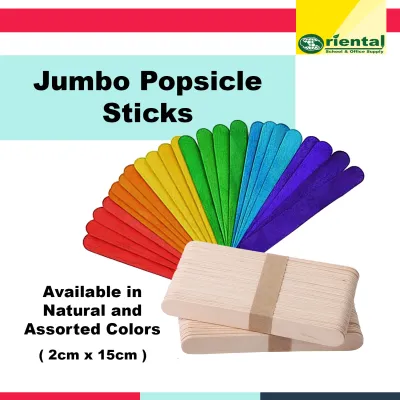
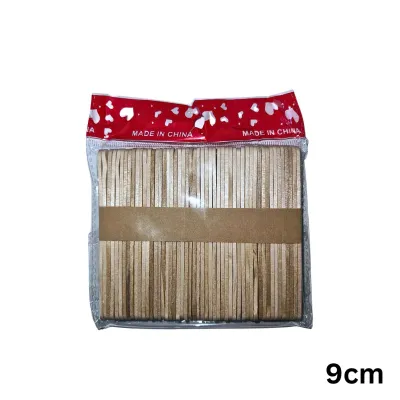
In the school supply market, a standard popsicle stick big size typically measures approximately 150 millimeters (6 inches) in length, 18 millimeters (0.7 inches) in width, and 1.5 to 2 millimeters in thickness. When sourcing these in bulk, look for manufacturing consistency. Uniformity in thickness and straightness is vital; if the sticks vary in thickness or are noticeably bowed, students will struggle to align them flatly for structural builds, leading to unstable joints and uneven surfaces.
Wood Finish and Edge Quality
Safety is paramount when children handle natural wood materials. High-quality craft sticks undergo a thorough tumbling and sanding process during manufacturing to ensure a smooth, splinter-free surface. Examine the edges of the sticks: they should be perfectly rounded and free of loose wood fibers, chips, or sharp corners. A smooth finish not only prevents painful splinters but also ensures that markers and paints glide across the surface smoothly without catching or feathering.
Material Safety and Certifications
Always verify that the wood used is non-toxic and chemical-free. Look for products labeled as “craft-grade” or “food-grade” birchwood, which indicates they have not been treated with harsh chemical bleaches, preservatives, or artificial finishes. The packaging should ideally state compliance with international safety standards, such as ASTM D-4236 (for non-toxic art materials) or EN71. A simple sensory check is also effective: high-quality natural wood sticks should have a mild, clean woody scent, with no trace of strong chemical odors or sour, musty smells.
Durability and Grain Alignment
The strength of a wooden stick is determined by its grain. Look for sticks with straight, tight grain lines running parallel to the length of the wood. Cross-grain cuts or sticks containing large knots are highly prone to snapping under minimal pressure. Adequate thickness (at least 1.5mm) is also necessary to prevent the wood from warping or curling when it absorbs water-based school glues, poster paints, or acrylic mediums.
Recommended Types of Large Popsicle Sticks for Classroom Use
Classroom art projects vary widely, from structural engineering challenges to quick color-sorting games. Sourcing a variety of large craft stick types ensures that your school art tool sets are prepared for any lesson plan.
Standard Jumbo Wooden Sticks for Structural Builds
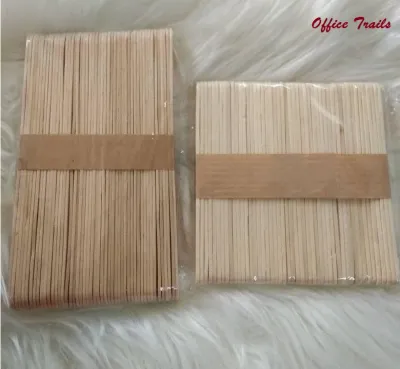
Natural, untreated jumbo wooden sticks are the most versatile option for general classroom use. Because they are free of dyes, coatings, or waxes, their raw fibrous surface is highly receptive to a wide variety of adhesives, including white PVA school glue, wood glue, and low-temperature hot glue. The porous nature of natural birchwood allows the adhesive to penetrate deep into the fibers, creating a strong, permanent bond that is essential for STEM bridges, catapults, and architectural models.
In addition to structural strength, natural wood provides an excellent neutral base for coloring mediums. Students can apply acrylic paints, poster paints, watercolor washes, and permanent markers with predictable results. Because wood is naturally porous, water-based paints dry relatively quickly on these surfaces. When receiving a shipment of standard jumbo sticks, verify their quality by laying a few on a flat table to check for flatness, and bend one slightly to test its flexibility and resistance to snapping.
Pre-Colored Large Sticks for Quick Visual Projects
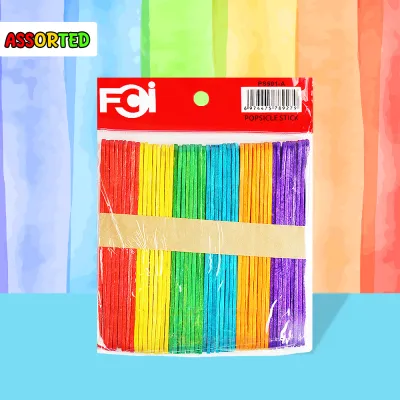
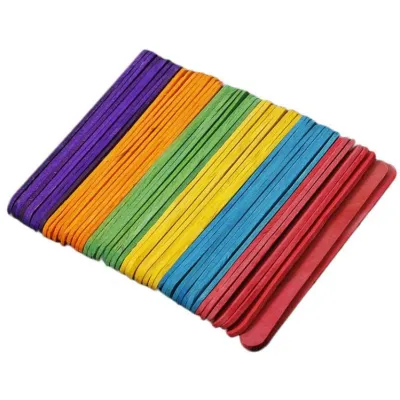
Pre-colored jumbo sticks are dyed during manufacturing, saving valuable classroom time when projects require vibrant colors but have tight schedules. These are ideal for quick crafts, pattern-making exercises, math manipulatives, and color theory lessons. Using pre-colored sticks eliminates the mess and drying time associated with painting, allowing students to complete their projects within a single class period.
When purchasing colored sticks, it is critical to verify their colorfastness to prevent dye from transferring to students’ hands, clothing, or desk surfaces. You can perform an easy classroom verification test: rub a damp white paper towel firmly against a sample stick. If significant color transfers to the towel, the dye is not well-set and may bleed when exposed to sweaty hands or water-based glues. Additionally, keep in mind that some intense dyes or synthetic color coatings can clog the wood’s pores, making standard water-based school glues less effective; in these cases, double-sided craft tape or tacky glue may be required for a secure hold.
Die-Cut and Shaped Jumbo Sticks for Creative Variety
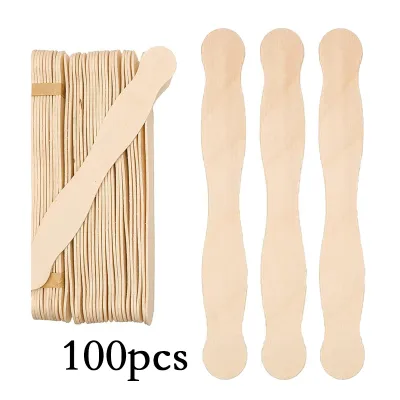
For specialized art tasks and storytelling, die-cut jumbo sticks offer unique profiles that stimulate imaginative play. These sticks may feature scalloped edges, wavy silhouettes, keyhole cutouts, or pre-punched holes. They are exceptionally well-suited for making hand puppets, decorative picture frames, bookmark characters, and festive ornaments, as the pre-shaped borders add instant visual interest.
While highly creative, shaped sticks have structural limitations. The cutouts and narrowed sections that create the unique profiles naturally reduce the overall strength of the wood. Consequently, these sticks should not be used as primary load-bearing elements in structural engineering projects. They are best reserved for flat, decorative, or low-stress assembly tasks where visual appeal is the primary goal.
Storing Wooden Craft Supplies in a Humid Climate
Managing school supplies in a tropical environment like the Philippines presents unique preservation challenges. High relative humidity, particularly during the wet monsoon season from June to October, can severely impact natural wood products. Wood is a highly hygroscopic material, meaning it continuously absorbs and releases moisture from the surrounding air to reach equilibrium with its environment.
When wooden craft sticks absorb excessive atmospheric moisture, they can swell, warp, and lose their structural flatness. More critically, persistent dampness creates an ideal breeding ground for mold, mildew, and fungal growth. Mold not only ruins the appearance of the sticks with unsightly black or gray spots, but it also poses a respiratory health hazard to students in the classroom.
To protect your investment and ensure the longevity of your craft supplies, follow these tropical storage protocols:
- Use Airtight Plastic Containers: Avoid storing bulk wooden sticks in their original cardboard packaging, as cardboard easily absorbs and holds moisture. Instead, transfer the sticks to heavy-duty plastic storage bins equipped with secure, airtight gaskets.
- Incorporate Moisture Absorbers: Place several food-grade silica gel packets or reusable moisture-absorbing canisters inside each storage bin. These active desiccants will draw moisture out of the air within the sealed container, keeping the wood dry.
- Elevate Storage Off the Floor: Never store supply bins directly on concrete floors or against exterior walls, as concrete can transmit ground moisture into the plastic containers. Keep the bins on elevated wooden or plastic shelving units in a well-ventilated room.
- Implement a Routine Inspection Protocol: Before distributing craft sticks to students at the start of a project, conduct a quick visual and sensory check. Inspect the batch for any musty odors, warping, or dark spot discoloration. If any sticks show signs of mold growth, discard them immediately to prevent contamination from spreading to the rest of the supply.
Frequently Asked Questions (FAQ)
Can regular popsicle sticks be used instead of large ones for school projects?
While regular-sized popsicle sticks are suitable for small, lightweight crafts, they are generally inadequate for larger school projects. Standard sticks lack the structural strength and surface area required for robust STEM builds, such as bridges or towers, and can easily warp under the weight of wet glue and heavy paint layers. Additionally, younger students with developing fine motor skills find the wider profile of a large stick much easier to grip, manipulate, and glue securely.
How do I ensure the craft sticks are safe for children to handle?
To ensure maximum safety, purchase craft sticks that are explicitly labeled as non-toxic and made from natural, untreated birchwood. Before distributing them in the classroom, perform a quick physical inspection by running your hand along a few sample sticks to check for splinters, rough edges, or cracked wood. If you encounter minor rough spots on an otherwise good batch, you can quickly smooth them down using a piece of fine-grit sandpaper before handing them to the students.
Community discussion
Share your experience or ask a question. Comments are reviewed before publication.