
Customizing a cherished handbag or restoring a faded luxury heirloom requires specialized colorants that can withstand constant handling, flexing, and environmental exposure. In the tropical climate of the Philippines, where high relative humidity and intense solar heat accelerate wear, using the wrong paint can lead to sticky surfaces, premature cracking, or ruined leather. The best leather paints for bags available locally are specialized acrylic-based leather paints (such as Angelus) for vibrant surface customization, and penetrating alcohol- or water-based leather dyes (such as Fiebing’s) for deep color restoration.
Selecting the ideal product depends entirely on your bag’s material, its current factory finish, and whether you want to paint a detailed artistic design or restore a uniform, classic look. To achieve a professional, long-lasting finish, you must match the colorant to your specific project, prepare the leather surface meticulously to ensure proper adhesion, and apply a compatible protective topcoat to seal the pigment against moisture and friction.
Leather Paint Types: Matching the Colorant to Your Bag Project
Choosing the right leather colorant requires understanding how different formulations interact with the leather substrate. Using an incompatible product can ruin the texture of the bag or cause the color to peel off in sheets. Leather colorants generally fall into three distinct categories, each designed for specific applications, leather types, and aesthetic outcomes.
Products mentioned in this guide
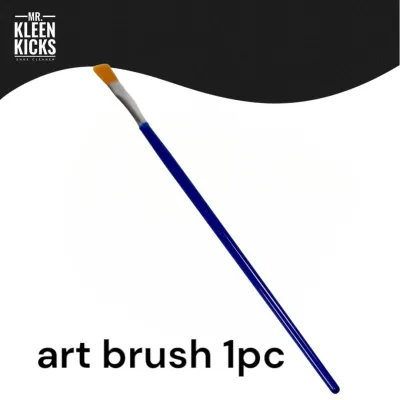
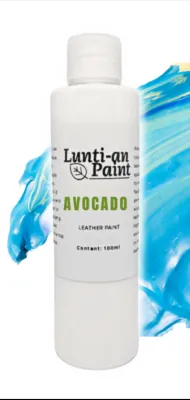
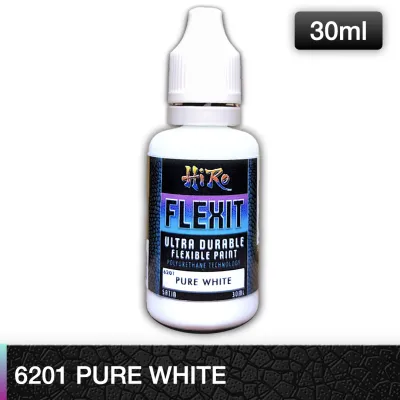

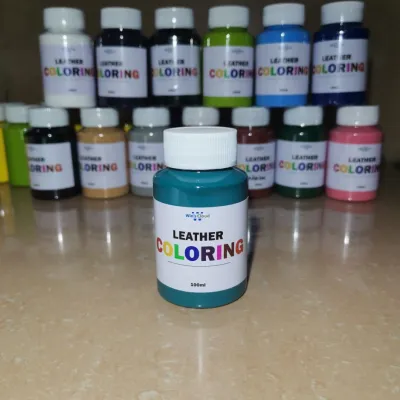
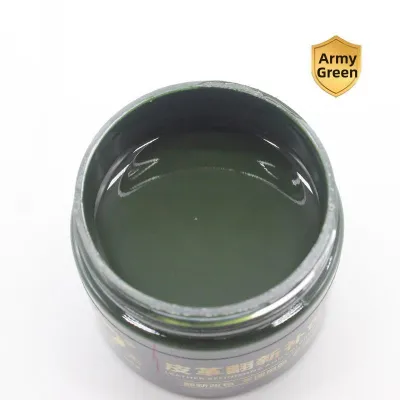
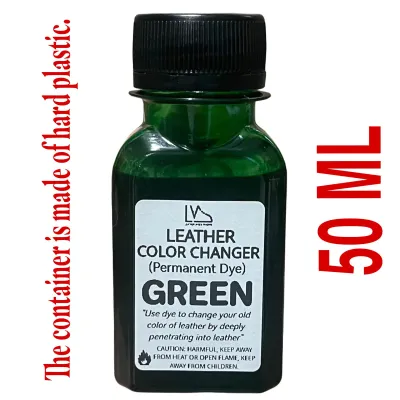
Prices are valid at publication and may change. Please refer to the product page for the latest price.
Acrylic-Based Leather Paints
Acrylic-based leather paints are the industry standard for surface customization, graphic designs, and complete color changes on finished leather. Unlike standard craft acrylics, these paints are formulated with highly flexible acrylic polymers and elastomeric binders that allow the dried paint film to bend, stretch, and compress along with the leather. They are highly opaque, meaning they sit on top of the leather surface and can easily cover dark original colors with lighter shades. This opacity makes them ideal for painting intricate portraits, clean geometric patterns, or bold color blocks on smooth leather handbags, backpacks, and wallets.
Leather Dyes (Alcohol or Water-Based)
Leather dyes are translucent colorants designed to penetrate deep into the porous fibers of unfinished, raw, aniline, or vegetable-tanned leather. Instead of forming a film on top, dyes chemically bond with the protein fibers, preserving the natural grain, texture, and softness of the leather. Alcohol-based dyes offer rapid penetration and rich, vibrant colors, though they can dry out the leather, requiring subsequent conditioning. Water-based dyes dry more slowly and keep the leather softer, making them easier to apply evenly for beginners. Dyes are the premier choice for restoring faded luxury bags, darkening a leather surface, or achieving a deep, organic finish that will never peel or crack.
Oil-Based Leather Paints and Creams
Oil-based leather paints, pigmented creams, and color-restoring balms serve a dual purpose: they nourish dry leather fibers while depositing a subtle layer of pigment. These products are formulated with natural oils, waxes (such as beeswax or carnauba), and fine pigments. They do not provide the high opacity needed for graphic customization or drastic color changes. Instead, they are designed for minor scuff repairs, edge touch-ups, and routine color rejuvenation of classic leather goods. They absorb into scuffed areas to mask wear while conditioning the surrounding leather, making them excellent for maintaining the rich patina of vintage travel bags and briefcases.
Leather Colorant Comparison
To help you determine which colorant type is best suited for your bag project, evaluate their core physical characteristics and optimal use cases:
| Colorant Type | Opacity | Penetration Depth | Flexibility | Best Use Case |
|---|---|---|---|---|
| Acrylic Leather Paint | High (Opaque) | Surface level only | High (with flex agents) | Custom designs, logos, and complete color changes on finished leather |
| Leather Dye (Alcohol/Water) | Low (Translucent) | Deep fiber penetration | Excellent (no surface film) | Restoring faded color or darkening unfinished, raw, or aniline leather |
| Oil-Based Paint/Cream | Low to Medium | Shallow absorption | Excellent (blends with fiber) | Repairing minor scuffs, scratches, and conditioning worn edges |
What to Look For: Key Selection Criteria for Leather Paints
When shopping for leather paints in the Philippines, you must look past marketing buzzwords and evaluate products based on objective performance specifications. The tropical climate introduces unique challenges, such as high ambient humidity that can interfere with paint curing and intense UV exposure that can fade colors rapidly. Focus on four critical performance criteria before making your purchase.

Flexibility and Crack Resistance
Handbags, totes, and backpacks are dynamic objects that constantly bend, crease, and compress during daily use. A high-quality leather paint must contain specialized flex agents—plasticizers that remain active within the dried acrylic matrix—to ensure the paint film moves in tandem with the leather. When evaluating paint brands, look for labels that explicitly specify “high flexibility,” “crack-resistant,” or “formulated for athletic footwear and leather goods.” Avoid any paint that dries to a rigid, hard shell, as it will inevitably fracture along the bag’s natural crease lines within a few days of use.
Adhesion and Surface Preparation Requirements
Paint adhesion relies on a clean, chemical bond with the underlying material. Factory-finished leather bags are treated with protective polyurethane, silicone, or wax topcoats designed to repel liquids, which also repels paint. Check the paint manufacturer’s product data sheet to determine if the paint requires a specific chemical deglazer or surface preparer to strip these factory coatings. A premium leather paint system will always feature a dedicated, matching preparer (often an acetone-based or mild solvent formulation) designed to open up the leather pores and create a receptive surface for the pigment.
Water Resistance and Durability
Given the sudden downpours and high humidity characteristic of the Philippine monsoon season, water resistance is non-negotiable. The dried paint must not soften, run, or become tacky when exposed to moisture or sweat. Review the product specifications to confirm if the paint dries to a water-resistant state naturally, or if it requires a mandatory protective topcoat (often called an acrylic finisher or sealer). For bags subjected to heavy daily wear, choosing a paint system that utilizes a dedicated polyurethane-acrylic hybrid sealer will provide the highest level of protection against water intrusion and physical abrasions.
Color Fastness and UV Resistance
Intense tropical sunlight can degrade low-quality pigments, causing custom designs to fade, yellow, or discolor over time. Look for professional-grade leather paints formulated with high-quality, UV-stable organic or inorganic pigments. Additionally, the paint must exhibit excellent dry and wet rub-fastness (resistance to color transfer). This prevents the pigment from rubbing off onto your clothing when the bag brushes against your side during a commute. Brands that cater to professional shoe customizers and luxury leather restorers typically offer the highest rub-fastness ratings.
How to Test Compatibility and Prepare Your Bag Safely
Applying paint or dye directly to a bag without proper testing and preparation is a recipe for irreversible damage. Because leather manufacturing processes vary widely, you must systematically verify how your specific bag reacts to the chemical preparers and colorants.
Identifying the Leather Type
Before purchasing or applying any product, you must accurately identify the bag’s material, as each requires a different treatment workflow:
- Genuine Finished Leather: Smooth, uniform color with a slight sheen. A drop of water placed on the surface will bead up and roll off. This material requires a chemical deglazer to strip the factory topcoat before painting with acrylics.
- Unfinished or Aniline Leather: Soft, natural texture with visible pore structures. A drop of water will sink in quickly, darkening the spot. This highly porous leather is ideal for penetrating dyes but will absorb acrylic paint unevenly if not primed.
- Synthetic Leather (PU/PVC): Often has a highly uniform, repeating grain pattern and a plasticky smell. Water beads indefinitely. Synthetic leather is non-porous and requires specialized adhesion promoters or paints formulated specifically for vinyl and plastics.
- Suede and Nubuck: Features a soft, napped, velvet-like texture. Standard acrylic paints will mat the fibers and ruin the texture. These materials must only be colored using specialized penetrating suede dyes applied with a stiff-bristled brush.
The Spot Test Protocol
Always perform a localized spot test on an inconspicuous area of the bag before proceeding with the entire project. Ideal testing locations include the inside of a strap, the underside of a pocket flap, the interior seams, or the bottom corners.
Apply a small drop of the leather preparer to a cotton swab and gently wipe the test area to check if the original dye bleeds excessively or if the leather surface dissolves. Once dry, apply a thin layer of your chosen leather paint or dye to a 1-centimeter patch. Allow it to cure for a full 24 hours. After curing, firmly press a strip of cellophane tape over the painted area and pull it off quickly; if any paint transfers to the tape, the adhesion is insufficient, indicating that the surface requires more thorough deglazing or a different paint formulation.
Surface Preparation Steps
If the spot test is successful, prepare the entire bag using this precise workflow:
- Cleaning: Wipe the bag down with a clean, damp microfiber cloth and a mild leather soap (such as saddle soap) to remove surface dust, body oils, and grime. Allow the leather to air-dry completely in a well-ventilated room.
- Deglazing: Dampen a lint-free microfiber cloth or a wool dauber with a specialized leather preparer or professional-grade deglazer. Gently wipe the entire surface of the leather in circular motions. Safety warning: Always wear nitrile gloves, work in a well-ventilated outdoor space or near an open window, and keep the solvents away from open flames. The surface should transition from a glossy finish to a clean, dull, matte appearance.
- Mechanical Keying (Optional): For exceptionally slick or stubborn factory finishes, you can lightly buff the surface using ultra-fine 1000-to-1500 grit sandpaper. This creates microscopic scratches (a mechanical key) that allow the paint to grip the leather fibers. Wipe away all sanding dust with a dry cloth before painting.
When to Stop and Seek Help
If during the preparation or spot-testing phase the leather begins to peel, bubble, turn gummy, or emit a strong chemical odor of melting plastic, stop immediately. These reactions indicate that the bag is made of low-grade synthetic materials or has a highly delicate chemical finish that cannot tolerate DIY solvents.
Furthermore, if you are dealing with high-value designer bags made of exotic skins (such as python, alligator, or ostrich) or ultra-delicate aniline lambskin, do not attempt a DIY paint job. These materials require specialized, industrial-grade airbrushing techniques and pH-balanced chemicals. Consult a professional leather restoration service to preserve the structural integrity and resale value of your luxury investment.
Where to Buy Leather Paints and Supplies in the Philippines
Acquiring authentic, high-quality leather paints and prep supplies in the Philippines requires sourcing from reputable retail channels. Because counterfeit or improperly stored paints can fail to cure, verifying your source is essential.
Specialized Arts and Crafts Stores
For those starting with creative customization or detailed artistic painting, major national art supply chains and specialized boutique craft stores are excellent options. Outlets located in major metropolitan areas across Manila, Cebu, and Davao frequently stock internationally recognized acrylic leather paint brands like Angelus, along with fine-detail synthetic paintbrushes, masking tapes, and basic leather preparers. Buying from these physical stores allows you to inspect the paint jars for separation, check color swatches in person under natural light, and seek advice from knowledgeable store staff.
Professional Leathercraft Suppliers
If your project involves heavy-duty restoration, color matching, or working with raw, vegetable-tanned leather, look for dedicated leathercraft suppliers. These businesses are often concentrated around traditional shoemaking and leatherworking hubs, such as Marikina City, though many operate robust online storefronts. Professional suppliers carry industrial-grade penetrating dyes (like Fiebing’s Pro Dye), edge paints, specialized leather fillers for deep crack repairs, wool daubers, and professional-grade acrylic finishers. They also offer raw materials in larger, more economical volumes, which is ideal for multi-bag projects.
E-Commerce Platforms and Online Marketplaces
Online marketplaces provide access to a vast array of imported leather paint brands, colors, and specialty mediums (such as dullers, thinners, and glitter effects). However, shopping online requires extra vigilance to avoid counterfeit goods or expired stock. Use this checklist to verify your purchase:
- Check Seller Authenticity: Prioritize stores labeled as official brand distributors, preferred sellers, or those with high positive feedback ratings (above 95%) and active customer service.
- Verify Product Freshness: Ask the seller for the batch code or expiration date. Acrylic paint that has frozen during transit or sat in an unventilated, overheated local warehouse for years can clump, separate permanently, or lose its adhesive properties.
- Analyze Local Reviews: Look specifically for reviews written by buyers in the Philippines. Pay attention to feedback regarding how the paint behaved during application in high humidity, whether it dried sticky, and how many coats were required to achieve full opacity.
In-Store vs. Online Buying Checklist
Before finalizing your purchase, run through these quick verification steps:
- Physical Seal Verification: Ensure the bottle's inner foil seal is intact and shows no signs of leaking or tampering.
- Consumable Compatibility: Confirm that the preparer, paint, and finisher are from the same brand or are explicitly rated as chemically compatible to prevent bubbling or peeling.
- Climate Suitability: Verify if the paint formulation is water-based and low-VOC, which is generally safer for indoor application in humid climates compared to highly volatile solvent-based paints.
Application Workflow and Long-Term Maintenance for Painted Bags
Achieving a flawless, durable finish on your leather bag relies on your application technique and your patience during the drying and curing phases. Follow this professional workflow to ensure your customized or restored bag remains beautiful for years.
Application Techniques
When applying acrylic leather paint, the golden rule is to apply multiple, extremely thin coats rather than one or two thick layers. Thick coats trap moisture underneath, leading to a sticky surface, visible brush strokes, and premature cracking.
- Brush Application: Use high-quality, soft-bristled synthetic brushes (such as taklon). Natural hair brushes can absorb water from the paint, causing the bristles to swell and leave deep, unsightly stroke marks. Apply the paint in one direction for the first coat, then perpendicular for the second coat to build a smooth, cross-hatched grid of pigment.
- Airbrush Application: For a perfectly smooth, factory-like finish without brush strokes, thin your acrylic leather paint with a compatible thinning medium (such as Angelus 2-Thin) at a ratio of 1 part medium to 4 parts paint. Filter the mixture through a fine mesh strainer to prevent clogs. Spray using a 0.3mm to 0.5mm nozzle at a pressure of 25 to 30 PSI, keeping the airbrush moving constantly to avoid pooling.
Curing and Drying Times
In the high relative humidity of the Philippines, standard drying times must be adjusted. While a thin layer of leather paint may feel dry to the touch within 15 to 30 minutes, the chemical process of polymer cross-linking (curing) takes much longer.
Allow at least 1 to 2 hours of drying time between individual coats. You can gently accelerate dry times between coats using a hair dryer set to the lowest, coolest heat setting held at least 30 centimeters away from the leather; never use high heat, which can shrink and warp the leather fibers. Once the final coat is applied, let the bag cure undisturbed in a dry, dust-free room with active air circulation (such as a room with a ceiling fan running) for a full 24 to 48 hours before applying any sealers or using the bag.
Sealing and Finishing
To lock in the pigment and protect your hard work from the elements, applying a topcoat is highly recommended. Select an acrylic finisher in your desired sheen: matte for a modern look, satin for a natural leather luster, or gloss for a high-shine patent leather effect.
Apply two thin coats of the finisher using a clean, slightly damp sponge or a soft brush, allowing 1 hour of dry time between coats. The finisher acts as a sacrificial barrier, bearing the brunt of physical friction, rain, and acidic skin oils, thereby preventing the underlying paint from wearing away.
Routine Care and Storage
Proper long-term maintenance will prevent your painted bag from degrading or succumbing to the tropical climate:
- Storage: Never store a painted or dyed leather bag in a sealed plastic bag or a dark, unventilated closet. This traps humidity, which can soften the acrylic film and encourage destructive mold and mildew growth. Instead, stuff the bag with clean, acid-free tissue paper to maintain its shape, place it inside a highly breathable cotton dust bag, and store it in a cool, dry room with good air circulation.
- Cleaning: To clean dust or dirt off a painted bag, wipe it gently with a soft microfiber cloth slightly dampened with clean water. Do not use wet wipes, rubbing alcohol, or harsh chemical sanitizers; alcohol is a powerful solvent that will immediately dissolve the acrylic topcoat and ruin the paint.
- Conditioning: If you used a penetrating dye, the leather will require regular conditioning to stay supple. Apply a high-quality, wax-free leather conditioner to the non-painted or dyed areas once every three to six months to prevent the leather fibers from drying out and cracking.
Frequently Asked Questions (FAQ)
Can I use regular acrylic paint on leather bags?
No, you should not use standard craft or fine-art acrylic paints on leather bags. Standard acrylics are formulated to dry into a rigid, plastic-like film, which lacks the elasticity required for flexible surfaces. When applied to a bag that bends, compresses, and stretches, regular acrylic paint will quickly crack, flake, and peel off in unsightly patches. If you must use standard acrylics, you must mix them with a specialized fabric or leather medium (such as Angelus 2-Soft or Golden GAC 900) in a 1:1 ratio and heat-set the mixture, though using a dedicated leather paint remains the safest and most durable option.
How do I prevent leather paint from rubbing off on my clothes?
Preventing color transfer (crocking) requires a combination of thorough surface preparation, proper curing, and sealing. First, ensure that all factory waxes and oils are completely stripped during the deglazing phase so the paint can bond directly to the leather. Second, allow the paint to cure fully for at least 24 to 48 hours so the polymers can cross-link completely. Finally, always apply two thin coats of a high-quality, compatible acrylic leather finisher or sealer. This sealer creates a tough, non-tacky protective barrier that prevents friction from rubbing the pigment off onto your clothing.
Is it possible to paint over synthetic or faux leather bags?
Yes, it is possible to paint over synthetic leather (such as polyurethane or vinyl bags), but the process requires different products and techniques than genuine leather. Synthetic materials are completely non-porous, meaning penetrating dyes will not work at all; they will simply pool on the surface and remain permanently sticky. To paint synthetic leather, you must use highly adhesive acrylic paints formulated specifically for plastics and vinyl, or apply a specialized plastic adhesion promoter before painting. Additionally, because synthetic backings can degrade when exposed to harsh solvents, use a mild, diluted isopropyl alcohol solution for surface preparation instead of a strong acetone-based deglazer.
Community discussion
Share your experience or ask a question. Comments are reviewed before publication.