
Finding the right long folder in the Philippines requires navigating a unique document standard. While much of the international market relies on US Legal or A4 paper, local schools, universities, government offices, and businesses predominantly use the traditional “long” or Philippine legal size, which measures exactly 8.5 by 13 inches. Using the wrong folder size can lead to crumpled edges, torn pages, or documents that slide out during a daily commute in unpredictable tropical weather.
To secure your paperwork, you need a folder long enough to accommodate this specific 13-inch length without adding unnecessary bulk. The ideal choice depends on whether you are archiving tax documents in a home office, carrying school projects through the rainy season, or presenting contracts to clients. By understanding how local dimensions compare to global standards and evaluating material durability, you can select folders that keep your files pristine and organized.
Quick Guide to Choosing Long Folders
When shopping for a folder long enough to fit Philippine legal documents, the most critical step is verifying the physical dimensions. Philippine legal paper measures 8.5 x 13 inches (215.9 x 330.2 mm), which is distinct from standard international sizes. Many imported folders labeled “legal” are actually designed for the longer US Legal format or the narrower A4 standard, leading to a poor fit.
Products mentioned in this guide
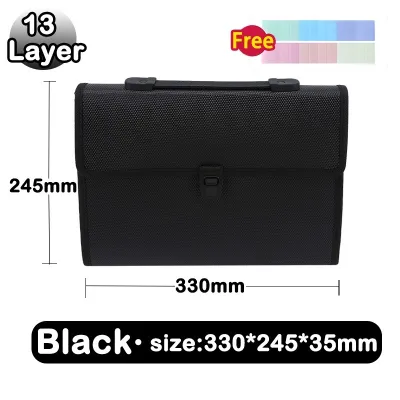
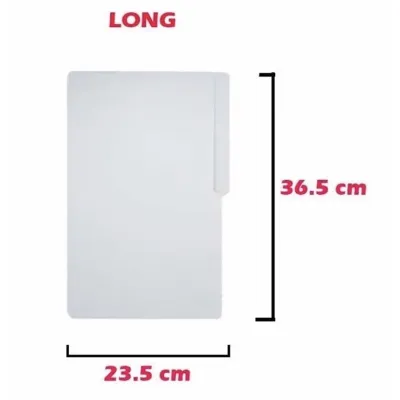
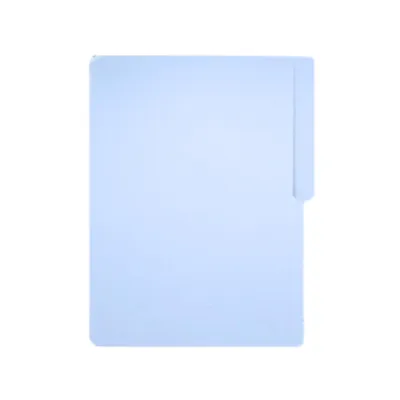
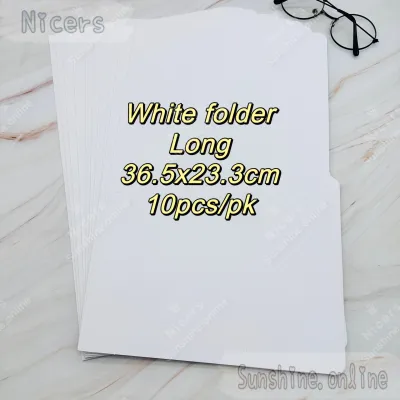
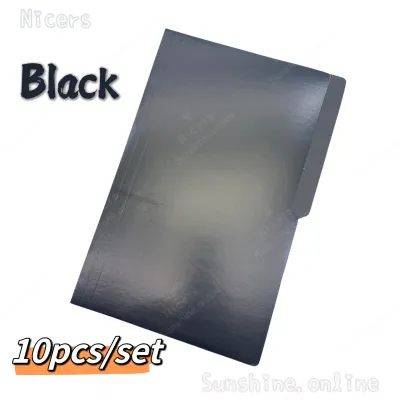

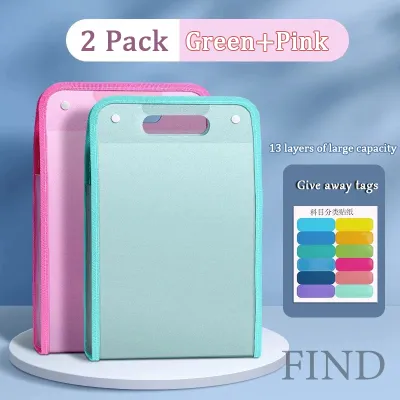
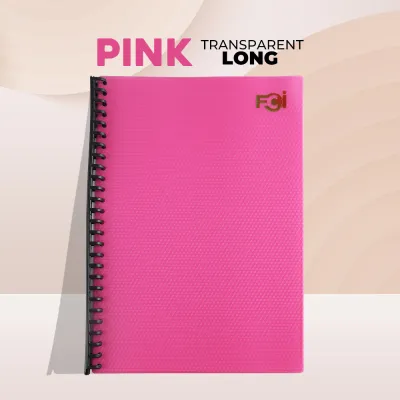
Prices are valid at publication and may change. Please refer to the product page for the latest price.
To find the best option for your needs, prioritize these three core selection criteria:
- Exact Size Match: Ensure the product description explicitly states compatibility with 8.5 x 13-inch paper to prevent documents from slipping or folding.
- Material Durability: Select materials that withstand high relative humidity and sudden downpours, which are common throughout the country.
- Secure Closures: Match the fastening mechanism—such as snap buttons, zippers, or elastic bands—to your daily mobility requirements.
Your final decision should align with your primary use case. For daily commuting and school use, moisture-resistant plastic envelopes offer the best protection. For high-volume archiving and budget-friendly office filing, classic kraft paper or pressboard folders remain the standard. For multi-subject organization or client presentations, specialized expandable accordion folders or clear books with plastic sleeves provide the necessary structure.
Why Size Matters: Philippine Legal vs. US Legal and A4
Sizing confusion is the most common reason buyers end up with unusable filing supplies. In the Philippines, the term “long bond paper” refers specifically to the 8.5 x 13-inch format. However, international manufacturing standards do not always cater to this localized size, often grouping all long-format stationery under a generic “legal” label.

To make an informed purchase, it is helpful to compare the exact dimensions of the three most common paper sizes found in local stores:
- Philippine Legal (Folio/Oficio): 8.5 x 13 inches (215.9 x 330.2 mm)
- US Legal: 8.5 x 14 inches (215.9 x 355.6 mm)
- A4: 8.27 x 11.69 inches (210 x 297 mm)
Using a mismatched folder size carries practical consequences. If you place Philippine legal documents into an A4 folder, the top of the paper will protrude by more than an inch, leaving it exposed to tearing, dirt, and moisture. Conversely, placing these documents into a US Legal folder leaves an extra inch of empty space at the top. This excess material makes the folder floppy, causing it to bend easily inside backpacks or crowd standard filing cabinets.
Before completing a purchase, always measure your existing documents or standard school and office forms. Avoid relying solely on generic terms like “long” or “legal” on retail shelves. Instead, inspect the product packaging or online product specifications for the exact measurements in centimeters or inches. A true Philippine legal folder should measure slightly larger than 8.5 x 13 inches to allow documents to slide in and out smoothly without catching on the seams.
Essential Features to Evaluate Before Buying
Selecting the right folder long enough to protect your documents involves evaluating several practical design features. Analyzing these components ensures your filing system remains functional under daily use.
Material Options
The material of your folder determines its longevity, cost, and protective capabilities. Polypropylene (PP) plastic is highly favored in the Philippines due to its inherent water resistance, which shields paper documents from high humidity and sudden rain. It is durable, resists tearing, and is easy to wipe clean. Kraft paper and pressboard are traditional, eco-friendly alternatives that are highly cost-effective for bulk purchases. While paper-based folders are easy to write on directly with pens or markers, they are highly vulnerable to moisture damage and can degrade quickly if stored in damp environments.
Closure Mechanisms
The way a folder closes dictates how secure your documents are during transport. Snap buttons are excellent for quick access, making them ideal for students who need to retrieve worksheets during class. Zippers provide a complete, dust-proof seal that prevents small items like pens, flash drives, or loose index cards from falling out during a commute. Elastic cords offer flexibility, stretching to accommodate thick stacks of paper while keeping the folder cover flat. Open-top designs, such as classic manila folders, lack closures entirely but are perfect for rapid filing and retrieval inside office drawers.
Capacity and Gussets
A folder’s capacity depends heavily on its construction and the weight of the paper you store inside. Standard flat folders are designed for thin reports of 10 to 20 pages. If you regularly manage larger files, look for folders with expandable gussets or reinforced bottom seams. A gusset is an extra fold of material along the sides and bottom that allows the folder to expand three-dimensionally. This feature prevents the seams from splitting when storing thick bundles of standard 70 to 80 gsm paper.
Labeling and Indexing
Maintaining an organized filing system requires clear, visible labeling. Many plastic folders feature built-in clear label slots on the front or spine, allowing you to slide in printed paper tags that can be updated as contents change. Paper and pressboard folders offer a matte surface that accepts handwritten notes, stamps, and adhesive labels easily. If you need to customize the look of your folder for presentations, look for designs with a clear front pocket where you can insert a full-sized cover sheet.
Recommended Long Folder Types for School and Office Use
Different environments demand different filing solutions. Understanding the strengths and limitations of each folder type helps you choose the right style for your specific daily routine.
Plastic Envelope Folders with Snap or Zipper Closures
Plastic envelope folders are the premier choice for students, field workers, and daily commuters who must transport documents through unpredictable weather. Made from flexible polypropylene, these folders act as a protective barrier against humidity, spilled coffee, and rain. They are lightweight yet sturdy enough to prevent documents from bending inside a crowded bag.
When choosing between closure types, consider your daily workflow. Snap buttons allow you to open and close the folder in a single motion, which is highly convenient for fast-paced environments. Zippers, on the other hand, offer superior security by fully enclosing the edges, making them the preferred option for carrying sensitive contracts or academic transcripts. To ensure long-term durability, check the thickness of the plastic and inspect the welded side seams. Heavy-duty options with reinforced fabric borders are less likely to split under the pressure of thick document stacks.
Kraft Paper and Pressboard Long Folders
For bulk archiving, administrative filing, and budget-conscious school projects, kraft paper and pressboard folders remain irreplaceable. These folders are highly economical, often costing a fraction of the price of plastic alternatives, making them ideal for purchasing in large quantities. Their matte, textured surface allows you to write detailed notes, dates, or file numbers directly onto the cover using standard ballpoint pens or permanent markers.
However, paper-based folders require careful handling. They have virtually no resistance to water, meaning a single spill or prolonged exposure to high humidity can ruin both the folder and the documents inside. If you plan to store documents for more than a single semester or fiscal year, look for premium pressboard variants. Pressboard is a denser, thicker paper product that offers superior stiffness and tear resistance. Many high-quality paper folders also feature integrated metal fasteners or reinforced top tabs to keep documents securely bound and easy to locate in a filing cabinet.
Expandable Accordion Folders
When you need to manage multiple categories of legal-size documents in a single, portable unit, expandable accordion folders are the most efficient solution. These folders feature multiple internal pockets, typically ranging from 5 to 13 divisions, allowing you to separate files by subject, client, month, or document type. They are highly popular among reviewees, accountants, and legal professionals who handle complex paperwork.
When evaluating an accordion folder, pay close attention to the expansion width and the quality of the internal dividers. The dividers should be made of durable plastic or reinforced paper that will not tear when sheets are inserted quickly. Because these folders can become heavy when fully loaded, a secure outer closure is essential. Look for designs featuring robust elastic bands, plastic buckles, or full wrap-around flaps to keep the unit tightly closed and prevent documents from spilling out during transit.
Clear Book Folders with Refillable Sleeves
Clear book folders, also known as display books, are designed for presentation, preservation, and frequent reference. These folders feature a rigid outer cover containing a series of bound or refillable clear plastic sleeves. They are perfect for showcasing certificates, diplomas, creative portfolios, or frequently referenced reference sheets, as you can read the pages without touching the paper directly.
The primary benefit of clear sleeves is the protection they offer against dust, finger oils, and ink smudging. However, because these sleeves are sealed on three sides, you must verify that the inner pockets are explicitly sized for 8.5 x 13-inch paper. Many clear books sold in local stores are designed strictly for A4 paper, which will leave the top of your legal-size documents sticking out. Clear books are best suited for flat storage on shelves or desks rather than carrying loose, thick stacks of everyday paperwork, as they have a fixed capacity and do not expand.
Tips for Organizing and Maintaining Your Documents
Investing in the right folders is only the first step; maintaining them properly ensures your important documents remain legible and intact for years. The tropical climate of the Philippines introduces specific challenges, primarily high humidity and heat, which can accelerate the degradation of both paper and plastic.
To keep your filing system in top condition, implement a consistent color-coding or labeling system. Assigning specific colors to different categories—such as blue for financial records, red for urgent school requirements, and green for personal identification documents—allows you to locate what you need at a glance. Always use clear, printed labels or waterproof ink to prevent writing from smudging if the folder comes into contact with moisture.
When storing folders at home or in the office, placement is critical. Avoid stacking paper-based folders directly against concrete walls, as concrete can transfer dampness from the ground or exterior rain, leading to mold, mildew, and paper rot. Instead, store your folders in elevated, dry wooden or metal cabinets. If you are using plastic folders, keep them out of direct sunlight. Prolonged exposure to UV rays and high heat can cause polypropylene to become brittle, crack, or warp, which can eventually transfer heat damage to the documents inside.
Finally, avoid the temptation to overstuff your folders. Pushing a folder past its designated sheet capacity strains the seams, weakens the closures, and creases the edges of your legal-size documents. If a folder is bulging or difficult to close, it is time to split the contents into multiple folders or upgrade to a high-capacity expandable accordion file.
Frequently Asked Questions (FAQ)
Can I use an A4 folder for Philippine legal-size documents?
No, using an A4 folder for Philippine legal-size documents is not recommended. A4 paper measures 8.27 x 11.69 inches, while Philippine legal paper is longer and wider at 8.5 x 13 inches. If you attempt to place a legal-size document into an A4 folder, more than an inch of the paper will stick out of the top. This exposure leaves the document vulnerable to getting bent, torn, dirty, or wet. To protect your files properly, always purchase folders specifically labeled for long or legal-size paper.
How many pages can a standard plastic long folder hold?
A standard flat plastic long folder without an expandable gusset typically holds between 30 and 50 sheets of standard 70 to 80 gsm paper comfortably. Forcing more pages into a flat folder can warp the plastic, strain the snap or zipper closure, and damage the document edges. If you need to store larger volumes of paperwork, look for folders with expandable gussets, which can easily accommodate 100 to 150 sheets, or transition to an accordion folder for even larger capacities.
Where is the best place to buy long folders in bulk?
Long folders can be purchased in bulk from local office supply stores, university bookstores, and major online e-commerce platforms in the Philippines. Buying in bulk is often highly economical, with price bands ranging from ₱15 to ₱50 per folder for basic styles, and higher for heavy-duty or expandable options. When purchasing online, carefully read the product description to verify the exact dimensions in centimeters or inches, and review customer feedback to ensure the seam welded quality and plastic thickness meet your expectations.
Community discussion
Share your experience or ask a question. Comments are reviewed before publication.