
Protecting important documents from dust, physical wear, and tropical humidity is a constant challenge for students, professionals, and homeowners alike. When organizing legal papers, school projects, and administrative files in the Philippines, finding the right plastic envelope long enough to accommodate local paper sizes is a critical first step. Choosing the ideal envelope requires understanding how different materials and closure styles perform under daily use and environmental stress.
To secure your documents effectively, you must match the envelope’s design to your specific workflow. Whether you need a secure, water-resistant container for commuting during the monsoon season or a budget-friendly bulk option for archiving old receipts, there is a specialized style designed for the task. By evaluating material thickness, seam strength, and closure durability, you can ensure your records remain pristine and accessible for years to come.
Sizing and Material Standards for the Plastic Envelope Long Format
Navigating paper size standards in the Philippines can be confusing because of the co-existence of several systems. Locally, the term “long” paper typically refers to Folio size, which measures 8.5 by 13 inches (216 by 330 mm). This is distinct from US Legal size, which is slightly longer at 8.5 by 14 inches (216 by 356 mm), and A4 size, which measures 8.27 by 11.69 inches (210 by 297 mm). When shopping for a plastic envelope long enough for local documents, you must ensure the product dimensions are at least 9 by 13.5 inches to allow papers to slide in and out smoothly without catching on the edges.
Products mentioned in this guide
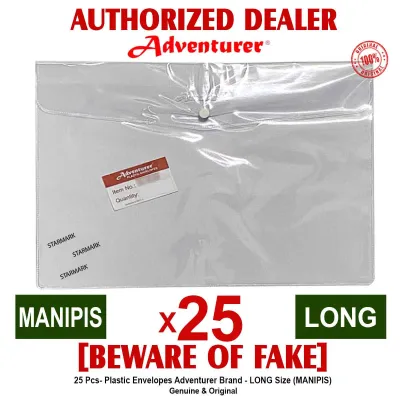
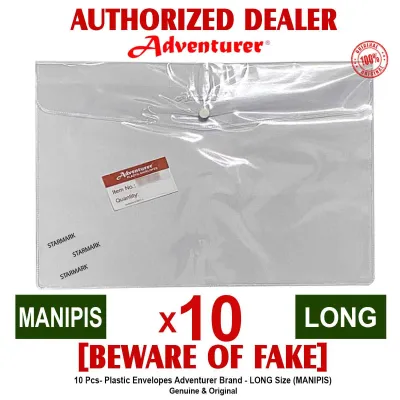
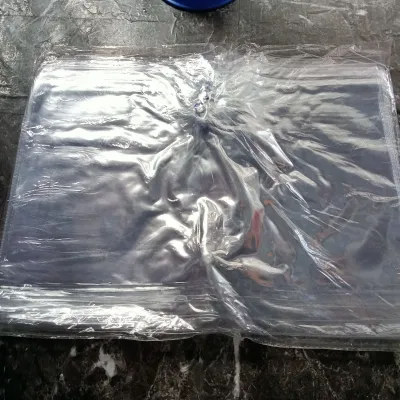
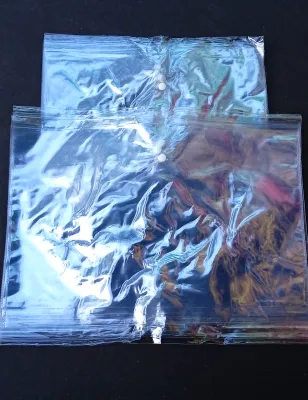
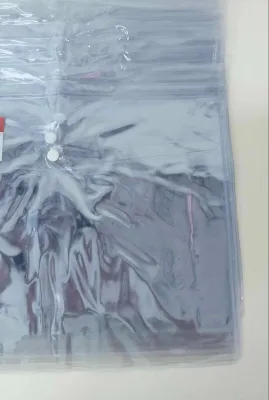
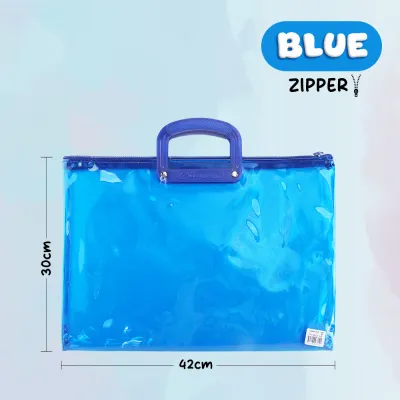
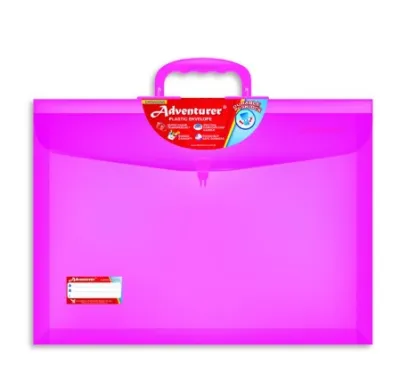
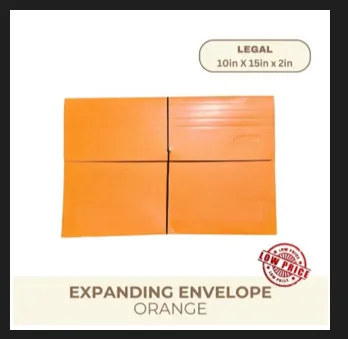
Prices are valid at publication and may change. Please refer to the product page for the latest price.
Material composition directly determines how well an envelope protects its contents over time. The two most common plastics used for stationery are Polypropylene (PP) and Polyvinyl Chloride (PVC):
- Polypropylene (PP): This is the industry standard for archival-safe document storage. PP is a lightweight, acid-free polymer that does not react with printing inks or toner. It is highly flexible, resistant to tearing, and performs exceptionally well in hot climates because it does not become sticky or soft when exposed to ambient room temperatures.
- Polyvinyl Chloride (PVC): Often used for heavy-duty or highly transparent envelopes, PVC is thicker and more rigid than PP. However, PVC contains plasticizers that can migrate over time, especially in warm, humid conditions. This migration can cause the plastic to bond with laser-printed text or thermal paper, resulting in ink transfer and damaged documents.
To verify the quality of a plastic envelope before purchasing, perform a quick physical inspection. Hold the envelope up to the light and check the clarity of the plastic; high-quality PP should be uniform without cloudy streaks or embedded bubbles. Run your fingers along the heat-welded seams on the sides and bottom. The welds should be wide, flat, and completely fused, with no loose flaps or sharp, jagged plastic burrs that could cut your fingers or snag your clothes.
Color-coding is an excellent way to organize documents while managing privacy. Completely transparent envelopes are ideal for active files where you need to identify the contents at a glance, such as school worksheets or daily office memos. Semi-opaque or colored envelopes (such as blue, red, or green) allow you to categorize documents by department or priority while obscuring sensitive personal information, such as contracts, land titles, or academic transcripts, from casual onlookers.
Top Long Plastic Envelope Styles for Everyday Filing
The choice of closure mechanism affects how quickly you can access your files, how secure they remain during transport, and how much wear and tear the envelope can endure. Different daily scenarios demand different structural designs.

Zipper Closure Envelopes for Maximum Protection
Zippered plastic envelopes are designed for individuals who frequently transport documents outside the home or office. They feature a sliding plastic zipper track along the top edge, offering a highly secure seal that keeps papers flat and protected.
- Best Use Cases: These envelopes are ideal for carrying original legal contracts, certificates, and school projects during rainy commutes. They are also highly favored by field researchers, sales representatives, and students who need to pack their files into crowded backpacks.
- Key Advantages: Zippered styles provide superior protection against splashes, dust, and sudden downpours. The zipper mechanism prevents papers from sliding out, even if the envelope is held upside down or dropped. Additionally, the reinforced fabric or plastic borders associated with zippered designs add structural rigidity, preventing the corners of your documents from bending.
- Limitations and Wear Indicators: Overstuffing a zippered envelope can cause the plastic teeth to misalign or split apart. The slider pull-tab, often made of soft plastic or metal, can degrade or snap off if exposed to prolonged direct sunlight or rough handling. If the zipper fabric gets wet, it must be dried thoroughly to prevent musty odors.
Snap Button Envelopes for Quick Office Access
Snap button envelopes utilize a simple fold-over flap secured by a press-fit plastic button. This design balances accessibility with basic protection, making it a staple for desk-side organization.
- Best Use Cases: This style is perfect for active office filing, sorting daily school handouts, and organizing receipts that you need to access multiple times a day. It is designed for stationary desk use or neat storage inside a filing drawer.
- Key Advantages: The primary benefit is speed; you can pop open the snap button with one hand, retrieve your document, and snap it shut in a single motion. Because they lack bulky zipper tracks, snap button envelopes lie relatively flat, allowing you to stack several of them on top of one another without creating uneven piles.
- Limitations and Wear Indicators: The flap design leaves small gaps at the upper corners, meaning this style offers lower water resistance than zippered alternatives. Over time, the plastic around the female or male side of the snap can stretch or crack from repeated pulling, eventually preventing the button from staying closed.
String and Button Envelopes for Budget Bulk Storage
String and button envelopes, also known as tension-string envelopes, use two plastic discs—one on the flap and one on the body—around which a durable string is wound in a figure-eight pattern.
- Best Use Cases: This traditional closure is the preferred choice for long-term archiving, storing tax records, housing old utility bills, or managing high-volume paperwork on a strict budget. It is ideal for documents that only need to be accessed a few times a year.
- Key Advantages: String and button envelopes are highly cost-effective, often priced significantly lower than zippered or snap-button models. Many designs feature a built-in gusset (expandable sides) that allows the envelope to expand to hold thick stacks of paper. Because there are no rigid mechanical parts, there is very little that can break or wear out under normal storage conditions.
- Limitations and Wear Indicators: Accessing documents is a slower process because you must manually wind and unwind the string. If pulled too aggressively, the string can fray or detach from the central eyelet. If the envelope is overstuffed beyond its design limits, the tension can cause the plastic buttons to pop off the face of the envelope.
Comparing Closure Mechanisms and Durability
When selecting a long plastic envelope, comparing the trade-offs between different closure styles helps you invest in the right product for your specific workflow. The table below outlines how each mechanism performs across several key performance metrics.
| Closure Type | Best Use Case | Water Resistance Level | Access Speed | Durability Focus | Relative Cost Tier |
|---|---|---|---|---|---|
| Zipper | Commuting & Transit | High (Splash-proof) | Moderate | Tear & Spill Resistance | Premium |
| Snap Button | Daily Desk Filing | Moderate (Flap Gap) | Fast | Repeated Opening Cycles | Mid-Range |
| String & Button | Archiving & Bulk | Low (Open Sides) | Slow | Long-Term Tension | Budget |
Beyond the closure mechanism, the overall durability of a plastic envelope depends on its structural construction. Pay close attention to the heat-welded seams along the bottom and sides. High-quality envelopes feature wide, double-welded seams or fabric-bound edges that distribute stress evenly when the envelope is filled to capacity. Thin, single-line welds are prone to splitting open under pressure, especially if you try to slide thick dossiers or heavy catalogs inside.
Plastic thickness is another critical factor and is typically measured in microns or described using terms like “heavy-duty” versus “standard.” Standard-weight envelopes (around 100 to 150 microns) are highly flexible and lightweight, making them suitable for holding a few sheets of paper. Heavy-duty envelopes (200 microns or thicker) provide a rigid barrier that prevents your documents from bending, creasing, or folding when placed inside a soft-sided bag or carried alongside heavy books.
Local Buying Guide and Pre-Purchase Checklist
Long plastic envelopes are widely available across the Philippines, but knowing where to shop and what to look for ensures you get the best value for your money. For immediate needs, major national bookstore chains and dedicated office supply warehouses offer a wide selection of individual envelopes and bulk packs. If you are purchasing for an entire school year or stocking a corporate office, local school supply shops or wholesale business districts offer competitive volume pricing. Additionally, official stationery brand storefronts on major e-commerce platforms provide a convenient way to compare prices and read user reviews from the comfort of your home.
Before finalizing your purchase, especially when buying in bulk, use this quick inspection checklist to ensure product quality:
- Verify the Dimensions: Do not rely solely on the word "Long" printed on the label. Check the exact measurements printed on the packaging to ensure they match the 8.5 x 13-inch standard. Some imported products labeled "Legal" may follow the longer US Legal standard (8.5 x 14 inches), which is acceptable, while others labeled "A4" will be too short.
- Test the Closures: Open and close the zipper or snap button several times. The zipper should slide smoothly along the track without catching, and the snap button should click securely into place without requiring excessive force that might tear the surrounding plastic.
- Inspect the Welds: Examine the bottom corners of the envelope. Ensure the heat welds are complete and do not have tiny gaps or unsealed sections where papers could slip through or dust could enter.
- Check for Surface Defects: Look for deep scratches, folds, or punctures in the plastic sheet, as these blemishes act as weak points that can split open under pressure.
Proper storage and maintenance will significantly extend the lifespan of your plastic envelopes and protect the documents inside. Always store your envelopes vertically in a filing box or cabinet rather than stacking them in high, heavy piles, which can compress the plastic and cause papers to stick. Keep your storage area away from direct sunlight and high heat sources, such as window sills or the tops of electronic appliances; excessive heat can warp the plastic, degrade the adhesive on labels, and cause the envelope material to soften and bond to printed documents.
In the humid Philippine climate, moisture management is essential. Avoid placing plastic envelopes directly on concrete floors or against damp walls, as this can trap condensation inside the envelope and lead to mold growth on your paper files. If you must store documents in a high-humidity environment, consider placing a small packet of silica gel inside each envelope to absorb excess moisture and keep your papers dry and crisp.
Frequently Asked Questions (FAQ)
Can A4 plastic envelopes fit long legal-size documents?
No, A4 plastic envelopes cannot fit Philippine long legal-size documents without folding or damaging the paper. An A4 envelope is designed for sheets measuring 8.27 by 11.69 inches, whereas local long documents are 13 inches long. Forcing a long document into an A4 envelope will cause the top of the paper to stick out, fold, or crease, which ruins the professional appearance of official documents and defeats the protective purpose of the envelope.
How do I prevent plastic envelopes from sticking to printed documents?
To prevent printed documents from sticking to your plastic envelopes, choose envelopes made from acid-free Polypropylene (PP) rather than Polyvinyl Chloride (PVC), as PP does not react with inks. Additionally, always allow fresh inkjet prints or photocopies to dry completely before filing them away. If you are storing documents printed with laser toner or thermal paper, keep the envelopes in a cool, dry place, as heat and pressure are the primary catalysts that cause toner to soften and bond with the plastic surface.
Are expandable long plastic envelopes better for thick files?
Yes, expandable long plastic envelopes are much better suited for thick files, multi-page legal contracts, or bundled receipts. These envelopes feature a pleated side gusset that allows the pocket to expand, preventing the seams from splitting under the pressure of a thick stack of papers. However, keep in mind that expandable envelopes take up more physical space in your filing cabinet or backpack, so they should be reserved for bulky dossiers rather than single-sheet storage.
Community discussion
Share your experience or ask a question. Comments are reviewed before publication.