
Finding the right clearbook long size option in the Philippines is essential for keeping your school projects, legal documents, and office reports clean, organized, and safe from the country’s high humidity. Whether you are a student compiling review materials or a professional managing legal-sized contracts, selecting a high-quality clearbook requires looking beyond just the cover color. The ideal choice depends on your specific volume of documents, how often you need to access them, and where you plan to store the binder.
Investing in a dedicated filing tool prevents your important papers from getting creased, stained, or lost. By understanding the key features of different clearbook designs, you can select a binder that offers the perfect balance of portability, durability, and capacity for your daily routine.
Top Long Size Clearbook Picks at a Glance
To help you navigate the wide array of options available on local online marketplaces and physical stationery stores, we have classified the primary types of long size clearbooks you will encounter. Since specific brand availability and pricing fluctuate, understanding these core categories will serve as an excellent baseline for your search.
Products mentioned in this guide
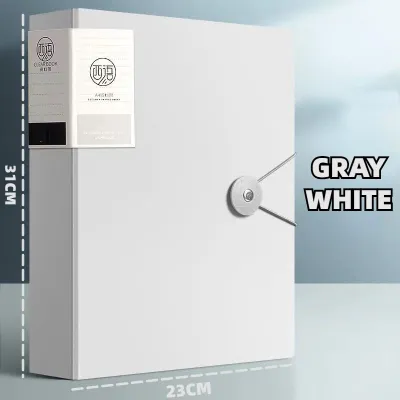
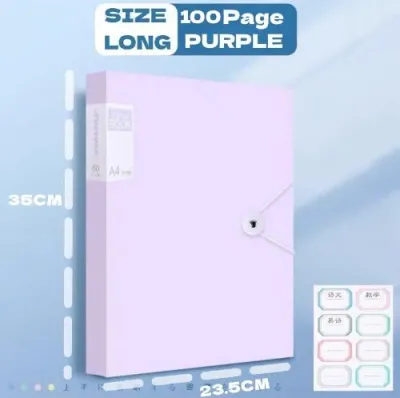
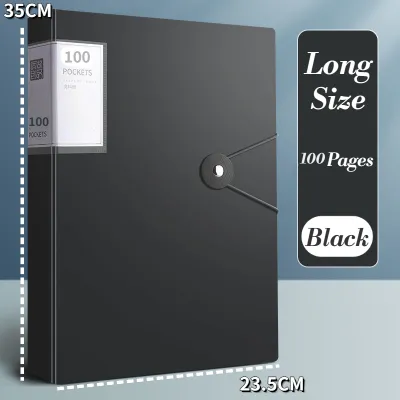
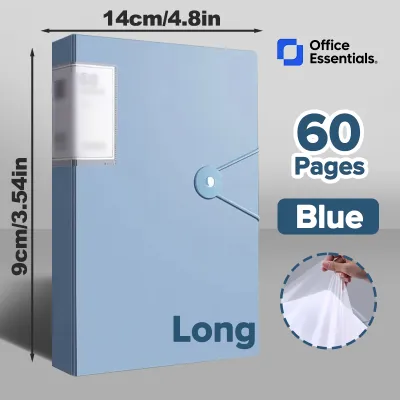
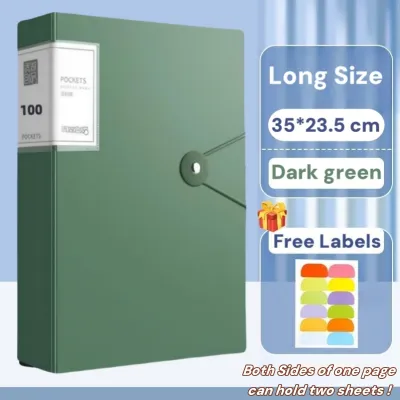
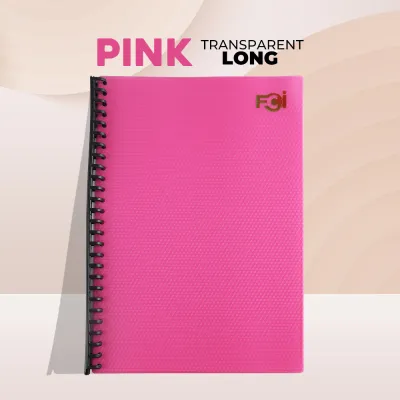
Prices are valid at publication and may change. Please refer to the product page for the latest price.
Let’s compare the most common types of long size clearbooks:
| Clearbook Type | Best Use Case | Typical Pocket Count | Closure Mechanism | Key Advantage |
|---|---|---|---|---|
| Basic Open-Top | Daily school assignments, quick handouts | 20 to 40 pockets | None (Open-Top) | Lightweight, highly portable, and very budget-friendly |
| Snap-Closure Professional | Client presentations, corporate contracts | 40 to 60 pockets | Snap-button or magnetic | Sleek, professional look that keeps pages from sliding out |
| Elastic Band Multi-Subject | Lecture notes, project-based filing | 20 to 60 pockets | Elastic strap | Flexible spine expansion to accommodate varying paper thicknesses |
| Zippered Heavy-Duty | Archival storage, vital records, certificates | 80 to 100+ pockets | Full zipper closure | Maximum protection against dust, humidity, and accidental spills |
When browsing local platforms or visiting major department stores in the Philippines, you will find these categories priced across broad bands. Basic open-top models represent the budget tier, while zippered heavy-duty binders sit at the premium end due to their reinforced construction and added hardware.
What to Look for in a Clearbook Long Size
Selecting a clearbook long size folder that lasts requires evaluating several technical specifications. Making an informed choice prevents common frustrations like split seams, warped covers, or ink transferring from your documents onto the plastic sleeves.

Pocket Count & Capacity The number of sleeves, or pockets, directly dictates how much paperwork your clearbook can hold. For light daily use, such as organizing a single school subject or a small set of household bills, a 20-pocket or 40-pocket clearbook is usually sufficient. If you are archiving tax records, medical files, or a year’s worth of corporate reports, you will want to look for high-capacity models containing 60, 80, or more than 100 pockets.
Avoid the temptation to overstuff individual sleeves. Forcing multiple sheets of paper into a single pocket stretches the plastic and puts excessive pressure on the spine welding. Over time, this causes the spine to warp, preventing the clearbook from lying flat and potentially damaging the structural integrity of the outer cover.
Material & Thickness Most modern clearbooks are constructed from Polypropylene (PP), a durable, flexible, and acid-free plastic that is safe for long-term document storage. However, the quality of PP can vary significantly between products.
- Frosted Finishes: These sleeves feature a slightly textured, matte surface. They are highly recommended for environments with bright overhead lights, as they reduce glare and make reading easier. Frosted sleeves are also less prone to sticking together in high humidity and prevent ink from freshly printed documents from transferring or smudging.
- Glossy Finishes: These sleeves are completely transparent, offering maximum clarity for color-rich documents, certificates, or design portfolios. However, they can be highly reflective under direct light and may stick to glossy photo paper or laser-printed text over time.
- Sleeve Thickness: Usually measured in microns, the thickness of the plastic sleeves determines their tear resistance. Thinner sleeves (around 30 to 40 microns) are lightweight and economical but tear easily under heavy use. Thicker, heavy-duty sleeves (50 to 80 microns or more) offer superior durability and can withstand frequent page-turning without splitting.
Closure Mechanisms How your clearbook closes plays a major role in document security and portability.
- Open-Top: This design has no active closure mechanism. While it offers the fastest access to your documents, there is a constant risk of papers slipping out if the clearbook is held upside down or dropped.
- Snap-Button: Featuring a plastic flap that snaps into place, this mechanism provides reliable security for daily commutes. However, low-quality plastic snaps can become brittle and snap off over time with repeated use.
- Elastic Band: A thick elastic strap loops over the cover to keep it closed. This design is highly flexible, allowing the clearbook to expand naturally when filled with thicker papers, though the elastic may lose its tension after several years.
- Zipper: A full zipper runs along three sides of the clearbook, completely sealing the contents inside. This offers the highest level of security, protecting your documents from dust, insects, and moisture.
Binding & Spine Design The way the sleeves are attached to the cover affects both usability and longevity.
- Fixed Sleeves: In this traditional design, the plastic pockets are welded directly to the inner spine of the cover. This construction is highly stable, water-resistant, and budget-friendly, but you cannot add, remove, or rearrange pages once they are in place.
- Replaceable Inner Sleeves: These clearbooks utilize a ring-binder or slide-on mechanism that allows you to open the spine and add or remove individual sleeves. While this offers excellent organizational flexibility, the mechanical parts can wear out faster with heavy use, and the binders are generally bulkier.
- Spine Width: A wider, structured spine helps the clearbook stand upright on office shelves. If you plan to store multiple clearbooks side-by-side, look for models with flat, rigid spines that include a label insert slot for easy identification.
Best Long Size Clearbooks by Use Case
Different environments demand different features. By matching your daily routine with the right clearbook design, you can ensure your documents remain pristine and easily accessible.
Best for Students and Everyday School Use
Students in the Philippines often have to carry multiple subjects’ worth of handouts, worksheets, and syllabi in their backpacks. For this demanding daily routine, a lightweight, highly portable, and budget-friendly clearbook long size model is the ideal choice.
- Weight and Portability: Look for slim designs with 20 to 40 pockets. Carrying heavier 80-pocket or 100-pocket binders can add unnecessary strain to your back, especially during long commutes on public transit.
- Quick Access: Open-top designs or models with a simple elastic band closure are perfect for the fast-paced classroom environment. They allow you to slide handouts in quickly at the end of a lecture without fumbling with complex clasps or zippers.
- Anti-Glare and Ink Safety: Classrooms often have bright, fluorescent lighting that can cause harsh reflections on glossy plastic. Choosing frosted PP sleeves will significantly reduce glare, making it much easier to read your notes during study sessions. Additionally, frosted sleeves help prevent ink from freshly printed hand-outs or photocopies from sticking to the plastic.
- Value and Bundles: Because students often need separate folders for different subjects, look for basic multi-pack bundles offered by popular local stationery brands. Purchasing these sets provides excellent value for the entire academic year while keeping your school subjects neatly color-coded.
Best for Office and Professional Document Filing
In a professional office environment, document presentation and secure storage are paramount. Whether you are storing legal contracts, client proposals, or financial reports, your clearbook needs to project a polished image while keeping sensitive papers organized.
- Capacity and Structure: Models with 40 to 60 pockets strike the perfect balance between document capacity and professional presentation. Look for clearbooks with a rigid, structured spine that allows the binder to stand upright on office shelves or filing cabinets without sagging.
- Professional Closures: Snap-button closures or concealed magnetic flaps are highly recommended for professional use. They provide a clean, sleek appearance during client meetings and ensure that confidential documents do not slide out while you are traveling between offices.
- Indexing and Labeling: To maintain an efficient filing system, choose clearbooks that feature a dedicated spine label slot or a clear front cover pocket. This allows you to print or write clear titles, making it easy to identify the contents of each binder at a glance.
- Reinforced Durability: Office documents are often inserted, removed, and rearranged. To prevent the plastic sleeves from tearing, verify that the clearbook has reinforced welding at the inner corners of the pockets. This extra reinforcement prevents the seams from splitting under the stress of frequent handling.
Best for Heavy-Duty and Archival Storage
For long-term preservation of vital records, land titles, birth certificates, and high-volume historical paperwork, you need a clearbook designed to withstand the test of time. In tropical climates like the Philippines, protecting paper from humidity, mold, and dust is a constant challenge.
- High-Capacity Construction: Opt for heavy-duty models with 80 to 100+ pockets. These binders feature extra-thick PP covers and reinforced spines designed to support the significant weight of hundreds of pages of paper.
- Zippered Protection: A full zipper closure is highly recommended for archival storage. By sealing the clearbook completely, a zippered design acts as a barrier against dust, moisture, and accidental liquid spills, which is especially crucial during the wet monsoon season.
- Replaceable Sleeve Flexibility: Consider choosing a replaceable sleeve design for your archives. This allows you to insert new document categories, reorganize sections, or expand the binder's capacity over time without having to transfer all your documents into an entirely new clearbook.
- Storage Considerations: Keep in mind that heavy-duty archival clearbooks are bulky and heavy. They are not intended for daily carrying in a bag; instead, they are best suited for flat or upright storage inside secure office desks, metal filing cabinets, or home safes.
Long Size vs. Short Size vs. A4: How to Verify the Fit
One of the most common mistakes when buying organizing folders in the Philippines is purchasing the wrong size. E-commerce listings sometimes use sizing terms interchangeably, leading to frustration when your documents arrive and do not fit. Understanding the exact dimensions of local paper standards is key to making a successful purchase.
Defining the Standards In the Philippines, three primary paper sizes dominate school and office work:
- Long Size (Folio / F4): This standard measures 8.5 x 13 inches (approximately 216 x 330 mm). It is widely used for legal documents, contracts, government forms, and school worksheets.
- Short Size (Letter): This standard measures 8.5 x 11 inches (approximately 216 x 279 mm). It is the standard format for most everyday business letters and school essays.
- A4 Size: This international standard measures 8.27 x 11.69 inches (approximately 210 x 297 mm). It is commonly used for academic papers, international corporate correspondence, and standard printer settings.
How Sizes Interact Inside a Clearbook If you purchase a clearbook long size folder, it is designed specifically to accommodate the 13-inch length of long/folio paper.
- Short and A4 Compatibility: Because short and A4 papers are smaller than long size paper, they will easily slide into a long size sleeve. However, because A4 and short papers are shorter, there will be extra empty space at the top of the sleeve. While this might look slightly uneven, your documents will remain fully protected.
- The Ring-Binder Trap: If you choose a replaceable-sleeve clearbook that uses a multi-ring mechanism, be aware that pre-punched A4 paper or standard A4 refills may not align perfectly with the rings. However, since most clearbooks utilize slip-in plastic sleeves rather than requiring you to punch holes in your documents, this alignment issue is rarely a problem for everyday filing.
How to Verify Before You Buy Because online product titles on local marketplaces can sometimes be misleading—often combining terms like “Long/A4” in a single product name—you should always verify the dimensions before clicking buy.
- Measure Your Documents: Use a physical ruler to measure the length and width of the papers you intend to organize. Confirm if they are indeed 13 inches long.
- Check Internal Sleeve Dimensions: Do not rely solely on the external cover dimensions listed by the seller. The outer cover of a clearbook is always slightly larger than the sleeves inside. Look closely at the product description for the internal sleeve dimensions to ensure the usable plastic space is at least 8.5 x 13 inches.
- Read Customer Q&As: Scan the product reviews or the seller's Q&A section. Other buyers in the Philippines often ask if the clearbook can fit standard "long coupon bond" paper, which is the local term for long size paper.
Tips for Organizing and Maintaining Your Clearbook
To maximize the lifespan of your clearbook and keep your documents in pristine condition, practice proper organization and regular maintenance.
Indexing for Quick Navigation As your clearbook fills up, finding specific pages can become time-consuming.
- Custom Index Page: Create a printed table of contents and place it in the very first sleeve of your clearbook. This is highly effective for professional portfolios or archival records.
- Color-Coded Dividers: Use small, adhesive plastic index tabs or color-coded paper dividers between sections. Ensure these tabs do not protrude past the edge of the outer cover, as they can get bent or torn when the clearbook is stored in a bag or on a shelf.
Proper Loading Techniques To prevent damaging the plastic sleeves and the clearbook binding, handle the loading process with care.
- Smooth Insertion: When inserting paper, gently open the top of the sleeve and slide the document down smoothly. If the paper catches on the plastic, do not force it; instead, gently wiggle the sheet until it slides to the bottom.
- Limit Sheet Count: Avoid inserting more than two sheets of standard copy paper back-to-back in a single sleeve. Overloading stretches the PP material, making it cloudy, and puts excessive stress on the bottom heat-sealed welds, which can cause them to burst.
Cleaning and Tropical Care The humid climate in the Philippines requires active maintenance to prevent mold, dust buildup, and plastic degradation.
- Safe Cleaning: To clean the exterior cover and the plastic sleeves, wipe them gently with a slightly damp microfiber cloth. For stubborn dirt on the cover, a tiny drop of mild dish soap mixed with water is safe to use.
- Avoid Harsh Chemicals: Never use alcohol, acetone, or harsh chemical solvents on your clearbook. These liquids can chemically react with the polypropylene, causing the plastic to become permanently cloudy, brittle, or sticky.
- Preventing Mold: After cleaning, or if the clearbook is exposed to high humidity, let it air dry completely in a well-ventilated, shaded area before closing it or placing it back on a shelf. Trapped moisture inside plastic sleeves can quickly lead to mold growth, which can permanently ruin your paper documents.
Frequently Asked Questions (FAQ)
Can I put A4 documents in a long size clearbook?
Yes, A4 documents will physically fit inside a long size (Folio) clearbook sleeve without any issues. Because A4 paper (8.27 x 11.69 inches) is both narrower and shorter than standard Philippine long size paper (8.5 x 13 inches), it will easily slide into the pocket. The only trade-off is visual: there will be about an inch of empty plastic space at the top of the sleeve, and the document may shift slightly if the clearbook is shaken. However, because clearbooks utilize slip-in sleeves rather than requiring you to punch holes in the paper, the mismatch in length will not cause any physical damage or alignment issues with the binding.
Are replaceable sleeve clearbooks better than fixed ones?
Neither type is universally better; the right choice depends entirely on your specific organizational needs. Fixed sleeve clearbooks feature pockets that are welded directly to the spine, making them highly durable, water-resistant, and budget-friendly. They are the ideal choice for permanent archives where the order of documents rarely changes. On the other hand, replaceable sleeve clearbooks utilize a ring-binder or slide-on mechanism, offering superior flexibility for active projects where you need to frequently add, remove, or rearrange pages. However, these mechanical parts are bulkier, more expensive, and can wear out faster with heavy, repeated use.
Community discussion
Share your experience or ask a question. Comments are reviewed before publication.