
When executing precise installations, intricate crafts, or industrial layouts, standard markers often fail to reach the target surface. Whether you are marking drill points through a deep bracket, detailing a recessed scale model panel, or labeling wiring inside a cramped electrical junction box, a standard-length tip cannot bypass surrounding obstructions. The solution lies in specialized long tip marking pens, which feature extended nibs or protective sleeves designed specifically to navigate tight spaces.
In the Philippines, selecting the right long tip marker requires balancing the depth of your reach with the material properties of your workpiece. The local climate—characterized by high humidity and warm temperatures—significantly influences ink drying times and tip longevity. Choosing an incorrect formulation can lead to smudged markings, clogged tips, or damaged surfaces. By understanding the mechanical differences between extended fiber tips, needle-point paint valves, and metal-sleeved technical pens, you can select a tool that delivers clean, durable lines exactly where they are needed.
Key Features to Evaluate for Reach and Precision
Selecting a long-reach marking tool involves more than simply finding the longest nib available. To ensure the pen performs reliably under challenging conditions, you must evaluate several distinct physical and chemical characteristics.
Products mentioned in this guide
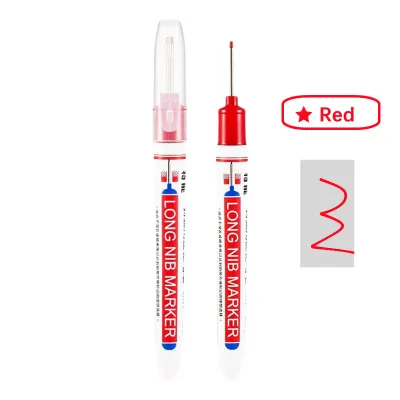
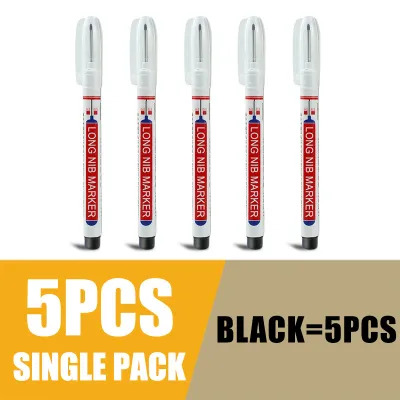
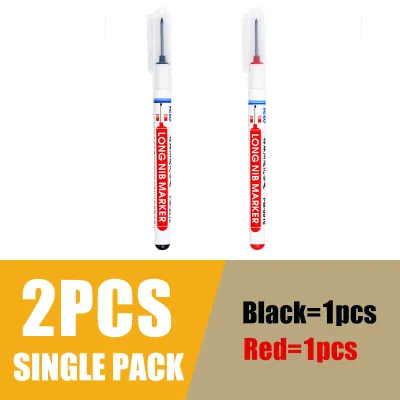
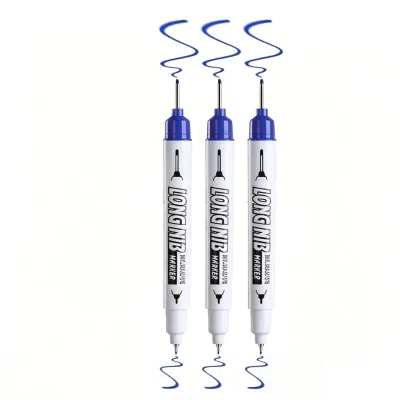
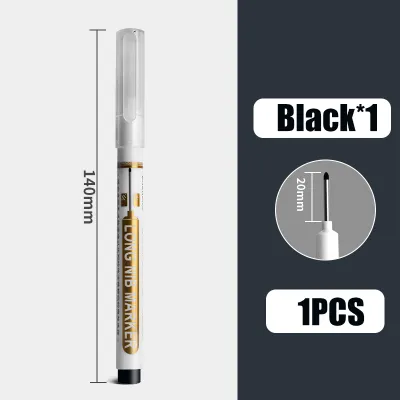
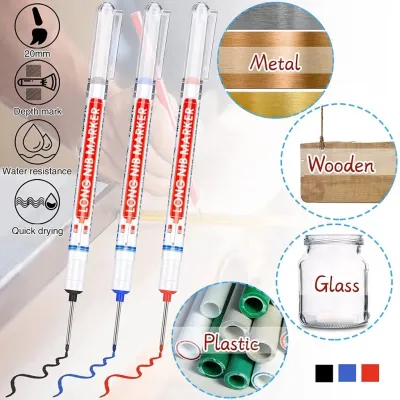
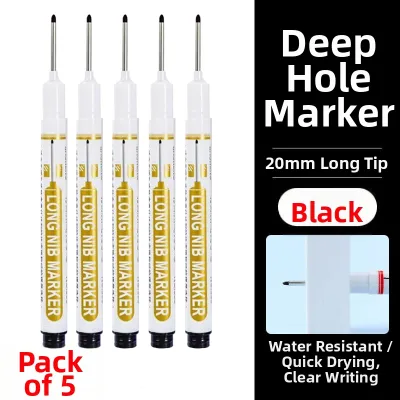
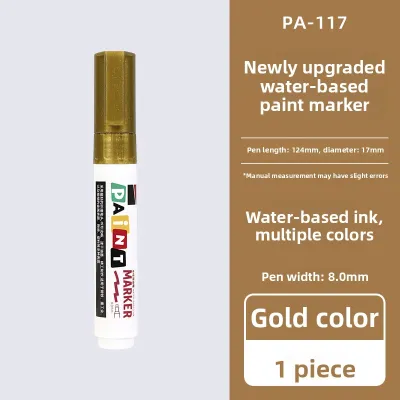
Prices are valid at publication and may change. Please refer to the product page for the latest price.
Tip Length versus Tip Width
A common misconception is that a long tip automatically produces a fine, precise line. In reality, tip length (reach) and tip width (line precision) are independent variables. A deep-hole construction marker may feature a 30mm extended nib to reach through thick timber or metal brackets, yet still produce a broad 1.5mm to 2.0mm line. Conversely, a technical drafting pen might have an ultra-fine 0.1mm line width but only offer a 4mm metal sleeve for template clearance. Always verify both specifications on the product packaging to ensure the tool matches your spatial constraints and line-width requirements.
Barrel Design and Weight Distribution
Working in tight crevices or at awkward overhead angles requires precise hand control. The physical design of the pen barrel plays a critical role in minimizing hand fatigue and preventing slips. Lightweight, balanced barrels with textured or rubberized grips allow for a secure hold even when your hands are damp from the tropical heat. Hexagonal or triangular barrel profiles are particularly useful in workshop environments, as they prevent the pen from rolling off sloped workbenches or ladders.
Cap Sealing and Solvent Evaporation
Extended nibs have a high surface-area-to-volume ratio, making them exceptionally vulnerable to drying out. In the warm Philippine climate, the solvents in permanent inks evaporate rapidly when exposed to air. High-quality long tip markers feature advanced cap sealing mechanisms, such as spring-loaded inner caps or airtight click-lock designs. These systems isolate the nib from ambient air when not in use, preserving the ink flow and extending the overall shelf life of the pen.
Tip Material and Structural Durability
The material composition of the extended nib determines how well it resists wear and tear. Long, unsupported fiber or plastic nibs can easily bend, fray, or split if you apply excessive lateral pressure while marking. For heavy-duty tasks, look for markers with tips made from hardened acrylic, sintered fiber, or those reinforced with a metal collar. These materials maintain their shape and line consistency even when pressed firmly against rough surfaces like concrete or unpolished metal.
Extended Fine-Tip Permanent Markers for Everyday Detail
For general household repairs, electrical installations, and light woodworking, extended fine-tip permanent markers offer a highly versatile and accessible solution. These tools are designed to slip into narrow screw holes, grommets, and small grooves on common materials.

Nibs and Reach Capabilities
Everyday precision markers typically utilize ultra-fine or micro-tips crafted from durable plastic or densely packed fiber. The extended portion of the nib usually ranges from 10mm to 20mm in length, providing sufficient reach to pass through standard mounting plates and electrical fixtures. The fine point allows you to write legible labels or make precise alignment marks on paper, cardboard, wood, and various plastics.
Ink Performance in Humid Climates
These markers are almost exclusively formulated with alcohol-based permanent inks. Alcohol serves as a highly volatile carrier solvent, allowing the ink to dry almost instantly upon contact with the surface. In the humid conditions of the Philippines, where water-based inks can remain wet and prone to smudging for extended periods, alcohol-based formulations ensure your marks remain crisp and intact. Once dry, these inks offer excellent water resistance and moderate resistance to mild household cleaners.
Preventing Tip Retraction
A frequent failure point in low-quality markers is tip retraction, where the long nib slides backward into the plastic barrel under writing pressure. To prevent this, reputable manufacturers incorporate reinforced tip collars or internal physical stops. When shopping for an extended fine-tip marker, look for a visible metal or heavy-duty plastic sleeve surrounding the base of the nib. This collar absorbs the vertical force of your hand, keeping the extended tip securely in place.
Verifying Local Availability and Specifications
When sourcing these markers locally, it is essential to verify the specific tip dimensions and ink properties detailed on the product label. Many established stationery brands offer specialized “extended reach” or “deep hole” series within their permanent marker lineups. Rather than relying on generic descriptions, check the packaging for explicit measurements of both the tip length and the written line width to ensure they meet your project requirements.
Needle-Point Paint Markers for Industrial and Deep-Crevice Use
When working on rough, dark, or dirty surfaces where standard permanent ink is absorbed or obscured, needle-point paint markers provide the necessary opacity and adhesion. These heavy-duty tools are indispensable in automotive workshops, metal fabrication yards, and construction sites.
The Valve-Action Mechanism
Unlike standard capillary-feed markers, needle-point paint markers utilize a spring-loaded valve-action mechanism. The liquid paint is sealed inside an internal reservoir containing a small metal or glass mixing ball. When you press the needle tip down onto a surface, the internal spring compresses, opening a valve that allows a controlled volume of paint to flow down the rigid metal or acrylic needle tube. This design ensures a consistent, pressurized supply of paint, even when marking at steep angles or overhead.
Surface Adhesion and Opacity
Paint-based inks are highly pigmented and opaque, allowing them to stand out clearly on dark surfaces like black steel pipes, rubber tires, and dark plastics. The paint formulation is designed to cut through light layers of dust, oil, and moisture, bonding securely to challenging substrates. Once fully cured, the paint forms a durable, weather-resistant barrier that resists fading under intense tropical sunlight and withstands exposure to rain and mild industrial solvents.
Preparation, Priming, and Maintenance
Using a valve-action paint marker requires a specific preparation sequence to ensure proper paint flow and prevent clogging:
- Shake Thoroughly: With the cap securely on, shake the pen vigorously for 10 to 20 seconds to distribute the settled pigments. You should hear the mixing ball rattling inside.
- Prime the Tip: Gently press the needle tip vertically down onto a scrap piece of cardboard or wood. Hold it down for a few seconds, then release. Repeat this pumping action until you see the paint saturate the tip. Do not press too hard, as this can bend the needle or cause paint to pool.
- Clear the Tip After Use: Before recapping the marker, wipe any excess paint from the needle tip using a lint-free cloth. This prevents dried paint from sealing the valve or clogging the opening, which would render the marker unusable for future tasks.
Safety and Ventilation in Confined Spaces
Many industrial paint markers contain solvent-based formulations that release volatile organic compounds (VOCs). When using these markers in tight, enclosed spaces—such as under a vehicle dashboard, inside a narrow utility conduit, or within a small storage cabinet—ensure there is adequate ventilation. If natural airflow is limited, use a mechanical fan or wear an appropriate respirator to avoid inhaling concentrated fumes. Always check the product label for specific safety warnings and handling instructions.
Technical Drafting Pens for Extreme Line Control
For scale modeling, intricate stenciling, and professional architectural or engineering drawings, technical drafting pens offer the ultimate level of line control. These precision instruments are designed to produce consistent, ultra-thin lines under exacting conditions.
Disposable versus Refillable Systems
Technical pens are available in two primary configurations: disposable fineliners and professional refillable drafting markers. Disposable models are highly convenient, maintenance-free, and cost-effective for occasional projects. Refillable technical pens, while requiring a higher initial investment, allow you to use specialized, high-density drafting inks and offer replaceable nib assemblies. Both types feature a distinct long, narrow metal sleeve that houses and protects the delicate writing tip.
The Protective Metal Sleeve
The defining feature of a technical drafting pen is the stainless steel sleeve surrounding the nib, which typically extends 3mm to 5mm from the pen body. This sleeve serves a dual purpose. First, it allows the pen to glide smoothly against the thick edges of rulers, T-squares, and drafting templates without smearing the ink. Second, it provides structural support to the microscopic wire or plastic tip inside, preventing it from bending or breaking under normal writing pressure. Standard tip sizes range from an incredibly fine 0.05mm up to 0.8mm, allowing for extreme precision.
Surface Compatibility and Clogging Risks
Technical pens are highly sensitive to the texture of the writing surface. They are designed for use on smooth, high-quality drafting paper, tracing film, vellum, or primed plastic surfaces. Attempting to use a fine technical pen on rough or fibrous materials—such as raw cardboard, coarse wood, or cheap bond paper—will quickly damage the delicate tip. The rough surface abrades the plastic or wire nib, while loose paper fibers can get drawn into the ink channel, causing severe clogs that disrupt the capillary flow.
Storage and Maintenance Guidelines
To maintain the integrity of a technical drafting pen, proper storage and handling are essential:
- Store Horizontally: Keep the pens stored flat in a drawer or pencil case to prevent ink from pooling at the tip or draining completely into the reservoir.
- Cap Immediately: The microscopic ink channels in technical tips dry out almost instantly when exposed to air. Always snap or screw the cap back on immediately after completing a line.
- Clean Regularly (for Refillable Models): If using a refillable technical pen, flush the nib assembly with distilled water or specialized pen cleaning solution if the pen will be left unused for more than a few days to prevent dried pigment ink from permanently blocking the micro-channels.
Quick Comparison of Long Tip Designs and Ink Types
To help you quickly identify the most suitable tool for your specific task, the following table summarizes the key characteristics, optimal surfaces, and primary limitations of the three main long tip designs.
| Tip Design | Best Suited Surfaces | Ink Formulation | Reach Capability | Primary Limitation |
|---|---|---|---|---|
| Extended Fiber Fine Tip | Plastic, wood, paper, cardboard, PVC | Alcohol-based permanent ink | Moderate (10mm to 20mm) | Tip can fray or bend under heavy lateral pressure |
| Needle-Point Valve Tip | Metal, concrete, rubber, glass, rough timber | Solvent-based opaque paint | High (20mm to 35mm) | Requires shaking and priming; prone to clogging if uncapped |
| Metal-Sleeved Technical Tip | Smooth paper, tracing film, primed plastics | Water-based pigment or archival ink | Low to Moderate (3mm to 5mm sleeve) | Highly fragile; easily damaged by rough or fibrous surfaces |
Sourcing Locally and Verifying Surface Compatibility
Acquiring the right long tip marker and ensuring it performs as expected on your workpiece requires a systematic approach to sourcing and pre-use testing.
The Importance of Pre-Use Spot Testing
Before applying any marking pen to your final workpiece, always perform a spot test on a scrap piece of the identical material. This simple step allows you to verify several critical performance factors:
- Adhesion and Smudge Resistance: Observe how long the ink takes to dry completely. In high-humidity environments, drying times can be significantly longer than the manufacturer's nominal rating.
- Bleed and Feathering: Check if the ink spreads or bleeds along the grain of porous materials like wood or paper, which can ruin fine detail.
- Surface Compatibility: Ensure the solvents in the ink do not react negatively with the substrate. For example, some solvent-based paint markers can dissolve or warp delicate plastics, polystyrene foams, or pre-existing paint finishes.
Navigating Local Sourcing in the Philippines
You can find long tip marking pens across several retail channels in the Philippines, depending on the specific type of marker you require:
- National Bookstores and Stationery Chains: Excellent for finding extended fine-tip permanent markers and disposable technical drafting pens.
- Hardware Depots and Industrial Suppliers: The best local source for heavy-duty needle-point paint markers and deep-hole construction markers.
- Specialized Art and Hobby Shops: Ideal for sourcing professional-grade refillable technical pens, specialized drawing inks, and precision markers for scale modeling.
- Online Marketplaces: E-commerce platforms offer a vast selection of both local and imported brands. When shopping online, always prioritize established, highly-rated sellers. Look for listings that display authentic product seals and read customer reviews to verify that other buyers received genuine, functional markers with consistent ink flow.
Checking Manufacturing and Batch Dates
Markers with extended tips are highly sensitive to shelf life. Over time, even unused markers can dry out if stored in warm warehouse conditions. When purchasing in-store, inspect the packaging for manufacturing dates, batch codes, or expiration indicators. Avoid buying older stock that appears dusty or faded, as the internal ink reservoir may already be partially dry, leading to poor ink flow and a significantly shortened usable lifespan.
Frequently Asked Questions (FAQ)
How do I prevent a long-tip marker from drying out?
To prevent a long-tip marker from drying out, always replace the cap immediately after use, ensuring it clicks or screws on tightly to create an airtight seal. Store the markers horizontally to maintain even ink distribution throughout the reservoir and the extended tip. Avoid leaving the pen uncapped during work breaks, and keep the markers stored in a cool, dry place away from direct tropical sunlight and heat sources, which accelerate solvent evaporation.
Can I use a paint marker with a long tip on wet or oily surfaces?
While some industrial-grade paint markers are formulated to cut through light films of oil or moisture, optimal adhesion and durability are achieved when the surface is clean and dry. For the best results, use a clean rag to wipe away excess oil, grease, or water from the target area before marking. Always check the manufacturer’s product label to verify if the specific paint formulation is rated for wet, oily, or dusty surface applications.
What is the difference between a needle tip and an extended fine tip?
An extended fine tip consists of a long, porous piece of fiber or plastic that continuously draws ink from the reservoir via capillary action, making it ideal for writing on smooth, dry surfaces. A needle tip, on the other hand, is a rigid metal or acrylic tube connected to a spring-loaded valve. It requires physical depression to release thicker, highly opaque paint, making it suitable for marking rough, dark, or uneven industrial surfaces where standard capillary ink cannot adhere.
Community discussion
Share your experience or ask a question. Comments are reviewed before publication.