
Quick Answer: Choosing the Right Marker for Metal
Writing on steel and metal surfaces presents unique physical challenges. Unlike paper, metal is non-porous, so ink cannot soak into the material. Standard water-based or basic office markers will quickly smear, bead up, or fade when applied to steel. In the tropical climate of the Philippines, high relative humidity and frequent exposure to moisture accelerate this failure, causing ordinary ink to wash away or peel off almost immediately.
To achieve a clean, lasting mark on steel, you must match the marker’s formulation to the surface condition and environment. For smooth, clean steel requiring high opacity, oil-based paint markers are the most reliable option. If you are marking rough, rusty, or dusty metals, industrial alcohol-based permanent markers are designed to penetrate surface contamination. For challenging environments containing oil, grease, or standing water, specialty solid paint or grease markers provide the necessary physical displacement to adhere directly to the metal substrate.
While specific brand availability varies across local hardware stores and online marketplaces in the Philippines, prioritize checking the product label for “oil-based,” “paint,” or “industrial” designations rather than relying solely on brand names. Conducting a quick trial on a scrap piece of the target metal is always recommended to verify drying speed and adhesion before marking critical workpieces.
Products mentioned in this guide
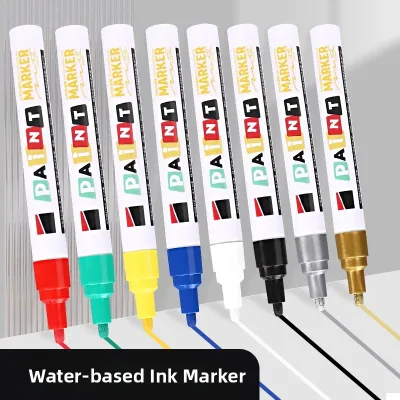
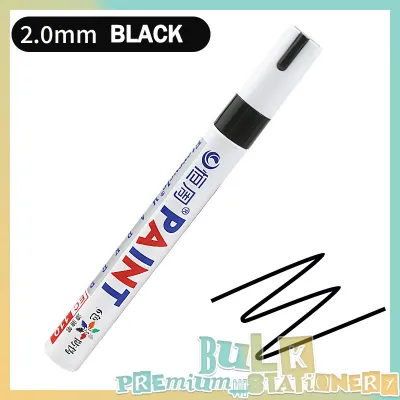
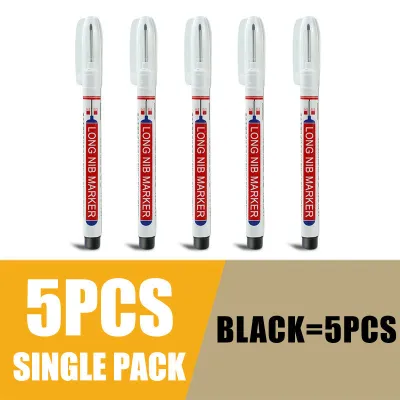
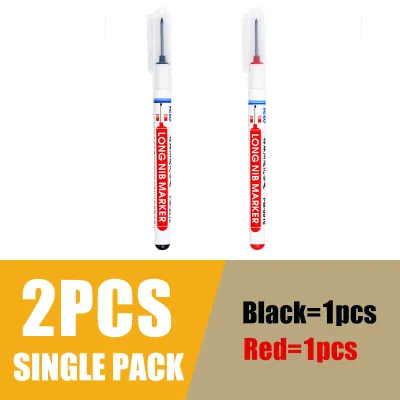
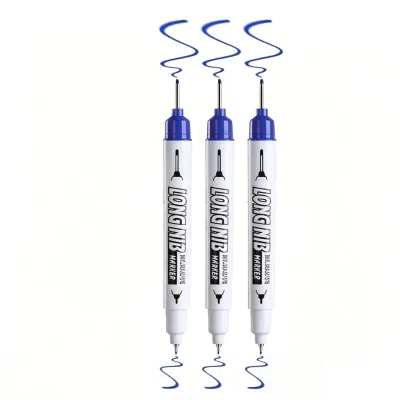
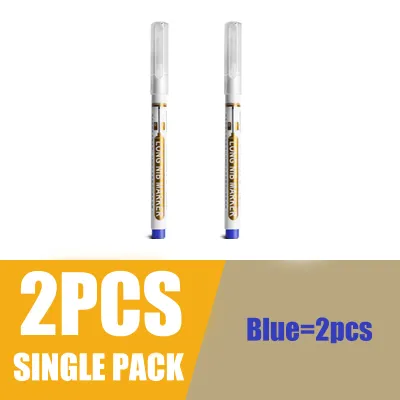
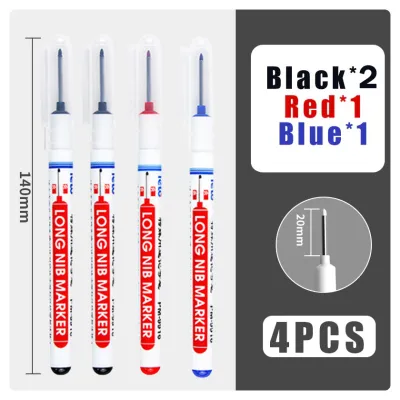
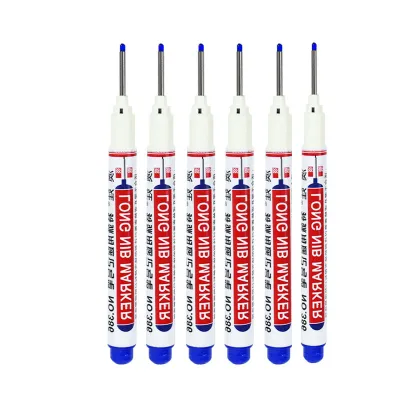
Prices are valid at publication and may change. Please refer to the product page for the latest price.
Core Selection Criteria for Steel and Metal Markers
To select the ideal marker for metal surfaces, you must evaluate several key technical dimensions. The interactions between the ink chemistry, the marker tip, the metal’s surface finish, and local environmental conditions dictate whether the mark remains legible over time.

Ink Base and Formulation The chemical composition of the ink determines how it bonds to the metal. Oil-based paint markers utilize a solvent vehicle to suspend heavy pigments. When the solvent evaporates, it leaves behind a tough, opaque polymer film that behaves like liquid enamel paint. This formulation offers excellent water resistance, high opacity, and outstanding outdoor durability, making it ideal for long-term marking on steel structures.
Water-based paint markers offer a lower-odor alternative but are less durable outdoors. In high-humidity tropical environments, water-based binders take longer to cure and can be washed away by heavy monsoon rains before they fully dry. For indoor crafts or temporary markings on clean metal, they are acceptable, but they should be avoided for structural or outdoor industrial applications.
Alcohol-based industrial permanent inks are formulated with low-viscosity dyes rather than heavy pigments. These inks dry almost instantly because the alcohol carrier evaporates rapidly, even in humid conditions. While they adhere well to smooth or slightly rough metals, they are translucent. This means dark permanent ink will virtually disappear when applied to dark, unpolished steel or oxidized iron, limiting their use to light-colored or shiny metal surfaces.
Tip Style and Valve Mechanism The physical tip, or nib, of the marker determines how smoothly the ink is delivered and how well the marker withstands the abrasive nature of metal. Standard fiber or felt tips rely on capillary action to draw ink. While adequate for smooth sheet metal, these soft tips will quickly shred, clog, or fray when dragged across rough steel, rebar, or cast iron, rendering the marker useless long before the ink supply is depleted.
To combat this, high-performance metal markers utilize a valve-action mechanism. These markers feature an internal spring-loaded valve that remains sealed until the user presses the nib down onto a surface. Pressing the tip opens the valve, allowing a fresh flow of highly pigmented, viscous paint to saturate the nib. The nibs on valve-action markers are typically made of durable, high-density acrylic, polyester, or even metal rollerballs, which resist abrasion and can be wiped clean if they accumulate dust or rust.
Solid stick formats, often referred to as grease markers or solid paint sticks, eliminate the liquid ink reservoir entirely. These markers consist of a solid, crayon-like stick of pigmented paint housed in a twist-up plastic or cardboard holder. They do not rely on tips or valves, making them completely immune to clogging or shredding on highly abrasive, rusty, or scaled steel surfaces.
Opacity and Color Contrast Achieving high visibility on steel requires careful consideration of color contrast and pigment density. Raw, hot-rolled steel, cast iron, and oxidized metals possess dark, textured surfaces that absorb light. To write legibly on these materials, you must use highly opaque markers that deposit a thick layer of physical pigment. Metallic silver, bright white, and high-visibility yellow are the industry standards for dark metals, as they reflect light and remain visible even under poor lighting conditions.
Conversely, galvanized steel, aluminum, stainless steel, and light-colored painted metals provide a bright background. On these surfaces, dark colors such as black, deep blue, or red offer the sharpest contrast. When using alcohol-based permanent markers on shiny metals, dark blue or black dyes work well because the bright metal backing reflects light through the translucent ink, making the mark stand out clearly. Before purchasing a marker, verify the opacity level indicated by the manufacturer. If you are working with dark steel, avoid markers labeled as “translucent” or “dye-based,” and instead opt for those specified as “pigmented paint” or “high-opacity.”
Durability and Environmental Resistance In the Philippines, outdoor steel installations are subjected to extreme environmental stressors, including intense ultraviolet (UV) radiation, high relative humidity, and salt-laden air in coastal regions. UV radiation breaks down the chemical bonds in standard dyes, causing them to fade or turn invisible within weeks. If your markings must survive outdoors, verify that the marker label explicitly states “UV-resistant” or “lightfast.”
Moisture resistance is equally critical. Heavy rainfall and condensation can prevent non-waterproof inks from curing, leading to smearing or complete wash-off. Oil-based paints and specialized industrial inks resist water immediately after the carrier solvent evaporates, whereas water-based alternatives require prolonged dry times to achieve basic moisture resistance. Temperature tolerance is another factor to consider, particularly if the marked steel will undergo subsequent processing. Standard markers will scorch, char, or vaporize when exposed to the heat of welding, cutting, or powder coating. If your workflow involves thermal processing, you must select specialty high-temperature markers formulated with inorganic pigments that can withstand extreme heat without losing legibility.
Recommended Marker Types by Application
Different metal-working, crafting, and industrial projects demand specific marker characteristics. Understanding the strengths, limitations, and verification steps for each primary marker type ensures you select the correct tool for your specific application.
Oil-Based Paint Markers for Smooth Steel
Oil-based paint markers are the premier choice for clean, non-porous metal surfaces where maximum visibility, durability, and a professional finish are required. These markers utilize a valve-action delivery system to deposit a thick, enamel-like layer of pigmented paint that bonds securely to the smooth surface of the steel.
These markers are ideal for labeling smooth steel pipes, marking automotive parts during assembly, numbering sheet metal panels, and executing detailed metal crafts or outdoor signage. The resulting marks are highly resistant to water, mild chemicals, and physical abrasion, ensuring they remain legible through handling and storage.
However, oil-based paint markers have distinct limitations. They require a longer drying time—typically between one to three minutes depending on local humidity levels—during which the mark is vulnerable to smudging. They also emit strong solvent odors, which necessitates working in a well-ventilated area or outdoors. Once fully cured, oil-based paint is exceptionally difficult to remove, requiring strong organic solvents like acetone or xylene to dissolve the binder.
Before purchasing, check the marker casing to confirm it is explicitly designated as “oil-based paint.” It is also wise to verify if the manufacturer offers replacement nibs. Because smooth steel can still have micro-abrasions, or if you occasionally write on rougher edges, having the ability to swap out a worn fiber tip can double the usable life of the marker’s paint reservoir.
Industrial Permanent Markers for Rough or Rusty Metal
When working with structural steel, rebar, cast iron, or metal that has been stored outdoors and developed a layer of surface rust or mill scale, oil-based paint markers can struggle. The thick paint can sit on top of loose rust particles, causing the mark to flake off, or the rough surface can quickly clog the delicate valve-action tip. In these scenarios, industrial permanent markers are the superior choice.
These markers utilize a high-flow, low-viscosity alcohol-based ink that is designed to penetrate microscopic pores, light dust, and thin layers of rust. The ink dries almost instantaneously—often in under ten seconds—making them highly efficient for fast-paced environments like construction sites, fabrication shops, and scrap metal yards.
The primary limitation of industrial permanent markers is their low opacity. Because they use dye-based inks rather than thick suspended pigments, they are semi-translucent. A black industrial marker will be nearly invisible on dark, uncleaned structural steel or rusty rebar. Additionally, while they resist water and mild abrasion, they generally offer lower UV resistance than oil-based paints, meaning they may fade over several months of direct exposure to intense tropical sunlight.
When sourcing these tools, look for packaging featuring terms like “industrial,” “heavy-duty,” “construction grade,” or “chisel tip.” Verify whether the ink formulation is specified to write through light oil, water, or rust. For dark metals, seek out specialized industrial permanent markers that utilize high-contrast, pigmented inks rather than standard dye-based formulas.
Specialty Markers for Oily, Wet, or High-Temperature Surfaces
In heavy industrial maintenance, marine environments, and metal fabrication shops, steel surfaces are rarely pristine. They are frequently coated in protective cutting oils, covered in condensation, or subjected to extreme thermal forces during welding and heat-treating processes. Standard paint and permanent markers will fail instantly under these conditions.
Solid Paint / Grease Markers Solid paint markers, also known as solid paint sticks or grease markers, are formulated from a blend of solid resins, oils, and high-density pigments. These crayon-like markers write by physically shearing off a layer of solid paint onto the metal. Because they do not rely on liquid flow or capillary action, they can write directly through thick layers of motor oil, grease, rust, and even standing water. They are highly favored in automotive repair, shipyards, and heavy machinery maintenance.
The main trade-off with solid paint sticks is that they deposit a thick, raised line of paint. This line takes longer to dry completely (often several hours) and can be easily smeared or rubbed off by physical friction during the initial handling phase. They are also unsuitable for fine, high-precision marking due to their broad, blunt writing profile.
High-Temperature / Welding Markers For steel fabrication involving welding, forging, or heat treatment, standard organic pigments will burn away, leaving no trace of the mark. High-temperature markers utilize specialized inorganic pigments and heat-resistant binders that can withstand temperatures ranging from 500°C to over 1000°C depending on the specific product formulation. These markings remain fully legible during and after the heating process, allowing welders and fabricators to track parts safely.
These specialty markers are highly single-purpose and are generally sold through specialized industrial welding supply shops rather than standard stationery stores. When purchasing, always verify the exact maximum temperature threshold listed on the product data sheet to ensure it matches your specific thermal processing requirements.
Quick Comparison of Metal Marker Types
To help you quickly determine the most suitable marker for your specific project, the following table compares the three primary categories across critical performance and handling dimensions.
| Marker Type | Best Surface Condition | Opacity on Dark Metal | Drying Time | Durability (Water/UV) | Ease of Removal |
|---|---|---|---|---|---|
| Oil-Based Paint | Smooth, clean, dry steel | Excellent (Highly Opaque) | 1–3 minutes | Very High (Excellent UV) | Difficult (Requires solvents) |
| Industrial Permanent | Slightly rough, dry, or dusty metal | Poor to Moderate (Translucent) | 5–15 seconds | Moderate (May fade in UV) | Moderate (Alcohol/Acetone) |
| Solid Paint / Grease | Oily, wet, rough, or rusty surfaces | Excellent (Thick layer) | Several hours (Slow) | High (Excellent water resistance) | Difficult (Requires scraping/solvents) |
While selecting the correct marker type from this table is essential, remember that surface preparation remains the single most critical factor in determining the ultimate lifespan of any mark. Even the most durable oil-based paint marker will fail prematurely if applied to a loose layer of rust or a heavy film of industrial grease without proper surface preparation.
Surface Preparation and Safety Guidelines
Achieving a permanent, highly visible mark on steel or metal depends heavily on how you prepare the surface before writing and how safely you handle the marking instruments. Following systematic preparation steps and observing safety boundaries will prevent premature marking failure and protect your health.
Surface Preparation Steps For smooth or polished steel, begin by removing any surface contaminants that could prevent the ink or paint from bonding directly to the metal. Wipe the marking area with a clean, lint-free microfiber cloth saturated with isopropyl alcohol or a dedicated metal degreaser. This process removes invisible oil films, manufacturing residues, and fingerprints. Allow the solvent to evaporate completely—which happens within seconds in warm climates—before applying the marker.
If you are working with rusty, scaled, or heavily oxidized steel, you must remove loose physical debris. Use a stiff wire brush or medium-grit sandpaper to scrub the marking area until you reach a stable, solid metal layer. Wipe away the resulting dust with a dry cloth. Writing directly over loose rust flakes means the mark will simply fall off as the rust continues to detach from the steel substrate.
In the humid, tropical climate of the Philippines, condensation can form on cold metal surfaces, particularly in the early morning or in air-conditioned environments. Always dry the metal thoroughly with a clean towel before writing. If moisture is unavoidable, ensure you are using a specialty solid paint marker designed to write through wet surfaces.
Priming and Sealing For outdoor steel projects, such as garden art, painted gates, or structural markers exposed to heavy monsoon rains, you can extend the lifespan of your markings by applying a clear protective coat. Once the marker ink or paint has fully cured—which typically takes 24 hours for oil-based paints—spray a thin, even layer of UV-resistant clear acrylic sealant over the marked area. This seal protects the pigment from direct atmospheric moisture and UV degradation.
Safety and Handling Boundaries Most high-performance metal markers, particularly oil-based paint and industrial permanent types, rely on volatile organic solvents to keep the ink liquid. These solvents emit volatile organic compounds (VOCs) that can cause headaches, dizziness, or respiratory irritation if inhaled in concentrated amounts. Always work in a well-ventilated area, preferably outdoors or near open windows with active fan circulation.
Because these solvents are highly flammable, never use oil-based or industrial markers near open flames, welding torches, or active heat sources. Store your markers horizontally when not in use. Storing them vertically can cause the heavy pigments to settle at the bottom of the reservoir, clogging the valve mechanism, or cause the solvent to pool at the tip, leading to leaks and premature drying.
Skin Protection Industrial inks and oil-based paints are formulated to resist water and abrasion, which makes them notoriously difficult to wash off human skin. Prolonged or repeated skin contact with solvent-based inks can cause contact dermatitis or irritation. It is highly recommended to wear nitrile gloves when handling these markers, especially during heavy industrial use or when priming valve-action tips, to prevent accidental skin exposure.
Frequently Asked Questions (FAQ)
Will standard permanent markers last on outdoor steel?
Standard office permanent markers will not last on outdoor steel surfaces. While they may initially write smoothly on clean metal, their alcohol-based inks utilize organic dyes that lack UV inhibitors. Under the intense tropical sunlight of the Philippines, these dyes break down rapidly, causing the mark to fade to near-invisibility within a few weeks. Furthermore, the thin ink layer lacks robust physical binders, meaning it will easily wash away or erode when exposed to heavy monsoon rains and wind-driven dust. For outdoor steel, you should always opt for highly pigmented oil-based paint markers or specialized UV-resistant industrial markers.
How can I remove dried paint marker ink from metal?
Removing dried oil-based paint marker ink from steel requires the use of organic solvents to break down the cured paint binder. Apply a small amount of acetone, mineral spirits, or high-strength isopropyl alcohol to a clean, non-abrasive rag, and press it against the mark for 30 to 60 seconds to soften the paint. Gently scrub the area until the pigment lifts. Before applying any solvent, always test it on an inconspicuous, hidden area of the metal first. This step is crucial to verify that the solvent does not dissolve or damage any existing paint, clear coats, or protective anti-corrosion treatments applied to the steel.
What is the best marker color for dark steel surfaces?
The best marker colors for dark, raw, or oxidized steel surfaces are highly opaque, light-reflective shades such as metallic silver, bright white, and high-visibility yellow. These colors rely on dense physical pigments, such as titanium dioxide, which sit on top of the dark metal and block it out completely. Standard dark marker colors, including black, dark blue, and forest green, will blend into the dark background of the steel and become virtually invisible, even if the ink is labeled as permanent. For galvanized or shiny aluminum surfaces, dark colors like black or deep red provide the best contrast.
Community discussion
Share your experience or ask a question. Comments are reviewed before publication.