
Creating authentic Kandi bracelets requires a specific selection of materials to capture the vibrant, stackable, and durable qualities central to rave and festival culture. The absolute best materials for making these bracelets are plastic pony beads—specifically those made from high-quality acrylic or polystyrene—paired with a resilient elastic polymer cord. If you are looking to assemble or purchase a kandi beads set, focusing on classic 6x9mm cylindrical pony beads, bold letter beads, and durable 0.8mm to 1.0mm stretch string will ensure your creations are both visually striking and structurally sound.
While jewelry making often encourages the use of precious metals, delicate glass, or natural stones, Kandi culture operates on a completely different set of functional and aesthetic rules. The materials you choose must withstand high-energy environments, friction, and the physical wear of trading. Understanding the cultural and practical requirements of these materials will help you select components that look authentic, feel comfortable, and stand the test of time.
What Makes a Kandi Bracelet Authentic?
Authentic Kandi bracelets are deeply rooted in electronic dance music (EDM) and rave culture, serving as physical symbols of the PLUR ethos: Peace, Love, Unity, and Respect. These bracelets are not merely fashion accessories; they are currency of friendship and connection, exchanged through a unique four-step handshake. Because of this trading tradition, the materials must support a highly tactile, shareable, and communal experience.
Products mentioned in this guide
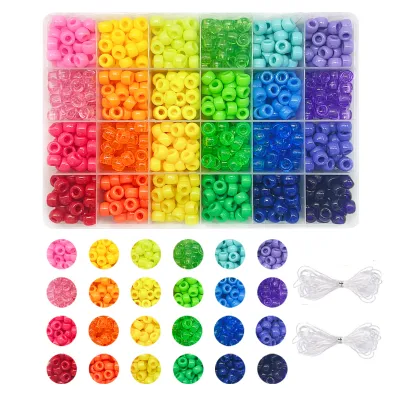
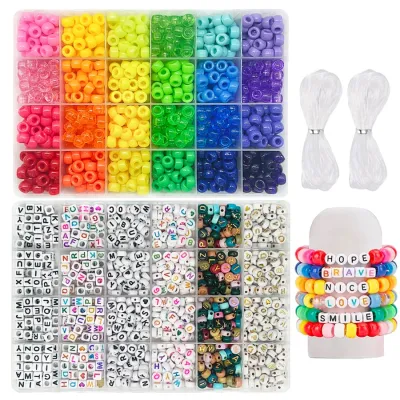
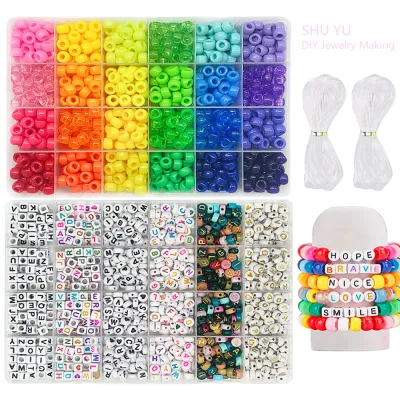
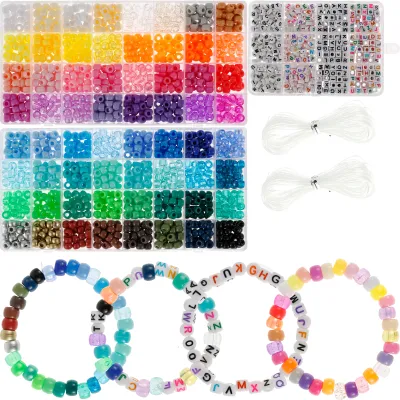
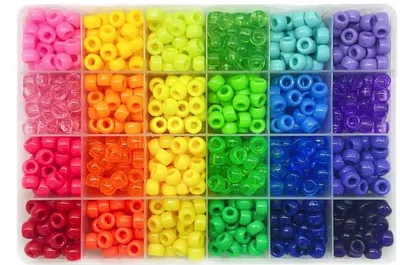
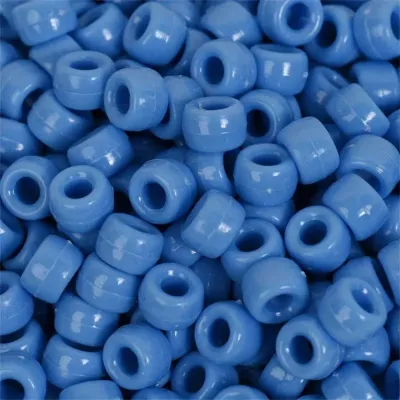
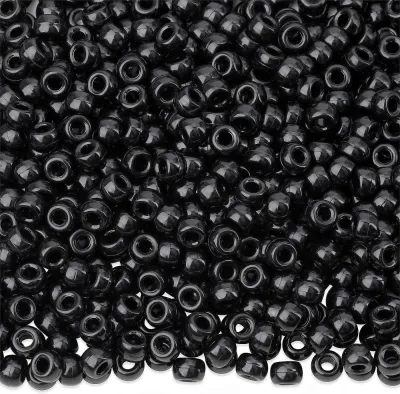
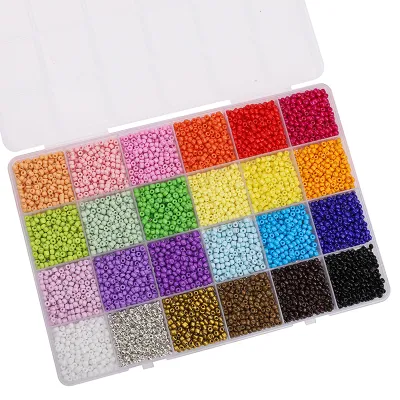
Prices are valid at publication and may change. Please refer to the product page for the latest price.
Visually, authentic Kandi is defined by its bright, unapologetic aesthetic. It features vibrant primary colors, neon shades, and playful patterns that stand out under strobe lights and blacklights. Tactileness is equally important. The classic “click” sound of plastic beads knocking against each other as you move your arms is a signature characteristic of a true Kandi stack.
To participate fully in trading, your bracelets must be highly stackable. Ravers often wear dozens of bracelets at once, covering their forearms from wrist to elbow. In tropical climates like the Philippines, where high humidity and warm temperatures are the norm at outdoor music festivals, these stacks must remain lightweight, non-irritable to the skin, and completely resistant to sweat. Choosing authentic, lightweight plastic materials ensures that a heavy stack remains comfortable to wear for hours of dancing without weighing you down or causing skin chafing.
Comparing Bead Materials: Why Plastic is the Standard
When selecting materials for your Kandi designs, plastic is the undisputed standard. However, understanding how plastic compares to other jewelry materials highlights why alternative options fall short for this specific craft.

Plastic (Acrylic and Polystyrene)
Plastic pony beads made from acrylic or polystyrene are the traditional choice for several practical reasons:
- Weight: Plastic is incredibly lightweight, allowing you to stack thirty or forty bracelets on a single arm without physical strain.
- Color Variety: Plastic can be easily manufactured in bright neons, pastels, glow-in-the-dark shades, and UV-reactive formulations that are difficult to achieve in other mediums.
- Affordability: Plastic beads are highly cost-effective, making it feasible to produce hundreds of bracelets for trading without a massive financial investment.
- Durability: They do not shatter when dropped on hard concrete dance floors or subjected to accidental impacts.
Glass and Crystal
While glass and crystal beads are beautiful for traditional jewelry, they are highly impractical for Kandi:
- Safety Hazards: Glass can easily shatter under pressure or during high-energy dancing, creating sharp shards that pose a severe safety risk to you and surrounding festival-goers.
- Excessive Weight: Stacking even ten glass bracelets creates a heavy, uncomfortable weight on your wrists.
- High Cost: The cost per bead is significantly higher, making mass trading economically impractical.
Wood and Metal
Natural wood and metal beads present unique environmental and physical limitations:
- Moisture Sensitivity: Wood is highly porous. In humid environments or when exposed to heavy sweat, wooden beads absorb moisture, which can lead to swelling, cracking, warping, and the growth of mold or unpleasant odors over time.
- Corrosion and Skin Discoloration: Many inexpensive metal beads tarnish, rust, or turn green when exposed to sweat and humidity. Additionally, metal beads can heat up significantly under the direct tropical sun, causing skin discomfort.
- Aesthetic Mismatch: Neither wood nor metal naturally supports the neon, high-contrast, and playful color palettes essential to the Kandi aesthetic.
For the best results, prioritize high-gloss, matte, or translucent plastic pony beads. These finishes offer the perfect balance of durability, safety, comfort, and vibrant visual appeal under various lighting conditions.
Choosing the Right Bead Shapes, Sizes, and Lettering
To construct recognizable and comfortable Kandi designs, you must pay close attention to the shapes, physical dimensions, and specialty elements of your beads.
Standard 6x9mm Pony Beads
The absolute foundation of any Kandi project is the classic pony bead. These beads typically measure 6mm in width and 9mm in diameter, featuring a distinct cylindrical or barrel-like shape with rounded edges. The most critical feature of the standard pony bead is its large inner hole, which usually measures approximately 4mm. This spacious opening is essential because it allows you to pass thick elastic cord through the bead multiple times. This multi-pass capability is crucial when weaving complex multi-row cuffs, 3D structures, or mask designs.
Letter Beads
Letter beads are the storytelling elements of Kandi, allowing you to spell out artist names, favorite songs, inside jokes, or uplifting PLUR messages. These beads generally come in two shapes: flat, coin-like discs (7mm) or small cubes (6mm). When purchasing letter beads, verify the orientation of the stringing hole. Coin-shaped letter beads typically have horizontal holes, meaning the letters read left-to-right when strung on a single strand. Ensure the printing is centered, bold, and highly legible so your messages can be easily read in dim festival environments.
Specialty and Novelty Shapes
To add personality and focal points to your designs, incorporate specialty shapes. Popular options include stars, hearts, smiley faces, animal shapes, and miniature skulls. These novelty beads serve as excellent spacers or centerpieces, breaking up the repetition of standard pony beads and adding a playful, customized touch to your traded pieces.
Color Finishes and Visual Effects
The finish of your plastic beads dramatically alters how they behave under different lighting systems:
- Opaque: Solid, bright colors that provide excellent contrast and visibility in daylight.
- Translucent (Jelly): Clear, colored plastics that catch and filter light, offering a lighter, glass-like appearance without the weight or fragility.
- Glow-in-the-Dark: Phosphorescent beads that charge under light and emit a soft glow in pitch-black environments.
- UV-Reactive: Beads that change color or intensify in brightness when exposed to sunlight or UV blacklights, making them highly dynamic for outdoor daytime festivals that transition into night events.
Selecting the Best Stringing Cord for Durability
Your choice of stringing material determines whether your bracelet will survive a weekend of dancing or snap unexpectedly during a trade. The cord must offer a balance of strength, stretch, and knot security.
Polyurethane Elastic Cord
Often referred to by popular brand names like Stretch Magic, clear polyurethane elastic cord is a favorite among Kandi makers. It is nearly invisible, waterproof, and highly resistant to fraying. For standard 6x9mm pony beads, a thickness of 0.8mm to 1.0mm is ideal. It is thick enough to support the weight of the plastic beads without sagging, yet thin enough to be threaded through the bead holes multiple times for complex designs. Polyurethane cord has excellent stretch recovery, meaning it returns to its original size after being stretched over a hand.
Fabric-Covered Elastic Cord
Fabric-covered elastic cord consists of multiple thin rubber strands encased in a woven polyester or nylon sleeve. This cord is incredibly durable, highly flexible, and exceptionally easy to knot, as the fabric casing creates friction that prevents knots from slipping. It is an excellent choice for beginners and for creating heavy, multi-row cuffs. However, because it is opaque (usually white or black), the cord will be visible between the beads, which may affect the look of translucent or clear bead designs.
Non-Stretch Cord
While elastic is standard for wearable bracelets, non-stretch nylon or polyester cord (such as micro-paracord or heavy-duty beading thread) is highly useful for specific structural projects. Use non-stretch cord when building large, rigid 3D Kandi pieces, bags, or wall hangings where stretch would cause the structure to sag, deform, or lose its shape under its own weight.
Securing Knots and Cord Care
To ensure your elastic bracelets do not unravel, secure your knots properly. The surgeon’s knot (a square knot with an extra pass) is the most reliable knot for elastic cord. Once the knot is tied tightly, apply a very small drop of flexible jewelry glue to the knot to lock it in place.
Safety and Care Note: Always read the adhesive manufacturer’s safety and ventilation instructions before application. Once the glue is dry, slide the knot inside the inner hole of an adjacent pony bead to hide it from view, protecting the knot from friction and ensuring a clean, professional finish.
Building Your Kandi Beads Set: Tools and Organization
As your collection grows, keeping your materials organized and having the right tools on hand will make the crafting process much faster and more enjoyable.
Essential Auxiliary Tools
While you can make Kandi with just beads and string, a few simple tools will save you time and frustration:
- Sharp Craft Scissors or Flush Cutters: Essential for making clean cuts on elastic cord without fraying the ends.
- Bead Design Board or Felt Mat: A textured surface prevents your cylindrical pony beads from rolling off the table while you plan your patterns.
- Bead Stoppers or Spring Clips: Clipping these onto the end of your elastic cord prevents beads from sliding off the opposite end while you are still stringing.
Storage and Organization Solutions
Sorting your beads is critical for efficient designing. Multi-compartment plastic organizer boxes with adjustable dividers are highly recommended. Group your standard pony beads by color family (e.g., warm tones, cool tones, neutrals, neons).
For letter beads, use a dedicated organizer with small compartments to sort letters alphabetically. Having separate slots for high-use vowels (A, E, I, O, U) and common consonants (S, T, R, L) will save you from sorting through a chaotic pile of mixed letters every time you want to spell a word.
Evaluating Pre-Packaged Kandi Beads Sets
When shopping on online marketplaces or at local craft stores, you will find pre-packaged kits ranging from ₱250 to ₱800, depending on the bead count and included tools. To ensure you get a high-quality set, use the following checklist:
- Bead Dimensions: Confirm the pony beads are standard 6x9mm with a 4mm hole, rather than tiny seed beads.
- Letter Distribution: Ensure the kit contains a balanced mix of individual letters rather than a completely random assortment that might leave you without essential vowels.
- Cord Quality: Verify the kit includes a roll of durable 0.8mm or 1.0mm elastic cord rather than thin, fragile thread.
- Material Safety: Look for sets labeled as non-toxic, lead-free, and acid-free, especially if you plan to share these crafts with younger family members.
Designing for Comfort and the Trading Culture
To make bracelets that people will cherish and wear comfortably, you must design with the physical realities of the trading culture in mind.
Singles vs. Cuffs and 3D Kandi
Different Kandi styles require different structural approaches:
- Singles: These are single-row elastic bracelets. They should be slightly loose on the wrist so they can be easily slid off during a trade without snapping. A standard single bracelet typically uses 25 to 30 pony beads.
- Cuffs: Multi-row bracelets (such as the "X-base" or "ladder" cuff) require a tighter tension. Use a slightly thicker cord (1.0mm) to maintain the structural integrity of the wider band.
- 3D Kandi: Large, sculptural pieces like 3D cuffs, crowns, or masks require precise tension management. If the tension is too loose, the structure will sag; if it is too tight, the elastic may be overstressed and snap. Mixing non-stretch cord for the base and elastic cord for the wearable sections is a great way to balance comfort and structure.
Designing Sought-After Trades
To make your Kandi highly desirable for trading, focus on thoughtful personalization and clean execution. Use color combinations that represent specific music genres, local festival themes, or seasonal aesthetics. Pair your letter beads with relevant charms or specialty star beads that match the theme of the spelled word.
Ultimately, the durability of your bracelet is the ultimate sign of respect in the PLUR community. Taking the time to select high-quality plastic pony beads, using thick and resilient elastic cord, and properly securing your knots with a drop of flexible glue ensures that your Kandi will survive the energy of the dance floor and remain a lasting keepsake for the person who receives it.
Community discussion
Share your experience or ask a question. Comments are reviewed before publication.