
Finding the perfect mini watercolor set as a beginner in the Philippines means balancing affordability, portability, and paint quality. A great starter kit should allow you to explore color mixing without overwhelming you with too many supplies or draining your budget. For most beginners, a pocket-sized set containing 12 to 24 half-pans of student-grade watercolor paint offers the ideal entry point. These compact kits are easy to carry around, fit neatly onto small desks, and provide a manageable range of colors to help you master the basics of watercolor painting.
In a tropical country where beautiful landscapes, vibrant street scenes, and cozy cafes serve as constant inspiration, having a portable creative outlet is incredibly rewarding. Whether you want to sketch in a local coffee shop in Manila, paint the shores of La Union, or simply practice at your dining table, a mini watercolor set is the most practical choice. It eliminates the friction of setting up a large studio space, making it much easier to build a daily painting habit.
What to Look for in Your First Mini Watercolor Set
Pan Size and Paint Quality
When shopping for watercolors, you will encounter two main forms: tubes and pans. Mini sets almost exclusively use pans, which are small plastic blocks filled with dry, semi-moist paint that reactivates when touched with a wet brush. The standard size for travel sets is the half-pan, measuring roughly 1.5 cm by 2 cm. This size is highly practical because it holds enough paint for dozens of small sketches while keeping the overall palette incredibly compact.
Products mentioned in this guide
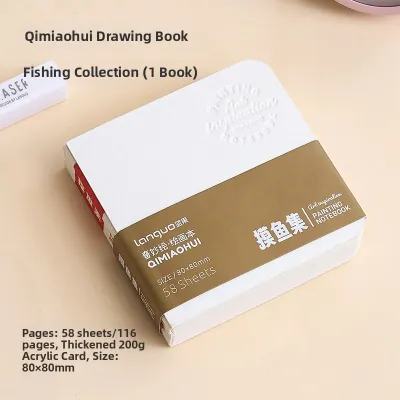
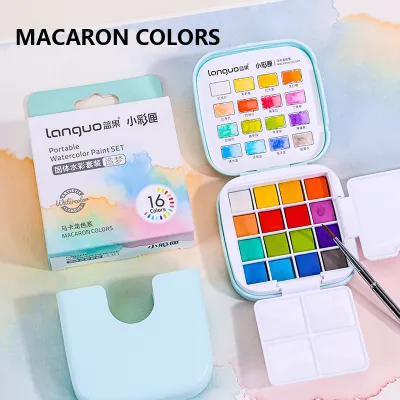
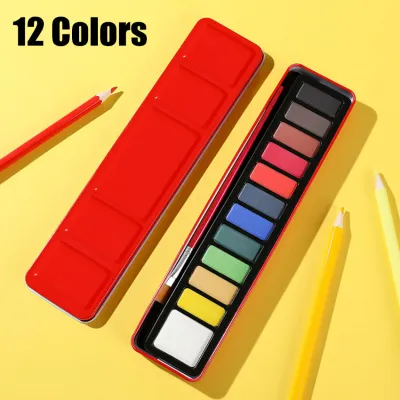
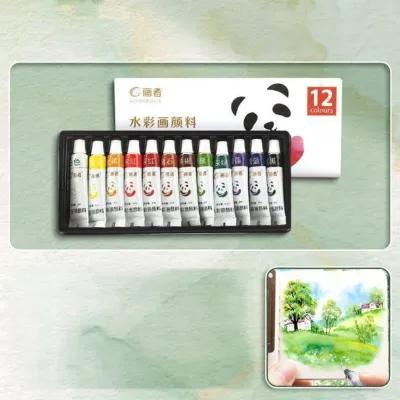
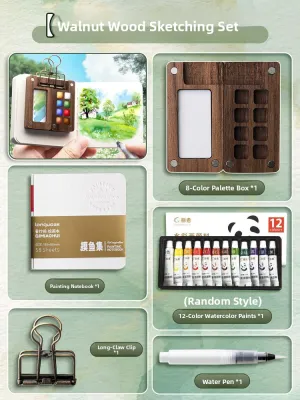
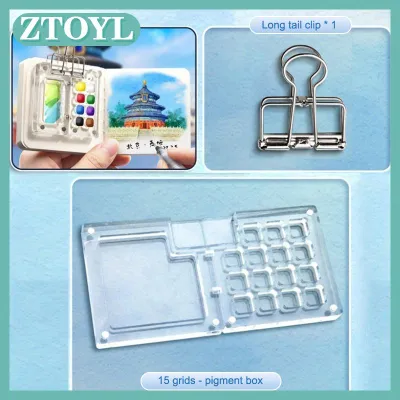
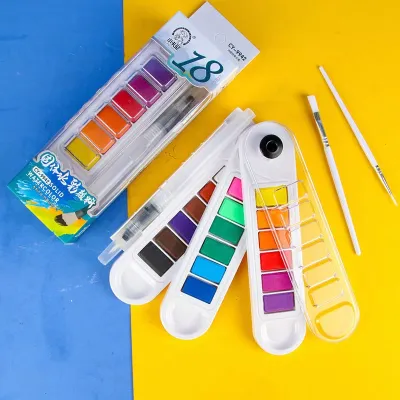
Prices are valid at publication and may change. Please refer to the product page for the latest price.
Paint quality is generally divided into student-grade and professional-grade (or artist-grade). Student-grade paints are formulated with affordable synthetic binders and lower pigment concentrations, often supplemented with fillers. This makes them highly economical and perfect for learning. Professional-grade paints, on the other hand, contain high-quality, finely ground natural pigments with minimal fillers, resulting in brighter colors, better lightfastness, and smoother washes. For beginners, starting with a reputable student-grade set is highly recommended to avoid the anxiety of wasting expensive materials.
Color Selection
It is tempting to buy a massive palette with 48 or more colors, but this can actually hinder your learning process. A mini watercolor set with 12 to 24 colors is the sweet spot for beginners. Having a limited selection forces you to learn color mixing, which is one of the most critical skills in watercolor painting. You will quickly discover how to create warm and cool tones, muted neutrals, and vibrant secondary colors using just a few basic pans.
A well-curated 12-color set typically includes warm and cool versions of the primary colors (red, yellow, and blue), along with a few earth tones like burnt sienna and ochre. This minimal setup keeps your workspace clean and prevents your paintings from becoming muddy. As you gain confidence, you can easily expand your range, but starting small ensures you focus on values, water control, and basic techniques first.
Portability and Casing
The physical design of your mini set determines how often you will actually use it. Look for pocket-sized casings made of durable plastic or lightweight metal tins. Metal tins with a thumb ring on the bottom are highly favored by urban sketchers, as they allow you to hold the palette securely in one hand while painting with the other. The latch should feel secure so the set does not pop open inside your bag and ruin your other belongings.
A built-in mixing palette is another essential feature. Most mini sets design their lids to fold out into multiple mixing wells. Plastic cases often have molded compartments, while metal tins feature fold-out metal flaps. Ensure the mixing areas are white or neutral grey, as colored backgrounds will distort your perception of the paint colors you are mixing. The mixing surface should also be easy to wipe clean with a damp cloth or sponge.
Budget Expectations
In the Philippines, mini watercolor sets are available across several distinct price tiers, making it easy to find something that fits your budget. Entry-level student sets from local stationery stores or online marketplaces typically range from ₱150 to ₱500. These are highly accessible and great for absolute beginners who want to try the medium without making a major financial commitment.
Mid-range student sets, which offer a noticeable step up in pigment quality and casing durability, generally cost between ₱500 and ₱1,500. These sets often feature better-known international stationery brands and are highly recommended for hobbyists who want reliable performance. Premium travel sets, which utilize artist-grade pigments, start around ₱2,500 and can go up to ₱6,000 or more. While these are excellent investments, they are generally unnecessary for those just starting out.
Recommended Mini Watercolor Sets for Beginners
Best for Absolute Beginners on a Strict Budget
For those who want to dip their toes into watercolor painting without spending a lot of money, budget-friendly student-grade sets are the perfect starting point. These sets, often priced under ₱500, typically feature basic plastic casings and molded pans. They are designed to be straightforward, lightweight, and highly accessible for casual sketching, bullet journaling, or school projects.

While these budget sets are highly affordable, they do come with certain trade-offs. The pigment load is generally lower, meaning the colors may look slightly chalky or faded once they dry on the paper. They also tend to have lower lightfastness, which means your artwork may fade over time if exposed to direct sunlight. Additionally, the small plastic brushes included in these cheap sets are often stiff and prone to shedding, so you will likely want to replace them with a decent standalone brush early on.
When purchasing a budget watercolor set in the Philippines, always verify the product label for safety certifications. Look for terms like “non-toxic” or certifications such as AP (Approved Product) from the Art and Creative Materials Institute (ACMI) or European EN71 standards. This is especially important if the set will be used by younger students or in shared household spaces, ensuring that the pigments do not contain harmful heavy metals or toxic solvents.
Best for Urban Sketching and Portability
If your goal is to paint outdoors, in local cafes, or while traveling around the Philippines, portability and durability should be your top priorities. The ideal urban sketching set features a sturdy metal tin with a secure latch that can withstand being tossed into a backpack. These tins are designed to hold half-pans securely in place with metal clips, preventing them from rattling around during transit.
A major advantage of these travel-focused sets is the inclusion of a built-in water brush. A water brush features a hollow plastic handle that you fill with tap water, eliminating the need to carry a separate water jar. By gently squeezing the barrel, you can control the flow of water directly to the synthetic bristles. Many compact metal tins also feature a dedicated slot down the center specifically designed to hold a collapsible pocket brush or a short-handled water brush, making the entire kit completely self-contained.
The primary limitation of highly compact travel sets is their physical size. The small half-pans hold a limited volume of paint, which means you may need to rewet them frequently during long painting sessions. Mixing large washes of color can also be challenging due to the limited surface area of the fold-out mixing wells. However, for quick sketches, postcard-sized paintings, and journal entries, the convenience of a pocket-sized metal tin far outweighs these minor limitations.
Best for Learning Color Mixing (24-Color Compact Sets)
For beginners who want to explore a wider range of hues without carrying a bulky palette, a 24-color compact set offers an excellent middle ground. These sets are designed to pack two dozen half-pans into a casing that is only slightly larger than a standard 12-color tin. Having 24 pre-mixed colors allows you to quickly find the exact shade you need, which can be highly encouraging when you are still learning how pigments behave.
With more colors at your disposal, you can experiment with pre-mixed earth tones, vibrant secondary greens, and deep purples. However, having more options also carries a risk for beginners. It is easy to fall into the trap of overmixing multiple colors on your palette, which quickly results in a dull, muddy gray or brown. To avoid this, use the palette space efficiently by keeping your mixing wells clean and limiting your mixtures to two or three colors at a time.
The physical layout of a 24-color mini set is highly optimized. The half-pans are usually arranged in tight rows, leaving less built-in mixing space compared to a spacious 12-color tin. Some designs address this by incorporating fold-out plastic trays or removable mixing wells that slide out from underneath the main case. When choosing a 24-color set, look for designs that maximize this mixing area so you have enough room to dilute your paints and test your color combinations before applying them to your paper.
Best Premium Upgrade for Serious Hobbyists
If you are committed to pursuing watercolor painting as a long-term hobby and have a flexible budget, investing in a premium upgrade is highly rewarding. These sets, which often cost ₱2,500 or more, feature professional-grade pigments that offer a completely different painting experience. The pigment concentration is significantly higher, meaning a tiny dab of paint goes a long way and produces incredibly vibrant, luminous washes.
In addition to vibrant color, premium paints offer superior granulation—a beautiful texture where pigment particles settle into the valleys of the paper—and excellent lightfastness, ensuring your artwork remains vibrant for decades. This makes premium sets the ideal choice for hobbyists who plan to sell their original paintings, scan their work for high-quality digital prints, or preserve their art in keepsakes. The smooth, predictable flow of high-end paint also reduces frustration, allowing you to focus entirely on mastering your brushwork.
Many premium travel sets are designed with customization in mind. Instead of being locked into a pre-selected range of colors, these high-end tins often allow you to slide out the metal tracks and rearrange the pans. You can easily purchase empty half-pans and fill them with your favorite professional tube paints, or buy individual replacement pans of specific colors as you empty them. This modular approach allows your mini set to grow and evolve alongside your personal artistic style.
Essential Accessories to Complete Your Travel Kit
Watercolor Paper
The most common mistake beginners make is using standard printer paper or thin sketchbooks for watercolor painting. Watercolor is a wet medium that relies on water to flow and blend. Standard paper lacks the thickness and sizing required to handle water, causing it to warp, buckle, and pill almost immediately. For a successful painting experience, you must use dedicated watercolor paper.
Look for paper that is labeled as cold-pressed and has a weight of at least 300gsm (grams per square meter) or 140lb. Cold-pressed paper has a slightly textured surface that grips the pigment beautifully and allows for smooth washes. For travel and outdoor painting, compact watercolor blocks or pads are ideal. A watercolor block is glued on all four sides, which keeps the paper flat while you paint and prevents warping; once the painting is dry, you simply slice it off the block with a plastic card or palette knife.
Brushes
Many mini watercolor sets come with a tiny, collapsible travel brush. While these are convenient in an emergency, they are often too small and stiff to paint comfortably. To improve your painting experience, it is highly recommended to purchase at least one high-quality standalone brush. A size 6 or size 8 round synthetic brush is the most versatile choice for beginners.
A good synthetic round brush should hold a generous amount of water and paint (referred to as a water charge) while maintaining a sharp, fine point when wet. This allows you to paint broad washes of color using the belly of the brush, and then quickly switch to fine details using just the tip. Look for brushes made from synthetic sable fibers, which mimic the water-holding capacity of natural hair while offering excellent spring, durability, and affordability.
On-the-Go Essentials
To turn your mini watercolor set into a fully functional travel kit, you will need a few lightweight, practical accessories. A collapsible silicone water cup is a fantastic addition; it folds flat to save space in your bag and pops open to hold a stable volume of water. These cups are durable, easy to clean, and far more secure than flimsy plastic cups that can easily tip over on uneven outdoor surfaces.
A small natural sponge, a piece of microfiber cloth, or a folded paper towel is also essential for moisture control. You will use this constantly to dab excess water from your brush, clean your mixing palette, or lift wet paint from your paper to create highlights. Finally, if you are using loose sheets of watercolor paper, bring a small, rigid plastic or wooden board with a couple of binder clips. This provides a stable, flat surface to support your paper while painting on your lap or on a park bench.
How to Use and Care for Your Mini Watercolor Set
Reactivating Paint
Because mini watercolor sets utilize dry pans, the paint can sometimes feel hard or difficult to lift when you first touch it with a wet brush. To make your painting session much smoother, use a small misting spray bottle filled with clean water to lightly spray your entire palette a few minutes before you begin painting. This allows the water to soak into the dry paint, softening the surface and reactivating the pigments.
By pre-wetting your pans, you avoid having to scrub the dry paint with your brush bristles, which can quickly damage and fray the fine tip of your brush. It also ensures that you can lift a rich, highly concentrated amount of pigment immediately, resulting in more vibrant colors on your paper. If you do not have a spray bottle, you can simply use a clean brush to place a couple of drops of clean water onto each pan before you start.
Cleaning the Palette
After a painting session, your built-in mixing wells will likely be covered in pools of muddy, mixed colors. While some artists like to leave these mixtures for future use, it is generally best for beginners to clean the mixing areas regularly to prevent color contamination. Use a damp microfiber cloth, a soft sponge, or a paper towel to gently wipe away the leftover paint from the plastic or metal mixing surfaces.
Avoid using harsh chemical cleaners, abrasive sponges, or scrubbing pads, as these can scratch the smooth surface of your palette. Scratches will cause future paint mixtures to bead up or stain the surface permanently, making it harder to see the true colors you are mixing. If some highly staining pigments leave a slight tint on the white plastic or metal, a quick wipe with a tiny amount of mild dish soap and warm water will usually restore the clean surface.
Humidity and Mold Prevention
In the tropical, highly humid climate of the Philippines, caring for your watercolor set requires extra attention. Moisture is the primary catalyst for mold growth, and watercolor pans contain organic binders like gum arabic or honey, which can attract mold if left damp in a dark, enclosed space. Closing your watercolor tin immediately after painting while the pans are still wet is a recipe for ruined paint.
To prevent mold, always leave your watercolor set open in a well-ventilated room to air-dry completely after every painting session. Allow the pans and the mixing wells to dry until they are dry to the touch before snapping the lid shut. If you live in an exceptionally humid area, you can occasionally leave your open watercolor tin in an air-conditioned room, as air conditioning naturally dehumidifies the air and draws out residual moisture. Storing your closed set with a small packet of silica gel inside your art bag is also an excellent way to keep damaging humidity at bay.
Frequently Asked Questions (FAQ)
Can I use mini watercolor sets for large paintings?
While it is technically possible to use a mini watercolor set for large paintings, it is highly inefficient. The small half-pans are designed for smaller brushes, making it difficult to lift enough paint to cover large areas quickly. Additionally, the limited mixing space on a mini palette makes it hard to mix the large volumes of uniform washes required for big skies or backgrounds. For paintings larger than A4 size, using watercolor tubes or full-size pans is much more practical, as they allow you to use larger wash brushes and mix generous pools of paint.
How do I prevent mold on my watercolor pans in humid weather?
To prevent mold on your watercolor pans in humid tropical weather, never close your palette while the paint or casing is still damp. Always leave the tin open in a dry, well-ventilated room until the pans are completely dry to the touch. You can also leave the open set in an air-conditioned room to draw out deep moisture, or store your dry palette in a sealed container with a few silica gel packets to absorb any ambient humidity.
Community discussion
Share your experience or ask a question. Comments are reviewed before publication.