
Selecting the right physical tool to manage your personal finances is a practical step toward achieving long-term financial stability. A money savings binder serves as the physical hub for your budgeting journey, but its effectiveness depends entirely on how well its design matches your tracking habits. Whether you rely on physical cash, digital transactions with paper logs, or a combination of both, the structural features of your binder will determine if your system remains sustainable over time.
Different budgeting methods impose unique physical demands on a binder. Cash-heavy systems require secure, expandable storage that can handle weight and bulk without warping. Conversely, paper-based tracking methods prioritize a flat writing surface, smooth ring transitions, and precise page dimensions. By analyzing your daily routine and financial habits, you can select a binder configuration that supports, rather than hinders, your organizational goals.
How to Match Your Binder to Your Budgeting System
Your budgeting method is the primary factor that dictates the physical requirements of your binder. If you practice cash stuffing, your binder must act as a secure wallet, holding multiple plastic pouches filled with paper bills. If you prefer the traditional envelope system, you need a layout that allows for rapid, daily access to specific categories. For those who rely on printed tracker sheets, the priority shifts to writing comfort, page capacity, and paper compatibility.
Products mentioned in this guide
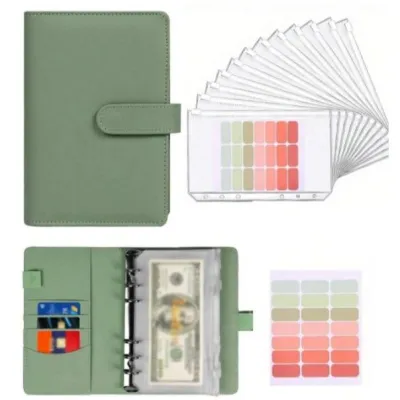
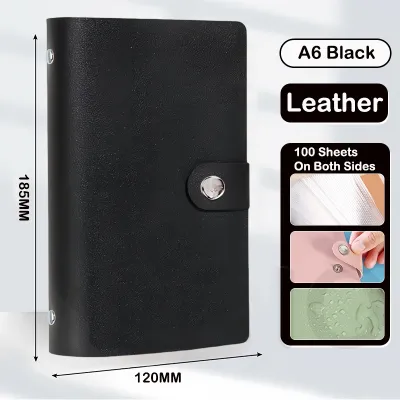
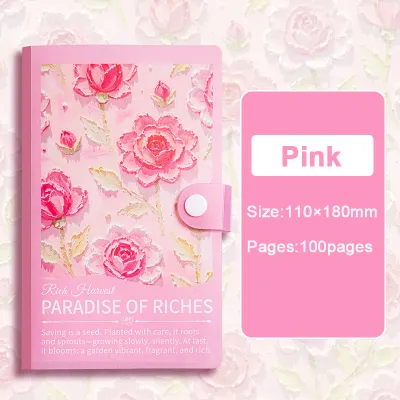
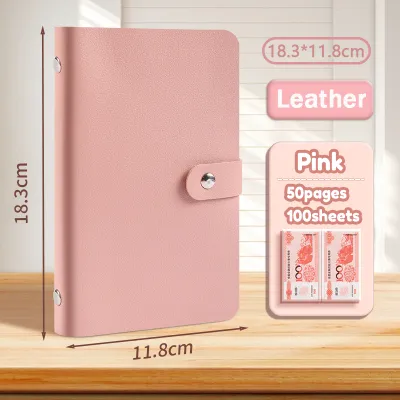
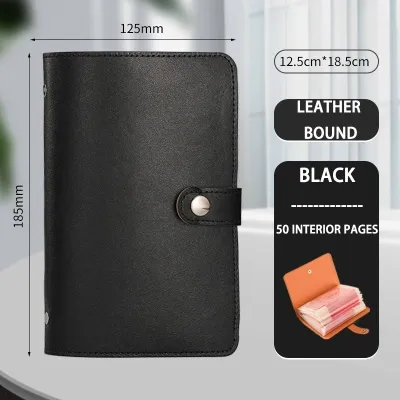
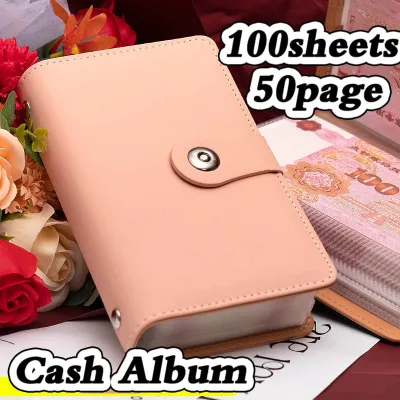
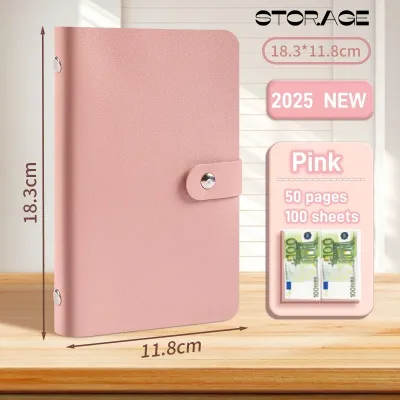
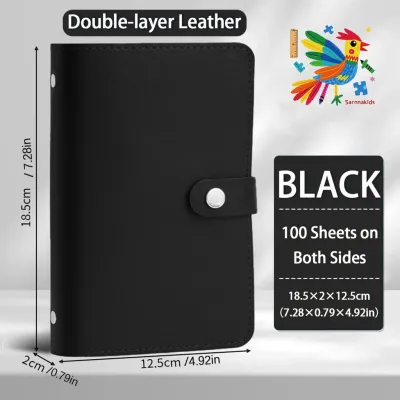
Prices are valid at publication and may change. Please refer to the product page for the latest price.
Physical currency and paper inserts behave differently under pressure. Cash-heavy methods require a binder with a flexible spine and an adjustable closure mechanism, such as an elastic band or a long magnetic strap, to accommodate the inevitable expansion. Paper-based methods, on the other hand, require structural rigidity so that you can write comfortably on both sides of a page without the rings obstructing your hand.
Standard binder sizes play a crucial role in balancing portability with writing space. Choosing the wrong size can make your budgeting system too cumbersome to carry or too small to write in legibly:
- A6 Size: Measuring approximately 4.1 by 5.8 inches, this is the industry standard for cash stuffing. It is highly portable, fitting easily into most daily handbags, totes, or glove compartments. It is ideal for those who need to carry their cash envelopes to physical stores.
- A5 Size: Measuring roughly 5.8 by 8.3 inches, this size is preferred for detailed paper tracking and expense journaling. It offers a generous writing area for monthly calendars and debt payoff grids, though it is significantly bulkier to transport.
- Personal Size: Sitting between A6 and A5 at approximately 3.75 by 6.75 inches, this size is narrower than A6. It provides a comfortable compromise for users who want portable cash storage with slightly more vertical space for written logs.
The ring mechanism and binding style are the backbone of any binder system. Most budgeting binders utilize a standard 6-ring metal mechanism, but the diameter of these rings varies. Smaller 0.75-inch rings keep the binder slim but limit the number of inserts, while larger 1.2-inch rings support substantial bulk but make the binder much wider. The closure style—whether a snap button, magnetic clasp, or wrap-around zipper—must match the maximum thickness you expect your binder to reach when fully loaded.
Top Binder Configurations for Cash Stuffing and Envelope Systems
Cash stuffing and traditional envelope systems require a binder designed for security, durability, and high volume. Because physical bills and coins add weight and bulk, a standard notebook cover will quickly fail under the strain. You need a configuration that treats cash as a secure asset while keeping individual categories separated and easy to access.

High-capacity zipper pouches are essential for this method. These pouches should be constructed from thick, transparent plastic that allows you to see the contents clearly without opening them. The zippers must slide smoothly without catching on the edges of your bills. Additionally, look for binders with wipeable interiors, such as smooth polyester or treated polyurethane, to handle the dirt, oils, and wear associated with frequent cash handling.
Reinforced metal rings are non-negotiable for cash-heavy systems. The weight of multiple plastic pouches filled with bills (such as ₱100, ₱500, or ₱1,000 notes) and occasional coins creates uneven physical stress. If the rings are made of thin or low-grade metal, they will gradually bend outward, creating gaps. These gaps will snag the plastic pouches, tearing their punched holes and causing the envelopes to fall out of the binder.
Exterior materials must offer both protection and structural integrity. Sturdy PU (polyurethane) leather is highly popular because it provides a rigid exterior that protects your cash from bending while resisting external moisture. Thick, flexible PVC covers offer a modern, transparent aesthetic, allowing you to see your cover page immediately, though they offer less structural support than PU leather.
These configurations do have inherent physical limitations. When fully stuffed with cash and coins, a binder can become remarkably heavy and thick, sometimes preventing the magnetic clasp from reaching the closure point. Furthermore, the plastic zipper sliders on the individual pouches naturally stack on top of one another along the spine, creating a localized bulge that reduces the remaining space available for paper inserts.
To maintain balance and prevent your binder from warping, apply strategic organization principles. Avoid placing all the zipper sliders on the same side of the binder; instead, alternate their orientation so that some open from the top and others from the bottom. This simple adjustment distributes the bulk evenly across the rings, ensuring the binder closes squarely and reducing stress on the outer clasp.
Ideal Binders for Printed Tracker Sheets and Expense Journaling
If your budgeting approach relies on written reflections, debt payoff trackers, and detailed daily expense logs rather than physical cash, your binder requirements are entirely different. Instead of prioritizing pocket security, you must focus on the writing experience, page capacity, and paper compatibility.
Your binder should feature clear document sleeves for reference sheets and a ring capacity large enough to hold several months of printed logs. Most importantly, the binder must be designed to lay completely flat when opened. If the cover or spine is too rigid or poorly constructed, the binder will constantly try to spring closed, forcing you to hold the pages down with one hand while trying to write legibly with the other.
Paper compatibility requires careful verification before assembly. When printing your own tracker sheets, ensure the paper weight is at least 100 gsm (grams per square meter). Thinner paper, such as standard 70 gsm office paper, is highly susceptible to ink bleeding when using gel pens or markers, and the punched holes will easily tear at the margins under the friction of turning pages. Always check the hole-punch alignment of your templates to ensure they match the exact spacing of your binder’s ring mechanism.
Smooth, rigid covers are highly advantageous for on-the-go journaling. A stiff cover acts as a portable writing desk, allowing you to log your expenses immediately after a purchase, whether you are standing in a store, sitting in a vehicle, or waiting in line. This immediacy is key to maintaining accurate records and preventing forgotten transactions.
However, paper-centric binders offer very little utility for physical cash or loose items. They typically lack secure, zippered compartments, meaning loose receipts, change, or emergency cash can easily slide out of the open pockets. If you choose this style, you must rely on separate adhesive receipt pockets or carry a dedicated wallet alongside your binder to manage physical items.
To keep your paper tracker sheets pristine, look for binders equipped with an elastic closure band. Unlike magnetic clasps, which can allow the binder covers to shift, a tight elastic band keeps the covers compressed. This prevents the edges of your printed sheets from bending, dog-earing, or catching on other items when you slide the binder in and out of your bag.
Versatile Hybrid Binders for Mixed Budgeting Methods
A hybrid budgeting method combines the tangible control of cash stuffing with the analytical depth of written tracking. For instance, you might use cash envelopes for highly variable daily expenses like groceries and dining out, while using printed sheets to track digital utility payments, savings goals, and debt reduction. A hybrid binder must accommodate both media simultaneously without becoming unusable.
These versatile binders offer a customizable interior featuring a mix of clear zipper pouches, card slots, document sleeves, and lined paper refills. The primary challenge of a hybrid setup is balancing the internal ring capacity. Mixing bulky, cash-filled plastic pouches with flat paper sheets can quickly overwhelm the rings, leading to structural strain and torn pages.
To organize a hybrid layout effectively, place your heavier cash pouches toward the back or bottom of the ring mechanism. This placement ensures that the weight of the cash is supported by the flat back cover when the binder is resting on a desk, creating a stable, level surface for writing on the paper tracker sheets at the front of the binder. It also makes page turning much smoother.
Modular inserts are the greatest benefit of a hybrid binder. They allow you to adapt your system as your financial habits evolve. For example, during a holiday season when cash transactions are more frequent, you can temporarily swap out some of your paper trackers for extra cash pouches. Conversely, during a savings challenge, you can remove the bulky pouches and insert multi-page tracking grids.
Keep in mind that hybrid setups require more initial planning and maintenance. Because they carry both cash and paper, they are inherently heavier and bulkier than single-purpose binders. You must be disciplined about archiving old paper logs and removing excess cash to prevent the binder from becoming an unmanageable weight in your daily bag.
Quick Comparison: Binder Features by Budgeting Method
To help you identify the most effective configuration for your financial routine, the table below contrasts the physical requirements of the primary budgeting methods.
| Budgeting Method | Ideal Binder Type | Key Features to Look For | Recommended Size |
|---|---|---|---|
| Cash Stuffing | Heavy-duty PU or PVC | Reinforced rings, thick zipper pouches, magnetic strap | A6 or Personal |
| Envelope System | Compact wallet-style | Quick-access card slots, durable seams, slim profile | A6 |
| Paper Journaling | Rigid flat-lay binder | Smooth writing surface, high ring capacity, elastic band | A5 or A6 |
| Hybrid Budgeting | Modular multi-pocket | Customizable inserts, large ring diameter, balanced layout | A6 or A5 |
Note: While standard size recommendations prioritize portability for cash-heavy systems and writing space for journaling, your personal preference should guide your final choice. If you have large handwriting, an A5 binder may still be the most comfortable option for cash stuffing, provided you do not need to carry it daily.
Essential Checks Before Buying a Money Savings Binder
Before purchasing a money savings binder, performing a few physical quality checks will ensure that your tool remains durable, functional, and comfortable to use. Because these binders are handled daily, minor manufacturing defects or poor material choices can quickly lead to structural failure.
1. Test the Ring Mechanism Open and close the metal rings several times. The rings should open smoothly when you press the end levers and snap shut with a loud, crisp click. Examine the alignment of the closed rings closely. If there is even a tiny gap or if the prongs do not align perfectly, paper pages and plastic pouches will constantly snag, tear, and slip out of the binder during use.
2. Verify Ring Capacity and Spine Width Measure the inner diameter of the rings rather than relying solely on the exterior dimensions of the binder. A 0.5-inch ring is only suitable for a slim paper notebook. For any system involving cash stuffing or plastic pouches, look for a ring diameter of at least 1 inch (25mm) to ensure the binder can accommodate the thickness of the plastic seams and currency without straining the closure.
3. Evaluate Cover Material for Humid Climates In the tropical climate of the Philippines, high humidity can cause low-grade synthetic materials to degrade rapidly. Cheap PU leathers and low-quality PVC coatings often become sticky, peel, or crack over time when exposed to moisture and warmth. Opt for high-quality, breathable PU leather, thick canvas, or water-resistant nylon covers, which offer superior durability and resist moisture absorption.
4. Check Hole-Punch Spacing Compatibility Do not assume that all 6-hole inserts are universally compatible. Measure the exact distance between the rings on your binder and compare it to the specifications of any pre-printed inserts or cash envelopes you plan to buy. Standard A6 inserts will not fit in A5 binders, and some brands use proprietary spacing that requires you to purchase their specific refills.
5. Inspect Stitching and Reinforcement Points Examine the stitching along the edges of the binder cover and around the internal card slots. Look for double-stitched seams and clean edges without loose threads. Pay close attention to the area where the metal ring mechanism is riveted to the spine. This area bears the brunt of the daily physical stress and must feel completely secure, with no wobbling or loose rivets.
Frequently Asked Questions (FAQ)
Can I use a regular school binder for cash stuffing?
While you can physically fit cash envelopes into a standard school or office binder, it is rarely practical for daily budgeting. Standard school binders are typically designed in A4 or Letter sizes, making them far too bulky to carry to the store or use discreetly. Furthermore, they often feature large 3-ring mechanisms that do not align with standard 6-hole cash pouches, increasing the risk of your cash slipping out of the open sides if the binder is tipped or dropped. Dedicated budgeting binders are much smaller, more secure, and designed specifically to keep cash flat and protected.
What is the best size for a cash stuffing binder?
The A6 size is widely considered the best option for pure cash stuffing. Its compact dimensions (roughly 4.1 by 5.8 inches) allow it to function as a daily wallet that fits easily inside a handbag or backpack, ensuring you have your cash envelopes with you when making purchases. However, if your budgeting system involves detailed monthly calendars, extensive expense logs, or complex debt payoff calculations, the larger A5 size (approximately 5.8 by 8.3 inches) is superior. The A5 size provides the necessary writing space to prevent your handwriting from becoming cramped, making it ideal for desk-based financial tracking.
How do I prevent my cash envelopes from tearing inside the binder?
To prevent your cash envelopes from tearing, avoid overstuffing individual pouches. When an envelope is packed too tightly with bills or coins, the plastic stretches, putting immense pressure on the punched holes and the zipper seams. If you regularly carry large volumes of cash, consider upgrading from standard thin plastic envelopes to laminated paper, heavy-duty cardstock, or reinforced matte PVC envelopes. Additionally, always store your binder flat or vertically on a shelf when not in use; leaving a heavily stuffed binder resting on its side can cause the metal rings to pull unevenly on the envelope holes, leading to gradual tearing.
Community discussion
Share your experience or ask a question. Comments are reviewed before publication.