
Finding the perfect bible highlighter set is a common challenge for anyone engaging in deep scripture study. Because Bibles are printed on exceptionally thin, delicate paper, standard office markers easily seep through the pages, leaving unsightly stains that obscure the text on the reverse side. To keep your notes clean and readable, you need writing instruments specifically engineered to mark text without saturating the fragile fibers underneath.
The most reliable solution lies in choosing highlighters formulated with dry pigments, solid wax, or low-moisture water-based inks. These specialized tools sit on top of the paper surface rather than soaking into it, preserving the integrity of your Bible. By understanding how different ink technologies interact with delicate paper, you can select a set that fits your study style and keeps your pages pristine.
Why Regular Highlighters Bleed Through Bible Paper
To understand why a standard highlighter fails, it helps to look at the physical properties of Bible paper. Often referred to as India paper, this material is engineered to be extremely thin, lightweight, and compact. This allows publishers to bind thousands of pages into a single, portable volume. However, to achieve this lightweight profile, the paper is manufactured with low density and high porosity, meaning there is very little physical barrier to stop liquid absorption.
Products mentioned in this guide
Prices are valid at publication and may change. Please refer to the product page for the latest price.
When you use a standard office highlighter, you are applying a highly fluid, alcohol-based or heavy water-based ink to this porous surface. The liquid immediately wets the paper fibers, drawing the ink deep into the sheet through capillary action. Because the paper lacks the thickness to contain the liquid, the ink quickly saturates the page, spreading outward in a fuzzy pattern known as feathering and soaking straight through to the other side.
This physical penetration leads to two distinct problems: ghosting and bleed-through. Ghosting occurs when the shadow of the ink is visible on the reverse side of the page, which, while frustrating, still leaves the text legible. Bleed-through is more severe, occurring when the actual liquid ink transfers completely through the sheet, staining the opposite page and rendering the text on both sides difficult or impossible to read. Over time, these wet inks can also weaken the fragile paper fibers, leading to tears along the highlighted lines.
Key Features of a Quality Bible Highlighter Set
Selecting the right bible highlighter set requires looking closely at the ink chemistry and design features of the markers. The primary goal is to minimize moisture transfer while maintaining clear visibility of the text. Evaluating these key features will help you find a set that performs beautifully without damaging your pages.

Ink Formulation and Moisture Control
The most critical factor is the moisture level of the ink. Dry highlighters, such as specialized colored pencils, contain no liquid at all, making them completely safe for thin paper. Solid wax highlighters use a gel-like crayon formula that glides over the page, leaving a colorful film that dries instantly without wetting the fibers. If you prefer a traditional pen feel, look for mild, low-moisture water-based inks that dry rapidly on the surface before they have a chance to sink into the paper.
Tip Design and Writing Pressure
The physical shape of the highlighter tip dictates how much control you have over your markings. Chisel tips are excellent for covering entire words in a single stroke, but they require a flat, even application angle to avoid concentrated ink pooling. Fine bullet tips or brush tips allow for precise underlining and marginalia notes. Regardless of the shape, the tip must glide smoothly across the page; hard or scratchy tips can easily scrape or puncture thin Bible paper under normal writing pressure.
Color Opacity and Pigment Selection
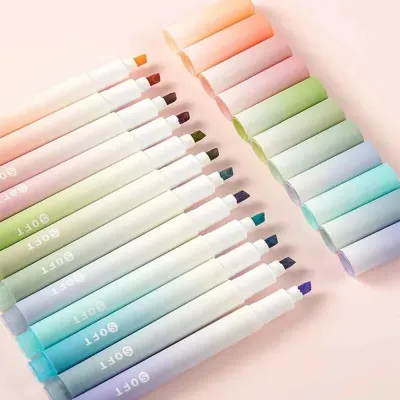
A great highlighter should draw your eye to a passage without competing with the printed text. Standard neon highlighters are often highly saturated and fluorescent, which can make small, closely spaced Bible print difficult to read. Muted pastel, soft earth, or translucent tones are highly recommended for thin paper. These colors provide a gentle contrast that highlights the text while keeping the underlying black ink perfectly legible.
Set Variety for Color-Coding
Many readers use a multi-color bible highlighter set to implement a personalized color-coding system during their study sessions. Having a variety of five to eight distinct colors allows you to categorize different themes, such as promises, commands, historical context, or personal prayers. When choosing a set, ensure the color palette is cohesive and that each shade is distinct enough to tell apart at a glance, helping you organize your observations systematically.
Top Non-Bleed Bible Highlighter Sets by Ink Type
Because “non-bleed” performance can be achieved through different physical mediums, highlighters generally fall into three distinct categories. Depending on your preference for precision, texture, and color vibrancy, you can find excellent options widely available in the Philippines, with set prices typically ranging from ₱150 to ₱600.
Dry Highlighter Pencils for Zero-Bleed Marking
Dry highlighter pencils utilize a soft, wax- or oil-based colored core, very similar to high-quality artist pencils. Because they contain absolutely no liquid, they represent the safest possible marking option for ultra-thin Bible paper. The pigment sits entirely on top of the page fibers, eliminating any risk of ink spreading or soaking through.
- Pros: Absolute zero bleed-through or ghosting; completely dry and unaffected by high humidity; erasable with a standard vinyl eraser; will never dry out if left uncapped.
- Cons & Limitations: Requires regular sharpening to keep a clean edge; pressing too hard can physically indent or crease delicate pages; colors are generally more muted and less vibrant than liquid inks.
- Buying Advice: Look for sets labeled specifically as dry highlighters or soft-core pastel colored pencils. Brands like Lyra or Derwent offer excellent dry marking options that perform beautifully on thin paper. These premium pencil sets are typically priced between ₱300 and ₱600 in local specialty art shops.
Wax-Based Highlighters for Smooth, Liquid-Free Gliding
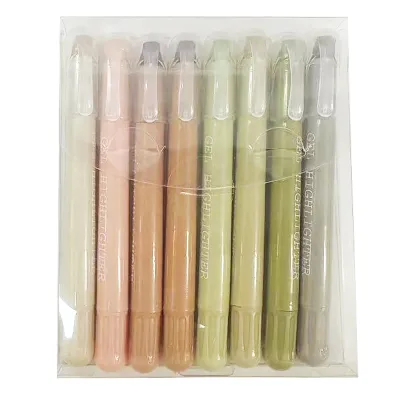
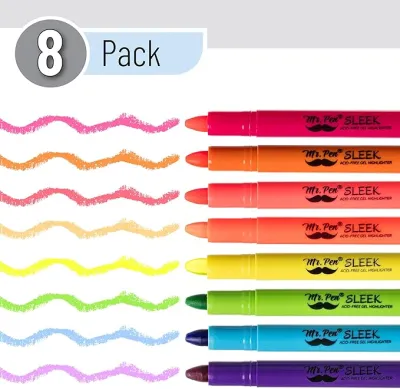
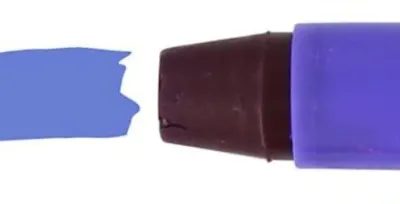
Wax-based highlighters, often marketed as gel highlighters, consist of a solid, translucent wax stick housed in a twist-up plastic casing. They glide effortlessly across the page, leaving a smooth, vibrant layer of color that sits on the paper surface without dispensing any wet moisture.
- Pros: Zero liquid content means zero bleed-through and zero feathering; incredibly smooth, crayon-like gliding action; will not dry out even if left uncapped for days.
- Cons & Limitations: The soft wax tip wears down quickly, making precise underlining difficult; can leave a slightly tacky residue that may smudge if rubbed immediately; in extremely hot tropical climates, the wax can soften, potentially transferring to the facing page if the Bible is closed tightly.
- Buying Advice: Choose twist-up gel highlighters with a protective casing to prevent the soft wax from breaking. Excellent sets from brands like Mr. Pen or Feela are widely available on e-commerce platforms in the Philippines, typically retailing for ₱150 to ₱350 for a multi-color pack.
Mild Water-Based Highlighters for a Traditional Pen Feel
Mild water-based highlighters utilize specially formulated inks with reduced flow rates and rapid-drying surfactants. Unlike standard office markers, these pens are designed to deliver a controlled, minimal amount of ink that dries on the surface before it can penetrate the paper fibers.
- Pros: Provides the crisp, clean, and uniform lines of a traditional marker; excellent for precise highlighting, underlining, and writing notes in the margins; colors are highly consistent.
- Cons & Limitations: Still carries a minor risk of ghosting on exceptionally thin paper (under 20 gsm) if applied with a heavy hand; requires a few seconds of drying time to prevent smudging, especially in humid environments.
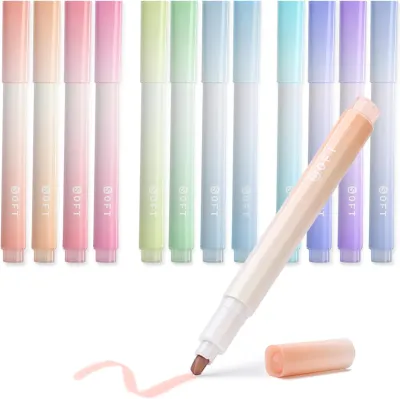
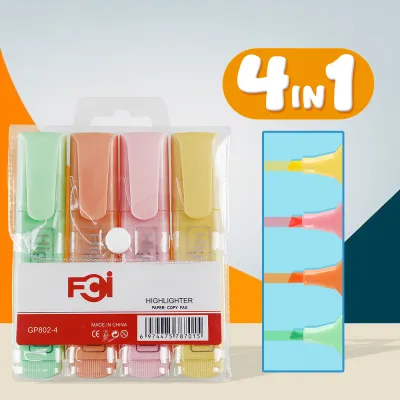
- Buying Advice: Prioritize mild or pastel water-based pen sets explicitly marketed for journaling or Bible study. Highly popular Japanese brands like Zebra Mildliner or Korean brands like Monami Essenti are widely distributed in the Philippines, costing around ₱40 to ₱60 per individual pen, or ₱200 to ₱500 for a curated set. Avoid standard bright neon highlighters, which are too wet for thin paper.
How to Safely Test and Apply Highlighters on Thin Pages
Even with a high-quality non-bleed highlighter, proper application technique is essential to protect your Bible from damage. Following a few simple steps will ensure your markings look neat and professional without risking the integrity of your pages.
- The Hidden Page Test: Before highlighting a key passage, always test your new bible highlighter set on an inconspicuous area of your Bible. The blank flyleaf pages at the very back, the presentation page, or the margins of the maps section are perfect testing grounds to observe how the ink interacts with your specific paper weight.
- Using a Blotter Sheet: Place a thin piece of cardstock, a heavy index card, or a clean sheet of scrap paper directly underneath the page you are highlighting. This acts as a protective shield, catching any unexpected ink transfer or pressure marks and keeping the underlying pages clean.
- Application Technique: Use a light, swift hand when marking your text. Avoid lingering at the start or end of a stroke, as holding the tip in one place causes the ink to pool and saturate the paper fibers. Keep your pens capped immediately after use to maintain the ideal ink consistency and prevent the tips from drying out.
- Drying Time: Give water-based or gel highlights a few seconds to set completely before turning the page or closing your Bible. In humid tropical climates, letting the page air out for five to ten seconds prevents ink transfer and smudging on the opposite page.
Frequently Asked Questions (FAQ)
Can I use gel highlighters on Bible paper?
Yes, gel highlighters are highly suitable for Bible paper because they are made of solid wax and contain no liquid ink, completely eliminating the risk of bleed-through. However, because they leave a thin, crayon-like layer on the page, they can sometimes smudge if touched immediately or leave a slightly tacky residue. Letting the highlight set for a moment and avoiding pressing too hard during application will yield the best results.
How do I fix a mistake if my highlighter bleeds through?
Once liquid ink bleeds through thin Bible paper, it cannot be safely washed out or erased without tearing the delicate page. To manage a bleed-through mistake, avoid using harsh liquid ink erasers or correction fluids, which will warp the thin paper. Instead, you can place a small, opaque Bible journaling sticker or a strip of acid-free correction tape over the bleed-through on the reverse side, provided the paper is strong enough to support the adhesive.
Are pastel or neon colors better for Bible study?
Pastel and muted colors are generally much better for Bible study because they have lower opacity, ensuring that the small black print remains easily readable underneath the highlight. Neon colors are often highly saturated and can make the text hard to read under bright lights. Muted tones also create a more visually calming page layout, which is ideal for deep, reflective study sessions.
Community discussion
Share your experience or ask a question. Comments are reviewed before publication.