
Selecting the right art supplies for children requires balancing creative expression, developmental readiness, and safety. Engaging in painting by numbers for kids is an excellent way to introduce young minds to the structured world of art, helping them develop focus, color recognition, and fine motor skills. However, a kit that is too complex can lead to immediate frustration, while one that is too simple may fail to capture an older child’s interest.
To ensure a successful and rewarding artistic experience, it is essential to match the kit’s specifications to the child’s developmental stage. Toddlers and preschoolers thrive with large, bold designs, chunky brushes, and ultra-washable paints. As children transition to school age, they can handle moderate complexity, more varied color palettes, and standard canvas textures. Tweens and older kids are ready for detailed, realistic canvases that require patience, fine-tipped brushes, and professional-grade acrylics. By focusing on these age-appropriate features rather than specific commercial brands, you can find a kit that nurtures a lifelong love for creativity.
What to Look for in Painting by Numbers for Kids Kits
Choosing the right art kit involves evaluating several technical and material specifications. Understanding how these factors influence a child’s experience will help you make an informed decision when browsing local stationery shops or online marketplaces.
Products mentioned in this guide
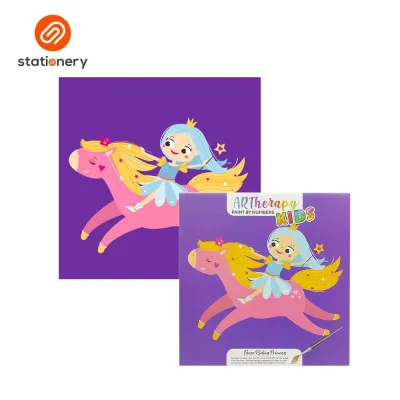
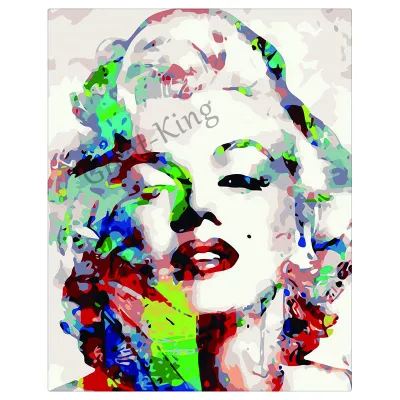
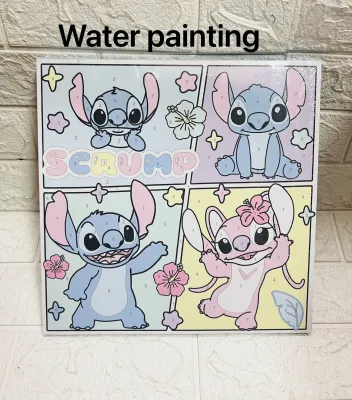
Prices are valid at publication and may change. Please refer to the product page for the latest price.
Canvas Size and Complexity
The physical dimensions of the painting surface and the density of the numbered sections directly impact a child’s attention span and physical comfort. For beginners, smaller formats such as 15×15 centimeters (6×6 inches) or 20×20 centimeters (8×8 inches) are ideal. These compact sizes allow children to complete their projects in one or two short sessions, providing a quick sense of accomplishment.
As children grow, they can transition to larger sizes, such as 30×40 centimeters (12×16 inches) or the standard 40×50 centimeters (16×20 inches). However, canvas size must be balanced with the complexity of the design. A large canvas with only a dozen wide color zones is much easier to complete than a small canvas packed with hundreds of tiny, intricate shapes. For younger artists, look for designs with broad, simple shapes where each color zone is at least two centimeters wide. Older children can manage highly detailed zones measuring only a few millimeters.
In humid tropical environments like the Philippines, the choice of canvas material is also a practical consideration. Cheap, thin cardboard backings can absorb moisture from the air and warp over time. To prevent this, look for kits that feature high-density, pre-stretched canvas wrapped over a solid wooden frame, or sturdy, multi-layered art cardstock of at least 300gsm. These materials remain flat and durable, even during the rainy season, ensuring the finished artwork can be proudly displayed.
Paint Type and Safety Standards
The type of paint included in a kit determines not only the visual quality of the finished piece but also the ease of cleanup and the safety of the child. Art kits generally use one of two paint formulations: water-based washable paints (such as tempera or poster paint) or water-based acrylics.
- Washable Water-Based Paints: These are best for toddlers and preschoolers. They have a high water content, dry relatively slowly, and can be easily washed out of cotton clothing, skin, and furniture with warm water and soap. However, they are less opaque, meaning the printed numbers on the canvas may show through lighter colors unless multiple coats are applied.
- Standard Acrylic Paints: These are the industry standard for older children and adults. Acrylics offer excellent opacity, rich pigmentation, and a durable, water-resistant finish once cured. The trade-off is that acrylic paint is permanent on fabrics once dry. Because acrylics dry via water evaporation, they can dry out quickly in warm, humid climates. If paint pots are left open during a long painting session, the paint can turn into a rubbery solid that cannot be reconstituted.
Safety is paramount when choosing children’s art supplies. Never rely solely on vague marketing terms like “child-safe” or “natural.” Instead, inspect the product packaging for recognized non-toxic safety certifications. Look for the AP (Approved Product) seal from the Art and Creative Materials Institute (ACMI), which indicates compliance with ASTM D-4236 standards. For products imported from Europe, look for the CE mark and compliance with EN71 safety regulations, which ensure the paints are free from harmful heavy metals, toxic pigments, and strong chemical solvents.
Brush Quality and Included Accessories
The quality of the brushes provided in a kit can make or break the painting experience. Many entry-level kits include low-grade brushes with stiff plastic bristles that shed easily and fail to hold a clean point. When bristles shed and dry into the paint, it ruins the texture of the artwork and frustrates the young artist. Look for kits that supply synthetic nylon brushes, which offer excellent springiness, retain their shape well, and are easy to clean.
For younger children, the physical design of the brush handle is crucial. Toddlers and preschoolers lack the finger strength for fine pencil grips, so they benefit from chunky, round, or triangular-handled brushes that encourage a comfortable, fatigue-free hold. Older children require a variety of brush shapes and sizes to tackle different areas of the canvas. A well-rounded kit should include at least three brushes: a medium flat brush for filling in large background blocks, a medium round brush for general coloring, and an ultra-fine detail brush (size 0 or 00) for navigating tight corners and small numbered zones.
Additionally, consider the utility of the included accessories. Helpful additions include a paper reference sheet (which allows you to verify a number if the child accidentally paints over it), mounting screws, D-rings for hanging, and a small plastic palette for holding or mixing paints. Some premium kits also include a miniature wooden table easel, which helps maintain a healthy posture and prevents the child from leaning too closely over wet paint.
Best Kit Features for Toddlers and Preschoolers (Ages 3–5)
At this developmental stage, children are refining their gross motor skills and beginning to develop fine motor control. Painting activities should focus on sensory exploration, color recognition, and building confidence, rather than strict precision.

For toddlers and preschoolers, the ideal paint-by-numbers kit features very simple, bold designs with only 4 to 8 distinct color blocks. The boundaries between colors should be thick and dark, making it easy for young eyes to distinguish different zones. Look for familiar, high-contrast themes that capture their imagination, such as friendly cartoon animals, basic vehicles like trucks or boats, and simple geometric shapes.
To accommodate their developing grip, the kit must include thick, easy-to-hold brushes with soft synthetic bristles. The paints must be certified non-toxic and ultra-washable. Because young children frequently touch their faces, rub their eyes, or accidentally brush their sleeves against the canvas, water-based paints that wash out easily are an absolute necessity.
It is important to recognize the limitations of these early-stage kits. They do not aim for realistic shading or fine detail, and the finished product will likely feature paint overlapping the lines. This is a natural and healthy part of the learning process. Avoid kits that feature small, complex zones, as well as those containing small plastic parts, loose beads, or tiny paint pots that could present a choking hazard. Always supervise children in this age group closely to ensure a safe and mess-free creative session.
Ideal Paint-by-Numbers Sets for Early School-Age Kids (Ages 6–8)
Children in the early school-age bracket have developed significantly better hand-eye coordination, a more precise pencil grip, and a longer attention span (typically ranging from 20 to 45 minutes). They are ready for projects that offer a moderate challenge without requiring days of continuous effort.
For this group, look for medium-complexity kits featuring 10 to 20 different colors. The color zones should be moderately sized, averaging around one to two centimeters in width. This size is small enough to require careful brush control but large enough that children do not have to struggle with microscopic details. Engaging themes for this age group include space exploration, detailed dinosaurs, magical creatures, or popular animated characters.
This stage is an excellent time to transition from ultra-washable paints to high-quality, water-resistant tempera or student-grade acrylics. These paints provide richer, more opaque coverage, ensuring that the printed numbers on the canvas are completely hidden. Because these paints are more permanent, children will learn the responsibility of keeping their workspace tidy and washing their brushes thoroughly between color changes.
When choosing kits for this age group, verify the quality of the painting medium. If the kit uses textured art paper instead of canvas, ensure the paper is thick enough (at least 300gsm) to prevent buckling or bleeding when wet paint is applied. A successful project at this stage builds immense pride and encourages children to view themselves as capable artists.
Advanced Painting Kits for Older Kids and Tweens (Ages 9–12+)
Older children and tweens possess the fine motor skills, patience, and cognitive ability required to tackle detailed, multi-step art projects. They often desire to create realistic, professional-looking artwork that they can proudly hang in their bedrooms or give as gifts.
Kits designed for this age group can feature 20 or more colors and highly intricate canvases with small, detailed zones. The canvas dimensions should ideally be larger, such as 30×40 centimeters or 40×50 centimeters, allowing for sophisticated compositions. Suitable themes include realistic landscapes, detailed portraits of wildlife, intricate mandalas, or simplified replicas of famous historical paintings.
These advanced kits almost exclusively use standard acrylic paints. Acrylics dry to a vibrant, slightly glossy, and completely water-resistant finish that mimics professional gallery paintings. However, because acrylic paint dries quickly and becomes insoluble in water once cured, older children must practice proper brush hygiene. They must understand that leaving paint to dry inside the metal ferrule of a brush will splay the bristles and permanently ruin the tool.
To support this advanced level of painting, the kit should include high-quality, fine-tipped synthetic brushes, including detail brushes in sizes 0, 00, or even 000. These projects require several hours of focused work, which is best spread out over multiple days. This teaches older children the value of patience, planning, and sustained effort in completing a complex creative task.
Quick Comparison: Paint-by-Numbers Features by Age Group
To help you quickly identify the ideal specifications for your child’s developmental stage, the following table summarizes the key features to look for when choosing a kit.
| Age Group | Ideal Canvas Size & Medium | Recommended Color Count | Paint Type | Best Themes | Key Developmental Benefit |
|---|---|---|---|---|---|
| Toddlers & Preschoolers (Ages 3–5) | 15×15 cm to 20×20 cm; Thick art cardstock or canvas boards | 4 to 8 colors | Certified non-toxic, ultra-washable water-based paint | Simple animals, basic shapes, vehicles | Color recognition, gross-to-fine motor transition, sensory play |
| Early School-Age (Ages 6–8) | 20×30 cm to 30×30 cm; Stretched canvas or 300gsm paper | 10 to 20 colors | High-opacity washable paint or student acrylics | Dinosaurs, space, fantasy, cartoon characters | Hand-eye coordination, brush control, patience |
| Older Kids & Tweens (Ages 9–12+) | 30×40 cm to 40×50 cm; Stretched linen canvas on wooden frame | 20+ colors | Standard, professional-grade acrylic paint | Landscapes, detailed animals, mandalas, art replicas | Sustained focus, advanced fine motor skills, artistic pride |
Safety, Setup, and Cleanup Tips for Young Artists
Creating a structured, organized painting environment is the best way to minimize mess and ensure a relaxing creative session for both you and your child. By taking a few simple, reversible preparation steps, you can prevent permanent stains and simplify the cleanup process.
Before opening any paint pots, prepare the workspace thoroughly. Cover the table with a waterproof plastic tablecloth, old newspapers, or a large silicone craft mat. In warm, tropical climates, painting in a well-ventilated room with a ceiling fan or near an open window is highly recommended, especially when using standard acrylic paints, which can emit a mild chemical odor. However, avoid placing the wet canvas directly under a strong fan draft, as this can cause the paint on the palette or brush to dry out before it can be applied to the canvas.
Have your child wear old clothes, a dedicated painting smock, or a plastic apron. Keep a roll of paper towels and a damp cotton cloth nearby to wipe up accidental spills immediately, before the paint has a chance to dry. To prevent paint pots from drying out in warm weather, instruct your child to open only one color pot at a time and to close it tightly as soon as they are finished with that color. If the acrylic paint becomes slightly too thick or dry, adding a single drop of water and stirring it with a toothpick can restore its smooth, creamy consistency.
When cleaning up, the procedure depends on the type of paint used:
- For Washable Paints: Simply rinse the brushes under warm running water. Wash skin and hard surfaces with standard hand soap and water.
- For Acrylic Paints: Rinse the brushes in a jar of clean water immediately after use. Wash the bristles thoroughly with mild dish soap and warm water, paying close attention to the base of the bristles near the metal ferrule. Never let brushes sit face-down in a water cup, as this bends the synthetic fibers permanently. Instead, gently reshape the wet bristles with your fingers and lay the brushes flat on a dry towel to air-dry.
Always read the manufacturer’s specific packaging labels, age warnings, and material care instructions before starting any art project to ensure a safe and successful experience.
Frequently Asked Questions (FAQ)
Can a 5-year-old use a regular adult paint-by-numbers kit?
It is generally not recommended to give a standard adult paint-by-numbers kit to a 5-year-old. Adult kits feature highly complex designs with hundreds of microscopic color zones that require advanced fine motor skills and hours of intense concentration. Attempting such a project can quickly frustrate a young child, leading them to abandon the activity and lose interest in painting altogether. Additionally, adult kits often contain professional acrylic paints that are difficult to wash out of clothing and may contain small accessories that pose a choking hazard. It is best to stick to age-appropriate kits with large, simple shapes and washable paints to ensure a positive, confidence-building experience.
Are acrylic paints safe for children to use?
Most student-grade and hobbyist acrylic paints included in children’s art kits are certified non-toxic and are safe for children to use under proper supervision. However, because acrylic paints dry to a permanent, water-resistant finish, they can easily ruin clothing, carpets, and upholstered furniture if spills are not cleaned up immediately while the paint is still wet. For younger children who are still prone to putting brushes in their mouths or wiping paint on their skin, washable water-based paints are a much safer and more practical choice. When allowing older children to use acrylics, always check the packaging for non-toxic certifications like the ACMI AP seal, ensure the workspace is well-ventilated, and supervise the session to manage cleanup effectively.
Community discussion
Share your experience or ask a question. Comments are reviewed before publication.