
Quick Guide to Choosing Paper Divider Organizers
Staying organized throughout the academic year requires a reliable system to separate lectures, homework, and review sheets. A paper divider organizer serves as the backbone of any student binder, transforming a chaotic stack of loose-leaf sheets into a structured, easily navigable reference tool. By dividing your binder into dedicated sections, you can locate specific subject notes in seconds, reducing stress before exams and keeping your study sessions highly efficient.
When selecting the ideal paper dividers, the decision comes down to three primary factors: binder compatibility, tab visibility, and material durability. The right choice must match your binder’s ring configuration while remaining visible past the edges of your loose-leaf paper. Because every student manages a unique course load, the best divider style is one that aligns with your specific note-taking habits, whether you prefer color-coded visual cues or built-in pockets for loose handouts.
Essential Features for Student Paper Dividers
Size and Punch Compatibility
Before purchasing any divider set, you must verify that the physical dimensions and hole punches match your existing binder. In the Philippines, school binders commonly come in standard sizes designed for A4, Letter (short bond paper), or Folio (long bond paper) sheets. Multi-ring binders, such as 20-ring or 26-ring loose-leaf systems, are also highly popular among high school and college students. A mismatch in size can cause the divider tabs to hide behind your notes or protrude too far, leading to bent edges when you pack your binder into a crowded backpack.
Products mentioned in this guide
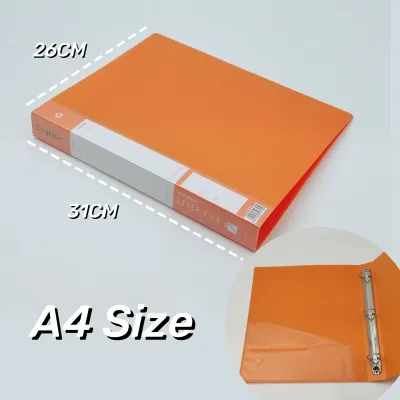
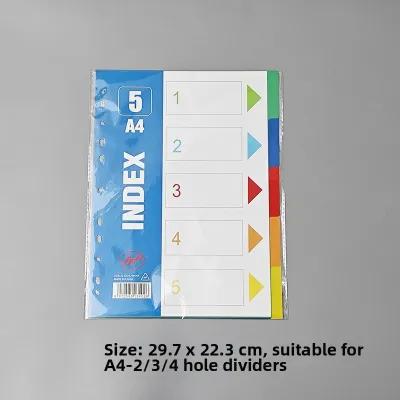
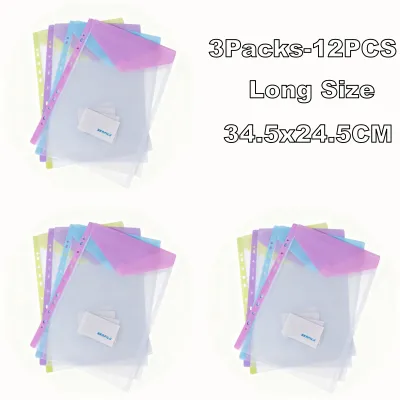
Prices are valid at publication and may change. Please refer to the product page for the latest price.

Pay close attention to the hole configuration along the binding edge. Many standard paper dividers feature multi-punched margins containing 11 or more holes, allowing them to fit seamlessly into 2-ring, 3-ring, or 4-ring binders. If you are using a specialized multi-ring binder, look for dividers specifically labeled for 20-hole or 26-hole systems to ensure a perfect fit. Checking these specifications beforehand prevents the frustration of pages catching on the rings or tearing due to improper alignment.
Tab Design and Labeling
Tabs are the most active component of any divider system, making their design crucial for quick navigation. Pre-printed tabs featuring numbers or letters are excellent for sequential filing, but they offer little flexibility for custom school subjects. For most students, blank write-on tabs provide the highest level of customization, allowing you to write subject names like “General Chemistry” or “World History” directly onto the tab surface.
If you prefer a cleaner look or anticipate changing your subject names mid-semester, clear plastic pouch tabs are an excellent alternative. These tabs allow you to slide in small, handwritten or printed paper inserts that can be swapped out whenever your schedule changes. When choosing write-on paper tabs, ensure the paper surface is compatible with your preferred writing instrument, as some glossy coatings can cause gel pens or fine-liners to smudge.
Material Durability
School dividers must withstand constant flipping, packing, and unpacking throughout the academic year. The durability of a paper divider is largely determined by its paper weight, measured in grams per square meter (GSM). Standard paper dividers typically range from 100 GSM to over 200 GSM, with heavier cardstock offering significantly more resistance to bending and tearing.
In humid tropical climates, lightweight paper easily absorbs moisture from the air, causing it to soften and tear at the ring holes over time. To combat this, look for dividers that feature reinforced binding edges, which are often coated with a thin, clear plastic strip along the punched holes. Additionally, plastic-laminated tabs prevent the edges from fraying or bending when you repeatedly pull on them to open your binder.
Recommended Paper Divider Styles for Students
Multi-Tab Color-Coded Dividers
Multi-tab color-coded dividers utilize distinct colors to help you visually categorize your subjects at a single glance. By assigning a specific color to each class—such as blue for Mathematics and green for Biology—your brain can quickly locate the correct section without needing to read the text on the tabs. This visual shorthand is incredibly helpful during fast-paced school days when you only have a few minutes between classes to organize your materials.
When using colored paper dividers, it is important to test your writing tools on a small corner first. Some dark or highly saturated colored tabs can make black or blue ink difficult to read, while water-based markers may bleed through the paper. To maintain a clean and professional look, limit your color palette to five or six distinct shades, as too many bright colors can create visual clutter and defeat the purpose of quick scanning.
Dividers with Built-In Storage Pockets
Students are constantly inundated with un-punched handouts, syllabus sheets, and permission slips that do not immediately fit into binder rings. Dividers with built-in storage pockets solve this issue by providing a temporary home for loose papers within each subject section. These pockets are typically integrated into the front or back of each divider page, keeping your active worksheets organized alongside your written notes.
While pocket dividers are highly functional, they do affect the overall bulk and weight distribution of your binder. Front-facing pockets are easy to access but can cause the divider to sag if loaded with heavy sheets, while back-facing pockets distribute weight more evenly. To prevent the divider holes from tearing under pressure, avoid overstuffing the pockets with heavy cardstock or thick packets of paper.
Customizable and Printable Divider Sets
For students who prefer a highly polished, uniform look, customizable and printable divider sets are an ideal choice. These sets typically include a sheet of blank, perforated labels and a unique template code that you can input into free online software. This allows you to type out your subject names, choose clean fonts, and print them directly onto the labels using a standard home printer.
Before purchasing a printable set, verify that the manufacturer’s templates are compatible with common word processing programs or web browsers. When printing, always run a test print on a plain sheet of paper first to ensure your printer margins align perfectly with the physical label sheet. This extra step prevents wasted label sheets and ensures your finished binder looks neat and professional.
Index-Style or Multi-Column Dividers
Index-style dividers feature a single, comprehensive table of contents page at the front of the binder, paired with matching numbered or color-coded tabs. This design is particularly useful for heavy-note-taking subjects, such as history or literature, where a single subject is broken down into multiple chapters, modules, or chronological eras. Instead of writing long titles on tiny tabs, you simply write the detailed chapter names on the front index sheet.
Because the index sheet remains stationary at the front of your section, it provides ample space to write down assignment deadlines, key formulas, or exam dates next to each section number. To maximize the utility of this style, pair the index sheet with a fine-liner pen (0.3mm to 0.5mm) to ensure your handwriting remains legible within the designated columns. This setup keeps your binder incredibly organized without requiring bulky, oversized tabs that stick out too far.
Tips for Organizing Subject Notes with Dividers
To get the most out of your paper divider organizer, establish a consistent filing system behind each tab. Whether you choose to organize your notes chronologically by date or topically by lecture, lab, and homework, apply the exact same structure to every subject section. This consistency builds muscle memory, allowing you to flip directly to your homework assignments or review sheets without second-guessing where you filed them.
Treat the built-in pockets of your dividers as an active “inbox” rather than a permanent storage solution. When a teacher hands out a worksheet, slide it into the corresponding subject pocket immediately to keep it safe during the school day. At the end of each week, take a few minutes to punch holes in these loose sheets and file them permanently behind the divider, keeping the pockets clear for the upcoming week’s materials.
Maintaining your binder system requires regular upkeep to prevent it from becoming heavy and disorganized. Schedule a weekly binder clean-out session, perhaps every Friday afternoon or over the weekend, to remove old handouts that are no longer needed for daily reference. During this time, check your divider pages for any signs of wear, apply reinforcement stickers to any frayed holes, and ensure all loose-leaf paper is securely locked within the binder rings to prevent accidental loss.
Frequently Asked Questions (FAQ)
Can I use standard paper dividers in a lever arch file?
Standard paper dividers can often be used in lever arch files, but you must check the hole spacing and the overall width of the divider pages. Lever arch files typically use a heavy-duty two-ring mechanism that is spaced wider than standard three-ring binders. Many paper dividers feature a universal multi-hole punch pattern that accommodates this wider spacing, allowing them to slide onto the metal arches easily.
However, because lever arch files are designed to hold a massive volume of paper, they are physically wider than standard binders. If your paper dividers are too narrow, the large metal lever mechanism can catch on the inner edges of the divider pages when you close the file, leading to tears. Always measure the width of your lever arch file and compare it to the divider dimensions to ensure smooth operation without jamming.
How do I prevent paper divider tabs from tearing?
To prevent your paper divider tabs from tearing, avoid overstuffing your binder beyond its recommended ring capacity. When a binder is packed too tightly, the pages cannot slide smoothly along the rings, which puts immense pressure on the punched holes of your dividers. Keeping a small amount of clearance on the rings allows the dividers to turn freely without catching.
If you notice the punched holes starting to fray or wear down, you can easily repair them by applying self-adhesive reinforcement rings to both sides of the hole. Additionally, make a habit of turning the divider pages from the reinforced spine or the base of the page rather than pulling hard on the tab tips. Pulling directly on the tabs concentrates all the force on a small, vulnerable area, which quickly leads to tears.
Are plastic dividers better than paper dividers for school?
Plastic dividers, typically made of polypropylene, offer superior durability and water resistance compared to paper dividers. They are virtually tear-proof and can survive accidental water spills inside your backpack, making them highly resilient in humid environments. However, plastic dividers are generally more expensive and require permanent markers to write on the tabs, which can smudge if not given proper drying time.
Paper dividers remain a popular and cost-effective choice, often costing under ₱100 for a basic set, making them highly accessible for students on a budget. They are incredibly easy to write on using standard ballpoint pens, pencils, or gel pens, allowing you to quickly update your subject names without needing specialized markers. For most students, paper dividers with reinforced plastic tabs offer the perfect balance of affordability, ease of use, and daily durability.
Community discussion
Share your experience or ask a question. Comments are reviewed before publication.