
To fold a paper airplane that flies far, you must choose a paper that balances weight, stiffness, and foldability. Standard multipurpose printer paper, typically rated between 70 GSM and 80 GSM, is generally the most effective choice for distance-focused designs. This weight provides enough structural integrity to maintain aerodynamic shapes under high-velocity throws while remaining thin enough to accept sharp, precise creases.
In tropical climates like the Philippines, high humidity can quickly soften paper fibers, causing wings to droop and reducing flight distance. Selecting a paper with the right density and grain direction helps counteract this environmental softening. By understanding how different paper types behave under folding stress and flight conditions, you can select the ideal material for your specific aerodynamic goals.
How Paper Weight Affects Flight Distance and Folding
Paper weight is measured globally in Grams per Square Meter (GSM), a metric that indicates the density and thickness of a single sheet. In local retail settings, you may also see paper classified by substance numbers, such as Substance 20 or Substance 24, which correspond closely to 75 GSM and 90 GSM respectively. You can locate these specifications on the front label of paper reams, packaging wraps, or product descriptions when browsing online marketplaces.
Products mentioned in this guide
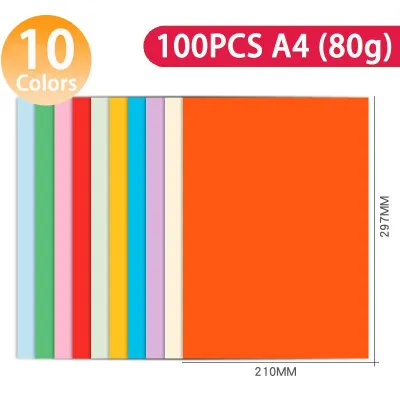

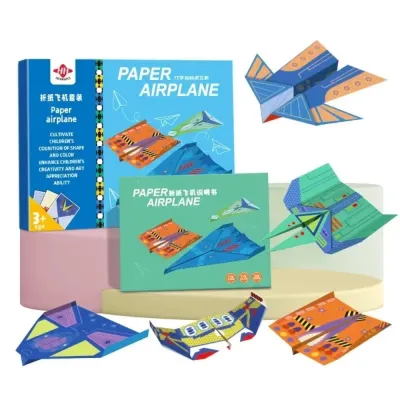
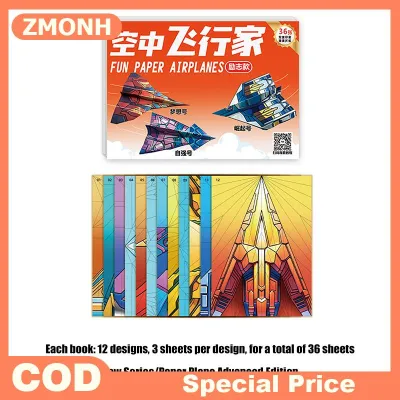
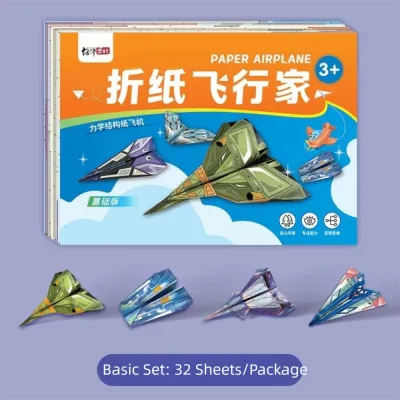
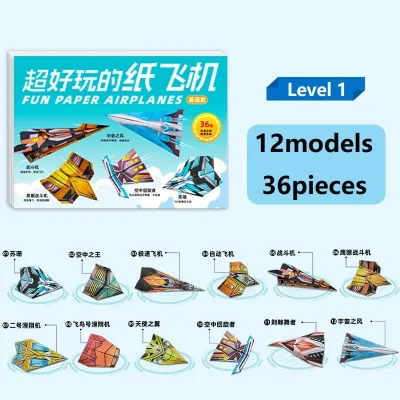
Prices are valid at publication and may change. Please refer to the product page for the latest price.
The weight of your paper directly dictates the trade-off between aerodynamic momentum and folding precision. Lighter papers, such as those under 60 GSM, are incredibly easy to fold into intricate, multi-layered designs. However, they lack the physical mass required to carry momentum through the air, making them highly susceptible to drag and gentle air currents.
Heavier papers, ranging from 100 GSM to 180 GSM, offer excellent structural rigidity and weight, allowing the airplane to slice through the air and travel farther when thrown with force. The challenge with heavier sheets lies in the folding process. As you fold the paper over itself multiple times, the thickness accumulates rapidly, making it difficult to achieve the sharp, flush creases necessary for a symmetrical nose and balanced wings.
To optimize your choice, match the paper weight to your chosen airplane archetype. Narrow, compact dart designs benefit from slightly heavier paper (around 80 to 90 GSM) because their streamlined profiles do not require complex, overlapping folds, allowing the extra weight to translate directly into forward momentum. Conversely, wide-wing gliders designed for maximum hang time perform better with lighter paper (around 70 GSM), which keeps the wing loading low and allows the broad surface area to catch rising air currents.
Top Paper Categories for Different Origami Goals
Selecting the right paper category depends on whether your primary goal is achieving maximum distance, executing complex origami folds, or building a durable glider. Each category offers distinct physical properties that affect how the paper creases, holds its shape, and behaves in flight.

Standard Multipurpose Printer Paper
Standard multipurpose printer paper is the most accessible and reliable option for folding classic, distance-oriented paper airplanes. Typically sold in A4 or Letter sizes, this paper usually ranges from 70 GSM to 80 GSM, providing a balanced medium that accommodates both simple and moderately complex folds.
When evaluating standard printer paper, observe its surface smoothness and uniform thickness. The rectangular dimensions of A4 and Letter sheets are ideal for classic dart designs, as the aspect ratio naturally allows for long, sweeping wing folds and a sturdy, multi-layered fuselage. This structural layout concentrates weight at the nose of the plane, which is essential for stable, long-distance flights.
However, standard printer paper has notable limitations when used for advanced origami models. If you attempt complex designs with multiple reverse folds or interlocking layers, the paper may develop white stress marks along the creases or tear at the corners where multiple folds meet. Additionally, standard copy paper can struggle to maintain its rigidity in humid outdoor environments, causing the wings to sag slightly after a few flights.
Dedicated Origami Paper (Kami)
Traditional origami paper, commonly known as kami, is specifically engineered for precision folding and intricate artistic models. This paper is typically very thin, often ranging between 45 GSM and 60 GSM, and is pre-cut into precise square dimensions, such as 15 by 15 centimeters.
Kami is best suited for highly detailed aircraft designs that require complex folding sequences, squash folds, and sink folds. The thin profile allows you to layer the paper repeatedly without creating bulky, misaligned edges, ensuring that the final model looks highly accurate and symmetrical. Many kami sheets feature a colored or patterned side and a white reverse side, which can be used to create striking visual designs on the wings and fuselage.
Despite its excellent folding characteristics, traditional kami is generally poor for long-distance flights. The lightweight sheets lack the physical mass needed to sustain forward momentum, causing the plane to stall or drift off course when thrown with force. If you choose to use origami paper for flight, verify the packaging specifications to find slightly heavier variants, or limit your designs to high-drag gliders that rely on gentle, indoor air currents rather than powerful throws.
Lightweight Cardstock and Construction Paper
Lightweight cardstock (typically between 120 GSM and 160 GSM) and construction paper offer a heavy-duty alternative for builders focusing on durable gliders and outdoor flight. These materials provide exceptional stiffness and can withstand high-velocity impacts without bending or crumpling.
This category is highly suited for wide-wing gliders and stunt planes that require rigid control surfaces to perform loops or long, stable glides. The high stiffness of cardstock ensures that the wings do not flex or deform under aerodynamic pressure, allowing the plane to maintain its flight path even in breezy outdoor conditions.
The primary limitation of cardstock is its resistance to folding. Executing precise, overlapping creases is extremely difficult by hand, and attempting to force thick folds can cause the paper fibers to crack and split. To work successfully with cardstock, you will need to use specialized tools such as a bone folder or a scoring tool to pre-crease the fold lines. Construction paper, while slightly softer, has loose fibers that tear easily and a rough surface texture that increases aerodynamic drag, making it less suitable for high-performance distance flights.
Key Paper Specifications to Check Before Buying
Before purchasing paper for your next folding project, check the physical specifications listed on the product packaging or online descriptions to ensure compatibility with your design goals.
First, verify the dimensions and aspect ratio of the sheet. Standard rectangular formats, such as A4 (210 by 297 mm) or Letter (8.5 by 11 inches), are the foundation for almost all classic distance airplanes, as the elongated shape naturally provides the length needed for a stable fuselage and swept-back wings. If your chosen design requires a square format, look for pre-cut origami sheets to avoid the minor cutting errors that can ruin aerodynamic symmetry.
Second, examine the surface finish of the paper. Matte and uncoated finishes are highly recommended because they provide excellent finger grip during the folding process, allowing you to hold tight creases in place. Glossy or coated papers, such as photo paper or glossy brochure sheets, are slippery and tend to unfold themselves over time. Furthermore, glossy coatings add unnecessary weight without contributing to structural stiffness, which can degrade flight performance.
Finally, consider the fiber content and opacity of the paper. High-quality paper made with long wood fibers offers superior tear resistance and structural integrity, allowing you to fold, unfold, and adjust your model without weakening the seams. You can estimate fiber quality by holding a sheet up to a light source; high-quality paper will show a uniform, consistent opacity, whereas low-quality paper will appear blotchy and uneven, indicating weak spots that are prone to tearing under folding pressure.
Testing and Adjusting Your Paper Choice for Better Flight
Once you have selected your paper, you can perform simple, observable tests to evaluate its performance and make physical adjustments to improve flight distance.
Begin with a crease test on a scrap piece of your chosen paper. Fold the sheet sharply and run your fingernail or a plastic folding tool along the edge. Inspect the crease closely for any signs of fiber tearing, micro-cracking, or excessive white stress marks. If the paper cracks open or tears easily along the fold, it is too brittle for complex designs, and you should switch to a paper with longer fibers or a slightly lower weight.
Next, perform a simple drop test with your completed airplane. Hold the plane at shoulder height and release it horizontally without throwing it. Observe how the plane transitions into a glide. If the nose immediately dives toward the ground, the paper at the front may be too heavy, or the wings may lack sufficient lift. If the wings droop or sag under the plane’s own weight, the paper is too flimsy for the design, and you will need to use a stiffer sheet or reinforce the wings.
To correct minor flight issues, make gradual physical adjustments to the paper. If the plane tends to nose-dive, gently curl the rear edges of the wings upward to create elevator lift. If the paper is thin enough, you can add a small paperclip to the nose to adjust the center of gravity, but ensure the paper has enough stiffness to support the extra weight without buckling. Ensure all folds are pressed as flat and tight as possible, as loose folds trap air and create drag, quickly robbing your airplane of its flight distance.
Frequently Asked Questions (FAQ)
Can I use recycled paper for paper airplanes?
Recycled paper can be used for paper airplanes, but it presents unique structural challenges. The recycling process repeatedly chops and shortens the wood fibers, which reduces the overall stiffness and tensile strength of the paper. As a result, recycled paper tends to tear more easily along sharp creases and may struggle to maintain rigid wing shapes in humid conditions. When using recycled paper, stick to simple designs with fewer overlapping folds to minimize the risk of tearing.
Does the color or coating of the paper affect flight?
The color of the paper generally does not affect flight performance, as standard dyes and pigments do not add noticeable weight or alter the fiber structure. However, surface coatings do have a significant impact. Glossy, metallic, or plastic-coated papers are heavier and more slippery than uncoated paper, making them difficult to fold precisely and prone to unfolding. For the best flight distance, choose uncoated, matte-finished colored paper rather than glossy or laminated sheets.
Community discussion
Share your experience or ask a question. Comments are reviewed before publication.