
Finding the right pencil tip cover is a simple yet highly effective way for students in the Philippines to protect their school supplies, save money, and keep their bags clean. When navigating crowded jeepneys, busy hallways, and humid classrooms, a simple drop can instantly shatter a pencil’s graphite core. Choosing the best pencil tip cover involves balancing material durability, ease of use, and compatibility with standard school pencils—all while staying within a modest student budget.
For most Filipino students, the ideal choice comes down to two primary options: flexible silicone caps and rigid hard plastic covers. Silicone caps excel at absorbing sudden impacts when a pencil case slips off a desk, whereas hard plastic caps offer robust crush resistance inside tightly packed backpacks. By understanding how these materials perform under daily school conditions, you can make an informed purchase that keeps your pencils ready for every quiz and exam.
Why Students Need Pencil Tip Covers for Daily School Use
In the fast-paced environment of Philippine schools, a pencil is an indispensable tool for writing, drawing, and shading exam sheets. However, carrying unprotected pencils in a backpack or pencil pouch often leads to broken tips. When a pencil is tossed loosely into a bag alongside heavy textbooks, water bottles, and notebooks, the exposed graphite tip bears the brunt of constant shifting and impact. A single sharp jolt can fracture the lead, not just at the exposed point, but deep within the wooden barrel itself. This hidden damage results in a frustrating cycle where the lead repeatedly falls out every time you try to sharpen it.
Products mentioned in this guide
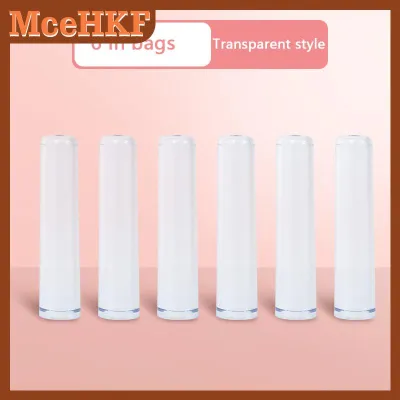
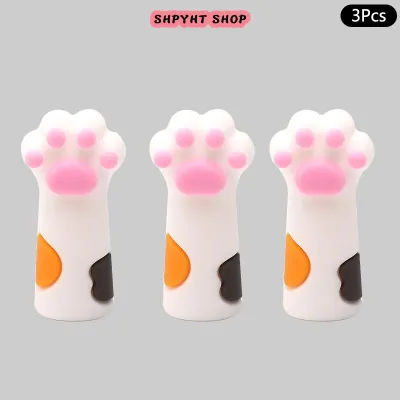
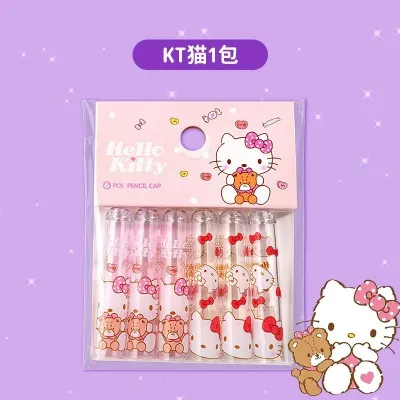
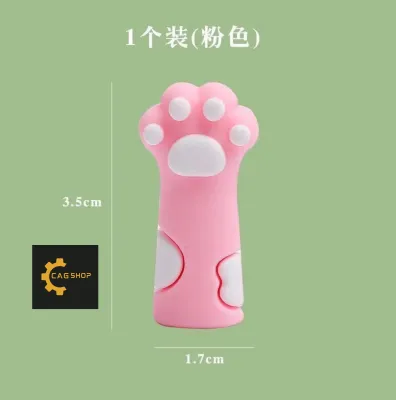
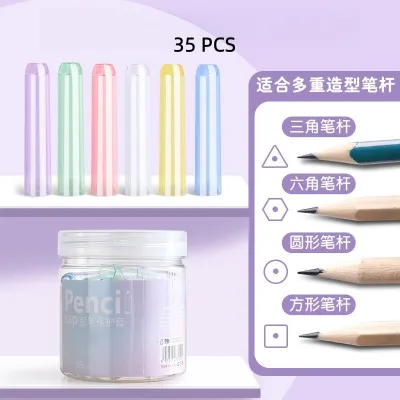
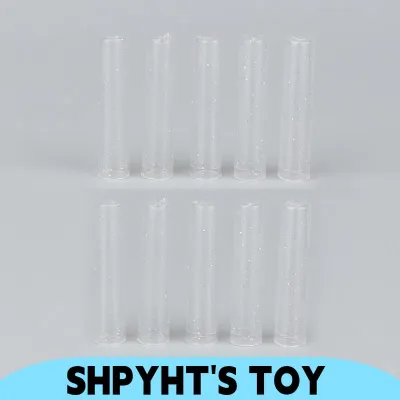
Prices are valid at publication and may change. Please refer to the product page for the latest price.
Beyond the frustration of broken lead, unprotected pencils pose a significant threat to personal belongings. Exposed graphite easily rubs against the interior lining of backpacks, staining pencil cases, notebooks, and folders with stubborn grey smudges. More importantly, many schools in the Philippines require students to wear crisp white uniforms. An accidental brush against an uncapped pencil in a pocket or bag can leave unsightly black marks that are incredibly difficult to wash out during weekend laundry. Using a dedicated pencil tip cover acts as a reliable barrier, keeping your school uniform clean and your bag interiors pristine.
Maintaining a sharp point also directly impacts academic performance, especially during timed examinations and quizzes. When a pencil tip breaks in the middle of a test, you are forced to stop, search for a sharpener, and spend valuable seconds restoring the point. This disruption breaks your concentration and eats into your limited test-taking time. By keeping your pencils capped and sharp, you ensure that they are ready to write the moment you open your exam booklet.
Finally, investing in pencil tip covers is a highly cost-effective habit for students and parents alike. Every time you sharpen a broken pencil, you shave away a portion of its usable length, rapidly shortening its lifespan. By preventing accidental breakage, a simple cover allows you to use almost the entire length of the pencil. Over the course of a school year, this dramatically reduces the number of pencils you need to buy, translating to noticeable savings on your school supply budget.
Key Features to Evaluate on a Student Budget
When shopping for stationery accessories on a student budget, it is important to look beyond aesthetics and focus on practical features. A cheap cap that constantly slips off or cracks after a week of use is a waste of money, even if it only costs a few pesos. To get the best value, evaluate the following key features before making your purchase:

Fit and Compatibility Before buying any pencil tip cover, you must verify that it matches the specific pencils you use daily. Standard school pencils typically have a hexagonal or round barrel with a diameter of approximately 7mm. However, some ergonomic or beginner pencils feature a triangular shape or a thicker jumbo barrel. Check the inner diameter of the cap to ensure it provides a snug fit. A cap that is too loose will slide off inside your bag, while one that is too tight will be difficult to put on and may scrape off the pencil’s outer paint.
Material Resilience A durable cap must withstand the physical stress of being repeatedly pushed onto and pulled off a pencil. When shopping in local stationery stores, examine the material closely. For plastic caps, look for signs of high-quality molding, such as smooth edges and consistent thickness. Avoid plastics that feel extremely brittle, as they are prone to splitting down the sides under pressure. For silicone options, gently stretch the cap to check for stress marks or discoloration, which can indicate low-grade materials that will tear over time.
Cost-Effectiveness For students, the cost per unit is a crucial factor. While individual decorative caps shaped like cartoon characters are visually appealing, they are often sold at a premium. Instead, look for multi-packs containing five, ten, or more plain caps. These multi-packs offer a much lower cost per piece, allowing you to protect an entire set of writing and drawing pencils for the price of a single novelty cap. Additionally, having spare caps on hand ensures you are covered if you accidentally lose one during the school day.
Ease of Use In a busy classroom, you need to be able to cap and uncap your pencil in a split second. The design should allow for smooth, one-handed operation. Avoid caps with overly complex locking mechanisms or tight screw-on threads that slow you down. A simple slide-on design with a slightly flared opening is usually the most efficient choice for quick transitions between writing notes and listening to a lecture.
Maintenance and Hygiene The tropical climate in the Philippines brings high humidity and heat, which can affect how stationery materials behave over time. Dust, sweat, and loose graphite powder can accumulate inside and outside your pencil caps. Evaluate how easy the material is to clean. Smooth surfaces that can be quickly wiped down are highly desirable. Additionally, consider how the material handles moisture, as trapped humidity inside a cap can soften the wooden barrel of your pencil or lead to mold growth if left unchecked.
Best Pencil Tip Cover Materials and Designs for School
To help you choose the right style for your daily school routine, let us explore the most common materials and designs available on the market today. Each category offers distinct advantages depending on how you store and carry your writing tools.
Flexible Silicone Caps
Flexible silicone caps are highly popular among students due to their soft texture and exceptional shock-absorbing properties. When a capped pencil drops onto a hard classroom floor, the flexible silicone cushions the impact, preventing the delicate graphite tip from shattering. This material naturally stretches slightly, allowing it to grip the pencil barrel securely and form a tight seal that keeps graphite dust contained.
However, the tropical climate of the Philippines requires a quick verification step when choosing silicone accessories. High humidity and sweat from your hands can sometimes cause low-quality silicone to feel sticky or tacky over time. Furthermore, silicone has a natural tendency to attract loose graphite dust and lint from the bottom of your bag. Before purchasing, check user reviews or product descriptions to ensure the silicone has a dust-resistant matte finish rather than a glossy, high-tack surface.
These caps are the ideal choice for younger students who may frequently drop their school cases, as well as high school and college students who carry their pencils in soft, crowded pouches where items constantly bump against each other.
Rigid Hard Plastic Caps
If your pencils are subjected to heavy pressure inside a tightly packed backpack, rigid hard plastic caps are an excellent alternative. Unlike soft silicone, hard plastic does not compress under weight. This superior crush resistance ensures that even if a heavy textbook presses directly against your pencil case, the sharp tip of your pencil remains completely protected from bending or breaking.
Another major benefit of hard plastic is its smooth, non-porous surface. Graphite dust does not stick easily to hard plastic, and any smudges can be effortlessly wiped away with a dry tissue or cloth. This makes plastic caps highly hygienic and low-maintenance throughout the busy school year.
When selecting hard plastic caps, perform a quick verification check on the inner design. Look for caps that feature small internal ridges or flexible friction rings. These design elements are crucial because rigid plastic cannot stretch; without internal ridges to grip the wood, a plain plastic cap may easily slide off standard pencils. Ensure the plastic is thick enough to resist splitting when pushed firmly onto a freshly sharpened tip.
Pencil Cases with Built-in Tip Protection
For students who prefer not to manage multiple loose caps, pencil cases with integrated tip protection offer a convenient, all-in-one solution. These cases typically feature dedicated elastic loops, fabric slots, or molded plastic trays that hold each pencil securely in place, keeping the sharp tips suspended or cushioned against soft fabric.
The primary advantage of this design is organization. Because each pencil has its own designated spot, there is zero risk of losing individual plastic or silicone caps during a busy school day. It also keeps your entire stationery set neatly organized and easily visible, which is incredibly helpful during art classes or drafting sessions. However, the trade-off is a higher upfront cost compared to buying a simple pack of caps, as well as a bulkier design that takes up more space in your bag.
Before choosing this option, always check the product specifications to ensure the internal slots or loops match the diameter of your preferred pencils. Some cases are designed strictly for standard 7mm pencils and will not accommodate thicker colored pencils or jumbo beginner pencils.
How to Ensure a Secure Fit for Your Pencils
Achieving a secure fit is essential for a pencil tip cover to do its job effectively. If the cover is too loose, it will slip off inside your bag, leaving the sharp tip exposed to damage and smudging your belongings. Conversely, forcing an undersized cap onto a thick pencil can split the cap or scrape the protective paint off the wooden barrel, exposing the raw wood to moisture and sweat.
To avoid these issues, start by identifying the diameter of the pencils you use. Standard writing pencils, such as the classic yellow No. 2 pencils widely used in Philippine classrooms, typically measure around 7mm in diameter. Specialized drawing pencils, colored pencils, and triangular ergonomic pencils can vary, sometimes reaching 8mm or larger. Jumbo pencils designed for kindergarten students are significantly thicker and require dedicated jumbo-sized caps.
When shopping on local stationery websites or online marketplaces, product descriptions may not always list exact millimeter measurements. In these cases, look for key terms like ‘universal fit’ or ‘standard pencil size.’ It is also highly beneficial to read through customer reviews and Q&A sections. Often, other students or parents will share feedback on whether the caps successfully fit specific popular pencil brands.
If you are unsure about the fit and cannot find precise measurements, look for sellers that offer flexible return policies or opt for flexible silicone caps. Because silicone is elastic, it offers a wider margin of error and can stretch to accommodate slight variations in pencil shapes and sizes. For rigid plastic caps, it is always safest to stick to products that explicitly state compatibility with your specific pencil type.
Frequently Asked Questions (FAQ)
Can I use standard pen caps as pencil tip covers?
While it may be tempting to repurpose old pen caps as pencil covers, they are generally not suitable. Standard pen caps are designed for the specific dimensions of a pen tip, which is often narrower and shorter than a freshly sharpened wooden pencil. Forcing a pen cap onto a pencil can crush the delicate graphite point, and the shallow depth of the cap may fail to cover the exposed wood cone entirely. To ensure adequate protection and a secure grip, always use purpose-built pencil caps.
How do I clean graphite smudges from silicone caps?
Cleaning silicone caps is simple and helps maintain hygiene. You can wipe the exterior with a damp cloth or wash the caps under warm running water with a drop of mild dish soap to remove accumulated graphite dust and oils. However, you must follow a critical maintenance step: allow the caps to dry completely in a well-ventilated area before putting them back on your pencils. Placing a wet or damp cap onto a wooden pencil can trap moisture, causing the wood to swell, warp, or develop mold in the humid Philippine climate.
Do pencil tip covers work for mechanical pencils?
Standard wooden pencil covers are generally too wide and deep for mechanical pencils. Using a standard cap on a mechanical pencil can put pressure on the delicate metal lead sleeve, potentially bending or damaging the mechanism. If you use mechanical pencils, look for models with built-in retractable tips, or purchase specialized protective caps designed specifically for drafting and mechanical pencils, which offer a much narrower and shallower fit.
Community discussion
Share your experience or ask a question. Comments are reviewed before publication.