
Succeeding in engineering coursework in the Philippines requires a strategic approach to your stationery toolkit. From solving complex calculus problems to drafting precise manual plates, the pencils you choose directly impact your speed, accuracy, and the cleanliness of your submissions. In a tropical climate where high humidity can soften paper fibers and cause graphite to smudge easily, relying on a single generic pencil is rarely sufficient. Instead, engineering students must assemble a versatile selection of writing and drawing instruments tailored to different academic tasks.
Rather than searching for a single perfect pencil, you need to understand how different pencil mechanisms, lead grades, and build features serve specific tasks. This guide breaks down the essential criteria for selecting pencils that align with the rigorous requirements of engineering programs, helping you build a reliable and cost-effective toolkit.
What Makes a Pencil Suitable for Engineering Coursework?
Engineering coursework demands a level of precision that standard writing instruments cannot consistently deliver. When working on graph paper, performing structural calculations, or drawing intricate diagrams, even a slight variation in line width can lead to misread values or cluttered layouts. A suitable engineering pencil must maintain a consistent line weight under varying hand pressure, ensuring that numbers, symbols, and lines remain sharp and legible.
Products mentioned in this guide
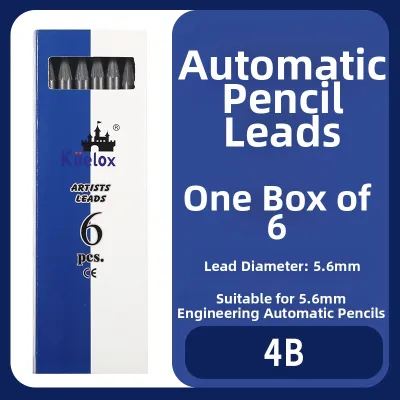
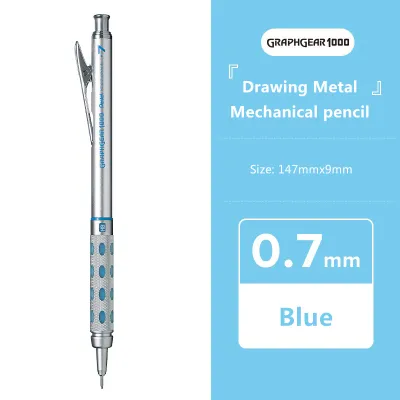
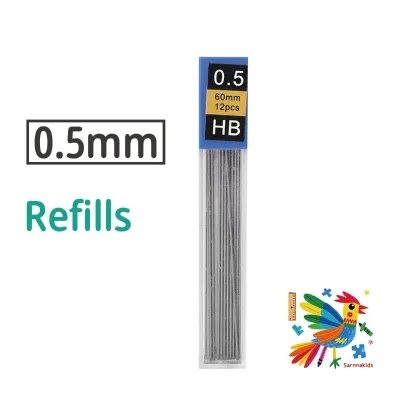
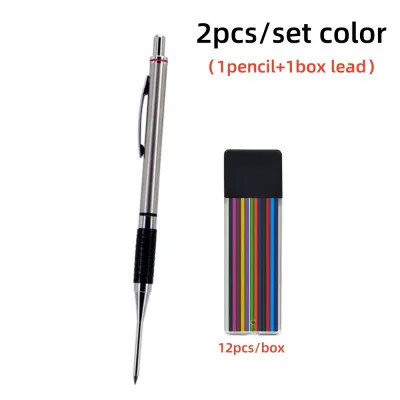
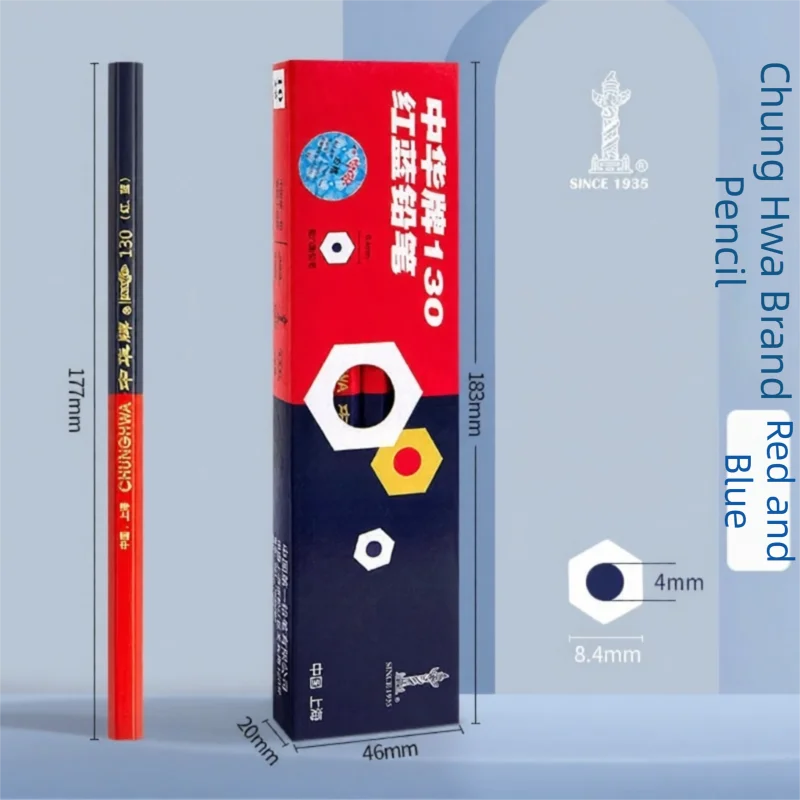
Prices are valid at publication and may change. Please refer to the product page for the latest price.
Durability and pressure tolerance are equally critical during long drafting sessions. Whether you are working on vellum, tracing paper, or heavy drafting film, your pencil must withstand hours of continuous use without requiring constant adjustments or suffering from frequent lead breakage. The physical demands of manual drafting mean that the pencil body must be robust enough to handle firm grips and repetitive motions without flexing or cracking.
Compatibility with standard drafting tools is another essential factor. Technical drawing relies heavily on rulers, T-squares, triangles, and compasses. A proper engineering pencil features a design that allows the lead to rest flush against these straightedges. This prevents the pencil tip from slipping under the tool or lifting away from it, which can cause crooked lines, uneven ink distribution, or torn paper.
Finally, erasability and cleanliness are paramount. In Philippine engineering departments, plates are often graded strictly on neatness. Smudges, graphite dust, and ghosting—the faint, permanent lines left behind after erasing—can significantly lower your marks. A high-quality engineering pencil uses refined graphite and binder mixtures that cling to the paper fibers during drawing but release cleanly when a high-quality eraser is applied, leaving your sheets pristine.
Mechanical vs. Clutch and Woodcase Pencils: Which Do You Need?
Building an effective engineering toolkit requires understanding the distinct roles that different pencil categories play in your academic workflow. While mechanical pencils excel at fine details and calculations, clutch and woodcase pencils offer unique advantages for bold lines, shading, and heavy drafting tasks.

Mechanical Pencils for Precision and Daily Notes
Standard mechanical pencils, typically utilizing lead sizes of 0.5mm or 0.7mm, are the primary workhorses for daily engineering coursework. These instruments are indispensable for solving mathematical equations, writing detailed lecture notes, and performing intricate graph work. The thin lead diameter allows you to write small, highly legible characters within tight grid spaces, which is essential for complex formulas and structural analysis diagrams.
The primary advantage of a mechanical pencil is its ability to deliver a consistent line width without the need for frequent sharpening. As you write or draw, the internal clutch mechanism advances a precise amount of lead with a simple click, allowing you to maintain your focus and workflow. This consistency is vital for technical lettering and dimensioning, where uniform line weights are required by standard drafting conventions.
However, standard mechanical pencils have notable limitations. The thin leads are highly susceptible to snapping if you apply heavy vertical pressure or tilt the pencil at an extreme angle. This makes them less suitable for tasks that require variable line weights, bold borders, or extensive shading, where a thicker, more resilient lead is necessary to prevent constant interruption.
Woodcase and Clutch Pencils for Shading and Heavy Lines
For tasks that demand robust performance and artistic flexibility, traditional woodcase pencils and 2mm clutch pencils (often called lead holders) are essential. These tools are designed to handle the heavy pressure required for bold outlines, border lines, and technical rendering. The thicker lead core is incredibly durable, virtually eliminating the frustration of mid-stroke breakage during intense drafting sessions.
One of the greatest strengths of clutch and woodcase pencils is the ability to achieve variable line weights and shading. By adjusting the angle of the pencil relative to the paper and varying your hand pressure, you can transition smoothly from thin, delicate guidelines to thick, dark structural lines. This versatility is particularly useful when creating depth in technical drawings or shading complex three-dimensional projections.
To maintain this precision, however, these pencils require dedicated maintenance tools. Unlike mechanical pencils, you must use compatible lead pointers, rotary sharpeners, or sandpaper pads to shape the thick lead into a needle-sharp point or a chisel edge. While this adds an extra step to your workflow, the level of control it provides over your line quality is unmatched by thin-lead mechanical alternatives.
Matching Lead Grades and Thickness to Your Drafting Tasks
Selecting the right pencil is only half the battle; you must also match the lead hardness and diameter to your specific drawing surfaces and project requirements. Graphite leads are categorized using the standard H/B scale, which measures hardness and blackness. Hard leads, designated by the letter H (such as 2H, 4H, or 6H), contain a higher proportion of clay binder, making them light, durable, and highly smudge-resistant. These are ideal for initial layout guidelines and construction lines that will eventually be erased or inked over. However, you must use a light touch, as hard leads can easily scratch or indent the paper surface if pressed too firmly.
Medium leads, such as HB and F, offer a balanced compromise between hardness and darkness. They are the standard choice for general writing, mathematical calculations, and intermediate lines that need to be clearly visible but still easy to erase. Softer leads, designated by the letter B (such as B, 2B, or 4B), contain more graphite and less binder, producing dark, bold lines that are perfect for final outlines, borders, and shading. Because soft leads are more prone to smudging—especially in the humid climate of the Philippines—it is crucial to verify their smudge resistance on your specific paper before committing to a full plate.
Paper texture and material also dictate your lead choice. Smooth surfaces like vellum or drafting film require slightly harder leads to prevent excessive smearing, while textured sketchpads or standard bond paper can handle softer leads more effectively. Always check the manufacturer specifications of both your paper and your leads to ensure compatibility.
In addition to hardness, you must select the correct lead thickness for the task at hand. A 0.3mm or 0.5mm lead is ideal for fine details, tight lettering, and precise dimension lines. A 0.7mm or 0.9mm lead is excellent for general writing, sketching, and medium-weight lines. For heavy-duty drafting, layout work, and shading, a 2.0mm clutch pencil lead provides the durability and surface area needed to cover large sections quickly and cleanly.
Essential Features to Check Before Buying Drafting Pencils
Before purchasing any drafting pencil, it is important to evaluate its build quality, ergonomics, and functional design to ensure it can withstand the demands of engineering school. The grip section is one of the most critical areas to inspect. Knurled metal grips provide excellent slip resistance, which is particularly beneficial in warm, humid Philippine classrooms where hands can easily become sweaty. If you prefer a softer feel, high-quality rubber grips offer cushioned comfort, but you should verify that the rubber material is durable and will not become sticky or degrade over time in tropical conditions.
Weight distribution also plays a major role in reducing hand fatigue during extended drawing sessions. Pencils with a low center of gravity—meaning they are heavier near the tip—allow for better control and require less hand pressure to write or draw. Look for pencils that incorporate metal internal components, as they generally offer superior balance and longevity compared to all-plastic alternatives.
Another feature to consider is lead cushioning or shock-absorbing mechanisms. Some advanced mechanical pencils feature internal springs that allow the lead to retract slightly under excessive vertical pressure, significantly reducing breakage. When shopping, check the product packaging and labels for specific drafting claims, and verify these features through an observable trial on actual drafting paper to see how the pencil responds to your natural writing pressure.
Finally, consider the long-term availability and cost of replacement leads and compatible accessories in your local market. A specialized pencil is of little use if you cannot easily find replacement leads or eraser refills when you run out. Ensure that standard lead diameters and your preferred grades are readily stocked in local stationery stores or university bookstores so you can quickly replenish your supplies during busy exam weeks.
How to Build a Practical Pencil Kit for Engineering Students
Assembling a functional, budget-friendly pencil kit does not require spending a fortune on every available tool. Instead, focus on building a baseline kit that covers all your coursework needs. A practical starter kit should include one high-quality 0.5mm mechanical pencil (loaded with HB lead) for calculations and lettering, one 0.3mm mechanical pencil (loaded with 2H lead) for fine layout lines, and one 2.0mm clutch pencil (loaded with 2B lead) for bold outlines and shading. Complete your kit with a high-quality dust-free plastic eraser, a lead pointer or sandpaper block, and a sturdy protective case to keep your tools organized and safe from damage.
Budget considerations are an important factor for most students. A basic but reliable setup can be assembled for a reasonable initial investment. In the Philippines, a dependable mechanical pencil can range from ₱150 to ₱400, while professional-grade drafting pencils may cost between ₱500 and ₱1,200. Lead refills and replacement erasers are highly cost-effective, typically ranging from ₱30 to ₱120 per pack, making the long-term maintenance of your kit very affordable.
When you are ready to purchase, you can verify stock and compare options across various retail channels. Local stationery stores and university bookstores—especially those located near major engineering campuses—are excellent places to handle the pencils in person and test their weight and grip. For a wider selection of specialized lead grades and drafting accessories, reputable e-commerce platforms and online marketplaces offer convenient delivery options, though you should always read customer reviews to verify the authenticity of the products.
Before making any major purchases, always check your specific course syllabi or consult your professors. Some instructors have strict requirements regarding the exact lead grades, line weights, or tool brands allowed in their classrooms, and verifying these details beforehand will prevent you from investing in unnecessary or non-compliant equipment.
Frequently Asked Questions (FAQ)
Can I use standard writing pencils for technical drawing?
While you can use standard woodcase writing pencils for basic sketching, they are generally not suitable for precise technical drawing. Standard pencils wear down quickly, causing the line width to change constantly as you draw, which violates the strict line-consistency requirements of engineering plates. Additionally, the frequent sharpening required by woodcase pencils produces wood shavings and graphite dust that can easily smudge your drawing sheet, and their graphite formulations are often more prone to smearing than dedicated drafting leads.
How do I prevent mechanical pencil lead from breaking during drafting?
To minimize lead breakage, ensure that you do not extend the lead too far from the guide sleeve; one or two clicks are usually sufficient. Adjust your writing angle so the pencil is relatively upright, which distributes the pressure more evenly across the lead core. You can also select a slightly harder lead grade, such as H or HB, which is naturally more resistant to snapping than softer grades like 2B. Finally, periodically check the pencil’s internal clutch mechanism to ensure it is clean and free of tiny lead fragments that can cause slippage.
Is it necessary to buy expensive drafting pencils for engineering students?
It is not necessary to buy the most expensive drafting pencils to succeed in your engineering coursework. While premium, high-end pencils offer superior ergonomics, heavier metal construction, and advanced lead-protection mechanisms, many mid-range options provide excellent precision and durability at a fraction of the cost. Focus on finding a pencil that meets your basic functional requirements—such as a fixed metal guide pipe, a comfortable grip, and compatibility with standard lead refills—and fits comfortably within your student budget.

Community discussion
Share your experience or ask a question. Comments are reviewed before publication.