
Quick Guide: Matching Pencil Features to Your Child's Writing Stage
Helping a child learn to write is a significant developmental milestone, but the process requires more than just practicing letters. The physical tool a child uses plays a fundamental role in how they develop fine motor control. There is no single pencil that suits every child; rather, successful grip development depends on matching the pencil’s physical attributes to the child’s current stage of hand muscle development and motor coordination.
As a general rule, young beginners benefit most from thick, triangular-barreled pencils. These features accommodate larger, less refined hand movements and guide small fingers naturally into place. As children grow older, their hand muscles strengthen, and their coordination improves, allowing them to transition smoothly to standard-thickness hexagonal pencils.
In tropical environments like the Philippines, where high humidity and warm classroom temperatures often lead to sweaty hands, choosing the right pencil features becomes even more critical. A slippery grip can cause a child to overcompensate by squeezing the pencil too tightly, leading to rapid hand fatigue and frustration. The ultimate goal of selecting the right writing tool is to reduce physical strain, prevent cramping, and naturally guide the fingers into a comfortable, dynamic tripod grip without forcing the hand into unnatural positions.
Products mentioned in this guide
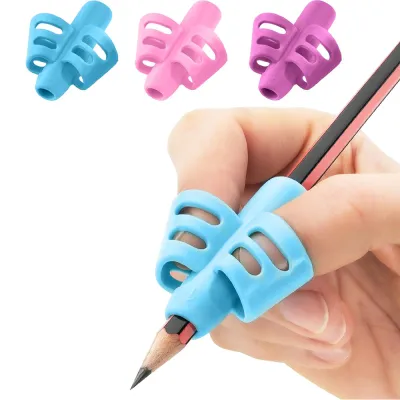
3Pcs Silicone Writing Aid Grip for Kids Children Learning Pen Pencil Aid Grip Kids Writing Posture Corrector Pencil Holder Tools](https://img.lazcdn.com/g/p/70835438659ac5b5b379e0b7cd7eb34d.jpg_400x400q80.jpg_.webp)
![[COD] SAjeNH SPORT Silicone Pencil Grips Children Writing Pencil Pen Holder Five Fingers Fixed Handwriting Posture Correction Assisted Grip](https://img.lazcdn.com/g/p/ce883ed461e54356def3905b3267e6e3.jpg_400x400q80.jpg_.webp)
Prices are valid at publication and may change. Please refer to the product page for the latest price.
Key Pencil Features That Guide a Proper Grip
Understanding the design elements of a pencil allows parents and educators to make informed choices that support a child’s physical development. The shape, thickness, and texture of a writing tool are not merely aesthetic choices; they are ergonomic features that directly influence how hand muscles engage during writing tasks.

Barrel Shape: Triangular vs. Hexagonal vs. Round
The cross-sectional shape of a pencil barrel dictates where a child’s fingers will rest and how much effort is required to keep the pencil stable.
- Triangular Barrels: These are widely considered the gold standard for early writers. Because a proper dynamic tripod grip relies on three fingers—the thumb, the index finger, and the middle finger—a three-sided barrel provides a natural, flat resting place for each one. This design inherently discourages finger-crossing and overlapping, teaching the hand how to hold the tool correctly without constant verbal reminders.
- Hexagonal Barrels: The classic six-sided school pencil is an excellent transitional tool. The flat edges provide tactile feedback that helps keep fingers from slipping, and they offer more stability than a round barrel. Additionally, hexagonal pencils are highly practical in a classroom setting because they do not easily roll off slanted school desks, saving children from constant distractions.
- Round Barrels: While round pencils are common, they are generally not recommended for children who are just learning to write. Round surfaces provide no tactile guides for finger placement, requiring developing hand muscles to exert constant, active pressure just to keep the pencil from rotating in their grip. This extra muscle effort quickly leads to hand fatigue and can contribute to a tight, inefficient grasp.
Barrel Thickness: Jumbo vs. Standard
The diameter of a pencil significantly impacts the amount of finger flexion and joint strain experienced by a young writer.
- Jumbo Pencils: Boasting a much wider diameter than traditional pencils, jumbo models are designed specifically for toddlers and preschoolers. At this stage, children are transitioning from a gross palmar grasp (using the whole fist) to a five-finger digital grasp. A thicker barrel is easier to hold because it does not require the tiny joints of the hand to flex as tightly, reducing muscle cramping and allowing the child to focus on the movement of the arm and wrist.
- Standard Pencils: As a child's fine motor skills refine—typically around the age of six or seven—their hands grow large enough to comfortably wrap around a standard-diameter pencil. Transitioning to a standard size is important at this stage; continuing to use a jumbo pencil for too long can limit the precise, localized finger movements needed for smaller, more detailed print and cursive writing.
Grip Aids, Textures, and Weight
Beyond shape and thickness, subtle design details can make a substantial difference in how securely and comfortably a child holds a pencil.
- Ergonomic Guides: Some modern pencils feature built-in molded finger zones or staggered, non-slip circular indentations along the barrel. These physical indicators show children exactly where to place their fingers relative to the pencil tip, promoting a consistent grip height.
- Non-Slip Finishes: In humid conditions, glossy painted pencils can become incredibly slick. Opting for pencils with matte, natural wood, or textured finishes helps small hands maintain a secure hold even when sweaty, eliminating the need to squeeze the barrel excessively.
- Weight and Balance: A well-made pencil should feel balanced in the hand. Pencils that are top-heavy—often due to oversized decorative erasers or heavy plastic toppers—pull the back of the pencil downward, forcing the child's wrist to work harder to keep the tip on the paper. Lightweight, balanced wooden pencils keep the center of gravity low, close to the writing surface.
Recommended Pencil Types by Learning Stage
To help your child build confidence and endurance, it is best to view their writing journey as a series of developmental stages. Selecting a pencil that aligns with their current motor skills ensures they are neither under-challenged nor physically strained.
Beginners (Pre-K to Kindergarten): Jumbo Triangular Pencils
For children aged three to five who are just starting to scribble, draw shapes, and attempt their first letters, jumbo triangular pencils are the ideal choice. These pencils are specifically engineered to accommodate the broader, less precise movements of early childhood.
- Length and Balance: Look for shorter pencils, often referred to as half-length or "golf" size, which typically measure around 8.5 to 12 centimeters. Standard-length pencils can be top-heavy for tiny hands, causing the pencil to wobble and tip backward. A shorter pencil keeps the weight concentrated near the paper, giving the child much better control over their strokes.
- Lead Softness: It is highly beneficial to choose pencils with soft leads, such as 2B or soft HB. Early writers often struggle to apply the correct amount of downward pressure. A softer lead leaves a dark, highly visible mark on the paper with minimal effort. This prevents the child from pressing down too hard, which can tear the paper, break the lead, and cause early hand fatigue.
- Sharpening and Preparation: Beginners are prone to dropping their pencils, which can shatter the inner graphite core. Look for pencils with fully bonded leads, where the lead is glued to the wood casing along its entire length to prevent internal breakage. Keeping a few pre-sharpened pencils on hand ensures that learning momentum is not lost to frequent sharpening breaks.
Early Writers (Grades 1-2): Standard Triangular or Hexagonal with Grips
By the time children enter the first or second grade, they are writing longer sentences and spending more time completing worksheets. During this transition, their hand muscles are strengthening, and their grip is shifting toward a mature dynamic tripod.
- Refining the Grip: This is the perfect stage to transition from jumbo barrels to standard-thickness triangular pencils. The standard diameter encourages more precise finger movements, while the triangular shape continues to reinforce correct finger placement.
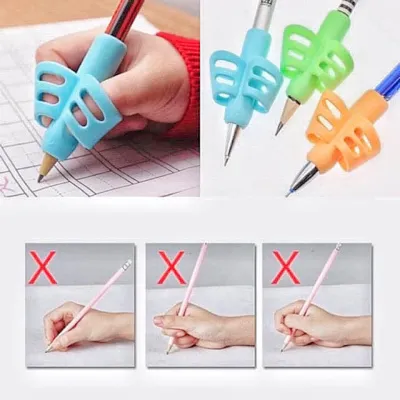
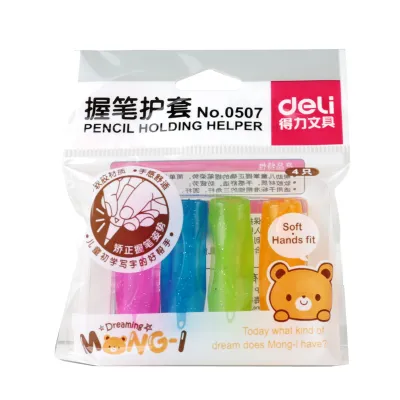
- Using Add-On Grips: If a child struggles to maintain a proper grip on a standard hexagonal pencil, do not hesitate to slide on an external silicone pencil grip. These accessories can be placed onto standard school pencils to provide a soft, tactile reminder of where the fingers belong. They are especially useful for children who tend to wrap their thumbs tightly over their index fingers.
- Eraser Integration and Quality: As writing tasks become more structured, mistakes will happen. Providing pencils with high-quality, latex-free erasers—or supplying a separate, soft block eraser—is essential. Low-quality erasers often smudge the paper or tear it, which can frustrate young learners and damage their confidence.
Transitioning Writers (Grades 3 and Up): Ergonomic Hexagonal Pencils
By grade three, writing tasks become much more demanding. Children are expected to write paragraphs, take notes, and complete timed assessments. The focus at this stage shifts from basic grip training to writing endurance, speed, and overall legibility.
- Maintaining Comfort: Standard hexagonal pencils with subtle ergonomic enhancements are excellent for older children. Pencils featuring a soft-touch matte finish or raised rubberized dots along the barrel provide excellent grip security without looking like a "baby" training tool. This helps maintain academic confidence among peers.
- Phasing Out Training Aids: Unless a child has a specific occupational therapy recommendation or a persistent physical challenge, specialized grip aids and triangular shapes should gradually be phased out by this stage. The goal is for the child to naturally maintain a comfortable, relaxed dynamic tripod grip on any standard writing instrument, including ballpoint pens and mechanical pencils.
- Endurance for Exams: During long writing sessions, a heavy hand can lead to writer's cramp. Encourage your child to periodically shake out their hands and practice a relaxed grip, ensuring they do not white-knuckle the pencil during stressful test-taking periods.
Pencil Grips and Alternatives for Extra Support
Sometimes, simply changing the pencil shape is not enough to correct a persistent grip issue, or perhaps you want to utilize the standard pencils you already have at home. In these cases, external pencil grips and alternative writing tools can provide targeted support.
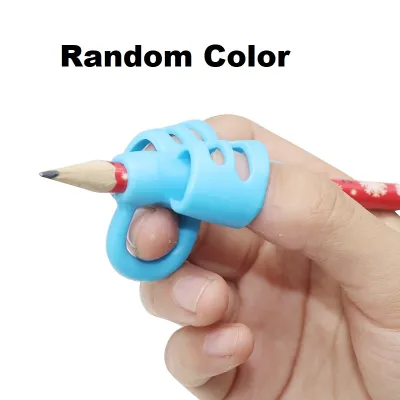
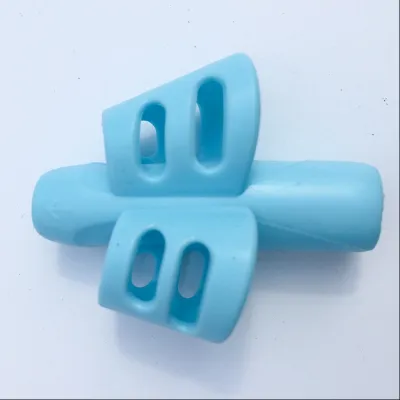
- Silicone Pencil Grips: These slip-on accessories come in various shapes to address specific grip challenges. For instance, a "claw" grip features small cups that physically hold the thumb, index, and middle fingers in the perfect tripod position, making it impossible for the child to cross their fingers. A simple triangular cushion grip provides a softer, wider surface for children who tend to squeeze their pencils too tightly, helping to diffuse the pressure and reduce hand fatigue.
- Alternative Early Tools: Before introducing pencils, you can build hand strength and coordination using other everyday items. Short, broken pieces of sidewalk chalk or triangular crayons naturally force a child to use their fingertips rather than their whole fist. Because these tools are physically short, there is simply no room for the child to use an incorrect, multi-finger grasp.
- Cushioned Mechanical Pencils: For older children in upper elementary grades, mechanical pencils with thick, cushioned grip zones can be a great alternative. These tools eliminate the need for constant sharpening, which can be a distraction in class. However, ensure the mechanical pencil uses thicker lead (such as 0.7mm or 0.9mm) to prevent the lead from constantly snapping under the child's hand pressure.
Pre-Purchase Checklist for Kids' Pencils
Before heading to the bookstore or ordering school supplies online, use this practical checklist to ensure the pencils you select are safe, functional, and compliant with local school guidelines.
- Safety Certifications: Always check the packaging for non-toxic certifications, such as the AP (Approved Product) seal or local equivalents. This ensures the materials, paints, and graphite are completely safe for children who may occasionally chew on the ends of their pencils. Additionally, ensure the wood casing is made from high-quality, straight-grained wood (such as incense cedar or basswood) that sharpens smoothly without splintering.
- Lead Quality and Hardness: Verify that the lead is rated as HB or #2, which is the standard requirement for schoolwork and standardized test sheets. Ensure the lead is centered perfectly within the wooden casing; off-center leads break easily and are incredibly difficult to sharpen evenly.
- School Guidelines: Review your child's school supply list carefully. Some schools in the Philippines have strict rules regarding stationery, such as banning mechanical pencils for younger grades due to lead-breakage distractions, or requiring specific unsharpened wooden formats for classroom safety.
- Sharpening Compatibility: If you choose jumbo pencils, verify that you have a sharpener that can accommodate the wider barrel. Standard sharpeners will not work. Look for dual-hole manual sharpeners, which are widely available in local stationery shops for around ₱20 to ₱80, to ensure you can easily maintain both standard and jumbo sizes at home.
Frequently Asked Questions (FAQ)
At what age should a child switch from jumbo to standard pencils?
Most children are ready to transition from jumbo to standard-diameter pencils between the ages of 5 and 7, which typically aligns with their transition from Kindergarten to Grade 1. This is the period when their hand size increases and their fine motor skills become more refined. However, age is only a general guideline. You should closely observe your child’s comfort; if they struggle with control, experience hand cramping, or revert to a clumsy fist grip when using a standard pencil, it is best to let them use a jumbo pencil or a grip adapter for a little longer.
Can the wrong pencil shape cause hand fatigue or poor handwriting?
Yes, using an inappropriate pencil shape or size is a common cause of hand fatigue and poor handwriting. When a child uses a pencil that is too thin, round, or slippery, they must exert excessive muscle force to keep the tool stable. This intense squeezing restricts the natural movement of the fingers, forcing the child to write using their wrist or entire arm. The resulting muscle strain leads to rapid fatigue, hand cramps, and uneven, shaky letter formation. Providing an ergonomic, triangular, or textured pencil reduces the required grip force, allowing for smoother, more legible writing.
Do left-handed children need special pencils for grip training?
Left-handed children do not generally require specialized, left-hand-only pencils, as the fundamental mechanics of the dynamic tripod grip are identical for both hands. Standard triangular pencils work exceptionally well for left-handed writers by guiding their fingers into the correct positions. However, left-handed children do face unique challenges, such as pushing the pencil across the page rather than pulling it, which can lead to hand smudging. To support a left-handed writer, focus on providing high-quality, smudge-resistant HB leads and teach them to position their paper at a slight angle to prevent them from hooking their wrists.
Community discussion
Share your experience or ask a question. Comments are reviewed before publication.