
Expressing gratitude is a cornerstone of Filipino culture, woven deeply into family celebrations, community gatherings, and professional relationships. While a digital message is quick, it rarely carries the weight of a physical, tactile note. Choosing a thank you card personalized with your own name, custom colors, or a cherished photograph turns a simple message of appreciation into a lasting keepsake.
Whether you are thanking guests for attending a wedding in Tagaytay, showing appreciation to corporate clients in Makati, or sending a thoughtful note after a milestone birthday, the physical card you choose reflects your personal style and attention to detail. Finding the right thank you card personalized to your exact needs requires understanding the local printing landscape, paper options, and design choices available in the Philippines.
Key Factors for Choosing Personalized Thank You Cards
Selecting the perfect custom stationery involves balancing several tactile and visual elements to ensure the final product matches your vision and budget.
Products mentioned in this guide
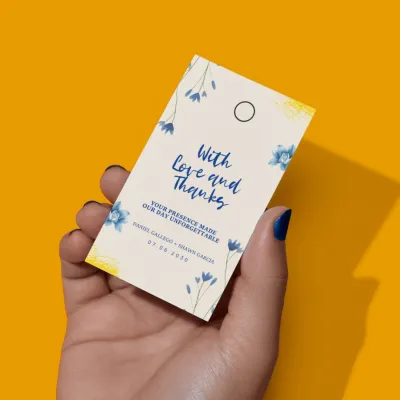
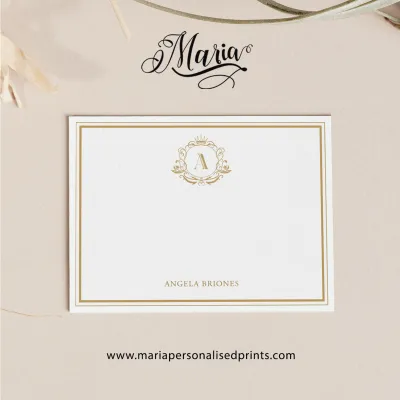

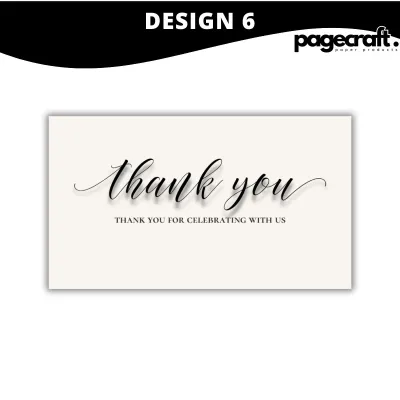
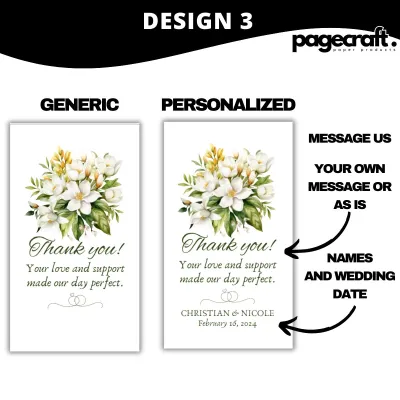
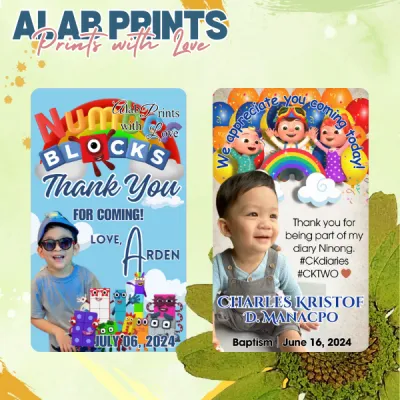
Prices are valid at publication and may change. Please refer to the product page for the latest price.
- Paper Quality and Weight: The tactile experience of a card is determined by its paper stock. In the Philippines, paper weight is measured in grams per square meter (gsm). For a premium feel, avoid anything below 220 gsm, which feels flimsy. A sturdy cardstock of 250 gsm to 300 gsm is the standard for high-quality thank you cards, while ultra-premium options can go up to 350 gsm or higher.
- Paper Finishes: The finish of the paper dictates how it looks and functions. Matte finishes offer a modern, glare-free look that is highly readable and easy to write on. Glossy finishes make photos pop with vibrant colors but are highly reflective and prone to fingerprint smudges. Uncoated or textured papers, such as linen or felt-marked cardstock, provide a classic, tactile feel. In the humid tropical climate of the Philippines, uncoated and matte papers are highly recommended because they absorb ink quickly and are less likely to stick together or warp when stored.
- Printing Methods: The printing method directly influences the cost, turnaround time, and visual depth of your cards. Digital printing is the most common and cost-effective option for small to medium batches, offering sharp details and unlimited color options. Offset printing is ideal for massive bulk orders, providing highly consistent colors across thousands of prints. For those seeking a touch of luxury, premium methods like foil stamping (which applies metallic foil using heat and pressure) or embossing (which creates raised, three-dimensional patterns on the paper) add a sophisticated, tactile dimension to text and monograms.
- Customization Limits: When ordering personalized cards, you must decide between template-based customization and fully bespoke designs. Template-based options allow you to insert your name, date, or a photo into a pre-designed layout. This is highly efficient, budget-friendly, and reduces design errors. Fully bespoke designs, on the other hand, give you complete creative freedom to work with a designer to create unique illustrations, custom color palettes, and specific layouts tailored to your exact brand or event theme.
- Budgeting in PHP: Setting a realistic budget in Philippine Pesos (PHP) depends on your volume and customization choices. Basic digitally printed cards on standard 250 gsm cardstock generally range from ₱10 to ₱30 per piece, depending on the order size. Moving up to textured papers or adding custom envelopes typically brings the cost to ₱35 to ₱70 per card. If you opt for premium finishes like metallic foil stamping, custom die-cut shapes, or heavy cotton paper, prices can range from ₱100 to over ₱250 per card, often requiring a minimum order quantity.
Best Types of Personalized Thank You Cards for Every Occasion
Personalization comes in many forms, allowing you to tailor your gratitude to the tone of the occasion. A wedding thank you card requires a different aesthetic than a corporate appreciation note or a casual birthday card. By understanding the distinct categories of personalized cards available in the Philippine market, you can select the format that best conveys your message while matching your personal or brand identity.

Photo Personalized Cards
Integrating a personal photograph is one of the most popular ways to create a highly visual, emotionally resonant thank you note. These cards are particularly well-suited for life milestones, such as weddings, baby showers, or graduation parties. A photo card serves as both a message of gratitude and a physical keepsake that family and friends are likely to display on their refrigerators or desks.
When designing photo cards, you can choose between full-bleed layouts, where the image covers the entire front of the card, or framed layouts, which surround the photo with a clean border and elegant typography. Full-bleed designs work best with professional photography that has ample empty space for text overlay. Framed designs are more forgiving, allowing you to use cropped images without losing important visual details.
To ensure your printed cards look crisp and professional, always use high-resolution images of at least 300 DPI (dots per inch). Photos taken in bright, natural light work best; dark, backlit, or heavily compressed smartphone photos can appear grainy, pixelated, or muddy when printed on cardstock. If you are printing on matte paper, slightly increase the brightness of your photos beforehand, as matte surfaces tend to absorb more ink and can make images look slightly darker than they appear on a backlit digital screen.
Monogram and Name Custom Cards
For those who prefer a classic, understated, and highly formal aesthetic, monogram and name-customized cards are the ideal choice. These text-focused designs rely on elegant typography rather than photos or complex illustrations to make an impression. They are highly versatile and suitable for formal weddings, corporate appreciation, professional networking, or as a staple in your personal stationery collection.
The success of a monogram card relies heavily on typography and layout. Classic serif fonts or delicate script typefaces convey tradition, elegance, and warmth, while clean, geometric sans-serif fonts offer a modern, minimalist vibe. When pairing fonts, combine a prominent script monogram with a simple, readable sans-serif font for the main text to maintain visual balance. Monogram placement is typically centered at the top of the card or subtly integrated into the bottom corner.
To elevate a text-based design, consider premium embellishments. Foil stamping in metallic gold, rose gold, or silver adds a striking shimmer that catches the light beautifully. Blind debossing, which presses the monogram into the paper without ink, creates a subtle, tactile indentation that exudes luxury and sophistication. These premium touches transform a simple card into a tactile work of art.
Fully Custom Design and Message Cards
If you want complete creative control over every visual element and word, fully custom design and message cards are the way to go. This approach is highly favored by small businesses, independent brands, and individuals with a highly specific creative vision. Custom cards allow you to print a pre-written message on the inside or back of the card, saving you time when sending out hundreds of notes while still maintaining a deeply personal touch.
Creating a fully custom card involves either working directly with a local graphic designer or utilizing flexible online design platforms. If you are designing the card yourself, it is crucial to understand basic print specifications to avoid costly mistakes. Always set your design file to the correct dimensions and include a bleed area—typically 2 to 3 millimeters beyond the final cut line—to ensure there are no accidental white borders after the cards are trimmed. Keep all text and critical design elements within a safe margin, at least 5 millimeters away from the edge.
Additionally, ensure your design software is set to the CMYK color profile rather than RGB. Digital screens display colors in RGB (red, green, blue), whereas commercial printers use CMYK (cyan, magenta, yellow, black). Designing in CMYK ensures that the colors you see on your screen closely match the actual ink colors on the printed cardstock, preventing unexpected shifts in hue or saturation.
Where to Order a Thank You Card Personalized for Your Style in the Philippines
Navigating the local market to order custom cards requires knowing where to look based on your budget, timeline, and quality expectations. The Philippines offers a diverse range of sourcing options, from convenient online marketplaces to specialized local print shops and independent stationery designers.
- Online E-commerce Platforms and Custom Printing Websites: For convenience and accessibility, major online marketplaces and specialized local printing websites are excellent starting points. When browsing online platforms, use specific search terms like "thank you card personalized" or "custom stationery print" to find specialized print shops. To ensure quality, always filter for sellers with high ratings and read customer reviews carefully. Look for reviews that include real photos or videos of the printed cards, paying close attention to comments regarding paper thickness (often described as "makapal" or "matigas") and print clarity. Many online sellers offer pre-designed templates where you simply send your names or photos via chat, making the process incredibly straightforward.
- Local Print Shops and Stationery Boutiques: If you prefer a hands-on approach, visiting physical print shops and stationery boutiques in major metropolitan areas like Metro Manila, Cebu, or Davao is highly beneficial. Areas like Quiapo or Recto in Manila are famous for budget-friendly commercial printing, while upscale malls in Makati, Bonifacio Global City (BGC), and Ortigas house premium stationery boutiques. Visiting a physical store allows you to touch and feel different paper swatches, helping you understand the difference between 250 gsm and 300 gsm paper or matte and linen textures. Physical shops also offer the advantage of direct communication with the printer, making it easier to negotiate custom sizes, request urgent turnarounds, or secure bulk discounts for large events.
- Independent Stationery Brands and Designers: For those seeking unique, artistic, or eco-friendly options, independent local designers and boutique stationery brands are the gold standard. Many talented Filipino artists showcase their work on social media platforms and at local art markets. These creators often specialize in premium, handcrafted details that mass-production printers cannot replicate, such as deckled edges, handmade abaca or cotton paper, and hand-painted watercolor details. Some independent brands even offer eco-friendly seed paper, which recipients can plant in soil after reading to grow wildflowers or herbs—a beautiful, sustainable way to say thank you that resonates deeply with environmentally conscious recipients.
Essential Tips for Designing and Ordering Custom Cards
Ordering customized stationery is an exciting process, but it requires careful planning to ensure the final product matches your expectations. Because personalized items cannot easily be resold, print shops rarely offer refunds for customer errors. Following a systematic approach helps you avoid common pitfalls and ensures a smooth ordering experience.
- Proofread Diligently: Before submitting your design or approving a template, proofread every single word multiple times. Check the spelling of names, the accuracy of dates, social media handles, and email addresses. It is highly recommended to have a friend or family member review the design as well, as fresh eyes are more likely to spot minor typos or formatting errors that you might have overlooked.
- Request Proofs: For large or expensive printing batches, never skip the proofing stage. Ask the printer for a digital PDF proof to verify the layout, margins, and alignment. If your budget and timeline allow, request a physical printed proof. Seeing and holding a single physical sample is the absolute best way to verify paper thickness, color accuracy, and overall print quality before authorizing the production of hundreds of cards.
- Plan for Delivery Timelines: Custom printing takes time, and logistics in the Philippines can be unpredictable. Standard production times usually range from 3 to 7 business days, while shipping can take an additional 2 to 5 days depending on whether you are located in Luzon, Visayas, or Mindanao. Always account for local holidays, typhoon seasons, and the chaotic "ber-months" holiday rush (from September to December), when both printers and courier services face massive backlogs. Order your cards at least four to six weeks before you actually need to distribute them.
- Understand Return Policies: Familiarize yourself with the printer's return and reprint policies before making a payment. Standard industry practice dictates that custom-printed items are non-refundable and cannot be returned simply because you changed your mind or made a spelling error. However, reputable printers will offer free reprints or corrections if there is a clear manufacturing defect, such as misaligned cutting, severe color banding, or physical damage sustained during production.
Frequently Asked Questions (FAQ)
What is the standard size for a personalized thank you card?
The most common size for a personalized thank you card is A6 (105 x 148 mm or approximately 4.1 x 5.8 inches) or the standard 4R photo size (4 x 6 inches). These sizes are widely available, fit perfectly into standard envelopes, and are highly cost-effective to print. When choosing a format, flat cards offer a clean, modern, and minimalist look that is ideal for quick notes. Folded cards are more traditional, providing double the writing space and keeping your handwritten message private inside the fold.
How far in advance should I order custom thank you cards?
You should ideally order your custom thank you cards at least three to four weeks before your event or the date you plan to send them. This timeline allows 3 to 5 days for design adjustments and proof approval, 5 to 7 days for printing and quality checks, and 3 to 5 days for local shipping. If you are ordering during peak seasons like the Christmas holidays or peak wedding months (usually January, February, and June), add an extra two weeks of buffer time to account for printing backlogs and courier delays.
Can I add a handwritten message to a printed personalized card?
Yes, adding a handwritten note to a printed card combines the efficiency of custom printing with a deeply personal touch. To do this, design your cards with intentional blank space, such as a clean, unprinted back on a flat card or a completely blank interior on a folded card.
When writing your messages, match your pen to the paper’s finish to prevent smudging. For matte or uncoated cardstock, gel pens, felt-tip pens, and fountain pens work beautifully, though you should allow a few seconds for the ink to dry in humid weather. If your cards have a semi-gloss or glossy finish, avoid water-based gel pens and fountain pens, as the ink will bead up and smudge; instead, use a quick-drying ballpoint pen or a fine-tip permanent marker.
Community discussion
Share your experience or ask a question. Comments are reviewed before publication.