
Creating a vibrant pipe cleaner flower is a classic school art project that helps students develop fine motor skills, explore color combinations, and understand basic structural design. To achieve the best results, selecting the right materials is essential. The ideal pipe cleaner for floral crafts must have a balance of pliability, pile density, and structural memory so that petals hold their shape and stems remain upright.
When browsing school supply retailers, wholesale catalogs, or online craft stores, you will often find these tools listed under the alternative industry name “chenille stems.” While the terms are used interchangeably, looking for chenille stems often leads to a wider variety of colors and thicknesses specifically designed for crafting rather than utility cleaning.
Choosing the best option depends heavily on which part of the flower is being constructed and the age group of the students. Delicate, multi-layered petals require highly flexible, standard-sized stems that younger children can bend easily. In contrast, thick, sturdy stems or large blossoms require heavier wire cores and denser pile to prevent the finished project from drooping.
Products mentioned in this guide
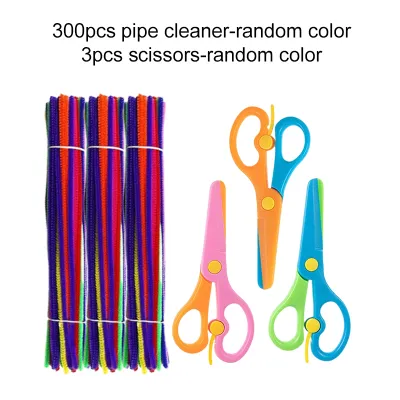
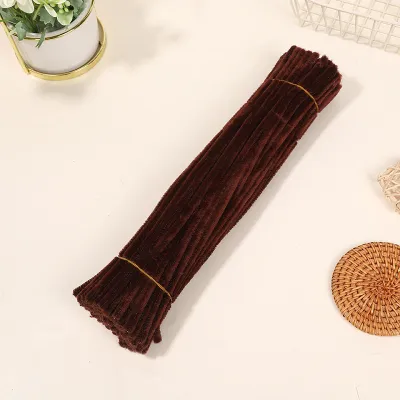
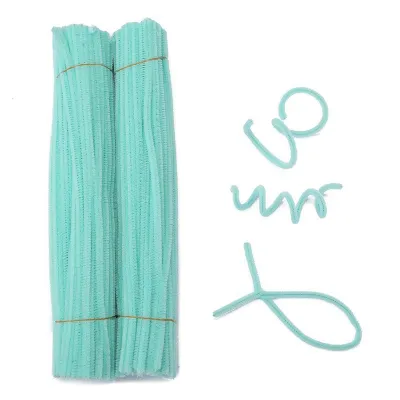
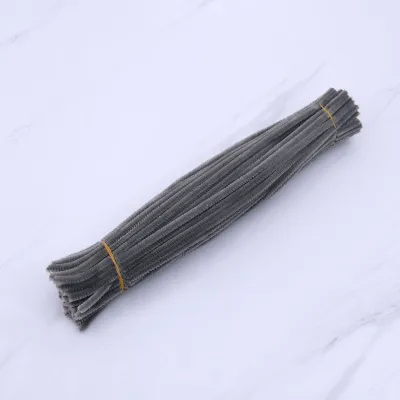
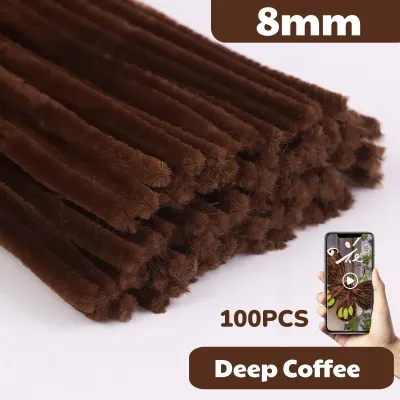
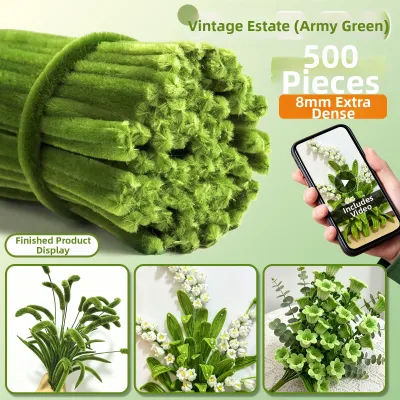
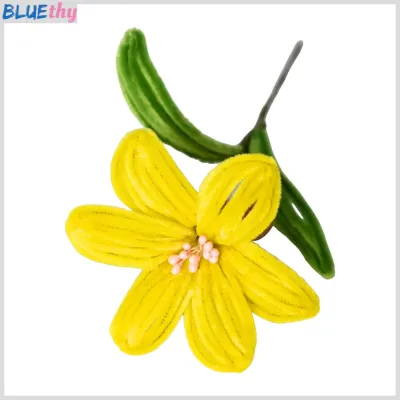
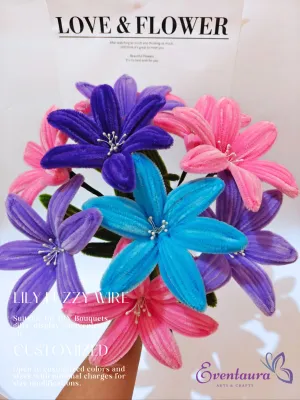
Prices are valid at publication and may change. Please refer to the product page for the latest price.
Essential Features for Durable and Attractive Flowers
To ensure that classroom art projects look professional and last long after they are taken home, you must evaluate several physical attributes of the chenille stems before making a purchase.
Thickness and Pile Density
The overall thickness of a chenille stem directly impacts how well it can be shaped into realistic floral elements. Standard 6mm stems are the most common and versatile choice for school art classes. They are thin enough to bend into tight loops for daisy petals, wrap around other wires, and form intricate leaf veins without becoming bulky.
For larger floral designs, extra-thick varieties measuring 9mm to 12mm provide immediate volume and structural presence. These thicker options are excellent for creating prominent flower centers, thick stems, or large, bold petals that need to stand out.
Pile density refers to how closely packed the fuzzy fibers are along the wire core. High-density stems feature a plush, compact pile that completely conceals the inner metal wire, resulting in a premium, opaque appearance for your flowers. Low-density or sparse stems expose the wire core, which not only looks less vibrant but also makes the flower feel flimsy and cheap.
Wire Core Flexibility and Memory
The inner core of a quality chenille stem is made of flexible, thin-gauge wire that must possess good “memory.” In crafting terms, wire memory is the ability of the material to hold its bent shape firmly without springing back or losing its curve over time. This is particularly important when shaping curved rose petals or wavy tulip leaves.
For school projects, safety and ease of use are paramount. The wire core must be pliable enough for children to twist and shape using only their hands, eliminating the need for specialized tools like pliers. If the wire is too stiff, younger students will struggle to manipulate it, leading to frustration. Conversely, if the wire is too soft or thin, it will fatigue quickly, snapping after only a few twists and creating sharp, exposed ends.
Color Fastness and Shedding
Classroom crafting sessions can quickly become messy, making material quality a key factor in classroom management. Color fastness is critical, especially when working with highly saturated shades like deep red, bright green, or dark blue. Low-quality dyes can bleed when exposed to moisture, including the natural sweat from students’ hands during a busy art session, potentially staining skin, desks, and school uniforms.
Shedding is another common issue with lower-grade craft stems. High-quality chenille stems secure their fibers tightly within the twisted wire core, ensuring they retain their plushness even when cut into smaller pieces. Cheap stems tend to shed loose fibers constantly during twisting and cutting, leaving a layer of colorful dust across the classroom floor and reducing the overall volume of the finished flower.
Recommended Pipe Cleaner Types for the Classroom
Different parts of a flower require different structural properties. Categorizing your purchases based on these specific needs will help you achieve the best balance of cost, usability, and visual appeal.

Standard Assorted Color Packs
Standard assorted packs of 6mm chenille stems are the absolute baseline for any school art project. These versatile packs are perfect for constructing the primary parts of common flowers, such as the petals of tulips, daisies, and lilies, as well as wrapping around base wires to form green leaves.
When purchasing assorted packs, carefully check the color distribution. Many generic assortments are heavily weighted toward neutral colors like black, brown, grey, and white, which are rarely used in large quantities for floral projects. Prioritize packs that feature a high proportion of bright primary and secondary colors, particularly pinks, reds, yellows, and various shades of green for stems and foliage.
Extra-Thick and Bump Chenille Stems
To add texture, dimension, and structural support to your classroom creations, specialty stems are highly effective. Extra-thick stems (9mm to 12mm) are ideal for constructing the main supportive stem of a flower. A standard 6mm stem will often bend and droop under the weight of a multi-layered flower head, but an extra-thick stem provides the rigidity needed to keep the flower standing tall in a vase.
Bump chenille stems feature alternating thick and thin sections, creating a series of fluffy, wave-like segments. These are incredibly useful for mimicking natural floral textures. A single “bump” can be cut and shaped to form a perfect, pre-contoured petal or leaf. They are also excellent for creating textured, realistic centers for sunflowers, black-eyed Susans, or daisies.
Metallic and Glitter Varieties
Metallic and glitter pipe cleaners feature shiny, reflective plastic fibers woven into the core, making them popular for holiday-themed crafts, fantasy flowers, or adding eye-catching accents to traditional designs. They are excellent for highlighting the stamens or outer edges of petals.
However, these specialty stems have practical limitations in a school setting. The metallic plastic fibers are stiffer and sharper than standard polyester fuzz, which can make them scratchy to handle and more difficult for younger children to bend. Additionally, glitter varieties tend to shed micro-plastic particles more easily, resulting in a messier workspace that requires thorough cleanup after class.
Buying in Bulk: Classroom Quantities and Storage
Planning a school art project requires careful calculation of materials to ensure every student has enough stems to complete their project without excessive waste.
To estimate your needs, use a basic calculation framework. A simple pipe cleaner flower, such as a basic tulip or daisy, typically requires 3 to 5 standard stems: 2 to 3 for the petals, 1 for the main stem, and 1 for the leaves. More complex or layered designs, like a full rose or a sunflower, can easily require 8 to 12 stems.
For a standard classroom of 20 to 30 students, assuming an average of 5 stems per flower and each student making two flowers, you will need between 200 and 300 stems. Purchasing bulk boxes of 100-count, 200-count, or 500-count packs is highly recommended. Bulk purchasing is significantly more economical, with prices typically ranging from ₱150 to ₱400 per bulk set depending on the fiber quality and quantity, which fits well within typical school department budgets.
Proper storage is essential to maintain the quality of your craft supplies, especially in tropical climates like the Philippines. High humidity can cause the iron wire core inside the stems to rust over time. Rust weakens the wire, making it brittle, and can bleed through the fibers, leaving unsightly brown stains on bright yellow or pink petals.
To protect your investment, store unused chenille stems in airtight plastic containers or heavy-duty, resealable plastic bags. Keep the storage boxes in a cool, dry place away from direct sunlight, which can fade vibrant dyes over time. Adding a few silica gel packets to your storage containers is an excellent, low-cost way to absorb excess moisture and keep the stems dry, fluffy, and ready for the next art class.
Quick Tips for Assembling Sturdy Pipe Cleaner Flowers
Following a few simple assembly techniques will ensure that the students’ finished flowers are both durable and safe to handle.
- Use the Lock Twist: Teach students to cross two stems, twist them around each other twice, and pull gently to lock the joint. This prevents petals from sliding or coming loose, which is common when stems are merely wrapped around one another.
- Reinforce Top-Heavy Blooms: If a large flower head is drooping, wrap the green stem pipe cleaner tightly around a thin bamboo skewer or a sturdy paper straw to provide rigid structural support.
- Finish with Green Wrapping: Wrapping the final assembled stem with a single, long green pipe cleaner or green floral tape hides joint connections and gives the flower a clean, professional appearance.
- Tuck the Sharp Ends: Always instruct students to fold the last 5 millimeters of any cut wire end backward and pinch it flat against the stem using their fingers or craft pliers. This simple step tucks away sharp points, preventing accidental scratches.
Frequently Asked Questions (FAQ)
Can I use regular craft wire instead of pipe cleaners for the stems?
While regular craft wire is stronger and offers excellent rigidity, it lacks the soft, fuzzy texture needed to form realistic petals and leaves. Furthermore, bare craft wire is much more difficult for young children to bend safely and features sharp ends that pose a scratching hazard. Chenille stems remain the safer, more colorful, and highly manageable choice for school art classes.
How do I stop the wire from poking out of the ends?
To prevent the sharp metal core from poking out of the ends of your flower parts, always fold the very tip of the stem back onto itself by about half a centimeter and pinch it tightly. For added security, you can apply a small drop of school-safe white craft glue or clear glue to the folded tip, which seals the fuzzy fibers over the wire end.
Are there washable pipe cleaners for younger students?
Most standard chenille stems are not machine washable because water will rust the iron wire core and cause the polyester fibers to mat together. If you are working in an environment with very young children where washability is required, look for specialty plastic-core craft ties. However, keep in mind that these plastic alternatives do not hold complex, bent shapes as effectively as traditional wire-core stems.
Community discussion
Share your experience or ask a question. Comments are reviewed before publication.