
Selecting the right modeling compound playset involves matching the physical design, tool complexity, and accessory sizes to your child’s current developmental milestones. While the classic colorful cans of play doh appeal to children of almost all ages, a set that is too complex can lead to intense frustration, while one that is too simple may fail to hold an older child’s attention. By understanding how fine motor skills, cognitive development, and safety needs evolve, you can select a set that fosters creativity, builds confidence, and ensures hours of engaging, independent play.
To make the best choice, parents must evaluate how a child interacts with physical objects at different ages. From the basic squeezing actions of a two-year-old to the intricate, multi-step crafting projects of a grade-schooler, each stage of childhood demands a specific toolset and structure. Choosing wisely not to buy the biggest or most expensive set, but rather the one most aligned with your child’s current abilities, makes all the difference in their play experience.
How to Match Play-Doh Sets to Your Child's Development
A child’s physical ability to manipulate modeling clay progresses along a predictable developmental path. In early toddlerhood, children rely on a palmar grasp, using their entire fist to clutch, squeeze, and squash the compound. As they grow into the preschool years, they transition to a digital grasp, using their fingers to roll and flatten the material. By age six, they develop the precise pincer grip—using the thumb and index finger—which allows them to pinch small pieces, sculpt fine details, and operate complex mechanical accessories.
Products mentioned in this guide
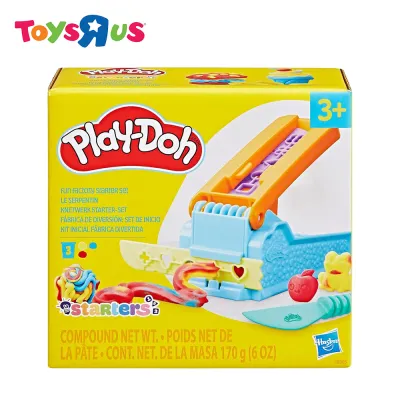
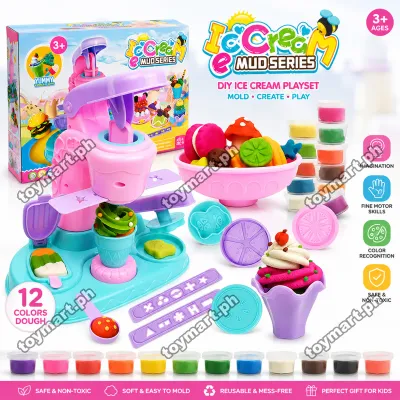
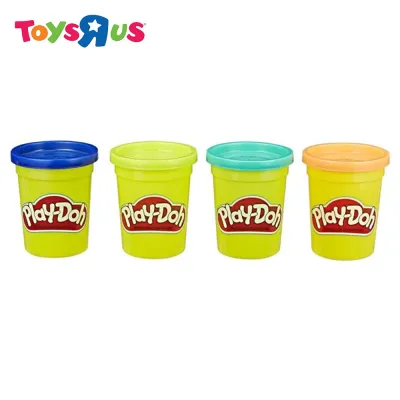
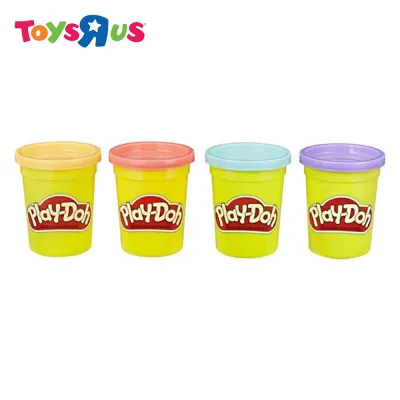
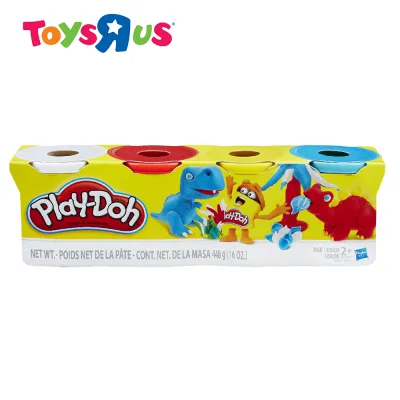
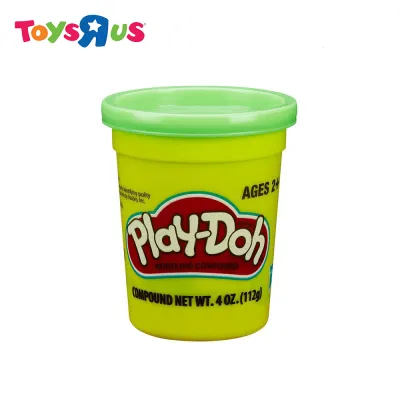
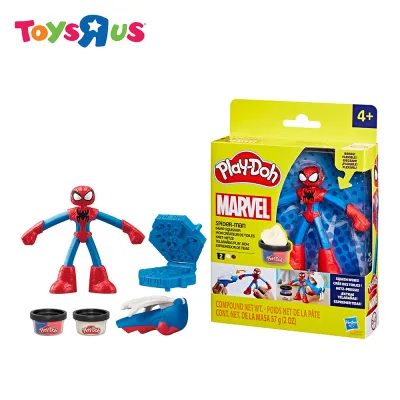
Prices are valid at publication and may change. Please refer to the product page for the latest price.
Cognitive readiness determines how a child engages with themed playsets. Younger children enjoy pure sensory exploration, focusing entirely on the texture, color, and immediate feedback of squeezing the dough. Around age four, symbolic and imaginative play emerges, allowing children to pretend they are bakers, dentists, or veterinarians. If a child is introduced to highly specific themed sets before they are cognitively ready for role-play, they may struggle to understand the purpose of the tools, leading to disinterest or frustration.
Safety remains the most critical factor when selecting toys for early childhood. Toddlers frequently go through a mouthing stage, exploring new textures by putting them in their mouths. During this phase, sets with small parts, intricate cutters, or tiny plastic accessories must be avoided entirely due to choking hazards. Even though the official compound is formulated to be non-toxic, the physical accessories included in advanced kits can pose significant risks to younger siblings who might wander into the play area.
To evaluate the skill level of a specific playset, look closely at the physical mechanics required to operate its tools. A simple press-down mold that requires only a single downward push is ideal for developing basic hand strength. Conversely, an extruder that requires a child to hold a unstable base steady with one hand while pushing down a lever with the other requires advanced bilateral coordination. Counting the number of physical steps needed to produce a finished shape is an excellent way to gauge whether a kit matches your child’s current physical coordination.
Top Play-Doh Recommendations for Toddlers (Ages 2 to 3)
For toddlers between the ages of two and three, the primary goal of sensory play is to explore texture, build hand strength, and discover basic cause-and-effect relationships. The best sets for this age group feature chunky, oversized tools designed for small hands that are still developing grip strength. Large, flat stampers with thick handles, wide rolling pins without moving parts, and simple plastic cutters allow toddlers to practice pressing and slicing without needing precise finger control.

Single-action extruders are highly beneficial for toddlers. These basic toys, such as classic press-and-squeeze devices, allow a child to load a small amount of compound and press down a large lever to watch long strands of dough emerge. This simple action provides immediate physical feedback, reinforcing the concept of cause-and-effect while building the intrinsic muscles of the hand. These hand muscles are the biological foundation for later tasks, including holding a pencil, using safety scissors, and buttoning clothes.
When purchasing sets for toddlers, prioritize simplicity and scale. Look for starter kits that contain only three or four large, durable tools and a few primary-colored cans. Limiting the number of components prevents sensory overload and makes the play space much easier for parents to manage and clean. Selecting sets with fewer, larger pieces also reduces the risk of tiny plastic items getting lost under furniture or accidentally swallowed during unsupervised moments.
At this stage, avoid any kits that feature complex mechanical parts, interlocking gears, or highly detailed decorative molds. Toddlers do not have the spatial reasoning or finger strength to align gears or extract delicate shapes from intricate molds without tearing them. Attempting to use these advanced features often results in tantrums, as the toddler cannot achieve the pictured results, leading them to abandon the toy entirely in favor of simpler activities.
Best Play-Doh Sets for Preschoolers (Ages 4 to 5)
Preschoolers aged four to five are in a prime stage for imaginative storytelling and cooperative play. Themed sets that mimic real-world environments—such as toy kitchens, barber shops, animal clinics, or construction sites—are highly engaging for this age group. These sets allow children to take on roles, practice social communication, and act out scenarios they observe in daily life, such as preparing a family meal or visiting the doctor.
Using tools like rolling pins, safety scissors, and dual-sided stamps helps preschoolers build hand-eye coordination and bilateral integration. Bilateral integration is the ability to use both sides of the body together in a controlled, coordinated manner, such as holding a piece of paper steady with one hand while cutting with the other. Rolling out a flat sheet of compound with a two-handed roller or cutting a long strip of dough with plastic scissors provides excellent, low-resistance practice for these essential motor skills.
When selecting a preschool-level kit, seek a balance between structured molds and open-ended creative tools. A great set provides a thematic starting point—such as a plastic stove or a toy animal—but leaves the actual creation open to the child’s imagination. For example, a toy kitchen set should include basic plates and cutters, but should not dictate exactly what kind of food the child must create, allowing them to mix colors, invent recipes, and experiment freely.
Parents should note that preschool-themed kits often include smaller accessories, such as plastic forks, tiny food molds, or decorative stamps. While these parts are generally safe for children over three, they do require a higher level of parental supervision to prevent loss and ensure safe play. Additionally, because these sets introduce narrative concepts, younger preschoolers may initially require active parental participation to help them understand how to set up the scenario and begin their imaginative play.
Advanced Play-Doh Kits for School-Aged Kids (Ages 6 and Up)
School-aged children possess the refined motor control, longer attention spans, and spatial awareness required to tackle complex, multi-step crafting projects. Advanced kits designed for this demographic often feature intricate mechanical moving parts, such as hand-cranked conveyor belts, complex multi-color extruders, and layering tools. These mechanisms allow older children to create highly detailed, realistic structures, such as layered cakes, multi-textured animals, or detailed architectural models.
These advanced systems challenge a child’s problem-solving skills, patience, and spatial reasoning. Creating a complex structure requires planning and sequential execution; a child must select the correct colors, load them into specific chambers, apply steady pressure to a crank, and use trimming tools to clean up the edges. When a mechanism jams or a shape does not turn out as expected, the child is forced to analyze the problem, adjust their technique, and try again, building cognitive resilience.
Look for advanced sets that emphasize customization and compatibility. Kits that allow children to mix and match components from different sets, or those that feature modular building pieces, offer the highest play value for older kids. This age group enjoys creating large, interconnected scenes, such as an entire toy city street or a complete miniature restaurant, which can keep them focused and engaged for hours at a time in a dedicated play area.
However, these complex kits come with specific trade-offs. They have a high frustration threshold for younger siblings, who may break the delicate plastic mechanisms or clog the intricate extruders with mixed clay. Furthermore, more parts and mechanical joints mean that setup and cleanup times are significantly longer. Dried compound can easily collect inside gears and narrow tubes, requiring meticulous maintenance to prevent the moving parts from jamming permanently.
Quick Comparison: Play-Doh Sets by Age and Complexity
To help you quickly identify the ideal product category for your child, the table below summarizes the key differences in motor skills, tool designs, and supervision requirements across different age groups.
| Age Group | Primary Motor Skill Focus | Recommended Set Types | Accessory Complexity | Required Supervision Level |
|---|---|---|---|---|
| Toddlers (Ages 2–3) | Palmar grasp, basic hand strength, cause-and-effect | Chunky starter packs, simple single-action extruders | Very low (large, single-piece tools, no tiny parts) | High (constant visual supervision to prevent mouthing) |
| Preschoolers (Ages 4–5) | Bilateral coordination, hand-eye coordination, digital grasp | Thematic role-play sets (kitchens, animal clinics, shops) | Moderate (simple cutters, stamps, rollers, small utensils) | Moderate (initial setup assistance, periodic check-ins) |
| School-Aged (Ages 6+) | Precise pincer grip, fine detail sculpting, multi-step assembly | Mechanical kits, multi-color extruders, modular building sets | High (moving gears, cranks, intricate molds, layering tools) | Low (independent play, occasional help with deep cleaning) |
Essential Tips for Play-Doh Storage, Cleanup, and Safety
To prolong the lifespan of your modeling compound and keep your playsets hygienic, proper storage is essential. Before sealing the compound back in its plastic can, always wipe any residue from the inner rim and the lid. A clean rim ensures an airtight seal, which prevents air from leaking into the container and drying out the material. Storing the cans upside down can also help, as any residual moisture within the compound naturally pools near the lid, keeping the top surface soft and ready for the next play session.
Managing modeling clay in the tropical climate of the Philippines requires extra care due to high humidity levels. Extreme humidity can make the compound excessively sticky, while damp storage environments can encourage mold growth on poorly sealed organic materials. To prevent this, store your cans in a cool, dry room away from direct sunlight, and consider placing them inside a secondary airtight plastic storage container (such as a lockable utility box) to shield them from ambient moisture during the rainy season.
When compound inevitably gets ground into household surfaces, the worst approach is to scrub it while it is wet, which smears the pigment deeper into fibers. Instead, allow the compound to dry completely until it becomes hard and crumbly. Once dry, use a stiff-bristled brush to loosen the fragments from fabrics, carpets, or floor tile grout, and then use a vacuum cleaner to sweep away the debris. For solid plastic toys and extruders, soaking the clogged parts in warm water for a few minutes will quickly dissolve any hardened compound, making it easy to rinse clean.
While the official compound is formulated with non-toxic, food-grade ingredients, safety precautions are still necessary. The compound is not food and should never be consumed, as eating large quantities can cause mild stomach discomfort. Furthermore, the classic formula contains wheat, making it a critical health hazard for children with celiac disease, gluten intolerances, or wheat allergies. For these children, contact with the skin or accidental ingestion can trigger allergic reactions, so parents must verify the product’s allergen label or opt for certified gluten-free modeling alternatives.
Frequently Asked Questions (FAQ)
Is Play-Doh safe if my child accidentally eats it?
Yes, the official compound is formulated to be non-toxic and is safe if a child accidentally ingests a tiny amount during play. However, it is not a food product and contains high levels of salt, which can cause dehydration or stomach upset if eaten in larger quantities. Additionally, the standard compound contains wheat, meaning it is unsafe for children with wheat allergies or celiac disease. If a child with these sensitivities ingests the compound, or if any child consumes a large amount, consult your pediatrician immediately.
How do I revive Play-Doh that has started to dry out?
If the compound has only recently started to dry out and lose its elasticity, you can easily restore it by adding moisture. Work a few drops of clean water into the dough and knead it thoroughly on a non-porous surface until it regains its smooth, pliable texture. Alternatively, wrap the dry compound in a damp paper towel, place it back inside its plastic can, seal the lid tightly, and let it sit undisturbed overnight. If the compound has turned completely hard, brittle, and crumbly throughout, its chemical structure has changed permanently; it cannot be salvaged and must be discarded.
Can I mix different Play-Doh colors together permanently?
Yes, you can mix different colors together, but the process is completely irreversible. When children knead different colors together, they will initially see beautiful marbled patterns, but continued mixing will eventually blend the pigments entirely according to basic color theory. For example, mixing blue and yellow will create a solid green, while mixing multiple contrasting colors together usually results in a dull, muddy brown. Explain this outcome to your child beforehand so they do not accidentally ruin rare or favorite colors that they wanted to keep separate.
Community discussion
Share your experience or ask a question. Comments are reviewed before publication.