
Selecting the ideal playdough set for your child is more than just picking a colorful box off a store shelf. The right choice hinges on balancing safety requirements, physical developmental milestones, and the unique challenges of your local environment. In tropical climates like the Philippines, where high humidity and warm temperatures directly affect how modeling compounds behave, understanding the material properties of your child’s toys is essential. By matching the set’s complexity, tool sizes, and compound formulation to your child’s specific developmental stage, you can foster fine motor skills, encourage imaginative play, and ensure a safe, engaging creative session.
To find the perfect fit, parents must look beyond brand names and evaluate the physical design of the tools, the chemical safety of the dough, and the cognitive challenges the set provides. Whether you are looking for a taste-safe sensory experience for a toddler or a highly detailed, STEM-inspired crafting kit for a school-age child, this guide details how to choose the best modeling compound setups for every stage of early childhood.
Quick Guide: Matching Playdough Sets to Your Child's Age
When shopping for a playdough set, children’s needs can be broadly categorized into three developmental stages. Each stage requires a different balance of safety features, tool complexities, and compound textures to maximize both safety and engagement.
Products mentioned in this guide
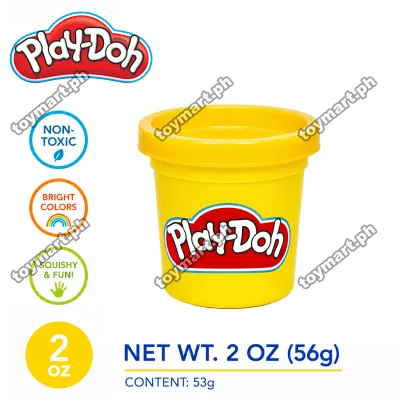
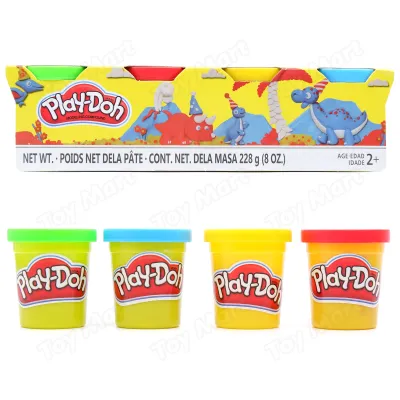
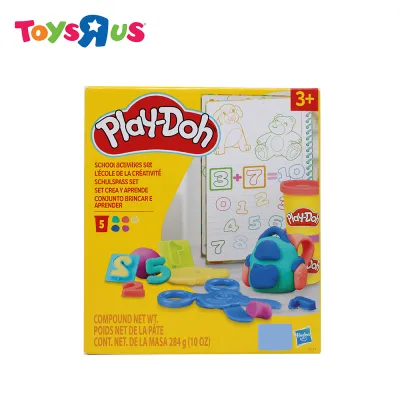
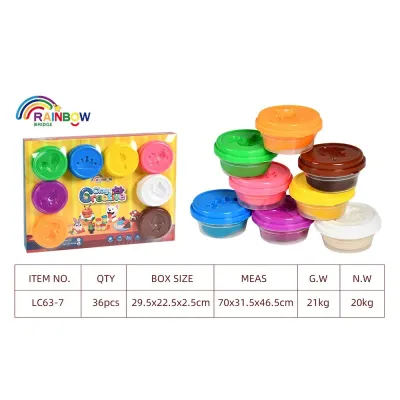
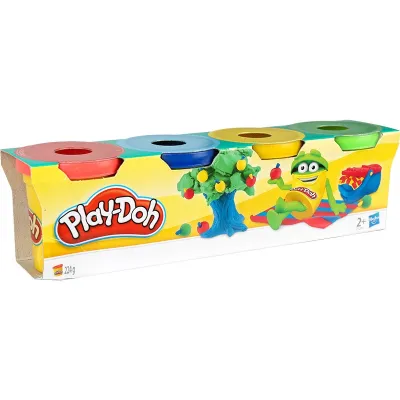
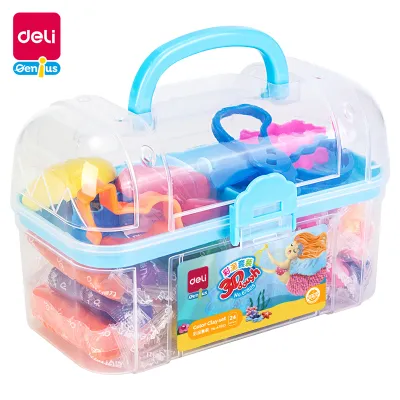
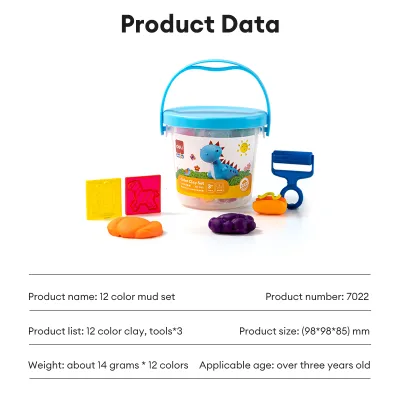
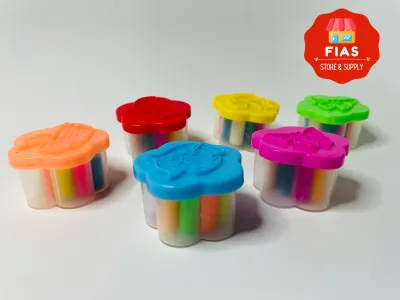
Prices are valid at publication and may change. Please refer to the product page for the latest price.
- Toddlers (1–3 Years): Sensory Safety and Basic Motor Skills
- Primary Focus: Absolute safety, taste-safe or highly certified non-toxic formulas, and sensory exploration.
- Tool Profile: Large, chunky, easy-to-grip accessories with no small parts.
- Dough Characteristics: Ultra-soft, highly pliable, and water-based compounds that do not require significant hand strength to manipulate.
- Preschoolers (3–5 Years): Creative Mechanics and Role-Play
- Primary Focus: Developing bilateral coordination, finger isolation, and imaginative storytelling.
- Tool Profile: Manual extruders, basic rolling cutters, themed molds, and multi-piece stamping kits.
- Dough Characteristics: Standard commercial modeling compounds that hold their shape well for structured creations.
- School-Age Children (5+ Years): Complex Themes and Fine Details
- Primary Focus: Fine motor precision, multi-step planning, collaborative play, and STEM concepts.
- Tool Profile: Detailed sculpting tools, intricate molds, thematic storytelling accessories, and structural support components.
- Dough Characteristics: Firmer compounds, air-dry clays, or specialty doughs that allow for detailed, long-lasting modeling.
Why Age Matters: Safety Limits and Developmental Milestones
Using age recommendations on toy packaging is not merely a marketing tactic; it is a critical safety and developmental benchmark. In the early years of childhood, physical safety and cognitive growth are deeply intertwined with how children interact with physical materials.

Choking hazards present the most immediate risk for younger children. Toddlers naturally explore their world through mouthing, meaning any toy or accessory must be large enough to prevent accidental swallowing. Standard safety regulations dictate that toys for children under three years old must not contain parts small enough to fit inside a standard choking test cylinder (approximately 3.17 centimeters or 1.25 inches in diameter). Playdough sets designed for older children frequently include small decorative beads, plastic eyes, or miniature cutters that pose severe choking risks if left within reach of a toddler.
Beyond safety, manipulating a playdough set serves as an exceptional tool for physical therapy and motor skill development. Squeezing, rolling, flattening, and pinching dough builds the intrinsic muscles of the hand and fingers. This muscle development is directly linked to the mastery of fine motor milestones, such as transitioning from a primitive palmar grasp to the mature tripod grasp required for writing with pencils and using safety scissors in school.
Cognitively, playing with modeling compounds introduces children to foundational physical concepts. As children mix different colors of dough, they observe color theory in real time. Pressing dough into molds teaches spatial awareness and the concept of three-dimensional volume, while operating levers on extruders demonstrates basic cause-and-effect relationships and mechanical leverage.
What to Look for in Toddler Playdough Sets (1–3 Years)
For the youngest creators, playdough sessions are primarily about tactile exploration. At this stage, the compound itself is the main attraction, and any accompanying tools should serve to simplify, rather than complicate, the sensory experience.
Safety First: Piece Size and Non-Toxic Formulas
When choosing a playdough set for a toddler, verify that the compound is labeled as non-toxic and check for recognized safety standards, such as ASTM D-4236 or EN71 certifications. Because toddlers frequently transfer their hands from the dough directly to their mouths, ingredient transparency is paramount. Many commercial doughs are made from water, salt, and flour, but parents of children with specific food sensitivities must carefully check labels for wheat or gluten allergens.
All tools included in a toddler-focused set must be solid, durable, and free of small, detachable components. Avoid sets that feature thin plastic molds that can crack under pressure, creating sharp edges, or those that include small decorative add-ons like plastic gems or loose stamps. The ideal toddler tool is a single, molded piece of high-quality, BPA-free plastic that can withstand dropping, throwing, and washing.
Developmental Focus: Sensory Exploration and Basic Motor Skills
Toddlers do not have the hand strength or coordination to operate complex machinery like presses or detailed plunger tools. Instead, look for sets that feature ultra-soft dough formulas. These compounds are easier for tiny hands to squish, pat, and pull apart, preventing the frustration that can occur with firmer, stiffer clays.
Keep the tool selection simple and oversized. Excellent options include thick, handle-free rolling pins that toddlers can push with their palms, wide-handled stampers that encourage a full-hand grip, and blunt, wide-bladed plastic spatulas or knives. The goal at this developmental stage is to encourage simple, repetitive actions: squeezing the dough between fingers, patting it flat onto a surface, rolling it into thick logs, and poking holes in it. These basic movements build hand strength and bilateral coordination as the child learns to stabilize the dough with one hand while manipulating a tool with the other.
Ideal Playdough Features for Preschoolers (3–5 Years)
As children enter the preschool years, their imaginative capacities expand dramatically, and their fine motor control becomes significantly more refined. They transition from simple sensory play to purposeful creation, aiming to replicate real-world objects and scenarios.
Building Complexity: Tools, Molds, and Extruders
Preschool-aged children thrive when introduced to playdough sets that feature mechanical elements. Look for sets that include manual extruders, often designed as pasta makers, soft-serve ice cream dispensers, or simple lever-presses. Operating these tools requires the child to coordinate both hands—one to hold the machine steady and the other to press the lever—which strengthens bilateral integration and motor planning.
In addition to extruders, look for sets containing a variety of cookie cutters, textured rolling pins (such as those that leave tire tracks or brick patterns), and two-part molds that squeeze together to create three-dimensional figures. These accessories challenge children to apply varying levels of physical pressure and teach them how to align shapes and patterns precisely.
Developmental Focus: Imaginative Play and Hand Strength
At this stage, playdough becomes a medium for dramatic and symbolic play. Preschoolers love to create recognizable items, such as pretend food, animals, or vehicles. Choosing themed sets—such as a play kitchen, a pet vet clinic, or a construction site—allows children to engage in cooperative role-playing, practice expressive language, and tell stories as they build.
Physically, the repetitive actions of rolling out dough, pressing down on cookie cutters, and squeezing levers on extruders provide excellent hand resistance training. This resistance directly prepares the small muscles of the hand for academic tasks. The finger isolation developed by pinching small bits of dough to make “eyes” or “buttons” translates directly to the finger control needed for holding a pencil, buttoning shirts, and cutting paper with precision.
Advanced Playdough Kits for School-Age Children (5+ Years)
By the time children reach school age, they possess the dexterity and patience required for highly detailed, multi-step projects. They are no longer satisfied with simple shapes; they want to build complex, structured creations that require planning and precision.
Themed and STEM-Inspired Sets
For children aged five and older, look for advanced kits that challenge their cognitive abilities. Themed sets that mimic professional tasks—such as a dental kit where they can mold teeth, place braces, and drill cavities, or a dinosaur excavation kit where they bury and dig up plastic fossils—are highly engaging. These sets encourage structured, goal-oriented play and can keep older children focused for extended periods.
You can also explore STEM-inspired modeling kits. Some advanced sets incorporate basic electrical engineering principles by pairing conductive modeling dough with simple LED lights, battery packs, and insulated wires, allowing children to build glowing sculptures. Other kits focus on architectural design, providing structural skeletons, wire meshes, or geometric molds that teach children how to build stable, multi-story three-dimensional structures using dough as a binding or decorative element.
Developmental Focus: Fine Detail Work and Storytelling
School-age children transition from basic molding to genuine sculpting. They benefit from sets that include fine-tipped plastic carving tools, loop tools for scraping away excess dough, and detailed texturing stamps. Working with these tools refines their pincer grasp and hand-eye coordination to an advanced level, teaching them to plan their projects in multiple stages (e.g., building a structural base first, then adding larger shapes, and finishing with intricate surface details).
Additionally, playing with playdough sets in a school-age context often becomes a highly social, collaborative activity. When children work together on a large project, such as building a miniature town or a prehistoric landscape, they must negotiate roles, share tools, communicate their design ideas, and solve spatial problems collectively. This collaborative play fosters essential social-emotional skills, such as empathy, compromise, and collective problem-solving.
The Ultimate Pre-Purchase Checklist for Playdough Sets
Before purchasing any playdough set, run through this practical checklist to ensure the product is safe, durable, and suited to your home environment.
- Allergen Verification:
- Check the ingredient list carefully if your child has known food allergies. Many popular commercial playdoughs are wheat-based.
- If your child has a wheat or gluten sensitivity, look for certified gluten-free modeling compounds, which are often made from rice flour, soy, or silicone-based materials.
- Climate and Storage Adaptability:
- In the hot, humid climate of the Philippines, water-based playdoughs are susceptible to two issues: drying out rapidly when exposed to air conditioning or fan drafts, and developing mold if stored damp in non-airtight containers.
- Ensure the set includes high-quality, airtight plastic tubs with secure lids. Avoid sets that package dough in thin, non-resealable plastic bags, as you will need to purchase separate storage containers immediately.
- Surface Safety and Dye Staining:
- Verify whether the compound is labeled as non-staining. High-pigment doughs, especially dark blues, reds, and greens, can leave residues on porous surfaces like unsealed wooden tables, clothing, or carpets.
- Tip: Always check the manufacturer's care instructions for both the playdough and your furniture. To protect your home, consider pairing any playdough set with a dedicated, easy-to-clean silicone play mat or a plastic tray to contain the mess.
- Clean-up and Washability:
- Look for compounds that dry to a crumbly texture rather than a sticky, gooey residue. Crumbly dough is significantly easier to vacuum off floors or sweep up once dry.
- Check if the dough is water-soluble, which ensures it will wash out of clothing, hair, and play mats with standard soap and warm water.
Frequently Asked Questions (FAQ)
Is homemade playdough safer than store-bought sets?
Homemade playdough is an excellent option for parents who want absolute control over ingredients, especially if a child has severe wheat or gluten allergies. By using food-grade ingredients like flour, salt, cream of tartar, and vegetable dyes, you can create a completely taste-safe compound. However, homemade dough lacks the commercial stabilizers and preservatives found in store-bought sets. In humid environments, homemade playdough spoils, liquefies, or develops mold much faster than commercial options. To extend its shelf life, homemade dough must be stored in airtight containers in the refrigerator and inspected for off-odors or mold before every play session.
How do I revive dried-out playdough?
If your water-based playdough has become slightly dry or crusty but is not yet rock-hard, you can easily restore its texture. Add a few drops of water directly to the dough and knead it thoroughly on a non-porous surface. Alternatively, wrap the dry ball of dough in a damp paper towel, place it back inside its airtight container, seal the lid, and let it sit overnight. The dough will absorb the moisture from the towel, returning to its pliable state by morning. If the dough has turned completely hard, is crumbling into dust, has developed a foul odor, or shows black or white spots of mold, it is beyond saving and must be discarded immediately for safety.
What should I do if my child eats the playdough?
First, remain calm. Most reputable, commercial playdough sets are manufactured to be non-toxic, recognizing that young children frequently explore materials with their mouths. However, commercial playdough contains very high concentrations of salt, which acts as a preservative and deters children from eating large quantities due to its unpleasant taste. If your child swallows a small, pea-sized amount, offer them a glass of water to rinse their mouth and dilute the salt. Monitor them for signs of mild stomach upset or excessive thirst. If they have ingested a large quantity of playdough, or if they show symptoms like vomiting, lethargy, or severe abdominal pain, contact your pediatrician or a local medical professional immediately.
Community discussion
Share your experience or ask a question. Comments are reviewed before publication.