
Choosing the right red cloth for your sewing project depends entirely on the garment’s structure, the wearing environment, and the fabric’s physical properties. Red is a bold, high-impact color, but different fibers and weaves handle red dyes, light, and movement in distinct ways. A stiff, vibrant red polyester taffeta that creates majestic butterfly sleeves for a traditional Terno will feel unbearably hot and stiff if sewn into a casual daytime blouse. Conversely, a soft, breathable red cotton voile will fail to support the architectural lines of formal Philippine wear. By matching the weight, fiber content, and weave of your red fabric to the specific demands of your pattern, you ensure a successful sew that looks stunning and lasts.
Understanding Red Fabric Types and Their Characteristics
To select the ideal red cloth, you must first understand how fiber content influences color depth and fabric performance. Natural fibers such as cotton, silk, and linen are highly breathable and comfortable in warm climates, but they absorb red dye differently than synthetics. Cotton fibers hold rich, matte red tones beautifully, though they are prone to gradual fading over multiple washes. Silk offers a luminous, reflective red surface due to its triangular fiber structure, which scatters light at various angles. On the other hand, synthetic fibers like polyester and nylon are highly colorfast because the red pigment is integrated directly into the polymer melt before extrusion. This means synthetic red fabrics rarely fade, though they lack the natural breathability of cotton or linen.
The weave of the fabric determines its structural behavior and drape, independent of the fiber used. For instance, a satin weave features long filament floats that create a smooth, lustrous surface with a fluid, liquid-like drape, making it ideal for elegant gowns. A plain weave, such as that found in canvas or muslin, provides a stable, crisscross structure with minimal stretch and high durability, suitable for utilitarian items or structured garments. Chiffon uses highly twisted yarns in a loose plain weave, resulting in a sheer, lightweight, and bouncy fabric.
Products mentioned in this guide
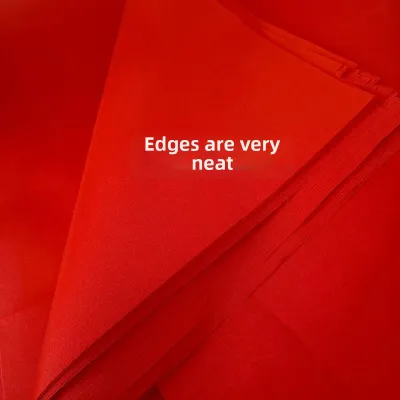
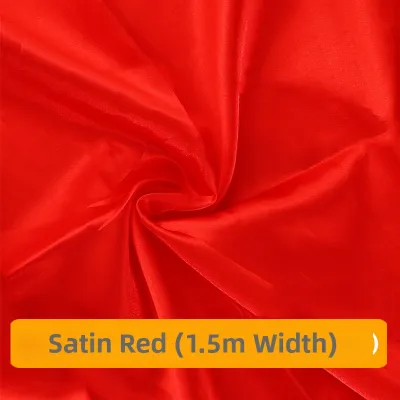
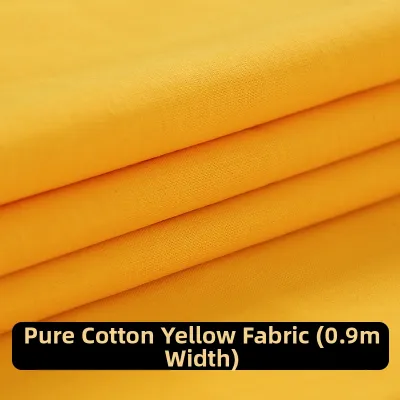
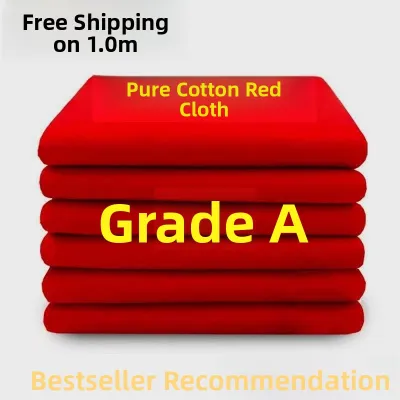
Prices are valid at publication and may change. Please refer to the product page for the latest price.
Before purchasing fabric, establish a quick reference framework based on weight. Lightweight red fabrics (under 130 gsm), such as voile, chiffon, and organza, are perfect for linings, sheer overlays, and delicate summer wear. Medium-weight fabrics (130 to 250 gsm), including quilting cotton and poplin, offer the ultimate versatility for casual apparel, shirts, and light home decor. Heavyweight fabrics (over 250 gsm), like denim and canvas, provide the structural integrity required for bags and home furnishings.
Selecting Red Cloth for Formal Filipiniana and Traditional Wear
Formal Philippine attire demands fabrics that respect traditional silhouettes while providing the structural support or fluid movement required for elegant gatherings. Red is a deeply symbolic and popular color choice for modern Filipiniana, celebratory gowns, and cultural dance costumes. Achieving the perfect look relies on separating the structured elements of the outfit from the flowing, draped components.

Structured Fabrics for Baro and Terno
The iconic butterfly sleeves of the Terno and the crisp, clean lines of a structured Baro require fabrics with inherent stiffness and excellent recovery. Polyester organza, silk gazar, and stiff taffeta are the premier choices for these architectural details. A vibrant red organza offers a beautiful, semi-translucent sheen that catches the light while holding its shape without sagging. Raw silk and dupioni provide a rich, slubbed texture that adds depth to the red hue, giving the garment an organic yet luxurious appearance.
When working with these materials, always check the stiffness by holding a sample fabric upright; if it collapses immediately under its own weight, it will not support a dramatic sleeve. To support heavy embroidery, beadwork, or intricate hand-painted designs common in Filipiniana, you must reinforce these fabrics. Plan to use medium-to-heavy sew-in interfacing, horsehair braid along the sleeve hems, or structural underlining like cotton batiste or lightweight canvas to distribute the weight of the embellishments evenly and prevent the red fabric from puckering.
Draping Fabrics for Flowing Silhouettes
For the flowing skirts of a Maria Clara gown, elegant sashes, or modern draped Filipiniana overlays, you need fabrics that move gracefully with the body. Red chiffon, georgette, and lightweight satin are excellent for creating fluid, romantic lines. A deep crimson georgette provides a slightly textured, matte finish that drapes beautifully without clinging, while a red polyester satin offers a high-shine, luxurious surface that catches every movement on the dance floor.
Handling these slippery materials requires patience and specific techniques. Before cutting your pattern, check the fabric’s bias drape by hanging it diagonally; this reveals how the fabric will stretch and fall over curves. To prevent shifting during cutting, lay the red fabric over a layer of tissue paper and pin them together, cutting through both layers simultaneously. Use fine, sharp pins or pattern weights, and consider applying a temporary fabric stabilizer spray to make the edges easier to sew without stretching out of shape.
Choosing Red Fabric for Casual Garments and Everyday Wear
For everyday wear in the tropical climate of the Philippines, comfort, breathability, and ease of maintenance are paramount. Red casual garments make a bold statement, but they must withstand high humidity and frequent laundering without losing their shape or causing discomfort.
Breathable Options for Tropical Weather
To beat the heat while wearing vibrant red, prioritize natural fibers that allow air circulation and absorb moisture. Red cotton poplin, cotton lawn, and linen-cotton blends are exceptional choices for daily wear. Cotton lawn is incredibly fine and smooth, offering a cool-to-the-touch feel that is perfect for summer blouses. Linen blends provide the classic, textured look of linen with the added wrinkle resistance and softness of cotton, making them ideal for casual trousers, shorts, and sundresses.
When purchasing these fabrics, verify their breathability by holding the cloth up to your mouth and gently breathing through it; if you feel significant resistance, the weave may be too tight for hot days. Additionally, check the opacity of lightweight red fabrics like voile or lawn. While red is a dark pigment, thin weaves can still be semi-sheer under direct sunlight. If the fabric is translucent, plan to line the garment with a lightweight, breathable cotton voile rather than synthetic polyester lining, which traps heat.
Stretch and Comfort for Active Wear
For relaxed silhouettes, loungewear, and active wear, stretch fabrics provide unmatched comfort and freedom of movement. Red cotton jersey knits, ribbed knits, and nylon-spandex blends are the standard choices for these projects. A high-quality red cotton-spandex jersey offers excellent breathability for casual tees, while a heavier ribbed knit provides a cozy, textured finish for casual dresses.
Before starting your project, check the fabric’s stretch percentage and recovery. Cut a 10-centimeter sample of the fabric, stretch it gently along a ruler, and note how far it extends before resisting. A good activewear fabric should stretch to at least 14 centimeters (40% stretch) and snap back immediately to its original 10-centimeter length when released. If the fabric fails to recover and remains stretched out, the finished garment will quickly sag at the elbows, knees, or hem. Always use a ballpoint or stretch needle on your sewing machine to prevent skipped stitches and protect the knit fibers from tearing.
Picking the Right Red Cloth for Crafts, Accessories, and Home Decor
Non-apparel sewing projects require red fabrics that prioritize durability, resistance to fraying, and structural stability. Whether you are crafting a sturdy tote bag or sewing festive holiday table runners, selecting the correct material ensures your hard work survives daily use.
Heavyweight Fabrics for Bags and Upholstery
Items that endure constant friction, heavy loads, or outdoor exposure require rugged materials. Red cotton canvas, heavy denim, and upholstery-weight polyester duck are ideal for sewing backpacks, tote bags, cushion covers, and seat casings. These dense fabrics offer high abrasion resistance and hold vibrant red dyes exceptionally well, providing a bold pop of color to any space or accessory.
Before sewing, verify that your home sewing machine can handle the thickness of these heavyweight fabrics. Test the machine’s presser foot clearance by folding a scrap piece of the red canvas into four layers; if it fits easily under the foot, your machine can handle the seams. Always swap your standard needle for a heavy-duty jeans/denim needle (size 90/14 or 100/16) and use a heavy-duty polyester thread. If your machine struggles or skips stitches over thick seam intersections, turn the handwheel manually to guide the needle safely through the dense layers without breaking.
Lightweight Options for Appliqué and Quilting
For detailed craft work, holiday ornaments, quilting, and appliqué, you need stable, cooperative fabrics that do not warp or fray excessively during handling. Red quilting cotton and high-quality wool or polyester craft felt are the gold standards for these applications. Quilting cotton has a tight, stable plain weave that makes it incredibly easy to cut precise shapes, press sharp creases, and sew neat seams. Craft felt is a non-woven material, meaning its edges will never fray, making it perfect for quick appliqué designs, coaster backings, and festive decorations.
When selecting quilting cotton, look for a high thread count to ensure the red dye does not bleed into adjacent white or light-colored fabrics in your design. A tight weave also prevents the raw edges from unraveling when you are sewing intricate appliqué shapes. Test the fabric’s crease retention by folding a corner and pressing it firmly with your fingers; a high-quality cotton will hold a sharp, visible crease, making hand-turned appliqué or patchwork alignment significantly easier.
Practical Tips for Buying and Preparing Red Fabric
Working with red fabric presents unique challenges, primarily regarding dye migration and shrinkage. Taking the time to properly test and prepare your red cloth before cutting into your pattern will save you from ruined garments and stained laundry.
Testing for Colorfastness and Shrinkage
Red dyes are notorious for bleeding because the large dye molecules do not always bond completely with the textile fibers. To protect your project, always perform a simple colorfastness test on a small fabric swatch before sewing. Submerge a 5-centimeter square of the red fabric in a bowl of warm water mixed with a drop of mild detergent. Let it soak for 30 minutes, then press the wet swatch firmly between two white paper towels or scraps of white cotton fabric. If any red dye transfers to the white surface, the fabric is not colorfast, and you must wash it separately or treat it before combining it with other colors.
Pre-washing is also essential to control fabric shrinkage, especially for natural fibers like cotton and linen, which can shrink by up to 10% on their first wash. Wash and dry your red fabric using the exact settings you plan to use for the finished garment. For 100% cotton or linen, wash in warm water and tumble dry or line dry in the shade to prevent sun-fading. For delicate silks or structured synthetics, follow the manufacturer’s care instructions, which may recommend gentle hand-washing or dry cleaning to preserve the fabric’s original texture and finish.
Cross-Scenario Versatility and Sourcing
If you want to maximize your fabric budget, look for versatile materials that bridge the gap between different project types. A medium-weight red cotton twill or linen-cotton blend is highly versatile; it is sturdy enough for structured casual skirts and light tote bags, yet breathable enough for tropical daytime wear.
When sourcing your red cloth, always verify the yardage and inspect the fabric grain before purchasing. Ensure the warp and weft threads run perfectly perpendicular to one another; a distorted grain will cause your finished garments to twist uncomfortably on the body. You can find high-quality red fabrics by visiting local textile hubs like Divisoria or Kamuning, or by searching reputable online marketplaces. Always read customer reviews, check the seller’s fiber content specifications, and request a fabric sample if you are matching a very specific shade of red for a formal event.
Frequently Asked Questions (FAQ)
How do I prevent red fabric from bleeding during washing?
To stop red dye from bleeding, always wash your red garments in cold water on a gentle cycle, as hot water opens up textile fibers and releases trapped dye molecules. Use a mild, pH-neutral detergent and avoid harsh color-safe bleaches. To protect multi-colored garments, toss a commercial color catcher sheet into the washing machine to absorb any loose dye suspended in the water. Never leave wet red laundry sitting in a heap inside the washing machine, as the damp fabrics will transfer color to adjacent items through direct contact.
What type of needle and thread should I use for different red fabrics?
Always match your needle type and thread material to the weight and weave of your red fabric. For lightweight and slippery fabrics like chiffon or satin, use a fine Microtex or sharp needle (size 60/8 to 70/10) paired with a fine polyester thread to prevent snagging. For casual cottons, linens, and medium-weight fabrics, a universal needle (size 80/12) and standard all-purpose polyester thread work beautifully. For stretch knits, always use a ballpoint or stretch needle (size 75/11 to 80/12) to avoid skipped stitches, and opt for a flexible polyester thread that can stretch along with the seams.

Community discussion
Share your experience or ask a question. Comments are reviewed before publication.