
Finding the perfect red cloth for your next sewing project requires balancing visual impact with physical performance. Whether you are crafting a structured Filipiniana dress for a formal event, sewing a breathable casual top for the warm Philippine climate, or assembling a durable tote bag, the term “red cloth” covers a vast array of fibers, weaves, and weights. The best red cloth is not defined by its shade alone, but by how its weight, drape, fiber content, and colorfastness align with your specific project goals. By matching these material properties to your pattern requirements, you can ensure your finished piece looks stunning and holds up to wear and washing.
Key Fabric Specifications to Check Before Buying
Before purchasing red cloth from a local textile shop or an online marketplace, you must evaluate several physical and structural specifications. Fabric weight and drape dictate how the material behaves when cut and sewn. A stiff, heavy fabric will hold its own shape, making it ideal for structured garments, whereas a lightweight, fluid fabric will flow and ripple, which is perfect for gathered skirts or soft blouses. Always check the bolt label or online product description for the fabric weight, typically measured in grams per square meter (GSM) or ounces per yard, to ensure it matches your pattern’s recommendations.
Additionally, pay close attention to the fabric width and expected shrinkage rates. Standard garment fabrics usually come in widths of 45 inches or 60 inches. Choosing the wrong width can leave you short on material, especially when laying out wide pattern pieces. Because natural fibers like cotton, linen, and rayon can shrink significantly during their first wash, verifying the expected shrinkage rate allows you to calculate and purchase the correct yardage. Purchasing an extra 10% to 15% of your calculated yardage is a safe way to account for both shrinkage and pattern layout adjustments.
Products mentioned in this guide

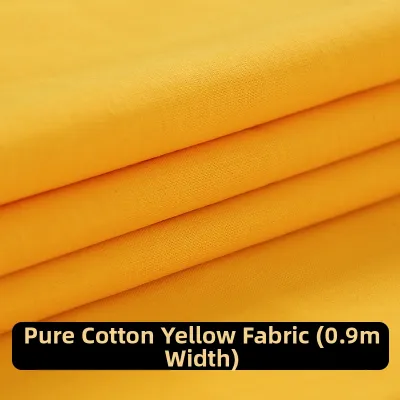
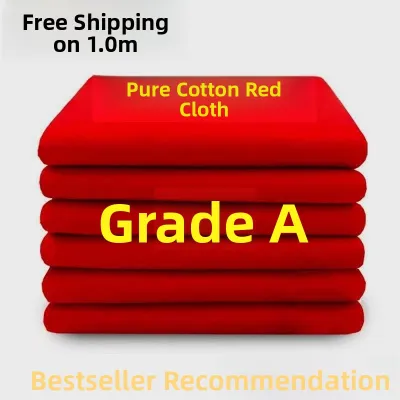
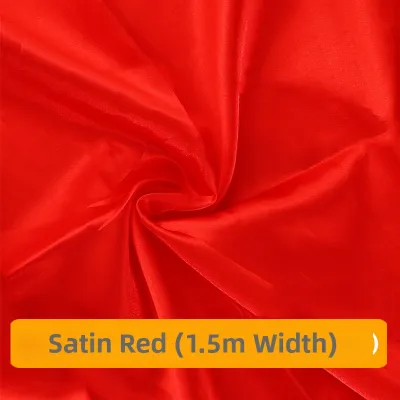
Prices are valid at publication and may change. Please refer to the product page for the latest price.
Colorfastness is another critical factor, particularly for red cloth. Red dyes are chemically prone to bleeding because the large dye molecules do not always bond perfectly with the fabric fibers. Check the manufacturer’s care labels or product specifications for colorfastness ratings or warnings about color transfer. If you plan to combine red cloth with lighter fabrics in a single project, verifying this specification beforehand prevents the red dye from ruining your entire creation during the first wash.
Finally, consider climate suitability, especially if you are sewing apparel to be worn in the humid and warm Philippine climate. Synthetic fibers like polyester can trap heat and perspiration, leading to discomfort. Prioritize fabrics with high breathability and moisture-wicking properties, such as natural cotton, linen, or high-quality semi-synthetics like rayon and tencel. These materials allow air to circulate, keeping the wearer cool even on the most humid days.
Red Fabric Choices for Formal Filipiniana Wear
Formal Philippine attire demands fabrics that strike a balance between heritage, elegance, and structural performance. Depending on whether you are constructing a traditional Maria Clara, a modern Terno, or a sleek draped gown, your choice of red cloth will fall into one of two distinct categories: highly structured or elegantly flowing.

Structured Fabrics for Butterfly Sleeves and Bodices
The iconic butterfly sleeves of the Filipiniana Terno require exceptional structural integrity to maintain their upright, arched shape without collapsing. For these sculptural elements, stiff and crisp fabrics are essential. Organza, taffeta, and silk organza are premier choices for red formal wear. Red organza offers a beautiful, semi-transparent shimmer that catches the light elegantly, while taffeta provides a smooth, crisp texture with a characteristic rustle.
When shopping for these structured options, physically test the fabric’s stiffness by holding a corner upright; it should support its own weight without instantly folding over. Check the transparency and ensure the weave is dense enough to hold tight gathers and pleats at the shoulder seam without buckling or tearing. Keep in mind that highly structured fabrics are prone to severe edge-fraying. You must verify if your sewing machine can handle specialized seam finishes, such as French seams or bias binding, to secure the raw edges of these delicate yet stiff materials.
Flowing Fabrics for Skirts and Draped Gowns
While the bodice and sleeves of formal wear require rigidity, the skirts and draped overlays demand fluid movement and a graceful hang. Red satin, chiffon, and crepe are outstanding options for creating elegant, light-reflective formal wear. Red satin provides a luxurious, high-shine finish that drapes beautifully over curves, while chiffon offers an ethereal, sheer quality that floats with the slightest breeze. Crepe, with its slightly pebbled texture, provides a matte finish and a heavy, elegant drape that resists wrinkling.
Before committing to a flowing red cloth, carefully check the lining requirements. Lightweight chiffon and satin can be quite sheer under bright lights, meaning you will likely need to source a matching red lining fabric to ensure opacity and comfort. Slippery fabrics also present unique handling challenges. When preparing to cut and pin these materials, use fine, sharp pins or pattern weights on a non-slip surface to prevent the fabric from shifting out of alignment. Ensuring precise pattern alignment is crucial for maintaining the correct grainline and drape of the finished gown.
Ideal Red Cloth for Casual and Everyday Garments
For everyday wear, comfort, ease of maintenance, and durability are the top priorities. When sewing casual red garments like sundresses, t-shirts, or casual trousers, you must choose fabrics that can withstand regular washing and keep you comfortable throughout the day.
Breathable Wovens for Tropical Comfort
Woven fabrics made from natural or semi-synthetic fibers are the gold standard for everyday comfort in tropical climates. Cotton, linen, and rayon are excellent choices for casual red garments. Cotton is highly durable, easy to sew, and soft against the skin. Linen offers unmatched breathability and a classic, textured aesthetic, though it is prone to wrinkling. Rayon, made from regenerated cellulose, provides a silky-smooth feel and a fluid drape that mimics silk at a fraction of the cost.
When evaluating these woven options, check the weave density by holding the fabric up to the light. A tight yet lightweight weave offers the perfect balance of opacity and breathability, ensuring your casual red dress or shirt does not require a hot, multi-layered lining. Consider how the fabric responds to humidity; linen will soften and wrinkle naturally, which is part of its casual appeal, while high-quality cotton blends may offer better wrinkle resistance for a polished look. Always verify the fabric’s opacity to determine if a slip or lining is necessary for your comfort.
Stretch Knits for Movement and Ease
If your project involves activewear, loungewear, or fitted t-shirts, red stretch knits provide the flexibility and ease of movement you need. Cotton jersey and rib knits are highly popular for their softness, breathability, and durability. Cotton jersey is lightweight and smooth, making it ideal for classic tees, while rib knits offer a textured, highly elastic structure that hugs the body comfortably.
When selecting a red knit fabric, always check the stretch percentage and recovery. Stretch the fabric across a ruler to determine if it is a two-way stretch (stretching only from side to side) or a four-way stretch (stretching both horizontally and vertically). Good recovery is essential; when you release the stretched fabric, it should snap back to its original width without leaving distorted, wavy edges. To sew these fabrics successfully, verify that you have ballpoint or stretch needles for your sewing machine, as standard universal needles can pierce and cut the knit loops, leading to skipped stitches and popped seams. Use a stretch stitch, such as a narrow zigzag or a serger stitch, to allow the seams to expand with the fabric.
Durable Red Fabrics for Crafts and Accessories
Non-apparel sewing projects, such as home decor, bags, and quilts, require red fabrics that prioritize durability, stability, and ease of handling over soft drape or breathability.
Heavyweight Cloths for Bags and Upholstery
For projects that must endure daily wear and tear—such as tote bags, outdoor cushions, or heavy-duty kitchen aprons—heavyweight red cloths like canvas, denim, and heavy twill are the ideal choices. Red canvas offers a rugged, stiff structure that holds its shape well, while heavy red denim provides a classic, durable look that ages beautifully. These fabrics are woven tightly to resist abrasion and support significant weight.
Before purchasing these thick materials, verify your sewing machine’s compatibility. Sewing through multiple layers of heavy canvas or denim requires a robust machine, a heavy-duty needle (such as a size 90/14 or 100/16 jeans needle), and ideally a walking foot to feed the thick layers evenly. You must also test the strength of your seams on a scrap piece. Because heavyweight fabrics can unravel quickly under stress, plan to use strong, heavy-duty thread and secure your raw edges with a clean zigzag stitch, flat-felled seams, or bias binding.
Stable Wovens for Quilting and Appliqué
Craft projects that involve intricate piecing, sharp corners, and minimal fraying—such as quilts, Christmas stockings, or fabric appliqué—benefit from stable, medium-weight wovens. High-quality quilting cotton and craft felt are the standard recommendations. Quilting cotton is a 100% cotton plain-weave fabric that is easy to cut, press, and sew, making it incredibly forgiving for beginners and precise for advanced crafters. Craft felt, whether wool or synthetic, is non-woven, meaning its edges will not fray at all, making it perfect for quick appliqué projects.
When selecting red quilting cotton, check the thread count and the print quality. A higher thread count results in a smoother surface, less fraying, and a more vibrant print. Because red is a highly saturated pigment, it is critical to pre-wash red quilting cotton separately before cutting. This step is vital to prevent the red dye from bleeding into adjacent white or light-colored blocks in your quilt design, ensuring your hard work remains crisp and clean.
Essential Preparation and Sewing Tips for Red Cloth
Working with red cloth requires a few specialized preparation steps to protect your sewing machine, your project, and your peace of mind. By taking these low-risk precautions, you can avoid common pitfalls like dye transfer, puckered seams, and fabric damage.
- Pre-washing and color testing: Before cutting your fabric, perform a simple bleed test. Snip a small scrap of your red cloth and place it in a bowl of warm water along with a clean white paper towel or a scrap of white cotton fabric. Let it sit for 15 to 30 minutes, then squeeze out the water. If the paper towel or white fabric shows any red staining, your fabric is prone to bleeding. In this case, pre-wash the red cloth separately in cold water until the rinse water runs clear.
- Tool selection: Always match your sewing machine needle and thread to the specific weight and weave of your red cloth. Use a fine universal needle (size 70/10) and lightweight thread for delicate chiffon, a standard universal needle (size 80/12) for medium-weight cottons, and a heavy-duty needle (size 90/14 or 100/16) for canvas or denim. Using the wrong needle can leave visible holes, snag threads, or cause skipped stitches.
- Seam finishing: Loosely woven red fabrics, such as linen or some crepes, are highly susceptible to fraying during wear and washing. Secure all raw edges using a zigzag stitch, a clean overlock (serger) stitch, or by enclosing the raw edges in French seams. This ensures the structural integrity of your garment or craft item over time.
- Care label compliance: Always prioritize and follow the manufacturer's care instructions for washing, drying, and ironing temperatures. If the fabric label is unavailable, test a small scrap with your iron first to find the correct heat setting, preventing the synthetic fibers from melting or the natural fibers from scorching.
Frequently Asked Questions (FAQ)
How do I stop red fabric from bleeding color?
To manage dye transfer, always pre-wash your red fabric separately or with color-catcher sheets before you begin cutting and sewing. For subsequent washes, use cold water and a mild, dye-free detergent, and wash the red garment with similar dark colors. Always check the manufacturer’s care label for specific instructions. Avoid unverified home remedies, such as soaking the fabric in vinegar or salt water, unless explicitly approved by the textile manufacturer, as these household methods can sometimes damage certain fiber structures or finishes without actually setting the dye.
Can I use the same red cloth for both a casual dress and a craft project?
Yes, certain versatile fabrics can easily cross over between apparel and craft projects. Medium-weight woven cottons, such as high-quality quilting cotton or lightweight canvas, are excellent for both casual summer dresses and structured crafts like tote bags, aprons, or throw pillows. However, highly specialized fabrics should remain restricted to their intended uses. A structured red taffeta designed for a Filipiniana bodice will be too stiff and uncomfortable for a casual dress, while a delicate red chiffon or slippery satin will lack the durability and stability required for most craft and home decor projects.
Community discussion
Share your experience or ask a question. Comments are reviewed before publication.