
To create a stunning, long-lasting ribbon flower bouquet, selecting the right material is the most critical decision you will make. The best ribbon materials for crafting ribbon flowers are satin, organza, and grosgrain. Each fabric offers unique physical properties that dictate how easily it folds, how well it holds its shape under different environmental conditions, and the ultimate visual style of the finished floral arrangement.
Satin ribbon is the undisputed favorite for realistic, lustrous roses due to its smooth texture and light-reflective surface. Organza ribbon excels at creating light, sheer, and voluminous fantasy blooms, making it highly forgiving for beginners. Grosgrain ribbon, with its distinct ribbed texture and matte finish, provides unmatched structural integrity for crisp, geometric petals and heavy-duty decorative bows. Choosing between these materials requires balancing your crafting experience with the specific aesthetic you want to achieve.
Quick Guide: Matching Ribbon Materials to Flower Styles
Selecting the perfect ribbon material depends entirely on the design of your bouquet and your comfort level with fabric manipulation. Because different fabrics behave uniquely when folded, heated, or glued, matching the material to your project goals saves time and prevents wasted supplies.
Products mentioned in this guide
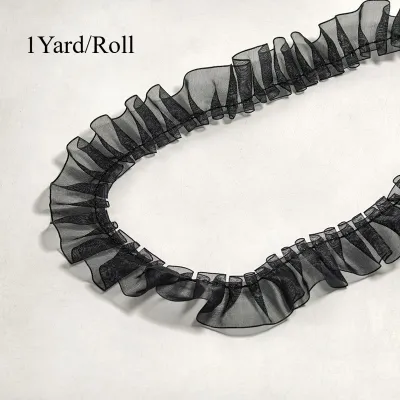
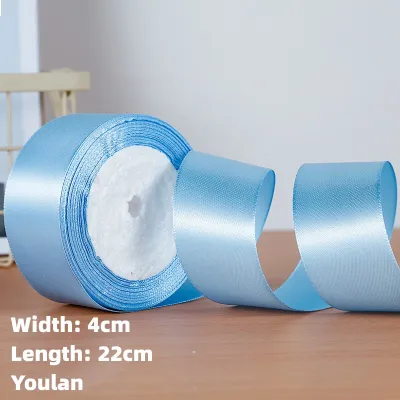
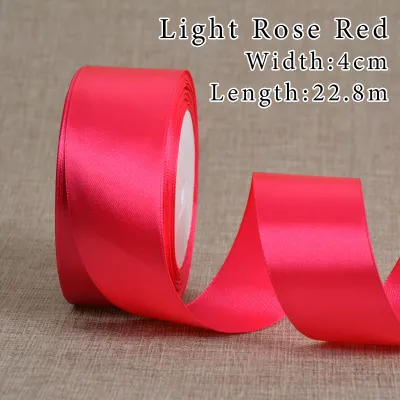
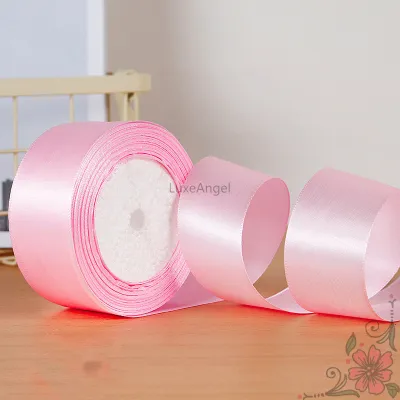
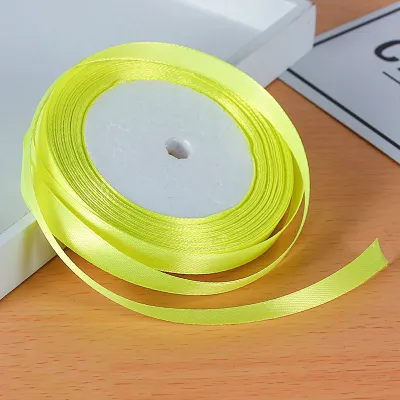
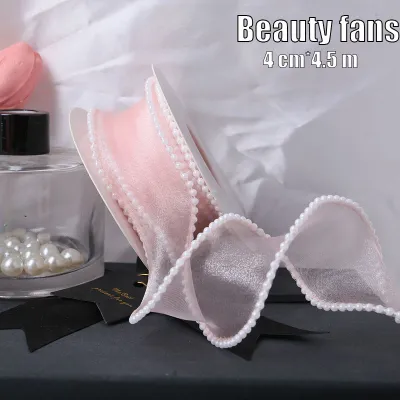
Prices are valid at publication and may change. Please refer to the product page for the latest price.
- Satin Ribbon: Best for classic rolled roses, tulips, and traditional bridal bouquets. It offers a luxurious, high-shine finish but is slippery to handle and frays easily, making it best suited for intermediate to advanced crafters.
- Organza Ribbon: Best for airy filler flowers, layered carnations, and whimsical fantasy blooms. Its lightweight, semi-translucent nature holds structural creases easily, making it highly beginner-friendly.
- Grosgrain Ribbon: Best for structured sunflowers, daisies, and the main wrapping bows on bouquet handles. The ribbed texture provides an excellent grip and resists fraying, making it the easiest material for absolute beginners to control.
By understanding these core trade-offs, you can confidently purchase your materials and plan your crafting steps to ensure a beautiful, retail-quality outcome.
Comparing Top Ribbon Materials for Different Flower Styles
To achieve professional results, you must match the physical characteristics of the ribbon to the specific anatomy of the flower you are trying to replicate. Here is a detailed breakdown of how the most common ribbon materials perform during the crafting process.

Satin Ribbon for Elegant and Realistic Blooms
Satin ribbon is characterized by its glossy surface, fluid drape, and silky texture. When folded into petals, satin catches the light beautifully, mimicking the natural sheen of real flower petals. This makes it the premier choice for crafting traditional roses, ranunculus, and peonies where a soft, organic look is desired.
When purchasing satin, you must choose between single-faced and double-faced varieties. Single-faced satin is shiny on one side and matte on the reverse, which is generally more budget-friendly, typically costing around ₱50 to ₱120 for a standard 50-yard roll in local craft markets. However, if your flower design involves folding techniques where the underside of the ribbon becomes visible, double-faced satin is highly recommended. The double-sided sheen ensures that no matte backings disrupt the visual flow of your petals.
Handling satin requires patience. Because of its smooth, slippery finish, keeping folds tight while applying adhesive can be challenging. It also has a high tendency to fray immediately after cutting, meaning every raw edge must be heat-sealed promptly to preserve the structural integrity of the bloom.
Organza Ribbon for Sheer and Layered Petals
Organza is a lightweight, plain-weave sheer fabric made from synthetic polyester fibers. It features a crisp drape and a subtle, sparkling translucency that allows light to pass through the petals. This sheer quality makes organza perfect for creating delicate, multi-layered flowers like hydrangeas, carnations, and whimsical fantasy blossoms.
For beginners, organza is an exceptionally forgiving material. Unlike satin, organza is not slippery; its woven texture holds creases and pleats firmly when pinched. This structural stiffness allows you to build volume quickly with fewer layers, resulting in a lightweight bouquet that will not sag under its own weight.
Because organza is made of thin synthetic fibers, it is highly sensitive to heat. While this makes edge-sealing incredibly fast, it also means you must exercise caution when using hot glue guns, as excessive heat can easily melt or warp the delicate fabric.
Grosgrain Ribbon for Structured Flowers and Bows
Grosgrain ribbon is easily identified by its heavy, ribbed appearance, created by thick crosswise fibers. This unique weave gives grosgrain a matte finish and a stiff, robust structure that excels at holding sharp, geometric folds. It is the ideal material for flowers that require distinct, pointed petals, such as sunflowers, daisies, and dahlias.
From a handling perspective, grosgrain is the easiest ribbon to work with. The ribbed surface creates natural friction, preventing the fabric from slipping out of your fingers as you fold. It resists fraying much better than satin, and its thick weave easily hides minor glue mistakes or wire attachments.
Beyond the flowers themselves, grosgrain is the standard choice for constructing the large, structural bows used to secure the bouquet handle. Its stiffness ensures that bow loops remain upright and full, resisting the flattening that often occurs during transport or handling.
Velvet, Burlap, and Specialty Ribbons for Texture
For specialized bouquet themes, incorporating specialty ribbons can add striking visual contrast and tactile depth. Velvet ribbon offers a rich, dense pile that is perfect for luxury, vintage, or winter-themed bouquets. However, working with velvet requires precise glue management; the thick pile can easily absorb liquid adhesives, leading to unsightly dark spots or flattened patches if too much pressure is applied.
Burlap and jute ribbons are excellent for rustic, farmhouse, or native-style bouquets, which are highly popular for outdoor Filipino weddings and local celebrations. These natural fiber ribbons are thick, coarse, and highly structured, but they do not fold as easily as synthetic options. Crafting with burlap typically requires using stronger, high-temperature adhesives and relying on wire supports rather than delicate folding techniques.
When using these heavier specialty materials, always combine them with a sturdy base. The added weight of velvet or burlap can cause flimsy wire stems to bend, so reinforcing your bouquet structure with thicker floral wire is essential.
Choosing the Right Ribbon Width and Edge Finish
Before purchasing your ribbon rolls, you must determine the physical specifications required for your specific flower patterns. Selecting the wrong width or edge finish can make folding difficult and distort the final proportions of your bouquet.
Width Selection
The width of the ribbon directly dictates the height and overall diameter of your finished flower. Using ribbon that is too narrow for a large flower style results in excessive folding steps and a bulky center, while using ribbon that is too wide for small flowers makes tight rolling impossible.
- 0.5-inch to 1-inch (12mm to 25mm): Best for small accent buds, lavender stalks, baby's breath replacements, and delicate filler greenery.
- 1.5-inch (38mm): The universal standard and absolute "sweet spot" for classic ribbon roses, carnations, and medium-sized tulips. Most online tutorials and patterns are calibrated for this specific width.
- 2-inch to 3-inch (50mm to 75mm): Best for large, dramatic statement flowers, wide-petaled peonies, and the main decorative wrapping of the bouquet handle.
Edge Finishes
Ribbons are manufactured with either wired or non-wired edges, and each serves a distinct structural purpose:
- Wired Edge: Features a very thin, flexible wire woven into the outer seams. This allows you to bend, ruffle, and sculpt petals into permanent, dynamic shapes. Wired ribbon is excellent for large accent bows and sculpted outer petals, but the wire can add unwanted bulk if used for tight, rolled flower centers.
- Cut or Non-Wired Edge: Soft and flexible, relying entirely on folding techniques and adhesive to hold its shape. This finish is superior for creating smooth, tightly rolled roses and flat, clean pleats.
Purchasing Tips
When sourcing your materials, always buy your ribbon in continuous rolls rather than pre-cut strips. Buying in bulk rolls ensures dye-lot consistency, preventing subtle color variations between flowers in the same bouquet. For a standard bridal-sized bouquet of approximately 20 to 25 medium satin roses, plan to purchase at least 50 to 60 yards of 1.5-inch ribbon. Always add a 20% buffer to your calculations to account for practice pieces, mistakes, and stem wrapping.
Essential Tools and Adhesives for Ribbon Crafting
Having the right tools on hand makes the assembly process seamless and prevents damage to your delicate ribbon materials.
Adhesives
- Hot Glue Guns: The primary bonding tool for ribbon crafting due to its instant setting time. For delicate synthetic ribbons like organza and light satin, use a low-temperature glue gun (operating around 120°C) to prevent the fabric from melting or warping. For thick grosgrain, velvet, or burlap, a high-temperature glue gun (around 190°C) is necessary to ensure a permanent, secure bond.
- Liquid Fabric Glue: A cold-adhesive alternative that is excellent for delicate finishes where hot glue bulk would show through. It takes longer to dry but provides a flexible, invisible bond.
Cutting and Sealing
- Sharp Fabric Shears: Dull kitchen scissors will immediately snag and ruin satin and organza fibers. Dedicate a pair of high-quality, sharp fabric shears exclusively for cutting ribbon.
- Lighter or Thread Burner: Essential for heat-sealing the raw edges of synthetic ribbons (polyester satin, organza, and grosgrain). Gently passing the cut edge near the blue base of a flame melts the synthetic fibers slightly, fusing them together to prevent fraying. Always perform heat-sealing in a well-ventilated room, keep a bowl of water nearby for safety, and avoid touching the molten edge to prevent severe burns.
Structural Supports
- Floral Wire: Typically 20-gauge to 24-gauge paper-covered or cloth-covered wire. This serves as the stem for each individual ribbon flower, providing the rigidity needed to assemble the bouquet.
- Floral Tape: A self-sealing, wax-coated paper tape used to wrap wire stems together, creating a clean, uniform green finish.
- Wire Cutters: Essential for cutting floral wire without ruining your fabric shears.
Crafting Tips for Working with Different Ribbon Textures
Achieving a professional, retail-quality finish relies on mastering a few simple material-handling techniques during the assembly process.
Preventing Fraying
Never skip the heat-sealing step. For satin and organza, seal the edges of your ribbon segments immediately after cutting them to size. If you are making multi-petal flowers, you can seal the edges of individual petals as you shape them. Keep the flame moving constantly; holding it in one spot for too long will scorch or blacken light-colored ribbons.
Shaping Techniques
Match your folding technique to the stiffness of your fabric. For stiff materials like organza and grosgrain, use crisp, sharp pleats and pinches to create defined petal shapes. For fluid materials like satin, use soft rolls, gentle twists, and drapes to mimic the organic, curved lines of natural flower petals.
Hiding Mechanics
To ensure your bouquet looks professional from every angle, you must conceal all wires, glue spots, and raw edges. Once your ribbon flower is securely glued to its wire stem, wrap the base of the flower (the calyx) tightly with green floral tape, stretching the tape slightly as you wrap downward to activate its adhesive. Finish by wrapping the main handle of the completed bouquet in wide satin or grosgrain ribbon, securing the final edge with a neat, hidden line of hot glue.
Glue Management
Excessive hot glue is the most common cause of ruined ribbon flowers. Apply glue in tiny, precise dots or very thin lines using a precision-nozzle glue gun. Press the ribbon pieces together firmly but gently; pressing too hard can force hot glue to squeeze out of the seams, leaving unsightly glossy residue on the visible parts of your petals.
Caring for and Displaying Your Ribbon Bouquet
Unlike fresh flowers, a ribbon bouquet can last for years if properly maintained. Protecting your creation from dust, moisture, and sunlight will preserve its vibrant colors and structural shape.
Cleaning
Over time, fabric ribbons will naturally attract dust. To clean your bouquet, avoid using water or liquid cleaners, which can weaken glue bonds and cause water stains on satin. Instead, use a soft, clean makeup brush to gently sweep away dust from the inner folds of the petals. Alternatively, you can use a hairdryer set to its coolest and lowest speed setting to blow away loose debris.
Storage and Environment
In tropical environments with high humidity, such as the Philippines, storing ribbon bouquets in damp, unventilated spaces can soften low-quality hot glue bonds over time. Keep your bouquet in a dry, air-conditioned room if possible, or display it in an open area with good air circulation. Additionally, keep the bouquet out of direct sunlight, as prolonged UV exposure will fade synthetic fabric dyes, turning vibrant pinks and deep reds into dull, muted tones.
Display Tips
To display your ribbon bouquet beautifully while protecting it from physical damage, place it in a heavy glass vase that prevents the top-heavy arrangement from tipping over. For long-term preservation, displaying the bouquet inside a glass shadow box or a clear acrylic display case protects the delicate fabric from dust, humidity, and curious pets while showcasing your craftsmanship.
Frequently Asked Questions (FAQ)
Can I use recycled or leftover fabric strips instead of buying ribbon?
Yes, fabric strips cut from leftover cotton, linen, or silk can be used to make beautiful, rustic flowers. However, unlike manufactured ribbons, fabric strips do not have finished woven edges, meaning they will fray heavily. You must hem the edges, apply fabric fray-check liquid, or cut the fabric on the bias (a 45-degree angle) to minimize unraveling and allow the fabric to curve naturally during folding.
Why does my hot glue leave visible strings on the ribbon flowers?
Hot glue strings occur when the molten glue cools slightly as you pull the nozzle away from the fabric. To prevent this, twist the nozzle of your glue gun in a quick, circular motion as you lift it away to break the glue strand cleanly. If you still end up with stray glue strings on your finished bouquet, pass a craft heat gun or a hair dryer on a high-heat setting quickly over the flowers to instantly melt the micro-fine strings away.
How many yards of ribbon do I need to make a standard bouquet?
For a standard-sized hand-tied bouquet containing approximately 20 medium roses made from 1.5-inch (38mm) ribbon, you will need roughly 50 to 60 yards of ribbon. Each individual rose typically requires about 2.5 to 3 yards of ribbon depending on your folding tightness. Always purchase an extra 10-yard roll to account for stem wrapping, decorative bows, and practice pieces.
Community discussion
Share your experience or ask a question. Comments are reviewed before publication.