
Starting your jewelry-making journey can feel overwhelming with the sheer variety of beads available, but choosing a dedicated rice beads set simplifies the process. Rice beads—characterized by their smooth, elongated, grain-like oval shape—are incredibly versatile for creating everything from dainty daisy-chain bracelets to complex woven necklaces. For beginners, the ideal starter set is one that balances affordability, color variety, and ease of handling, allowing you to practice fundamental techniques without a steep financial commitment.
Quick Answer: What Makes a Great Beginner Rice Beads Set?
An excellent starter rice beads set prioritizes user-friendly sizing, color diversity, and organized storage. For those just beginning, look for a kit containing beads sized between 4mm and 6mm. These dimensions are large enough to handle comfortably without specialized fine-tip needles, yet small enough to maintain the delicate aesthetic characteristic of beadwork.
Additionally, a beginner-friendly set should offer a wide range of colors—ideally housed in a sturdy, multi-compartment plastic organizer box to prevent accidental spills and mixing. While premium glass beads are beautiful, a high-quality acrylic or mixed-material kit provides excellent practice value at a lower price point. It allows you to master tension control, knotting, and basic patterns without worrying about wasting expensive materials. In a tropical climate, look for sets that feature sweat-resistant colors and durable stringing materials, ensuring your early creations survive daily wear.
Products mentioned in this guide
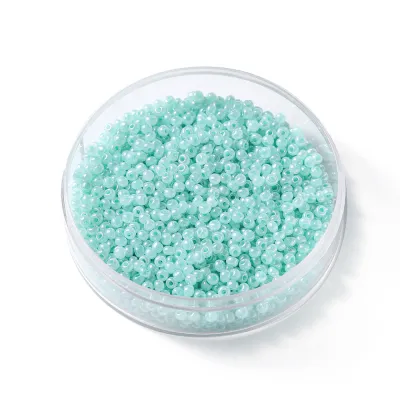
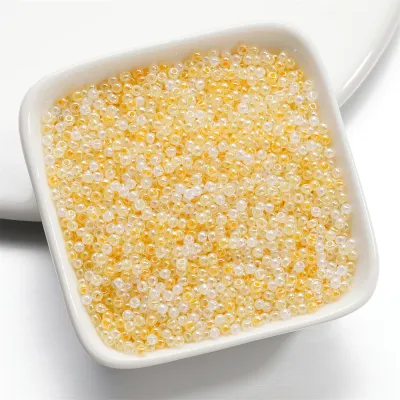
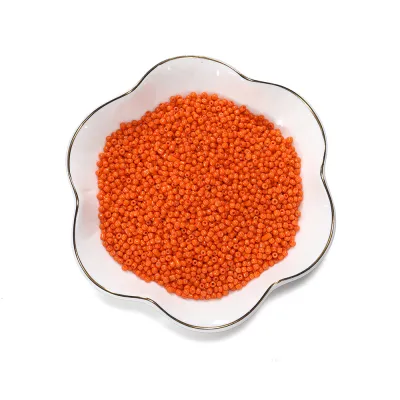

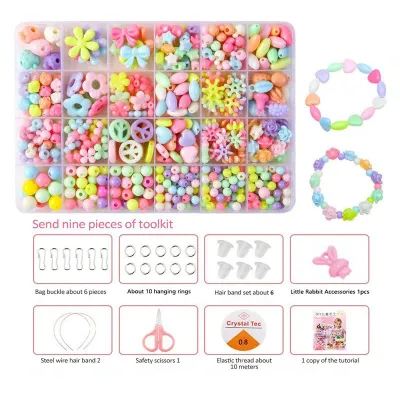
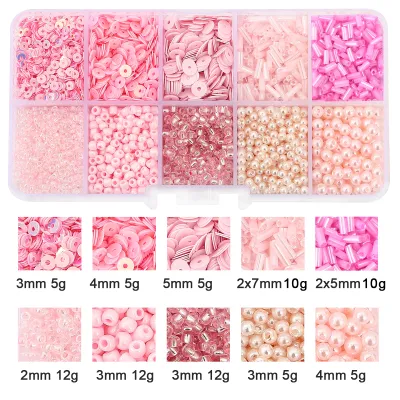
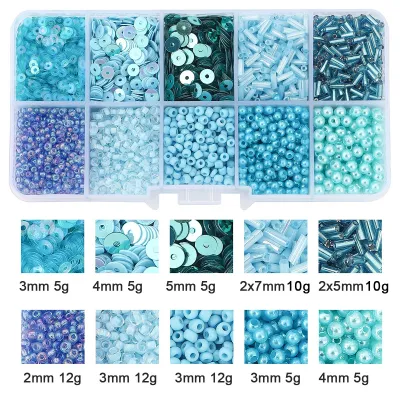
Prices are valid at publication and may change. Please refer to the product page for the latest price.
How to Evaluate Rice Beads Sets for Jewelry Making
When browsing local e-commerce platforms or visiting craft hubs, evaluating a rice beads set requires looking beyond attractive color palettes. Understanding the technical specifications of the beads ensures your crafting experience is satisfying rather than frustrating.

Material Quality: Glass vs. Synthetic Options
The material of your rice beads dictates both the crafting process and the final look of your jewelry. Glass rice beads possess a satisfying weight, excellent light refraction, and a premium feel that mimics high-end boutique jewelry. However, they can chip if dropped on hard tile floors and are heavier to wear in large quantities. On the other hand, acrylic or plastic rice beads are exceptionally lightweight, highly durable, and cost-effective. They are virtually unbreakable, making them the perfect playground for absolute novices to practice complex weaving patterns.
Size and Uniformity
In bead weaving, precision is everything. If you purchase a low-grade, highly irregular set of beads, your patterns will warp, and your bracelets will buckle or drape unevenly. While perfectly calibrated Japanese seed beads are the gold standard, beginners should look for sets that offer reasonable uniformity. Avoid sets where the lengths and widths of the “rice grains” vary wildly within the same color compartment, as this makes learning basic stitches like the peyote or brick stitch unnecessarily difficult.
Color Variety and Finishes
A versatile set should introduce you to different finishes to help you understand design contrast. Look for a kit that blends opaque colors (solid, non-translucent shades), transparent colors (which catch the light beautifully), and metallic or luster finishes. Experimenting with these different textures teaches you how to create depth in your designs. Be cautious of extremely cheap metallic-painted plastic beads, as the shiny coating may peel off quickly when exposed to sweat and humidity.
Hole Size and Threading Compatibility
One of the most common beginner frustrations is buying a beautiful set of beads only to find that your cord or needle cannot pass through the holes. Always verify the inner hole diameter of the rice beads before purchasing. For beginners, a hole diameter of 0.8mm to 1.0mm is ideal. This generous size accommodates standard elastic stretch cords, nylon threads, and flexible beading wires, allowing you to thread them easily without needing ultra-fine, fragile beading needles that bend or break under pressure.
Best Types of Rice Beads Sets for Different Crafting Goals
Not all rice beads sets are created equal; different kits cater to distinct creative paths. Identifying your primary crafting goal—whether it is making elegant gifts, practicing complex stitches, or getting a complete all-in-one package—will guide you to the correct category of starter set.
Assorted Glass Rice Bead Collections
For beginners who want their very first projects to look like professional, store-bought accessories, an assorted glass rice bead collection is the premier choice. These sets leverage the natural brilliance and substantial weight of glass, giving your necklaces, anklets, and drop earrings an elegant drape that plastic cannot replicate.
When selecting a glass set, look for options that feature through-colored glass (where the color is baked into the glass itself) rather than surface-dyed beads. Surface-dyed glass beads can fade over time, especially when exposed to the moisture and high humidity common in tropical climates. Additionally, ensure the glass set is packaged in a secure container with tight-fitting compartment lids. Because glass beads are heavier, they can easily force open flimsy container latches if dropped, resulting in a tedious clean-up process.
Lightweight Acrylic and Plastic Rice Bead Kits
If your goal is to learn complex weaving techniques, create chunky statement jewelry, or craft with younger family members, lightweight acrylic or plastic rice bead kits are highly recommended. These kits offer massive quantities of beads—often thousands of pieces per set—at a highly affordable price point, usually ranging from ₱150 to ₱400 on local online marketplaces.
The lightweight nature of acrylic makes it incredibly comfortable for multi-strand necklaces or wide cuff bracelets that would otherwise feel too heavy if made of glass. Furthermore, because these beads are molded rather than cut, they lack sharp edges around the threading holes, which significantly reduces the risk of the bead cutting through your elastic or nylon thread during tight weaving. They are the ultimate low-risk, high-reward practice medium.
Comprehensive Kits with Tools and Findings
For those who want to start crafting immediately without making multiple separate purchases, a comprehensive kit is the ultimate convenience. These all-in-one boxes bundle a diverse selection of rice beads with essential jewelry findings—such as lobster clasps, jump rings, crimp beads, and earring hooks—alongside basic tools like safety scissors, elastic cord, and sometimes a pair of round-nose pliers.
While these kits offer exceptional initial value, a smart buyer must carefully inspect the quality of the included hardware. The metal findings in budget kits are often made of basic iron or zinc alloys, which can tarnish or rust rapidly in humid environments. If you choose a comprehensive kit, look for ones that specify nickel-free or stainless-steel findings to prevent skin irritation during prolonged body contact. View the included tools as starter items; while they are perfect for learning the basics, you may want to upgrade to professional-grade pliers and cutters as your skills mature.
Essential Tools and Findings to Complete Your Starter Kit
If you opt for a standalone bead set rather than an all-in-one kit, you will need to acquire a few supplementary items to transform those loose beads into wearable jewelry. Selecting the right supporting materials ensures your creations are durable and comfortable.
Stringing Materials
The foundation of any beaded piece is the thread or wire running through it. For simple, clasp-free bracelets that are easy to slip on and off, choose a high-quality elastic stretch cord (typically 0.5mm to 0.7mm in thickness). If you are designing structured necklaces or anklets that require clasps, flexible nylon-coated stainless steel beading wire (often referred to as tiger tail) provides unmatched strength and drape. For intricate bead weaving or embroidery, specialized pre-waxed nylon threads are superior to standard sewing threads, as they resist fraying and do not stretch out of shape over time.
Clasps and Connectors
To secure your necklaces and bracelets, you will need reliable closures. Small lobster clasps paired with jump rings are the standard, versatile choice for most projects. However, for the elongated, organic shape of rice beads, toggle clasps or magnetic clasps can add a beautiful, intentional design element that complements the overall aesthetic. Ensure that any metal connectors you purchase are hypoallergenic and rust-resistant to withstand daily contact with skin and perspiration.
Storage and Organization
Never underestimate the chaotic potential of hundreds of tiny, rolling rice beads. If your chosen set does not come with a secure storage container, purchase a clear plastic tackle box or a series of small, screw-top jars. Keeping your beads meticulously sorted by color and size not only saves time during the design process but also prevents the frustration of having to pick through a mixed pile of beads to find a matching pair.
Setup and Technique Tips for Your First Beading Project
A successful first crafting session relies as much on your workspace setup and physical technique as it does on the quality of your beads. Implementing a few professional habits from day one will save you hours of frustration.
Workspace Setup
Before opening your bead compartments, prepare your work surface. Never craft directly on bare wooden, plastic, or glass tables; the smooth, cylindrical shape of rice beads causes them to roll away at the slightest movement. Instead, lay down a textured bead mat, a piece of soft felt, or even a clean, light-colored cotton hand towel. The fibers of the fabric create natural friction, holding the beads in place and making them significantly easier to scoop up with your needle or thread tip.
Tension Control
When stringing or weaving, maintaining the correct tension is a skill that takes a little practice to master. If you pull your thread too tightly, your jewelry will pucker, stiffen, and warp out of shape. Conversely, if your tension is too loose, unsightly gaps of bare thread will show between the beads, making the piece feel flimsy and prone to snagging. Aim for a firm but relaxed tension; the beads should sit snugly side-by-side while still allowing the piece to drape softly and move naturally with the body.
Starting Simple
It is tempting to jump straight into complex, multi-layered patterns, but starting with foundational projects builds the muscle memory and confidence needed for advanced work. Begin by crafting a simple single-strand stretch bracelet using a repeating color pattern. Once you are comfortable with knotting and hiding the thread ends, progress to a basic daisy-chain necklace or simple drop earrings. These initial projects teach you how to handle the beads, control your thread, and secure your findings without the pressure of a highly complex design.
Frequently Asked Questions (FAQ)
What size rice beads are best for beginners?
For those new to the craft, rice beads measuring between 4mm and 6mm in length are the absolute best choice. This size range strikes the perfect balance: the beads are large enough to hold comfortably between your fingers and thread easily without causing eye strain, yet they remain small enough to create delicate, elegant jewelry designs. Smaller sizes, such as 2mm or 3mm seed beads, require highly precise hand-eye coordination and specialized, ultra-thin needles, which can quickly frustrate a beginner.
Can I use regular sewing thread for rice beads?
It is highly recommended to avoid using standard cotton sewing thread for beadwork. Sewing thread is designed for fabric and lacks the tensile strength, abrasion resistance, and slickness required for jewelry making. The sharp edges of bead holes, especially in glass or lower-quality plastic beads, can easily fray and cut through sewing thread over time, causing your jewelry to break unexpectedly. Instead, invest in specialized nylon or polyester beading threads, which are engineered to resist stretching and withstand the friction of bead edges.
How do I keep small rice beads from rolling off my table?
To keep your workspace organized and prevent beads from scattering, always use a textured surface. A professional flocked bead mat or a bead tray is the ideal solution, as the velvety texture keeps the cylindrical rice beads stationary. If you are crafting on a budget, simple household items work just as well: a piece of craft felt, a silicone baking mat, or a clean, folded microfiber towel will provide excellent friction to keep your beads secure and easily accessible.
Community discussion
Share your experience or ask a question. Comments are reviewed before publication.