
Selecting the right art supplies for an elementary school classroom requires balancing student engagement, educational value, safety, and budget. Among the most popular and captivating activities for young learners is scratch art, a unique medium where students scrape away a matte black upper coating to reveal vibrant colors or metallic foils underneath. This hands-on activity is highly effective for developing fine motor skills, hand-eye coordination, and spatial awareness. However, finding the best scratch art kits for a busy classroom involves looking closely at material durability, tool safety, pack sizes, and cleanup logistics.
To ensure a successful and frustration-free lesson, educators must choose kits that feature non-toxic, heavy-duty cardstock that resists tearing under heavy pressure. Additionally, the scratching tools must be safe for young hands, and the bulk packaging must comfortably accommodate typical class sizes without exceeding school budgets. By understanding the key specifications of different scratch paper types and tools, teachers can select the perfect kits to inspire creativity while keeping the classroom organized and safe.
What to Look for in Classroom Scratch Art Kits
Age-Appropriateness and Safety
Motor skills and hand strength vary significantly across the elementary grade levels, making tool safety a primary concern. Younger students in kindergarten through grade three are still developing their pencil grip and fine motor control. For these early grades, look for kits that include thick, blunt wooden styluses that are easy to grasp and do not pose a puncture risk if a student slips. Avoid any kits that feature sharp plastic or metal-tipped tools, which are unsuitable for crowded classroom environments.
Products mentioned in this guide
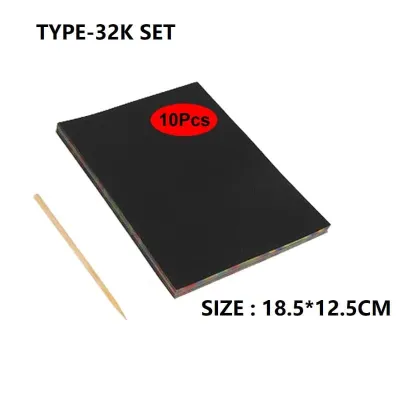
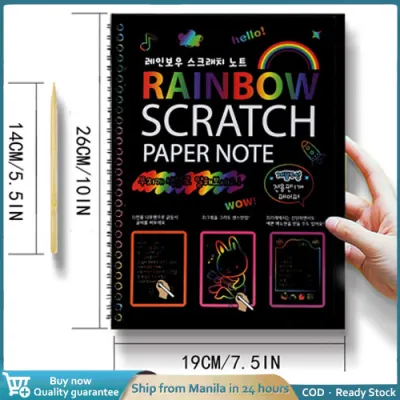
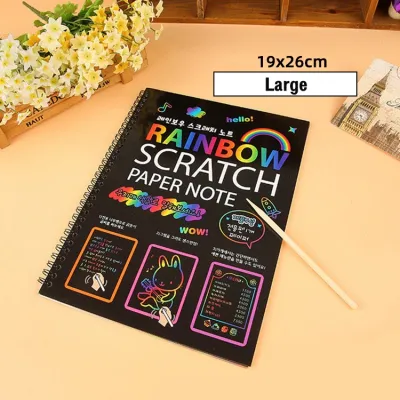
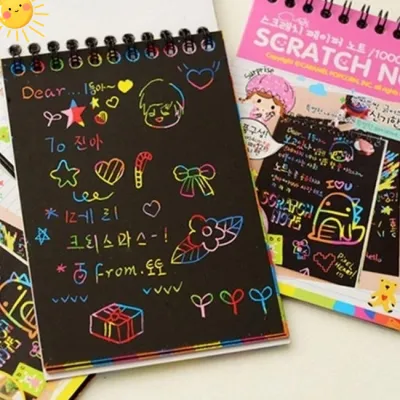
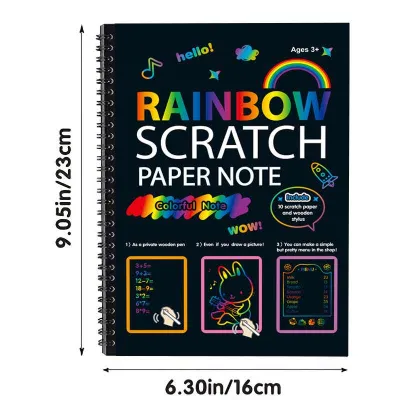
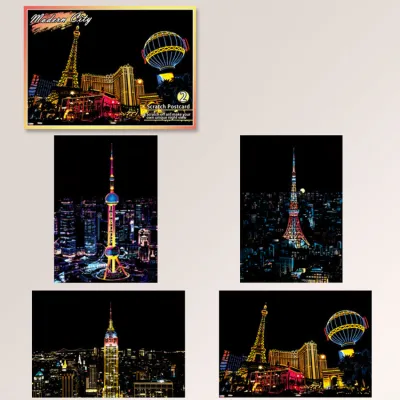
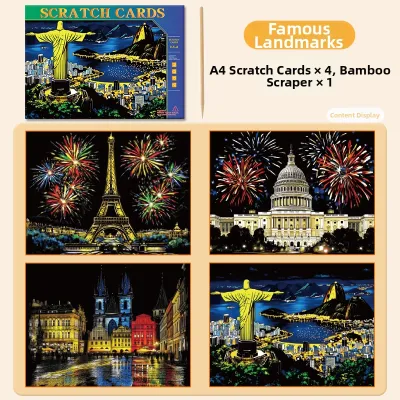
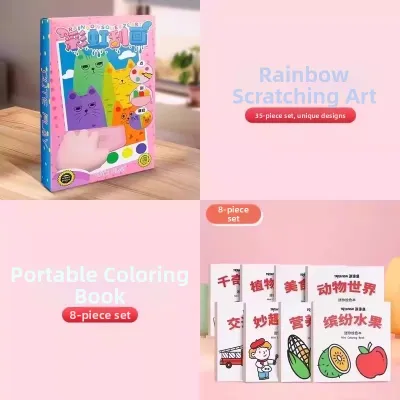
Prices are valid at publication and may change. Please refer to the product page for the latest price.
For older elementary students in grades four through six, slightly more refined stylus tips are acceptable. These older children can handle more intricate designs and benefit from tools that allow them to scratch fine lines and detailed textures. However, even with older groups, safety remains paramount; the scratching tools should always be made of durable, break-resistant materials like solid bamboo or thick, high-grade plastic to prevent splintering or snapping during use.
Paper Durability and Weight
The physical pressure applied by an excited child scraping away a black coating can easily rip thin paper. High-quality scratch art sheets utilize heavy cardstock, typically with a weight of 250 gsm (grams per square meter) or higher. This thickness provides a sturdy, rigid base that remains stable even when a student applies heavy-handed pressure to scrape large sections of the page.
In the tropical climate of the Philippines, high humidity can soften cheap paper fibers, making thin sheets incredibly fragile and prone to tearing. Choosing premium, moisture-resistant cardstock ensures that the paper retains its structural integrity, even in non-air-conditioned classrooms during the warmer months. Before purchasing in bulk, teachers can perform a simple trial by scratching a small corner of a sample sheet; if the paper buckles or the black coating smudges instead of scraping off cleanly, the paper is too thin or poorly manufactured.
Pack Size and Yield
Classroom art projects require careful material calculations to ensure every student has equal access to supplies. A standard elementary class in local schools often ranges from 30 to 45 students, meaning small retail packs of 10 or 12 sheets are highly impractical and expensive. Teachers should target bulk school packs containing 50 to 100 sheets, which provide enough materials for every student to complete at least one main project and have a few sheets left over for practice runs or mistakes.
It is equally important to check the ratio of scratching tools to paper sheets in a bulk pack. Some bulk kits contain 50 sheets of paper but only include five or ten styluses, which forces students to share and causes unnecessary downtime during lessons. Look for classroom-specific packs that provide at least one stylus per sheet, or purchase a separate bulk set of reusable plastic styluses to ensure every child has their own tool from start to finish.
Budget Considerations
Managing a school art department budget requires looking closely at the cost-per-sheet of consumables. In the local market, bulk scratch art packs generally range from ₱250 to ₱900 depending on the brand, sheet size, and included accessories. While a lower price point is naturally attractive, ultra-cheap kits often feature thin paper that tears easily or a black coating that flakes off prematurely, resulting in wasted materials and disappointed students.
To find the most cost-effective solution, calculate the price per sheet by dividing the total pack price by the number of sheets included. Investing a little more in a mid-range bulk pack with thick cardstock and durable wooden styluses often saves money in the long run, as it eliminates the need to replace torn sheets or broken tools. Additionally, choosing standard sizes like A5 or 5×7 inches rather than large A4 sheets can significantly reduce costs while still providing plenty of creative space for elementary students.
Top Scratch Art Kit Categories for Elementary Art Classes
Bulk Assorted Packs for Free-Form Creativity
Bulk assorted packs containing blank black sheets are the backbone of open-ended elementary art lessons. These kits typically offer 50 to 120 blank sheets in versatile sizes like A4 or A5, accompanied by a generous supply of wooden styluses. Because the sheets are entirely blank, they encourage students to explore their own imaginations, practice free-hand drawing, and experiment with different line weights without the restriction of pre-determined outlines.

From a practical standpoint, blank bulk packs are highly cost-effective, often bringing the cost per student down to just a few pesos. They are incredibly versatile, allowing teachers to integrate them into various subjects across the curriculum. For example, students can scratch out geometric shapes for a mathematics lesson, draw historical landmarks for social studies, or illustrate key scenes from a story in English class.
- Pros: Highly cost-effective; encourages unrestricted creative expression; versatile for cross-curricular lessons.
- Cons: Lack of guided lines can intimidate beginners; requires more instructional preparation and teacher guidance to prevent students from simply scraping off the entire black surface without a plan.
Pre-Printed Themed Kits for Guided Lessons
Pre-printed scratch art kits feature faint grey or yellow outlines on the black surface, guiding students to trace specific designs such as animals, marine life, space scenes, or festive patterns. These kits are excellent for structured art classes focusing on line control, patience, and pattern-making, as the visual boundaries help students achieve a satisfying, recognizable result regardless of their natural drawing ability.
These guided kits offer a brilliant way to teach color theory and contrast. As students scratch along the pre-printed lines, they reveal vibrant rainbow gradients or shiny metallic foils underneath, learning how line density affects the overall brightness of the piece. Teachers can instruct students to leave some areas solid black while adding detailed cross-hatching to others, demonstrating how to create light, shadow, and texture.
- Pros: Builds confidence in students who struggle with drawing; excellent for teaching line techniques and contrast; minimal teacher preparation required.
- Cons: Limits pure creative freedom; pre-printed designs may not align with custom lesson plans; complexity must be carefully matched to the students' grade level to avoid frustration.
Jumbo Scratch Boards for Collaborative Group Work
Jumbo scratch boards, typically measuring A3 size or larger, shift the focus from individual desk work to collaborative group projects. These larger formats require sturdier, wider scratching tools—such as flat-edged wooden scrapers or multi-pronged styluses—to clear larger sections of the black coating efficiently. This scale of artwork allows students to work side-by-side on a single, grand canvas.
Working on a giant scratch board encourages teamwork, communication, and shared space management among students. A group of three or four students must plan their design together, deciding who scratches which section and how their individual drawings will connect to form a cohesive mural or classroom showcase piece. This cooperative format is highly effective for fostering social-emotional learning and building a sense of community in the classroom.
- Pros: Fosters teamwork and collaborative design planning; creates impressive, large-scale showcase pieces for school displays.
- Cons: Requires larger, sturdier tools; more challenging to store during multi-day projects; highly susceptible to accidental scratches if not handled carefully by the group.
Scratch Paper Types and Tools: A Teacher's Comparison
Paper Underlayers
The magic of scratch art lies in the surprise reveal of the color layer hidden beneath the black matte coating. The two most common underlayers are multi-color rainbow gradients and metallic foils (such as gold, silver, or holographic patterns). Rainbow underlayers are highly vibrant and universally appealing to younger students, while metallic foils offer a sophisticated, high-contrast look that works beautifully for older students practicing detailed sketching or creating holiday-themed crafts.
When planning a lesson, consider how the underlayer will complement the subject matter. For instance, a lesson on deep-sea marine life or outer space is perfectly suited for rainbow or holographic underlayers, as the glowing colors mimic bioluminescence and distant stars. Conversely, architectural drawings or geometric patterns look exceptionally striking against a solid gold or silver foil underlayer, which emphasizes clean lines and metallic reflections.
Tool Variations
The choice of scratching tool directly impacts safety, durability, and the quality of the student’s experience. Wooden styluses, usually made of bamboo, are the classic, eco-friendly option; they are lightweight and safe, though they can wear down, splinter, or require light sanding over time. Plastic styluses offer a more durable, consistent tip that does not wear down, and they are significantly easier to sanitize between classes, making them a highly practical choice for busy school environments.
To help educators choose the right materials for their specific classroom needs, the table below compares the most common scratch art components based on visual effect, classroom suitability, and maintenance requirements.
| Material/Tool Type | Visual Effect | Best Classroom Use Case | Durability/Maintenance |
|---|---|---|---|
| Rainbow Cardstock | Vibrant, multi-color gradients | General creative drawing, younger grades | High durability; thick cardstock resists tearing |
| Foil/Metallic Paper | High-shine gold, silver, or holographic | Holiday crafts, detailed line art, older grades | Moderate durability; delicate foil layer can scratch easily |
| Wooden Stylus | Soft, matte-like lines | Daily classroom use, eco-friendly lessons | Low-to-moderate; tips wear down and can splinter |
| Plastic Stylus | Sharp, highly defined lines | Detailed tracing, multi-class reuse | High durability; easily washed, sanitized, and reused |
Managing Scratch Art Mess and Workflow in the Classroom
Containing Scratch Dust
The black coating scraped off during scratch art is typically a mixture of non-toxic clay and pigment, which crumbles into a fine, static-clinging dust. To prevent this dust from covering hands, clothes, and classroom floors, teachers should establish a “dust containment” protocol. Placing a sheet of old newspaper, a plastic tray, or a cheap silicone mat under each student’s workspace makes cleanup incredibly simple, as the accumulated dust can be easily folded up and shaken directly into the trash bin.
Instruct students to use a soft, dry paintbrush, a tissue, or a large pom-pom to gently sweep the scratch dust into a pile on their protective sheets. Emphasize that they should never blow the dust off their papers, as this sends the fine particles into the air, where they can settle on clothing or be inhaled. Keeping a damp microfiber cloth handy at each table group allows students to quickly wipe their hands and desks at the end of the period, preventing the black residue from tracking outside the art room.
Tool Management
Styluses, whether wooden or plastic, can easily be misplaced or, in rare cases, used inappropriately by energetic students. Implementing a strict tool management routine is essential for maintaining classroom safety and order. Count and distribute the styluses at the beginning of the period in labeled cups assigned to each table, and collect them in the same cups before anyone is dismissed from the room.
To keep the tools in good working condition, establish a quick cleaning routine. A simple wipe with a damp cloth or a sanitizing wipe after class will remove any clinging black wax residue from the tips of plastic styluses, keeping them clean and ready for the next group of students. For wooden styluses, keep a small piece of fine-grit sandpaper on hand to gently reshape any tips that have become dull or splintered over time.
Preserving Finished Art
Because the black surface remains sensitive to scratching even after the project is complete, finished pieces can easily be ruined by fingernails, heavy books, or moisture from sweaty hands. To preserve the artwork without using smelly chemical spray fixatives—which are unsafe for poorly ventilated classrooms—have students store their finished sheets in flat plastic clear books or individual paper portfolios.
For special display pieces, a simple cold-lamination sheet or a clear plastic sleeve provides a permanent, touch-safe barrier that keeps the colors vibrant and the black background pristine. If laminating is not an option, mounting the finished scratch art onto a slightly larger piece of colored construction paper creates a beautiful border while providing a safe frame for students to hold, keeping their fingers away from the delicate scratched surface.
Frequently Asked Questions (FAQ)
Is scratch art dust safe for young children?
Yes, high-quality scratch art kits designed for school use are made from non-toxic materials, typically consisting of a water-based black ink layered over a thin clay or wax base. While the dust is non-toxic and safe for skin contact, inhaling any fine particulate should always be minimized in a classroom setting. Teachers should instruct students to gently sweep the dust into a pile using a tissue or a dry paintbrush rather than blowing it off their desks, and ensure everyone washes their hands with soap and water once the art session is complete.
Can students use regular pens instead of the included stylus?
Standard writing tools like ballpoint pens, gel pens, or pencils are not suitable for scratch art. The metal tips of ballpoint pens do not have the right shape to scrape away the coating cleanly and will often tear or puncture the underlying paper, while pencil graphite will simply smudge across the black surface without removing it. If you run out of the included styluses, safe and effective classroom alternatives include wooden craft sticks, blunt bamboo toothpicks, or the edge of an old plastic ruler for scraping larger areas.
How do I protect classroom desks from scratch tools?
To prevent students from accidentally carving grooves into wooden or plastic classroom desks, always place a protective barrier beneath the scratch paper. Thick layers of old newspaper, cardboard backing from shipping boxes, or cheap plastic placemats work exceptionally well as desk shields. Additionally, take a moment at the start of the lesson to demonstrate that the scratching tool only needs to glide smoothly across the surface with gentle pressure; there is no need to press down forcefully to reveal the vibrant colors underneath.
Community discussion
Share your experience or ask a question. Comments are reviewed before publication.