
Signing a business contract, land title, or financial agreement in the Philippines is more than a mere formality; it is a legally binding act that demands a clear, permanent record. While many reach for the nearest writing instrument on a desk, selecting a dedicated sign pen for signature purposes requires careful consideration of ink chemistry, nib mechanics, and paper compatibility. In a tropical climate where high relative humidity can soften paper fibers and prolong ink drying times, an incorrect pen choice can lead to feathered lines, smudged signatures, or ink that fades over time. A professional signature demands a tool that offers consistent ink flow, ergonomic control, and tamper-resistant properties to ensure your mark remains legible and secure for decades. This guide provides a comprehensive framework to help you compare pen types, verify archival specifications, and test candidates under real-world conditions.
What Makes a Pen Suitable for Professional Signatures?
A professional signature is a personal stamp of authorization, meaning the pen used must offer both physical comfort and visual authority. Grip comfort and barrel ergonomics are critical, especially for professionals who sign stacks of documents, certificates, or legal briefs daily. A barrel that is too thin can cause hand fatigue and finger cramping, leading to a shaky or inconsistent signature. Conversely, a moderately thick barrel with a textured or rubberized grip section helps distribute finger pressure evenly, allowing for a relaxed hold and smoother, more confident strokes. Weight distribution also plays a vital role; a pen with a balanced center of gravity prevents the tip from wavering, ensuring that every loop and line of your signature is executed with deliberate control.
Nib size is another crucial factor that directly influences the legibility and presence of your signature. For official documents, nib sizes ranging from 0.5mm to 0.7mm are generally considered ideal. A 0.5mm nib provides a fine, precise line that is highly suitable for compact signature spaces on multi-page contracts, preventing the ink from bleeding into adjacent text. A 0.7mm nib, often preferred for executive signatures, produces a bolder, more authoritative stroke that stands out clearly on official correspondence. Choosing a nib outside this range requires caution: tips finer than 0.5mm can feel scratchy and may tear damp or low-grade paper, while tips broader than 0.7mm risk excessive ink pooling, which can obscure the unique details of your handwriting.
Products mentioned in this guide
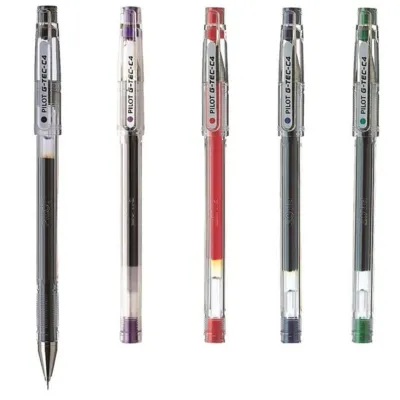
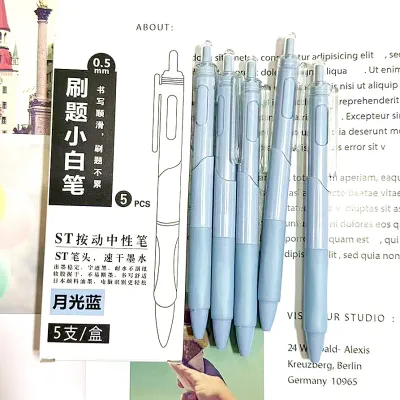
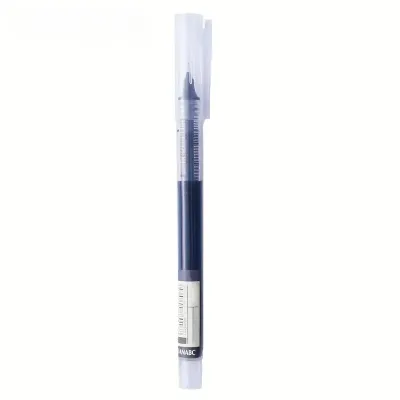
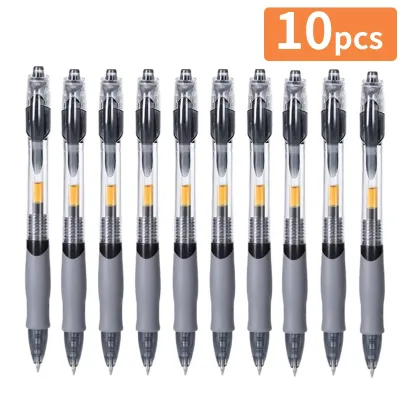
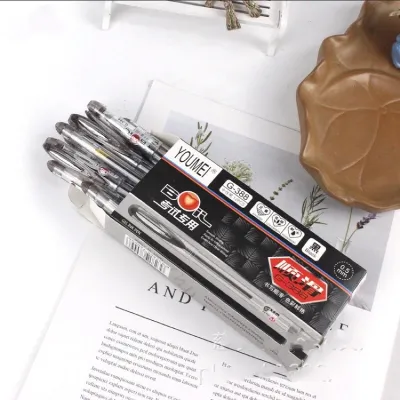
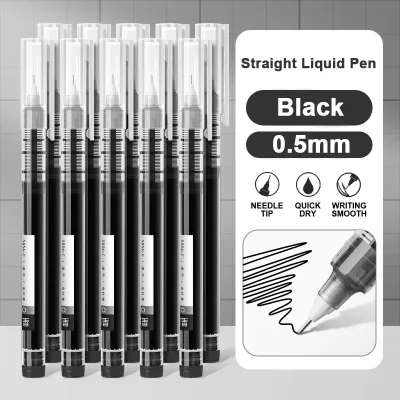
Prices are valid at publication and may change. Please refer to the product page for the latest price.
Drying time is a particularly critical variable in tropical environments. High humidity levels in the Philippines can slow down the evaporation of liquid solvents in ink, leaving signatures vulnerable to smudging long after they are written. When signing on glossy, coated, or heavy-weight contract papers—which are less absorbent than standard copy paper—the ink must dry rapidly to prevent transfer when pages are stacked or folded. A professional sign pen must balance smooth ink delivery with a formulation that binds quickly to paper fibers, ensuring your signature remains pristine from the moment the pen leaves the page.
Comparing Pen Types: Gel, Rollerball, Fineliner, and Fountain
Understanding the distinct characteristics of different pen mechanisms allows you to choose a tool that matches your signing style and the specific paper types you encounter. Gel pens are highly popular for everyday business transactions due to their unique ink formulation. They use a water-based gel that holds suspended pigments, offering high opacity and a smooth, fluid glide across the page. Many gel pens feature quick-drying pigment inks that resist water and fading, making them an excellent, low-maintenance choice for signing standard office documents and contracts.

Rollerball pens utilize a thin, liquid ink that flows effortlessly through a ballpoint mechanism. This design requires minimal writing pressure, resulting in a highly comfortable writing experience that is ideal for individuals with a light touch. However, because rollerball ink is highly fluid, it penetrates deeply into paper fibers. While this creates a rich, dark line, it also introduces a higher risk of bleed-through and feathering on thin, porous, or low-quality paper stocks. If you frequently sign documents printed on standard copy paper, a rollerball pen may require careful testing to ensure the ink does not seep through to the reverse side.
Fineliner pens, which feature a porous plastic or felt tip encased in a metal sleeve, offer a different writing dynamic. These pens provide consistent line widths and firm feedback, giving the writer a high degree of control over their strokes. The structured tip prevents the skipping and rolling issues sometimes associated with ballpoint mechanisms, making fineliners excellent for precise, highly detailed signatures. However, because the tips are made of fiber, they can wear down or bend over time if subjected to heavy writing pressure, which can alter the character of your signature.
Fountain pens represent the pinnacle of traditional authority and personal expression. They feature a metal nib that flexes slightly under pressure, allowing for unique line variation that makes a signature incredibly difficult to forge. Fountain pens can be filled with a wide array of specialized inks, including archival and document-grade formulations designed to withstand water and light. However, they require a dedicated maintenance routine, including regular flushing to prevent ink clogs, and their performance is highly dependent on paper quality. On cheap or highly absorbent paper, fountain pen ink can feather excessively, meaning they are best reserved for high-quality, heavy-weight documents.
Security and Archival Features for Legal Contracts
When signing legal contracts, land deeds, or financial agreements, the permanence of the ink is just as important as the appearance of the signature. Standard writing inks are often dye-based, meaning the colorants are completely dissolved in a liquid medium. While dye-based inks offer vibrant colors and smooth flow, they are highly susceptible to water damage, UV fading, and chemical alteration. If a document signed with dye-based ink is exposed to moisture or direct sunlight, the signature can bleed, fade, or disappear entirely over time.
To ensure long-term document integrity, professionals should look for pigment-based inks. Pigment inks contain microscopic solid particles that sit on top of the paper and bind to the fibers rather than soaking in completely. This physical bond makes pigment-based signatures highly resistant to water, light, and environmental degradation. When shopping for a sign pen, carefully inspect the packaging and manufacturer specifications for terms such as “archival quality,” “acid-free,” “ISO 14145-2 certified” (the international standard for ballpoint and rollerball pens for documentary use), or “fraud-resistant.”
Specialized security inks provide an additional layer of protection against unauthorized tampering and document fraud. These inks are formulated to resist “check washing,” a technique where criminals use solvents to erase handwritten ink from checks or legal documents. Security inks contain pigments that chemically bond with the cellulose fibers of the paper, making them virtually impossible to remove without visibly destroying the paper surface itself. Utilizing a pen with verified security properties ensures that your signature remains a permanent, unalterable record of your agreement.
How to Select and Test Your Ideal Sign Pen
Finding the right sign pen involves a practical evaluation process that goes beyond reading online reviews. When visiting a stationery store or testing a new pen at your desk, always perform a test on the actual paper stock you use most frequently. Begin by assessing the nib feedback and skip resistance. Draw continuous loops, rapid straight lines, and execute your actual signature several times. The pen should glide smoothly without catching on the paper fibers, and the ink flow must remain consistent without skipping, thinning, or leaving blobs of excess ink at the start or end of your strokes.
Next, evaluate the long-term cost of ownership and the availability of refills. A high-quality pen body is an investment, but its utility depends entirely on how easily you can source replacement ink cartridges or refills. Check whether the pen uses standard international refills or proprietary cartridges that are difficult to find in local office supply stores or online marketplaces. Opting for a pen with widely available refills ensures you will not be left with an unusable pen body when a critical signing session arises.
Finally, consider the pen’s design and cap mechanism. For professionals who sign documents intermittently throughout the day, a pen with an airtight cap sealing mechanism is essential to prevent the nib from drying out between uses. Screw-on caps generally provide the most secure seal, while snap-on caps offer quick, one-handed access. If you prefer a retractable design, ensure the internal spring and click mechanism are robust and that the tip retracts fully to prevent accidental ink stains on your shirt pocket or desk organizer.
Maintaining Your Signature Pen for Consistent Performance
Proper maintenance is key to ensuring your chosen sign pen performs reliably every time you need to sign an important document. Storage orientation is the first aspect of daily care. For gel and rollerball pens, storing them horizontally or tip-down helps maintain immediate ink flow and prevents air bubbles from forming in the cartridge. Fountain pens, on the other hand, are best stored horizontally or tip-up when not in use to prevent ink from pooling in the cap and causing leaks.
Regular cleaning is also necessary to remove paper dust and dried ink residue that can accumulate around the nib. For gel and rollerball pens, a gentle wipe of the tip with a lint-free cloth is usually sufficient. For fountain pens, a periodic flush with room-temperature, clean water is recommended, especially when changing ink colors or if the pen has been left unused for several weeks. Avoid using hot water, alcohol, or household solvents, as these can damage the delicate feed and barrel materials.
Recognizing when to replace a pen or refill is crucial for avoiding embarrassing ink blots on legal documents. If you notice persistent skipping, a scratchy feel that was not present before, or a sudden change in ink consistency, it is time to install a fresh refill or replace the pen. Attempting to force a failing pen to write by applying excessive pressure can damage the paper and ruin the clean, professional appearance of your signature.
Frequently Asked Questions (FAQ)
Can I use a standard ballpoint pen for legal contracts?
While standard oil-based ballpoint pens are widely accepted for everyday writing, they are generally not recommended for signing critical legal contracts. Standard ballpoint ink is highly viscous and prone to skipping, which can result in incomplete or faint signature lines that are easier to dispute or forge. Furthermore, standard ballpoint inks are often dye-based and lack the archival longevity, water resistance, and fade resistance of specialized pigment-based sign pens. For legally binding documents, it is advisable to use a dedicated sign pen with archival-grade ink, and always verify any specific institutional or notary requirements before signing.
How do I prevent my signature from smudging on glossy paper?
To prevent smudging on glossy, coated, or heavy-weight paper, select a sign pen that utilizes a quick-drying pigment gel ink specifically formulated for low-absorbency surfaces. When signing, adjust your hand positioning to avoid dragging your palm or fingers across the freshly written ink. Allow the signature to dry completely for several minutes before stacking pages, placing the document in a folder, or touching the signed area. If you must sign glossy documents frequently, keeping a sheet of clean blotting paper on hand to gently press over the signature can help absorb any excess surface ink safely.
Community discussion
Share your experience or ask a question. Comments are reviewed before publication.