
Decorating automated teller machine (ATM) and debit cards has become a popular way to personalize everyday carry items, turning plain plastic into custom pieces of art. However, because bank cards must pass through high-precision motorized readers and point-of-sale (POS) terminals, choosing the wrong decorative material can lead to jammed machines, ruined cards, or failed transactions. The key to safely customizing your card lies in selecting ultra-thin, chemically stable sticker materials that feature low-tack, residue-free adhesives. Understanding how different materials interact with card reader mechanics, plastic surfaces, and tropical environmental conditions ensures your card remains fully functional while looking unique.
Key Criteria for Choosing ATM-Safe Stickers
Thickness and Profile Standard payment cards conform to the ISO/IEC 7810 ID-1 standard, which dictates a precise dimension of 85.60 mm by 53.98 mm and a thickness of exactly 0.76 mm. Motorized ATM slots and insert-style chip readers are engineered with incredibly tight tolerances to prevent foreign objects from entering. Adding even a fraction of a millimeter to the card’s thickness can cause the card to get stuck, trigger transport errors, or lead to the machine retaining the card. For safe operation, a card sticker atm must have an ultra-thin profile, ideally measuring less than 0.08 mm (80 microns). This ensures the decorated card can glide smoothly through both swipe paths and motorized dip slots without resistance.
Adhesive Chemistry The adhesive backing of the sticker is a critical factor in preserving the card’s structural integrity. Safe customization requires a pressure-sensitive, low-tack acrylic adhesive that is explicitly formulated as removable, repositionable, and acid-free. Standard permanent adhesives contain aggressive solvents that can chemically migrate into the card’s PVC (polyvinyl chloride) body, softening the plastic or causing the protective laminate to delaminate over time. In the tropical climate of the Philippines, high ambient temperatures and humidity accelerate the breakdown of low-quality glues. This causes the adhesive to turn into a sticky, viscous residue that oozes from the edges of the sticker, collecting dust inside your wallet and potentially gumming up the delicate optical sensors and rollers inside ATM card slots.
Products mentioned in this guide
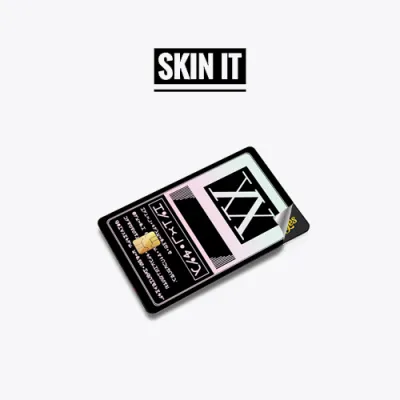
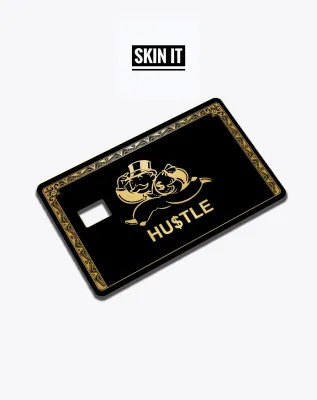
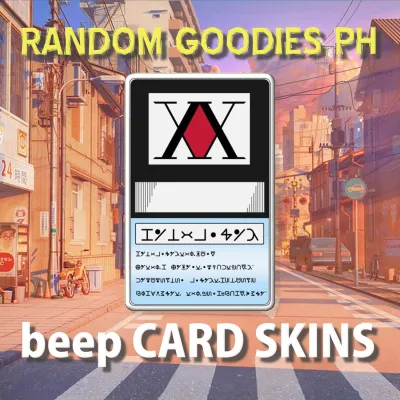
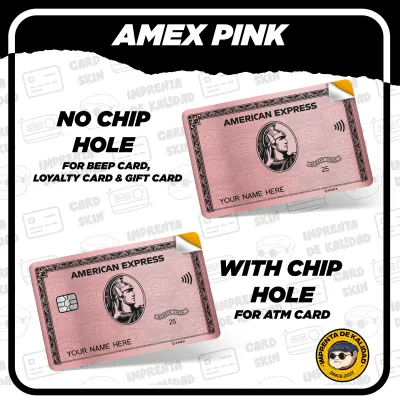
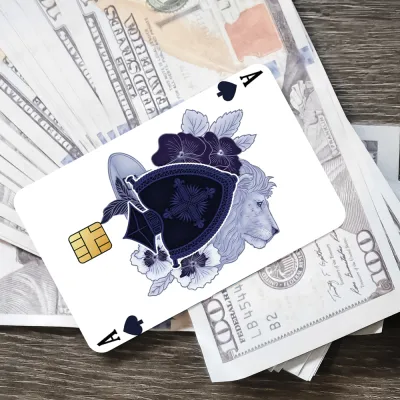
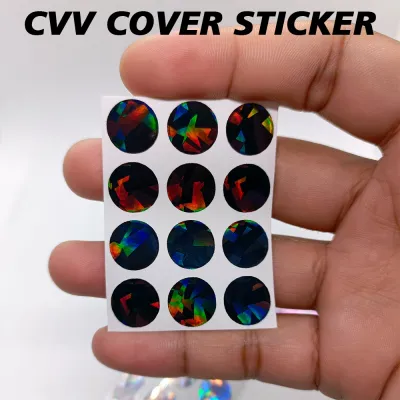
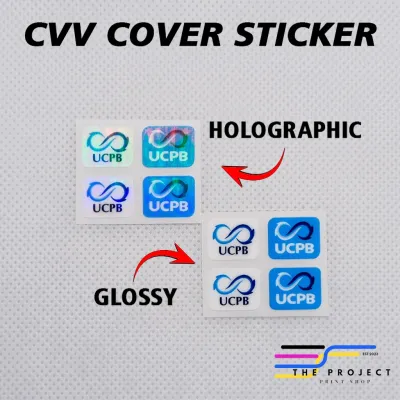
Prices are valid at publication and may change. Please refer to the product page for the latest price.
Functional Clearance A standard bank card is divided into active functional zones and passive decorative zones. The active zones include the EMV smart chip (the gold or silver contact plate on the front), the magnetic stripe on the back, and the signature panel. Under no circumstances should a sticker cover these components. Additionally, the sticker must not extend past or wrap around the outer physical edges of the card. Any overlapping material creates a raised lip that can catch on the internal transport rollers of a card reader, peeling the sticker back and causing a mechanical jam.
Best Sticker Materials for Bank Card Decoration
Washi Paper Stickers
Washi paper is a traditional Japanese paper made from local plant fibers, resulting in a naturally thin, flexible, and lightweight medium. When manufactured as decorative stickers, washi typically measures between 0.05 mm and 0.07 mm in thickness, making it one of the thinnest decorative options available. This exceptionally low profile ensures that even when applied across the entire front face of a card, the overall thickness remains well within the safe operational limits of standard ATM slots.

The primary advantage of washi paper stickers lies in their adhesive backing. They are almost universally paired with mild, water-based acrylic adhesives designed for easy repositioning and clean removal. You can peel a washi sticker off a card after months of use without leaving a trace of sticky residue or tearing the card’s underlying protective laminate.
However, washi paper has distinct environmental limitations. Because it is highly porous and lacks a synthetic barrier, it is susceptible to moisture and oil absorption. In humid environments, frequent handling with sweaty hands or exposure to spilled liquids can cause the paper fibers to soften, fray, or lift at the corners. For users in tropical regions, washi stickers are best suited for cards that are kept in protective, dry wallet slots and handled with care.
PET and Clear Vinyl Stickers
Polyethylene terephthalate (PET) is a high-performance synthetic polyester film known for its exceptional clarity, tensile strength, and resistance to environmental factors. PET stickers are engineered to be incredibly thin—often measuring a mere 0.05 mm—while offering a completely waterproof and tear-resistant surface. This makes them a highly durable alternative to paper-based stickers.
Clear PET stickers are particularly valuable for minimalist or overlay designs. Because the material is crystal clear, you can apply intricate patterns, metallic line art, or text overlays while keeping the card’s original base color, bank branding, and holographic security marks visible. This maintains a professional appearance while adding a touch of personal style.
When sourcing PET stickers, it is essential to verify the adhesive specifications. While the PET film itself is highly stable, some manufacturers pair it with permanent industrial acrylic glues designed for outdoor labeling. Always look for products explicitly labeled as “removable PET” or “low-tack” to ensure the sticker can be peeled away safely in the future without requiring aggressive scraping.
Static Cling and Adhesive-Free Films
Static cling films represent the ultimate safety standard for bank card decoration because they contain absolutely no chemical adhesives. Instead, these films are made from highly flexible, plasticized PVC that adheres to smooth, non-porous surfaces—such as the polished plastic face of an ATM card—solely through static electricity and atmospheric pressure.
Because there is no glue involved, static cling films offer an absolute guarantee of zero residue, zero chemical degradation, and zero risk of edge-ooze. This makes them the ideal choice for individuals who want to change their card’s design frequently, perhaps matching their stationery themes or journaling layouts on a weekly basis, without worrying about cumulative adhesive buildup.
The trade-off for this safety is reduced physical shear resistance. Static cling films rely on a perfect vacuum seal against the card surface. If the card is frequently slid in and out of tight, leather wallet slots, the friction can easily catch the edges of the film, causing it to peel, bubble, or detach entirely. They perform best when used on cards stored in loose compartments or protective plastic sleeves.
Removable Matte Vinyl
Vinyl (polyvinyl chloride) stickers are the industry standard for full-coverage card skins, but they are not all created equal. It is vital to distinguish between permanent outdoor vinyl and removable matte vinyl. Removable vinyl is engineered with a lower-tack, solvent-free acrylic adhesive that provides a secure, flat bond but is designed to release cleanly within a specific timeframe, typically one to two years after application.
Matte vinyl is highly recommended over glossy alternatives for several functional reasons. The matte finish features a micro-textured surface that reduces ambient light glare, making it easier for POS terminal cameras or optical scanners to read any printed barcodes or quick response (QR) codes on your card. Additionally, matte vinyl has a smooth, paper-like tactile feel that resists fingerprint oils and does not feel sticky or tacky, even during hot, humid afternoons.
To ensure compatibility, always perform an observable trial and verification check before applying a new vinyl skin to your primary bank card. Cut a small test strip of the vinyl and apply it to an old, expired card or a plastic loyalty card. Leave it in your wallet for forty-eight hours, slide it through a cardholder slot several times, and then peel it off. This allows you to verify the material’s smoothness, edge adhesion, and residue-free removal under real-world conditions before committing to your active ATM card.
Sticker Types You Must Avoid to Protect Your Card
3D, Epoxy, and Acrylic Stickers Raised decorative elements such as puffy stickers, epoxy domes, dimensional scrapbooking stickers, and acrylic rhinestones must be completely avoided. These embellishments can easily add 1.0 mm to 3.0 mm of thickness to the card. Since motorized ATM transport mechanisms use physical drive rollers set to a precise 0.76 mm gap, any raised sticker will physically block the card from entering the slot. If forced inside, the raised elements can catch on the internal optical sensors, tear off inside the machine, or wedge the card permanently between the internal rollers, resulting in a costly service call and a confiscated card.
Permanent Vinyl and Heavy-Duty Adhesives Stickers made from permanent vinyl, industrial labeling sheets, or heavy-duty craft adhesives are designed to withstand extreme weather and physical wear indefinitely. The adhesives used in these products form a permanent chemical bond with the card’s PVC surface over time. Attempting to remove a permanent sticker will almost certainly delaminate the card’s protective clear overlay, stripping away the printed card number, expiration date, and security logos, rendering the card physically compromised and legally invalid.
Metallic, Foil, and RFID-Blocking Stickers Many modern bank cards utilize Near Field Communication (NFC) technology to enable contactless “tap-to-pay” transactions. This technology relies on a tiny copper antenna embedded inside the plastic layers of the card. Stickers that feature metallic foils, conductive inks, or specialized RFID-blocking materials act as electromagnetic shields. Applying these materials over the card’s antenna will disrupt the radio frequency signals, preventing the card reader from communicating with your card and rendering the contactless payment feature entirely useless.
Stickers with Solvent-Based Glues Cheap, generic stickers often utilize low-grade solvent-based adhesives that emit a strong, chemical odor. These solvents can slowly dissolve, cloud, or warp the thin PVC film that protects the printed face of your bank card. Over several weeks, the chemical reaction can cause the printed text underneath to smear, fade, or transfer onto the sticker adhesive, destroying the card’s visual details.
How to Apply and Remove Card Stickers Safely
Surface Preparation Proper surface preparation is essential to ensure a flat, bubble-free application without relying on high-tack glues. Begin by wiping the card surface with a dry, lint-free microfiber cloth to remove dust, lint, and loose particles. If the card has visible grime or oils from frequent handling, dampen a small corner of the microfiber cloth with clean water or a very mild, highly diluted soap solution. Gently wipe the surface and allow it to air-dry completely. Do not use pre-packaged rubbing alcohol pads or harsh household cleaners, as the high alcohol concentration can dissolve the delicate inks used for the card’s printed graphics.
Precision Placement To apply the sticker, peel away a small portion of the backing paper to expose one edge. Align this edge carefully with the corresponding border of the card, ensuring you maintain a safety margin of at least 0.5 mm from the physical edges of the card. Slowly lay the sticker down, using a flat plastic card (such as an old membership card) wrapped in a soft cloth to smooth out the material as you go, pushing any air bubbles outward. Ensure the EMV chip, magnetic stripe, and signature panel remain completely uncovered. If any sticker material overlaps the edges, place the card on a self-healing cutting mat and use a sharp precision craft knife to carefully trim the excess, taking extreme care not to cut into the plastic body of the card.
Safe Removal Techniques When you want to update your card’s design, do not pull the sticker straight up at a sharp ninety-degree angle, as this sudden vertical tension can pull up the card’s protective laminate layer. Instead, use a “low and slow” peeling technique. Carefully lift one corner of the sticker with your fingernail, then slowly pull the sticker back parallel to the card’s surface at a flat, 180-degree angle. This lateral pulling action minimizes vertical stress on the card body and ensures the adhesive releases cleanly from the plastic.
Residue Cleanup If a small amount of adhesive residue remains on the card after removal, do not attempt to scrape it off with metal blades, scissors, or fingernails, as this will scratch the plastic surface. Instead, apply a single drop of mild liquid soap to a damp microfiber cloth and gently rub the residue in small, circular motions. For slightly more stubborn adhesive transfer, verify if a specialized, plastic-safe citrus-based adhesive remover is suitable by conducting a spot test on an old, non-essential plastic card first. Absolutely avoid using acetone, nail polish remover, or heavy industrial solvents; these chemicals will immediately melt the PVC plastic, smear the printed ink, and permanently damage the card.
Frequently Asked Questions (FAQ)
Can I put a sticker over the contactless payment symbol?
Yes, you can safely apply a sticker over the contactless payment symbol, provided the sticker is made of standard non-metallic materials such as washi paper, thin clear PET, or standard removable vinyl. The radio frequency signals used for contactless payments pass easily through thin plastic and paper. However, you must ensure the sticker does not contain any metallic foils, metallic inks, or conductive elements, as these will shield the signal and prevent the tap-to-pay feature from working.
Will an ATM reject my card if it has a sticker on it?
An ATM will not reject your card simply because it has a sticker, as long as the sticker meets strict physical guidelines. The sticker must be ultra-thin (under 0.08 mm), perfectly flat, and must not cover the magnetic stripe on the back, the EMV chip on the front, or wrap around the card’s edges. If the sticker is too thick, has peeling corners, or covers the magnetic stripe, the ATM’s internal sensors may detect an obstruction and reject the card, or the card may physically jam inside the motorized reader.
Is it safe to use nail polish remover to clean sticker residue off a bank card?
No, it is highly unsafe to use nail polish remover on a bank card. Most nail polish removers contain acetone, which is a powerful solvent that chemically dissolves PVC plastic. Applying acetone to your bank card will instantly melt the protective outer layer, smear or completely erase the printed card numbers, and can seep into the card layers, destroying the embedded copper antenna used for contactless payments. Stick to mild soap and water or a verified plastic-safe cleaner.
Community discussion
Share your experience or ask a question. Comments are reviewed before publication.