
Finding the perfect teacher thank you card in the Philippines requires balancing personal sentiment, the number of educators you wish to honor, and the practicalities of local shopping. Whether you are preparing for World Teacher’s Day in October, the end of the school year, or the Christmas holiday season, a well-chosen card serves as a lasting keepsake that educators often treasure for years. The ideal card not only conveys sincere appreciation but also stands up to the local climate, ensuring that handwritten messages do not smudge or fade over time.
The market offers a diverse range of options, from premium store-bought cards found in major retail chains to locally crafted artisan designs, printable templates, and budget-friendly bulk packs. To make the best choice, you must consider the age of the student, the relationship with the teacher, and the specific materials that will preserve your message. By understanding how different paper types and inks interact, especially in high-humidity environments, you can select a card that remains beautiful and legible long after it is received.
How to Choose the Right Teacher Thank You Card
Selecting the right card begins with understanding the context of the gift and the logistics of delivery. The student’s age and physical ability to participate in the card-making or signing process should dictate the format. For younger children in preschool or early elementary grades, a card with ample blank space is ideal, allowing them to draw a picture, paste stickers, or write their name in large, developing print. Older students in high school or college may prefer cards with lined interiors or clean, minimalist layouts that accommodate longer, more reflective letters of gratitude.
Products mentioned in this guide
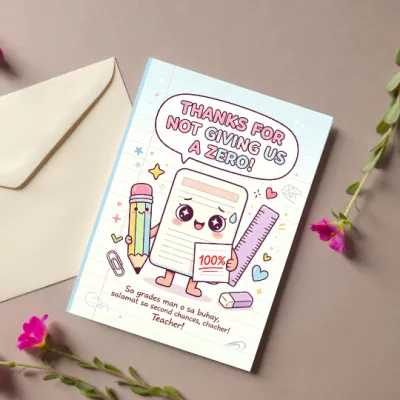
20 Lazada user ratings
Nice prints. Witty messages and fun appreciation cards. No envelope though. Maybe that why its priced lower.
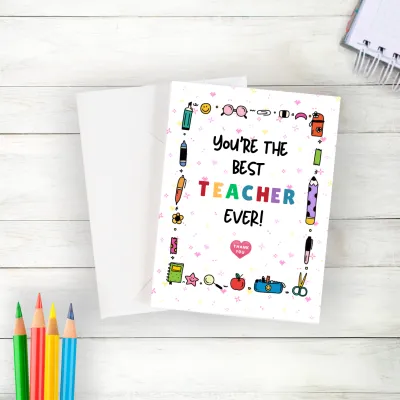
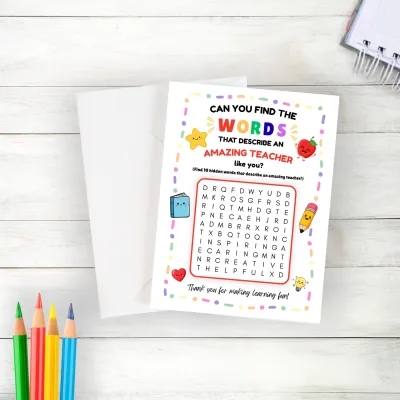
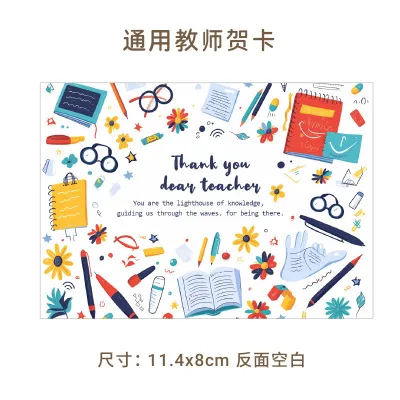
39 Lazada user ratings
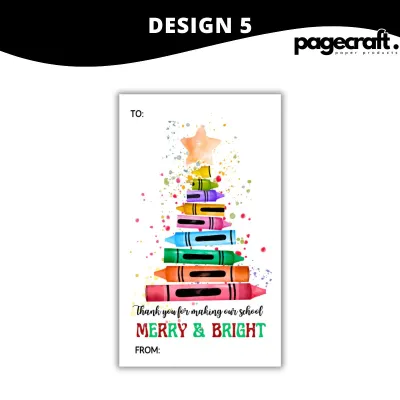
Multipurpose gift tags, Perfect for Teachers' Day gifts, Elegant thank you design, Standard rectangular shape, Set of 10 in one pack, Flat e…Read full reviewShow less
Multipurpose gift tags, Perfect for Teachers' Day gifts, Elegant thank you design, Standard rectangular shape, Set of 10 in one pack, Flat edges for clean look, Flat edges for clean look, Compact and easy to write on, Thoughtful teacher appreciation,
Compact and easy to write on, Standard rectangular shape, Thoughtful teacher appreciation, Flat edges for clean look, Multipurpose gift tags…Read full reviewShow less
Compact and easy to write on, Standard rectangular shape, Thoughtful teacher appreciation, Flat edges for clean look, Multipurpose gift tags, supersafe and complete items.
Perfect for Teachers' Day gifts, Elegant thank you design,
Thank you seller. Got my order right and complete
Prices are valid at publication and may change. Please refer to the product page for the latest price.
Budget is another critical factor, particularly when transitioning from primary school to departmentalized high school systems. In primary school, a student typically has one or two main homeroom teachers, making it feasible to invest in a premium, highly detailed, or custom-made artisan card. In contrast, high school students often have eight or more subject teachers, which quickly makes individual premium cards cost-prohibitive. For these situations, purchasing bulk packs or utilizing high-quality printable templates allows you to distribute thoughtful messages to every educator without overextending your budget.
Finally, consider the delivery method and urgency of the occasion. If you are handing the card over in person on a dry school day, a delicate handmade card with external embellishments is a wonderful choice. However, if the card will be tucked into a crowded backpack during the rainy season, durability becomes paramount. In such cases, a sturdy card enclosed in a thick, moisture-resistant envelope, or even a digital card sent directly to the teacher’s school email, ensures your message arrives intact and presentable.
Types of Teacher Thank You Cards to Consider
To help you navigate the many options available in the Philippines, it is helpful to categorize cards by their production style and design focus. Each category serves a distinct purpose, offering unique advantages in terms of customization, tactile quality, and cost-effectiveness. By matching these categories to your specific needs, you can narrow down your choices quickly and confidently.

Whether you prioritize the unique charm of locally sourced materials, the convenience of instant digital downloads, the polished look of retail stationery, or the practicality of bulk sets, there is a style suited for every teacher-student dynamic. Below is a detailed breakdown of the four primary card types you will encounter.
Handmade and Artisan Cards
Handmade and artisan cards are the premier choice for homeroom teachers, long-term mentors, or milestone occasions like graduation. These cards carry a high emotional impact because they reflect a clear investment of time and thought. Many local creators in the Philippines utilize indigenous materials, such as textured abaca paper, cogon grass accents, or pressed local flowers, giving the card a distinct, culturally rich aesthetic that stands out from mass-produced alternatives.
When shopping for artisan cards, look for high-quality paper stocks, typically ranging from 250 GSM to 300 GSM (grams per square meter). This thickness provides a sturdy, premium feel and prevents heavy inks, such as calligraphy ink or brush pens, from bleeding through to the back. Hand-lettered designs, delicate watercolor illustrations, and three-dimensional paper-cut elements are common features that elevate these cards into genuine works of art.
You can find these unique creations at local craft fairs, specialty boutique stationery shops, and through independent artists showcasing their portfolios on online marketplaces. The primary limitations of handmade cards are their higher price point, which usually ranges from ₱200 to ₱500 per card, and the longer lead times required for custom orders. If you plan to commission a personalized message or specific illustration, it is wise to place your order several weeks in advance.
Printable and Digital Cards
Printable and digital cards offer an incredibly flexible, cost-effective, and rapid solution for busy parents and students. This option is particularly advantageous for last-minute gifts or when you want to incorporate a child’s digital drawings into a professional layout. Digital templates allow you to customize the text, fonts, and colors on your computer or smartphone before printing the final product at home or at a local print shop.
When choosing a printable card, look for high-resolution file formats, such as 300 DPI (dots per inch) PDFs or PNGs, to ensure the printed graphics are sharp and vibrant. To achieve a professional finish at home, avoid standard printer paper, which is too thin and prone to warping under heavy ink. Instead, purchase a pack of matte cardstock weighing between 200 GSM and 220 GSM, which is the maximum thickness most standard home inkjet printers can reliably feed without jamming.
These digital designs are widely available on dedicated design websites and digital download shops within major e-commerce platforms. While highly convenient, printable cards do require access to a reliable printer and quality cutting tools, such as a paper trimmer, to ensure clean, straight edges. Additionally, they lack the tactile embellishments, like foil stamping or embossing, found on premium retail cards.
Premium Store-Bought Cards
Premium store-bought cards are the go-to option when you need a polished, professional, and reliable card on short notice. These cards are designed to maintain clear professional boundaries while still expressing sincere warmth. They are ideal for formal appreciation, such as thanking a school principal, a thesis adviser, or a teacher with whom you have a polite but less personal relationship.
Key features to look for in premium retail cards include thick, coated cardstock, elegant gold or silver foil stamping, embossed lettering, and high-quality, color-coordinated envelopes. The paper used in these cards is highly durable and resists folding or creasing in transit. They are readily available at major bookstore chains, department stores, and mall-based gift shops throughout the Philippines, making them incredibly easy to source during a quick shopping trip.
The main drawback of premium store-bought cards is their reliance on generic, pre-printed sentiments. To make these cards truly meaningful, you must look for designs that leave ample blank space on the inside, allowing you to add a personalized, handwritten note that addresses the teacher’s specific contributions to the student’s growth.
Bulk and Minimalist Cards
Bulk and minimalist cards are designed specifically for efficiency, quantity, and clean aesthetics. They are the perfect choice for class parents organizing a joint gift from the entire classroom, or for high school and college students who wish to write individual notes to a dozen different subject teachers. These cards typically feature simple, elegant designs on the front, such as a small botanical illustration or a clean typographic “Thank You,” with completely blank interiors.
When purchasing bulk packs, look for sets that include matching envelopes and are made from at least 200 GSM cardstock. The blank interiors provide a clean slate, allowing students to write custom messages, draw small doodles, or even paste class photos. Because they are sold in packs of 10 to 50, the cost per card is exceptionally low, making this the most budget-friendly physical option available.
You can easily find bulk card sets in the office supply sections of major department stores, wholesale online stationery sellers, and school supply aisles. The primary limitation of bulk cards is that they can feel clinical or impersonal if they are not paired with a highly specific, heartfelt handwritten message. The value of a minimalist card relies entirely on the quality of the words written inside.
Where to Shop for Teacher Cards in the Philippines
Knowing where to shop based on your timeline, budget, and preferred style will save you significant time and effort. For those who prefer a tactile shopping experience where they can physically feel the paper weight and inspect the print quality, local stationery and bookstore chains are unmatched. Major national bookstores and specialty gift shops located in prominent malls offer dedicated seasonal displays for teacher appreciation, featuring a wide selection of premium ready-made cards.
If you are searching for unique, one-of-a-kind designs or want to support local independent artists, online marketplaces and e-commerce platforms are excellent resources. These platforms host thousands of local stationery designers offering everything from hand-painted watercolor cards to customizable digital templates. When shopping online, always check the seller’s reviews, pay close attention to the specified paper weight (GSM), and verify the shipping lead times, especially if you live outside Metro Manila or are ordering during the typhoon season when logistics can be delayed.
For the ultimate in premium, culturally resonant paper crafts, look to specialty craft boutiques and local artisan bazaars. These venues often feature stationery made from indigenous Philippine fibers like abaca, which offer a beautiful, natural texture and exceptional durability. While these cards require a higher investment, they double as beautiful pieces of art that teachers can display on their desks or classroom shelves.
How to Personalize a Store-Bought or Printable Card
An expensive card with a generic signature will never match the emotional value of a simple card filled with genuine, personalized memories. To elevate a standard store-bought or printed card, start by referencing a specific, concrete moment from the school year. Mention a particular lesson that sparked the student’s interest, a time when the teacher offered extra encouragement during a difficult exam, or a humorous classroom moment that made learning enjoyable. These specific details prove to the teacher that their daily efforts were truly noticed and appreciated.
Encouraging the student to write or sign the card themselves is another powerful way to add authenticity. For younger children, even a slightly messy signature, a hand-drawn stick figure of themselves with their teacher, or a colorful border drawn with crayons adds a layer of charm that no printed graphic can replicate. If the child’s handwriting is difficult to read, they can write a brief greeting, and the parent can write a more detailed note of appreciation on the adjacent page.
Finally, consider pairing the card with a small, highly practical token of appreciation. Rather than generic mugs or decorative knick-knacks, teachers highly appreciate functional classroom supplies that they often have to purchase out of their own pockets. Tucking a set of high-quality, smooth-writing gel pens, a pad of colorful sticky notes, or a durable, stylish lanyard into the card envelope shows a practical understanding of their daily routine and adds immense value to your gesture.
Frequently Asked Questions (FAQ)
Is it better to give a physical card or a digital message?
Physical cards are generally preferred because they serve as tangible keepsakes that teachers can display on their desks, pin to classroom bulletin boards, or store in memory boxes to look back on in future years. The physical act of writing by hand also conveys a higher level of effort and care. However, digital messages are an excellent, practical alternative for quick, end-of-term acknowledgments, remote learning setups, or when physical delivery is impossible due to distance or sudden school closures.
How much should I spend on a teacher thank you card?
In the Philippines, standard store-bought cards typically range from ₱50 to ₱150, offering a polished look at an accessible price point. Premium retail cards or unique, handmade artisan cards featuring specialized paper and hand-lettering generally cost between ₱200 and ₱500. If you are on a tight budget, printable templates or bulk card packs can bring the cost down to less than ₱20 per card. Ultimately, the emotional value of the handwritten message inside holds far more weight than the price tag of the card itself.
Should the student write the message or the parent?
A collaborative approach is highly recommended, as it captures both perspectives of gratitude. The student should write about their favorite classroom activities, what they learned, or draw a picture, which directly connects the teacher to the impact of their daily instruction. The parent can then add a brief, polite note expressing appreciation for the teacher’s patience, communication, and support throughout the academic year. This combination ensures the card is both heartwarming for the teacher and respectful of professional boundaries.

Community discussion
Share your experience or ask a question. Comments are reviewed before publication.