
Customizing structured headwear has become a staple of local streetwear culture in the Philippines. Whether you are designing a classic canvas snapback, a cotton dad hat, or a polyester trucker cap, selecting the right textile acrylic paint for cap customization is the single most important decision you will make. Using the wrong paint leads to cracked designs, stiff fabrics, and colors that bleed or wash away under the intense tropical sun and heavy rain.
To achieve a professional, durable finish, you need a specialized fabric paint that bonds with the fibers rather than sitting on top of them like plastic. The ideal paint must offer high flexibility to withstand the natural curve of the cap, excellent opacity to cover dark fabrics, and reliable washfastness. In the Philippine market, premium options like Pebeo Setacolor and Jacquard Textile Color cater to professional artists, while accessible lines like DecoArt SoSoft and Tulip Soft Fabric Paint provide excellent, user-friendly alternatives for hobbyists.
How to Choose the Right Fabric Paint for Cap Materials
Selecting the right paint requires matching the chemical properties of the medium with the specific fibers of your cap. Caps are made from a wide variety of textiles, and each reacts differently to acrylic binders. Understanding these interactions ensures your artwork remains vibrant and intact over months of wear.
Products mentioned in this guide
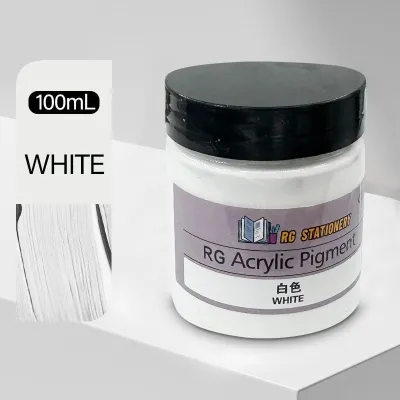
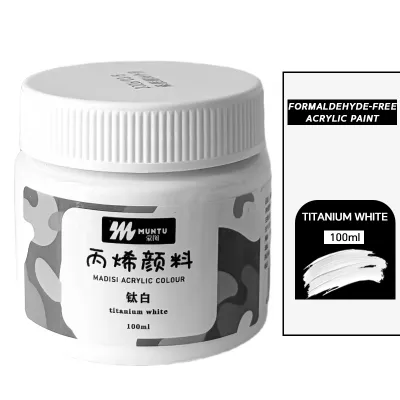
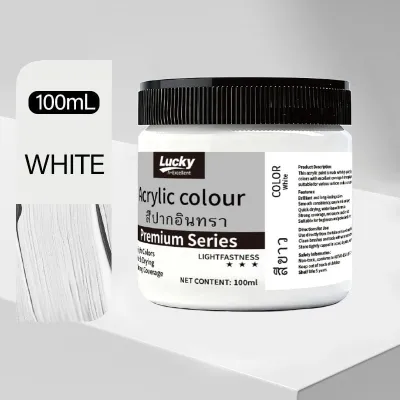
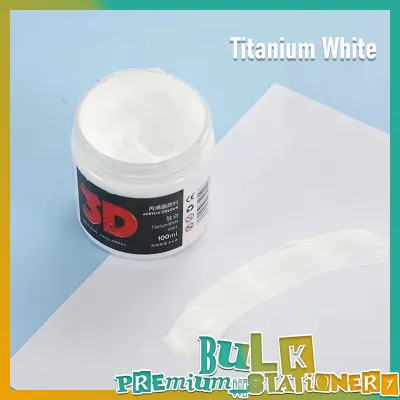
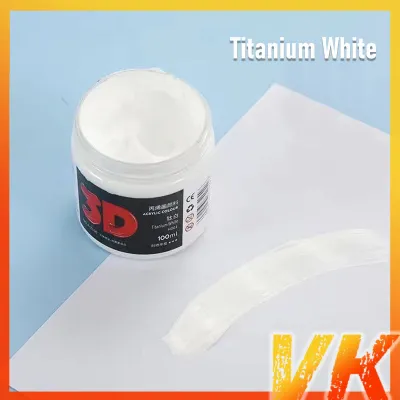
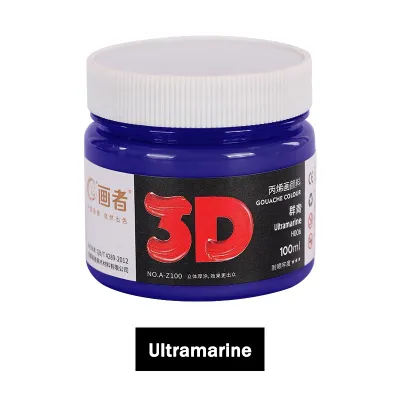
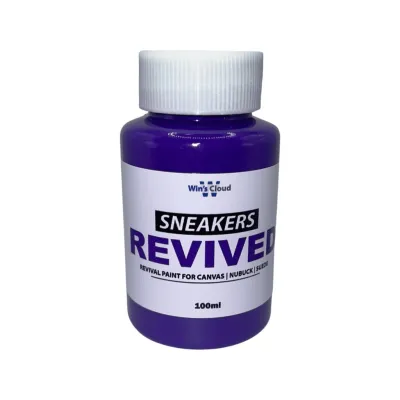
Prices are valid at publication and may change. Please refer to the product page for the latest price.
Fabric Compatibility and Fiber Absorption
The fiber composition of your cap determines how well the paint adheres. Natural fibers like 100% cotton and heavy canvas are highly porous. They absorb the liquid binder of the textile paint deeply, creating a permanent mechanical bond once cured. Tight canvas weaves provide a smooth surface for detailed brushwork, while looser weaves absorb more paint and may require a base coat.
Synthetic materials, such as polyester, nylon, and synthetic blends often found in sports caps, have smooth, non-porous fibers. Standard textile paints may slide off or fail to bond with these synthetics, leading to peeling. When working with synthetic blends, you must verify if the paint formulation is rated for synthetics or if you need to mix it with a specialized synthetic fabric medium to improve adhesion.
Flexibility and the Concept of "Hand"
In the textile and design industry, “hand” refers to the tactile feel of the fabric after it has been treated or painted. A “hard hand” means the fabric feels stiff, rough, or plastic-like, which is highly undesirable for wearable art. A “soft hand” means the painted area remains pliable, mimicking the natural texture of the fabric.
Because caps have curved surfaces—specifically the rounded crown and the stiff, arched brim—the dried paint must remain highly flexible. If the paint dries to a rigid, brittle finish, the natural flexing of the cap during wear, adjustment, or storage will cause the paint film to fracture. Always look for formulas specifically labeled “soft” or “flexible” to preserve the cap’s comfort and structural integrity.
Opacity vs. Transparency for Base Colors
The color of your cap dictates the opacity level your paint requires. Caps are frequently customized in dark shades like black, navy blue, forest green, or maroon. To paint on these dark surfaces, you must use highly opaque paints. Opaque paints contain a high concentration of titanium white or dense pigments that block out the underlying fabric color.
If you use transparent or light-formulation fabric paints on a dark cap, the fabric color will bleed through, making your design look dull, muddy, or virtually invisible. Transparent paints, on the other hand, are excellent for white, cream, or pastel caps, as they dye the fibers directly without leaving a thick layer of pigment on the surface.
Washability, Durability, and Environmental Resistance
Custom caps in the Philippines are exposed to harsh environmental factors, including intense UV radiation, high humidity, and acidic sweat. A high-quality textile paint must be permanent and wash-fast once fully cured.
Always check the manufacturer’s label for specific washability claims. Professional-grade paints typically require heat-setting to lock the pigments into the fibers, making them highly resistant to washing. Craft-grade paints may offer air-drying convenience but might not withstand repeated hand-washing or heavy sweat as effectively.
Recommended Textile Acrylic Paint Lines for Cap Customization
The Philippine art supply market offers several excellent textile paint lines. Each brand has unique characteristics, price points, and application requirements that suit different skill levels and design goals.

Pebeo Setacolor (Opaque and Light Variants)
Pebeo Setacolor is a premium, French-manufactured fabric paint highly favored by local customizers for its professional-grade performance and intense pigmentation. It is available in distinct formulations, primarily Opaque and Light.
- Strengths: The Opaque line offers outstanding coverage on dark-colored caps. The colors remain exceptionally vibrant even on jet-black canvas, requiring fewer coats than standard craft paints. The paint has a fluid consistency that flows smoothly from the brush, making it excellent for detailed linework.
- Best For: High-contrast graphic designs, detailed brushwork, stenciling, and blocking out large, dark areas on structured cap panels.
- Limitations & Considerations: To achieve full wash-fastness, Pebeo Setacolor requires strict heat-setting according to the manufacturer's instructions. Because the paint is highly pigmented, it can feel slightly thick; you may need to dilute it slightly with water or a dedicated Setacolor medium to maintain a soft hand on delicate fabrics.
- Buying Note: Carefully inspect the bottle label before purchasing. Ensure you are buying the "Opaque" variant if you are working on dark caps, as the "Light" (transparent) variant will not show up on dark surfaces.
Jacquard Textile Color
Jacquard is globally recognized as a benchmark for professional fabric paints. Their Textile Color line is a semi-viscous, water-based acrylic paint designed specifically for natural and synthetic fabrics.
- Strengths: Jacquard Textile Color is celebrated for its exceptional flexibility. It leaves an incredibly soft hand feel, allowing the paint to bend with the curved crown of a cap without any risk of cracking or flaking. It adheres beautifully to cotton, canvas, and even blends when applied correctly.
- Best For: Professional-level custom streetwear, smooth color blending, gradients, and large coverage areas where maintaining fabric softness is critical.
- Limitations & Considerations: Jacquard is positioned at a higher price point in the Philippine market, making it an investment for serious artists rather than casual hobbyists. It also requires proper heat-setting to become permanent.
- Buying Note: Due to its specialized nature, Jacquard is typically stocked by boutique art stores rather than general bookstores. Always verify that you are purchasing from authorized local distributors to avoid counterfeit products.
DecoArt SoSoft Fabric Paint
DecoArt SoSoft is an excellent mid-range fabric paint that eliminates one of the most challenging steps in cap customization: heat-setting. It is formulated to dry soft and permanent without the application of heat.
- Strengths: This paint requires absolutely no heat-setting to become permanent. It air-dries to an extremely soft, flexible finish that does not stiffen the fabric. It is water-based, making cleanup simple with soap and water before the paint dries.
- Best For: Beginners, quick customization projects, and caps made of delicate synthetic materials or containing plastic brim inserts that could melt under a heat gun or iron.
- Limitations & Considerations: The opacity of DecoArt SoSoft is slightly lower than that of Pebeo Opaque. You may need to apply multiple thin, even coats to achieve solid coverage on dark fabrics. Additionally, check the label for UV resistance if the cap will be worn frequently in the intense Philippine sun.
- Buying Note: DecoArt produces a wide variety of craft paints. When shopping, double-check that the bottle explicitly features the "SoSoft Fabric Paint" branding, rather than their standard multi-surface or patio paints.
Tulip Soft Fabric Paint
Tulip is a household name in the crafting community, known for producing highly accessible and affordable fabric decorating supplies. Their Soft Fabric Paint line is specifically formulated to dry flexible and soft.
- Strengths: Tulip is highly affordable and widely distributed across the Philippines. It comes in an extensive array of colors, including specialty finishes like metallics, glitters, and neons. The "Soft" formula ensures the paint does not dry to a stiff, crunchy texture.
- Best For: Hobbyists, budget-conscious creators, bulk customizations (such as event giveaways), and adding simple typography or colorful accents to caps.
- Limitations & Considerations: The opacity can be inconsistent across different colors. Lighter shades (like yellow or pink) will require a solid white base coat to show up clearly on dark caps. The paint film can also feel slightly thicker than professional alternatives if applied too generously.
- Buying Note: Tulip paints are commonly found in the craft sections of major national bookstore chains. Because these paints can sit on retail shelves for extended periods, check the bottle for signs of separation or drying out before purchasing.
Application and Heat-Setting Techniques for Curved Surfaces
Painting on a structured, three-dimensional surface like a cap requires a different approach than painting on flat canvas or t-shirts. Proper preparation, application, and curing are vital to ensuring your custom design lasts.
Step 1: Preparing the Cap Surface
Before your brush touches the fabric, you must remove any manufacturing residues, sizing agents, or oils from the cap.
- Clean: Wipe the cap surface gently with a clean, damp microfiber cloth. For canvas or heavy cotton caps, a light rub with isopropyl alcohol can help strip away protective coatings that might repel the paint. Let the cap dry completely.
- Structure: Insert a solid support inside the cap. A rolled-up towel, a small plastic bowl, or a custom-cut cardboard insert will hold the cap's shape and provide a firm surface to paint against.
- Protect: Place a plastic barrier or parchment paper inside the cap behind the panel you are painting. This prevents the paint from bleeding through the fabric and staining the inner sweatband or lining.
Step 2: Strategic Paint Application
The key to a durable custom cap is building up the paint in thin, controlled layers.
- Thin Layers: Never apply a single thick layer of paint. Thick paint traps moisture underneath, dries unevenly, and is highly prone to cracking. Apply a thin base coat (usually white if painting on a dark cap), let it dry, and then apply your colors.
- Drying Times: In the humid Philippine climate, paint dries slower than in drier regions. Allow each layer to dry completely before applying the next. You can accelerate this process by placing the cap in front of a desk fan.
- Hidden Area Test: Before painting your main design, perform a small test on a hidden area, such as the underside of the sweatband. Apply a stroke of paint, let it dry, and check for bleed resistance, drying speed, and how the fabric fibers absorb the pigment.
Step 3: Heat-Setting Safely
For paints that require heat-setting (like Pebeo and Jacquard), you must apply heat to cure the binder and lock the pigments into the fibers. However, caps present unique challenges due to their curved shapes and internal components.
- The Dry Iron Method: Set a standard household iron to the fabric setting appropriate for your cap (e.g., cotton or polyester). Turn off the steam function completely. Place a piece of parchment paper or a clean cotton pressing cloth over your painted design. Press the iron firmly over the design for 2 to 3 minutes, moving it constantly to avoid scorching.
- The Heat Gun or Hair Dryer Method: If the design is on a highly curved area where an iron cannot reach, use a heat gun or a high-wattage hair dryer. Keep the heat source 6 to 8 inches away from the cap and keep it in constant motion. Apply heat for 3 to 5 minutes.
Crucial Safety Boundary
Always read the specific paint manufacturer’s curing instructions and verify them against the cap’s care label. Many structured caps contain plastic stiffeners inside the front panels or plastic/cardboard brim inserts. Direct exposure to high heat can melt, warp, or permanently ruin these structural elements. If your cap contains heat-sensitive materials, do not use a hot iron directly on those areas. Instead, opt for air-dry paints like DecoArt SoSoft, or consult the paint manufacturer for alternative low-heat curing methods.
Sourcing Authentic Fabric Paints in the Philippines
Finding genuine, high-quality textile paints in the Philippines requires knowing where to shop. Counterfeit or improperly stored paints can lead to poor adhesion, clumping, and ruined projects.
Specialized Art Supply Shops
For professional-grade brands like Jacquard and Pebeo, head to specialized art supply stores. Well-known retailers such as Deovir Art Supplies and Art Bar have physical branches in major metropolitan areas (including Metro Manila, Cebu, and Davao) and operate robust online storefronts. These specialty shops store their inventory in climate-controlled environments, protecting the liquid acrylics from the extreme heat of local warehouses.
National Bookstore and Craft Chains
For accessible, budget-friendly options like Tulip and DecoArt, check the craft and stationery aisles of major national bookstore chains, such as National Book Store or retail craft hubs like Common Room. These outlets are excellent for casual hobbyists looking for individual bottles or beginner kits.
Navigating Online Marketplaces
If you are purchasing from major e-commerce platforms, exercise caution to avoid expired or counterfeit stock:
- Filter for Official Stores: Look for sellers designated as "Mall," "Preferred," or official brand distributors.
- Examine Reviews: Scroll through user reviews and look specifically for physical photos of the bottles received. Check if other buyers complained about clumpy, dried-out, or separated paint.
- Communicate with the Seller: Send a direct message to the seller to confirm the manufacturing or expiration date. Liquid acrylics generally have a shelf life of two to five years; older stock may have lost its binding capabilities.
In-Store Verification Checks
If you are buying in a physical store, perform these quick quality checks:
- The Shake Test: Gently shake the bottle near your ear. You should hear a smooth, fluid sloshing sound. If you hear a heavy thud or feel a solid mass shifting inside, the paint has likely dried up or undergone severe, irreversible separation due to heat exposure.
- Label Verification: Ensure the label explicitly states "Fabric Paint," "Textile Paint," or "Setacolor/Textile Color." Avoid general "Multi-Surface" acrylics unless they specifically outline fabric application and heat-setting instructions on the back.
Frequently Asked Questions (FAQ)
Can I use regular acrylic paint instead of textile acrylic paint on a cap?
Regular acrylic paint is not formulated for flexible textiles. When standard acrylic paint dries, it forms a rigid, plastic-like film. Because a cap is curved and experiences constant handling, regular acrylic paint will quickly crack, flake off, and feel uncomfortably stiff on your head.
Textile acrylic paints contain a specialized, highly flexible acrylic polymer binder that allows the pigment to bend and stretch with the fabric fibers. If you only have regular acrylic paint on hand, you must mix it with a liquid fabric medium (typically in a 1:1 ratio, though you should check the medium’s packaging instructions). This medium dilutes the heavy body of the acrylic and introduces the necessary flexible binders, converting your standard paint into a usable fabric paint.
How do I wash a custom-painted cap without ruining the design?
You should never wash a custom-painted cap in a washing machine. The aggressive agitation, spinning, and friction against other garments can warp the cap’s internal structure and cause the painted design to chip or peel.
Instead, hand-wash your cap using this gentle method:
- Fill a basin with cold water and add a small amount of mild, bleach-free laundry detergent.
- Submerge the cap and let it soak for 10 to 15 minutes.
- For the painted area, use a soft microfiber cloth or your fingertips to gently dab away dirt. Never scrub the painted surface with a stiff brush.
- Rinse thoroughly with cold water.
- Gently press out excess water using a clean towel (do not wring or twist the cap).
- Air-dry the cap indoors or in a shaded area. Avoid placing it in direct, intense sunlight, as UV rays can fade both the fabric and the paint pigments over time. Always wait at least 72 hours (or up to a week, depending on the paint brand's instructions) after painting before subjecting the cap to its first wash.

Community discussion
Share your experience or ask a question. Comments are reviewed before publication.