
Transparent binder notebooks have become a staple in school bags across the Philippines, offering a unique blend of aesthetic customization and practical utility. Unlike traditional bound notebooks that lock you into a fixed number of pages, these modular systems allow you to rearrange, add, or remove sheets as your academic workload changes throughout the semester. For Filipino students navigating fast-paced schedules, heavy course loads, and unpredictable tropical weather, finding a reliable organization system is essential for academic success.
One of the primary reasons these binders are so popular is their resilience. Traditional cardboard-backed notebooks often warp, peel, or grow mold when exposed to the high humidity levels common in the country. A transparent plastic binder, however, acts as a sturdy shield against moisture while remaining lightweight. Additionally, the clear cover serves as a blank canvas, allowing you to slide in personalized cover pages, class schedules, or motivational prints without needing adhesive stickers that leave a sticky residue. This flexibility ensures your notebook remains functional and visually appealing from the first day of classes to final exams.
Key Features to Evaluate Before Buying
Selecting the right transparent binder requires looking beyond aesthetics. Since you will be carrying this notebook daily, you must assess the structural materials, mechanical components, and paper compatibility to ensure it can withstand the rigors of student life.
Products mentioned in this guide
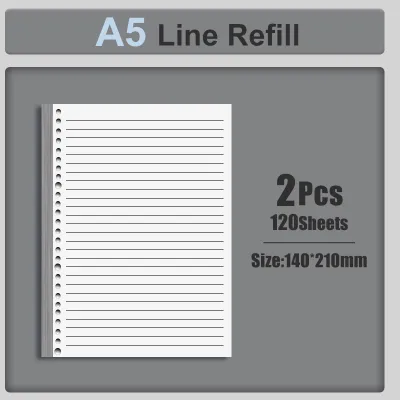
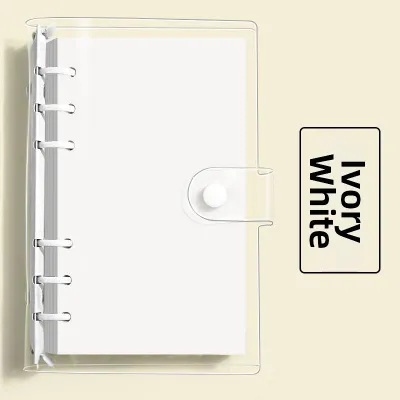
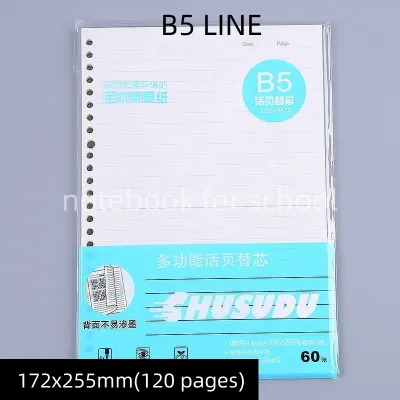
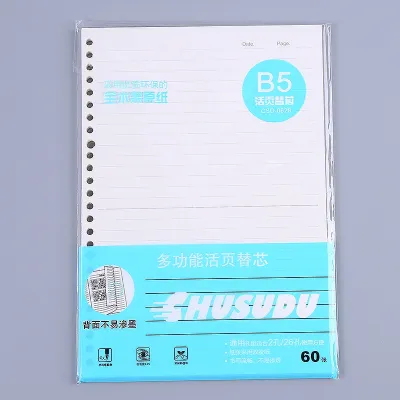
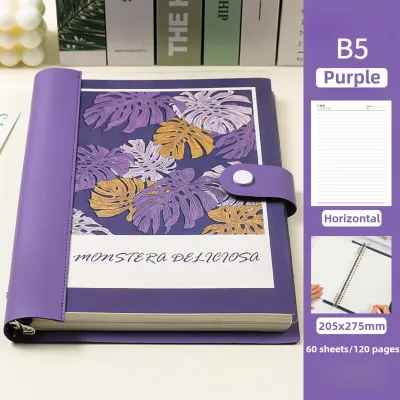
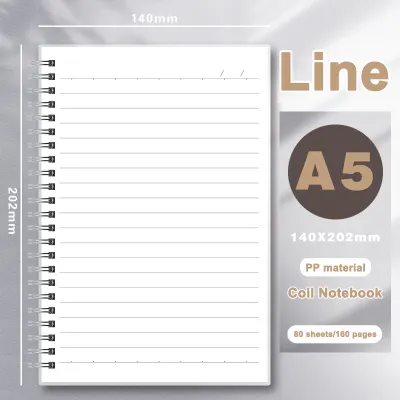
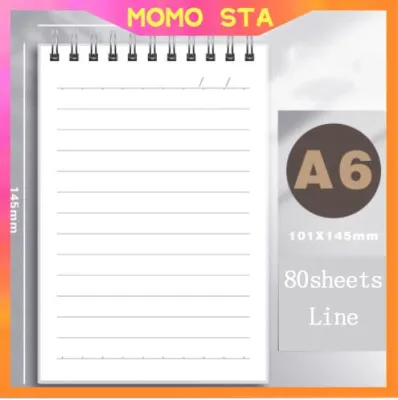
Prices are valid at publication and may change. Please refer to the product page for the latest price.
Cover Material (PVC vs. PP)
The two most common plastics used for transparent covers are Polyvinyl Chloride (PVC) and Polypropylene (PP). Understanding their physical properties will help you choose the material that best matches your daily environment and usage habits.
PVC is highly flexible, soft to the touch, and offers crystal-clear transparency. It is the ideal choice if you want your custom cover designs, photos, or decorative inserts to show through with perfect clarity. However, PVC is sensitive to extreme heat and humidity. In a tropical climate, prolonged exposure to heat inside a stuffy backpack can cause PVC to become slightly sticky, and it may eventually yellow over time when exposed to direct sunlight.
PP, on the other hand, is semi-rigid, lightweight, and usually features a frosted or translucent finish. While it does not offer the glass-like clarity of PVC, PP is incredibly durable and highly resistant to environmental wear. It does not warp in high temperatures, remains non-sticky even in humid conditions, and provides better structural protection for the paper inside. If you prioritize longevity and structural integrity for a packed school bag, PP is generally the superior option.
Binder Mechanism
The binding mechanism is the heart of any loose-leaf system. You must evaluate the ring count, ring shape, and the opening mechanism to ensure smooth operation.
Multi-ring binders typically come in 20-hole (A5), 26-hole (B5), or 30-hole (A4) configurations. These high ring counts are excellent because they distribute the tension evenly along the edge of the paper, preventing the individual sheets from tearing when you flip through them quickly during lectures. This is a significant upgrade over standard 2-ring or 3-ring binders, which concentrate stress on just a few points and often rip the paper.
Ring shapes also affect usability. Standard O-rings are excellent for quick page-flipping and work well for moderate capacities. D-rings, however, allow the paper to lie completely flat against one side of the binder, maximizing the page capacity and making it easier to write on the left-hand pages. When choosing a binder, look for a smooth opening lever—usually a slide-to-lock or a push-button mechanism—that allows you to open the rings effortlessly without pinching your fingers.
Size and Format
Matching the binder size to your daily routine prevents unnecessary shoulder strain and ensures you have enough writing space.
- A5 Size (148 x 210 mm): This compact format is highly portable and fits easily into small bags or tote bags. It is perfect for quick jotting, vocabulary lists, or diary entries, though it may feel cramped for detailed lecture notes or complex mathematical equations.
- B5 Size (176 x 250 mm): Widely considered the sweet spot for students in the Philippines, B5 provides ample writing space for structured notes while remaining compact enough to fit comfortably on small classroom armchairs.
- A4 Size (210 x 297 mm): This is the standard size for official documents and printing. It is best suited for subjects that require detailed diagrams, mind maps, accounting ledgers, or extensive essay drafting. However, A4 binders are bulky and can quickly crowd a standard student backpack.
Paper Compatibility
Before purchasing a binder, you must verify that you can easily source compatible paper refills. Most transparent binders follow standard Japanese-style hole spacing (9.5 mm pitch). Always double-check that the refill packs you purchase match the exact ring count of your binder.
Additionally, pay close attention to the paper weight, measured in grams per square meter (GSM). Standard notebook paper is often around 60 to 70 GSM, which is prone to ink bleed-through and ghosting when using gel pens, highlighters, or brush pens. For a clean note-taking experience, look for refills that are at least 80 GSM, though 100 GSM is highly recommended if you prefer using wet inks or multi-colored highlighting systems.
| Feature | PVC (Polyvinyl Chloride) | PP (Polypropylene) |
|---|---|---|
| Clarity | High (crystal clear) | Medium (frosted or translucent) |
| Flexibility | High (soft, bendable) | Low to Medium (semi-rigid, structured) |
| Weight | Moderate | Lightweight |
| Heat/Humidity Resistance | Moderate (can become sticky or warp in extreme heat) | High (remains stable and non-sticky) |
| Best For | Aesthetic setups, creative covers, charms | Heavy daily use, commuting, structured protection |
Matching Notebook Styles to Student Needs
Every student has a unique study style, workload, and daily commute. To get the most out of your transparent binder notebook, you should match its specific configuration to your academic routine.

For Heavy Note-Takers and Archivists
If you are preparing for board exams, taking dense STEM courses, or compiling detailed lecture summaries, you need a high-capacity setup that can handle hundreds of pages without failing.
For this use case, prioritize a semi-rigid PP binder with a wide spine (at least 25 mm to 30 mm) and metal D-rings. Metal rings offer the structural strength needed to hold up to 150 sheets of high-GSM paper without bending or slipping out of alignment. Rigid PP covers provide a firm writing surface, allowing you to take notes comfortably even when you do not have access to a flat desk.
Keep in mind that these heavy-duty binders are naturally bulkier and heavier. To manage the weight, you can use the binder as a central archive at home or in your dorm, and carry only a slim, lightweight folder to your daily classes, transferring your notes to the main binder at the end of each week.
For Commuters and Minimalists
Navigating public transportation in the Philippines—whether riding jeepneys, tricycles, or crowded trains—requires a streamlined, lightweight bag setup that protects your notes from physical damage.
Minimalist students should look for slim-profile PP binders with plastic rings. Modern plastic-ring mechanisms are incredibly light and can slide easily into narrow backpack compartments. Opt for an A5 or B5 size with a maximum capacity of 50 to 70 sheets to keep your bag as light as possible.
When commuting, a secure closure is non-negotiable. Look for binders equipped with a sturdy elastic band, a snap-button closure, or a zip-around cover. This simple feature prevents the binder from accidentally opening inside your bag, protecting your loose-leaf pages from getting crumpled, torn, or soiled by other items in your backpack.
For Creative and Visual Learners
If your note-taking style involves color-coded diagrams, mind mapping, sketching, or scrapbooking, your binder needs to support a wide variety of media.
Creative learners will benefit most from high-clarity PVC binders. The clear cover allows you to showcase hand-drawn title pages, stickers, or collage art. PVC binders also tend to lay completely flat when opened, making it much easier to draw continuous diagrams across a two-page spread without the central rings obstructing your hand.
To support your creativity, look for binders that come with, or are compatible with, diverse refill formats, such as dot grid, blank, or kraft paper. Ensure the binder has sufficient inner ring clearance so that custom dividers, index tabs, or built-in plastic pockets do not get caught or bent when you turn the pages.
How to Verify Quality When Shopping Online
Since many students purchase stationery through online marketplaces, verifying product quality without physical inspection requires a strategic approach. Paying attention to product descriptions and user feedback can save you from receiving a flimsy or defective binder.
Reading Specifications
When browsing online listings, look for detailed technical specifications rather than generic marketing terms. A reputable seller will list the exact cover thickness, usually measured in millimeters. For a durable PP binder, aim for a cover thickness of at least 0.7 mm to 1.2 mm; for PVC, look for 1.0 mm or thicker to ensure the cover does not feel like thin plastic wrap.
Additionally, check the material of the ring mechanism. Look for terms like “electroplated steel” or “rust-resistant alloy” for metal rings, or “ABS plastic” for plastic rings. This ensures the mechanism will open smoothly and resist structural failure over time.
Analyzing User Reviews
User reviews are a goldmine of real-world performance data. When reading reviews, filter for photo and video uploads to see how the binder looks in natural lighting. Pay close attention to comments mentioning the alignment of the rings.
Search user reviews for local keywords or common complaints such as “kalawang” (rust), “punit” (tear), “bungi” (gaps in the rings), or “mabilis masira” (easily broken). If multiple buyers report that the rings do not close tightly, leaving a gap where paper can slip out, it is best to look for a different listing.
Checking Refill Availability
Before committing to a specific binder, make sure you can easily purchase refill paper that fits its hole pattern. Some proprietary brands use unique spacing that forces you to buy their expensive branded refills. Stick to standard 20, 26, or 30-hole configurations, as these refills are widely available and budget-friendly.
It is highly convenient to buy your binder and a few packs of high-quality refill paper from the same online storefront. This ensures compatibility and helps you save on shipping fees.
Understanding Return Policies
Because binder rings are mechanical, they can occasionally get damaged or misaligned during shipping if they are not packaged correctly. Before placing your order, check the seller’s return and refund policy.
Look for sellers who offer secure packaging—such as wrapping the binder in bubble wrap and placing a cardboard spacer inside the rings to prevent them from crushing. If a binder arrives with bent rings that do not close properly, contact the seller immediately to request a replacement.
Maintenance and Care for Longevity
Taking proper care of your transparent binder notebook ensures it remains functional and clean throughout the entire school year, saving you money on replacements.
Cleaning Covers
Over time, transparent covers can accumulate dust, fingerprints, and oils from your hands. To keep them looking clear, wipe the covers periodically with a soft, dry microfiber cloth.
If the cover requires a deeper clean, use a slightly damp cloth with mild soapy water. Never use harsh chemical solvents, acetone, or isopropyl alcohol on PVC covers, as these substances can react with the plastic, causing it to become permanently cloudy, sticky, or brittle.
Preventing Rust
In the tropical climate of the Philippines, high humidity can cause metal binder mechanisms to develop rust over time. To prevent this, avoid storing your notebook in damp environments or leaving it in a closed bag alongside cold water bottles that might sweat condensation.
If your notebook gets wet from a sudden downpour during your commute, open the binder immediately when you get home, remove the paper, and dry the metal rings thoroughly with a clean towel. Keeping the metal mechanism dry is the single most effective way to prevent rust and ensure smooth operation.
Proper Handling
Avoid the temptation to overstuff your binder beyond its recommended sheet capacity. When a binder is too full, the paper exerts outward pressure on the rings, which can slowly bend the metal or plastic out of alignment. This makes turning pages difficult and can cause the rings to pop open unexpectedly.
Additionally, always open the binder rings using the designated push levers or pull tabs at the ends of the spine, rather than pulling the rings themselves. Pulling directly on the individual rings applies uneven force, which can warp the mechanism and prevent the rings from closing flush in the future.
Frequently Asked Questions (FAQ)
Can I use standard hole-punched paper in any transparent binder?
No, standard 2-hole or 3-hole punched paper will not fit multi-ring transparent binders. These binders require paper with specific multi-hole configurations, such as 20 holes for A5, 26 holes for B5, and 30 holes for A4. Always check the ring count of your binder and purchase matching loose-leaf refills, or invest in a multi-hole puncher to customize your own paper.
How do I prevent the transparent cover from turning yellow?
To prevent yellowing, store your binder away from direct sunlight and avoid leaving it in hot environments, such as inside a parked car. Yellowing is primarily caused by UV exposure and chemical degradation, which affects PVC more than PP. If long-term clarity is your main priority, choosing a frosted PP binder is a safer option, as PP is highly resistant to UV-induced discoloration.
Are transparent binder notebooks more expensive than regular notebooks?
While the initial cost of a transparent binder notebook (typically ranging from ₱100 to ₱400 depending on the size and materials) is higher than a standard bound notebook, it offers better long-term value. Once you own the binder, you only need to purchase loose-leaf paper refills for subsequent semesters, which is far more cost-effective than buying entirely new notebooks every school year.
Community discussion
Share your experience or ask a question. Comments are reviewed before publication.