
Finding the right writing tool for a developing child is a critical step in their educational and creative journey. In the Philippines, where young learners face long school days often in warm, humid classrooms, comfort and reliability are paramount. The ideal twistable pencil for kids is not a single, one-size-fits-all product; instead, the perfect choice depends entirely on your child’s age, hand size, grip strength, and current stage of fine motor development.
Twistable pencils offer a modern alternative to traditional wooden pencils, eliminating the constant need for manual sharpening while maintaining a consistent length and weight. By matching the physical design of the pencil—such as barrel thickness, grip material, and lead diameter—to your child’s developmental milestone, you can help them build confidence in their handwriting and creative work. Understanding these developmental shifts ensures that your child has a tool that supports, rather than hinders, their natural learning process.
How to Choose Twistable Pencils Based on Age and Development
A child’s physical and cognitive development directly influences how they interact with writing instruments. During early childhood, the small muscles in the hands and fingers are still forming, meaning that grip strength and coordination are highly limited. Introducing a pencil that is too thin or requires precise pressure can lead to hand fatigue, frustration, and the development of improper grip habits that are difficult to correct later on. Therefore, selecting a pencil with the appropriate barrel thickness, weight, and grip style is essential for fostering a positive writing experience.
Products mentioned in this guide
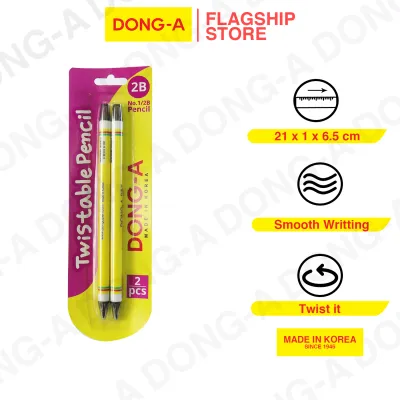
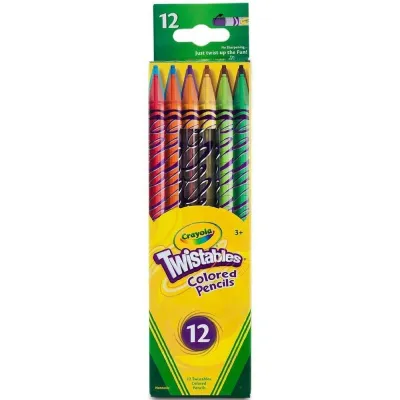
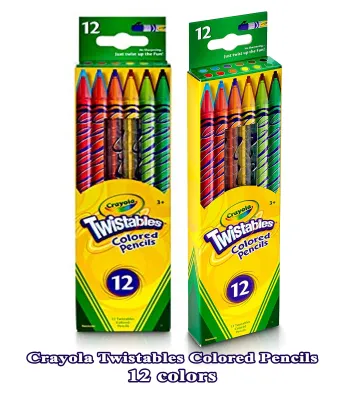
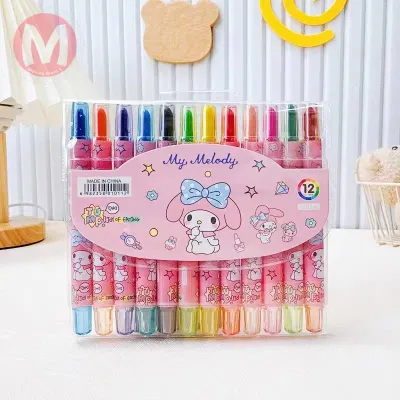
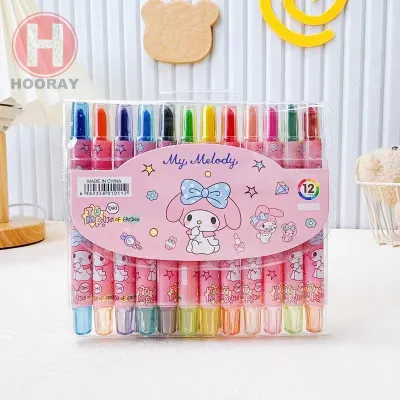
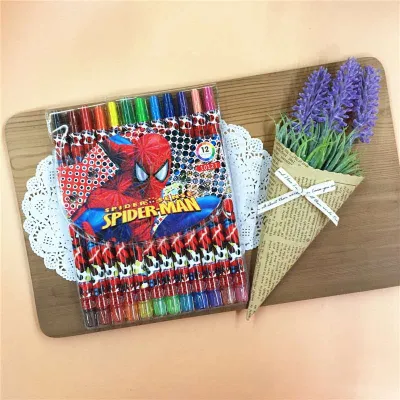
Prices are valid at publication and may change. Please refer to the product page for the latest price.
In this context, the term “twistable pencils” encompasses two primary categories: twistable mechanical pencils designed for writing and schoolwork, and twistable colored pencils or crayons designed for artistic expression. Both types utilize a rotating mechanism to advance the writing core, eliminating the need for sharpeners and reducing classroom distractions. When shopping in the Philippines, parents should look for options that are widely available, feature ergonomic designs to support hand health, and use standard refill sizes to ensure long-term usability.
Tropical conditions in the Philippines also play a significant role in how children handle writing tools. High humidity and warm temperatures often lead to sweaty hands, which can cause standard plastic barrels to slip. This makes the choice of grip material incredibly important, as a secure hold prevents the child from overcompensating by gripping the pencil too tightly. Additionally, local paper quality can vary, meaning that the chosen lead or wax core must glide smoothly without tearing thin notebook pages or requiring excessive downward force.
Ultimately, the best pencil is one that aligns with your child’s current developmental stage rather than a single universal model. A toddler exploring sensory play needs a completely different tool than a pre-teen taking rapid notes during a grade-school lecture. By evaluating your child’s current fine motor skills and matching them to specific pencil features, you can make an informed decision that enhances both comfort and writing quality.
Best Twistable Pencil Types for Toddlers and Preschoolers (Ages 3-5)
Recommended Grip and Barrel Designs
For toddlers and preschoolers between the ages of 3 and 5, writing is primarily an act of exploration, scribbling, and early pre-writing practice. At this stage, children typically use a palmar grasp, holding the writing tool with their entire fist, or transition to a static tripod grasp using their whole hand to move the pencil. To accommodate this limited dexterity, look for jumbo or extra-thick barrels that are much easier for small hands to clasp and control.

Triangular-shaped barrels are highly recommended for this age group because they naturally guide little fingers into a basic three-point grasp. This shape prevents the pencil from rolling off school desks, reducing the constant need to bend down and retrieve dropped items. When evaluating materials, prioritize soft, non-slip silicone or rubberized grips that provide excellent traction even when hands become sweaty in warm, tropical weather.
Weight is another crucial factor to consider for early learners. The pencil body should be constructed from lightweight, durable plastic to prevent hand fatigue during short drawing sessions. Avoid heavy metal components or overly complex internal mechanisms that add unnecessary weight, as a heavy tool can cause a child to tire quickly and lose interest in practicing their motor skills.
Core Thickness and Material for Early Scribbling
Young children have not yet learned to regulate the downward pressure they apply when drawing or writing, often pressing down with significant force. To prevent constant breakage and the resulting frustration, select twistable tools with thick cores, such as 2.0mm graphite leads or broad wax-based crayon cores. These robust cores can withstand heavy, uncontrolled pressure without snapping, allowing children to focus on their creative expression.
Safety is a primary concern for parents of preschoolers, as children in this age bracket frequently place objects in their mouths. Always check product packaging and labels for non-toxic certifications, such as the AP (Approved Product) seal or compliance with EN71 safety standards. These certifications verify that the materials, including the outer plastic and the inner wax or graphite core, are safe for young children to handle daily.
Finally, examine the twisting mechanism itself before making a purchase. For toddlers, the mechanism should offer a moderate amount of resistance or stiffness. If the twist function is too loose, an inquisitive child can easily over-extend the entire core, leading to accidental breakage or a messy cleanup. A slightly stiff mechanism ensures that the core remains safely inside the protective barrel until an adult or older child adjusts it.
Ideal Twistable Pencil Designs for Early Elementary Students (Ages 6-8)
Transitioning to Standard Writing Grips
As children enter early elementary school, typically between the ages of 6 and 8, their fine motor skills undergo a significant transition. They begin to master the dynamic tripod grasp, using the tips of their thumb, index, and middle fingers to manipulate the pencil with greater precision. This shift allows them to transition from jumbo-sized tools to medium-thickness barrels that offer a balance between comfort and control.
Look for pencils featuring contoured, ergonomic grips made from latex-free rubber or textured silicone. These specialized grips guide proper finger placement without forcing the hand into an unnatural position, which is vital as children begin writing full sentences and paragraphs. A well-designed grip reduces the physical strain of repetitive writing, helping students maintain neat handwriting throughout their morning and afternoon classes.
At this stage, a slightly heavier or more balanced pencil body can actually be beneficial. A subtle weight distribution toward the tip of the pencil provides better tactile feedback, helping children feel the paper and control their letter formations more effectively. This added stability is particularly helpful when students are learning to write within the narrow lines of standard Grade 1 and Grade 2 writing notebooks used in Philippine schools.
Balancing Durability and Line Precision
Transitioning to structured schoolwork requires a shift toward thinner, more precise lines, but durability remains a key concern. For writing tasks, a twistable mechanical pencil with a 0.7mm or 0.9mm lead diameter is highly recommended. These sizes provide a clear, dark line that is easy for teachers to read while remaining thick enough to resist breaking under enthusiastic, developing hands.
To further protect the lead from snapping, look for pencils equipped with a cushioned tip or a shock-absorbing internal spring mechanism. These designs allow the lead to retract slightly into the barrel when the child applies excessive downward force, preventing immediate breakage. Packaging labels that highlight “break-resistant” technology are excellent indicators of a pencil built to withstand the rigors of early elementary school.
When preparing school supplies, teach your child how to test and use the retraction mechanism. A reliable twistable pencil should allow the lead to be fully retracted back into the barrel when not in use. This simple step protects the tip from breaking inside pencil cases or school bags, ensuring the tool is ready for action during the next classroom activity.
Top Twistable Pencil Features for Older Kids and Pre-Teens (Ages 9-12)
Precision and Smooth Twisting Mechanisms
Older children and pre-teens in the 9 to 12 age bracket require writing tools that match their mature hand size and advanced academic workload. At this stage, students are writing longer essays, solving complex math problems, and drawing detailed diagrams. They generally prefer slim, standard-sized barrels that mimic adult writing instruments, allowing for rapid, precise movements.
For daily writing, a standard 0.5mm mechanical twistable pencil is the preferred choice, while fine-tip twistable colored pencils are ideal for detailed art projects and school presentations. Look for models featuring high-quality internal twisting gears made from durable plastics or lightweight metals. A smooth, reliable mechanism ensures that the lead advances consistently without jamming or slipping backward under normal writing pressure.
Additionally, prioritize pencils with built-in lead protectors or fixed metal sleeves at the tip. These sleeves support the thin 0.5mm lead right up to the paper’s surface, minimizing lateral movement and reducing the risk of breakage. Checking product specifications or user feedback regarding the longevity of the internal gears can help you avoid models that wear out quickly under heavy daily use.
Refill Compatibility and Long-Term Use
As children grow older, the economic and practical aspects of maintaining school supplies become more prominent. To ensure long-term usability, always verify that the twistable pencil uses standard, universally available refill sizes. For writing, standard 0.5mm or 0.7mm HB and 2B graphite leads are highly accessible in local stationery stores and online marketplaces across the Philippines, making them cost-effective options.
Avoid purchasing pencils that require proprietary or highly obscure refill systems. These specialized refills can be difficult to locate, expensive to purchase, and may force you to discard an otherwise perfectly functional pencil body if the refills become unavailable. Choosing a pencil that accepts universal refills ensures your child can easily replenish their supplies throughout the school year.
Finally, look for practical design features that support independent study habits. A built-in lead storage compartment inside the barrel allows students to carry spare leads with them, preventing disruptions during exams. Pencils that feature a twist-up eraser or accept standard eraser refills are also highly advantageous, as they allow older students to make quick corrections neatly without needing to carry a separate, bulky eraser.
Quick Comparison: Matching Pencil Features to Your Child's Needs
To help you quickly identify the ideal specifications for your child’s age group, refer to the summary matrix below. This table outlines the recommended physical features and key buying checks discussed in the preceding sections.
| Age Group | Primary Use | Recommended Barrel/Grip | Ideal Core/Lead Size | Key Buying Check |
|---|---|---|---|---|
| Toddlers & Preschoolers (Ages 3-5) | Early scribbling, drawing, pre-writing | Jumbo, triangular barrel; non-slip silicone/rubber grip | 2.0mm or broader wax/crayon core | Non-toxic certification (AP/EN71); stiff twisting mechanism |
| Early Elementary (Ages 6-8) | Structured handwriting, basic coloring | Medium-thickness barrel; contoured latex-free grip | 0.7mm to 0.9mm lead; medium-thick colored cores | Cushioned tip/shock absorption; reliable retraction |
| Older Kids & Pre-Teens (Ages 9-12) | Detailed writing, math, advanced art | Slim, standard barrel; textured or metal-accented grip | 0.5mm to 0.7mm lead; fine colored cores | Standard refill compatibility; durable internal gears |
Frequently Asked Questions (FAQ)
Are twistable pencils better than traditional wooden pencils for kids?
Twistable pencils offer several distinct advantages over traditional wooden pencils, particularly in a classroom setting. Because they utilize a twisting mechanism to advance the core, they completely eliminate the need for manual pencil sharpeners. This reduces classroom distractions, keeps desks clean of wood shavings, and eliminates the risk of minor finger injuries from sharp blades. Additionally, twistable pencils maintain a consistent length and weight as they are used, which helps young children maintain a stable, consistent grip over time, whereas wooden pencils become progressively shorter and harder to hold comfortably.
However, traditional wooden pencils still hold value for early writing instruction. Some educators prefer wooden pencils for initial grip training because their standard hexagonal shape provides distinct tactile feedback that helps children feel where their fingers should rest. Wooden pencils also allow children to experience the direct relationship between hand pressure and line darkness more clearly, which can be helpful when first learning to control writing force. Ultimately, twistable pencils are often preferred for convenience and consistency, while wooden pencils remain a classic tool for foundational skills.
How do I prevent the lead from breaking inside a twistable pencil?
Preventing lead breakage inside a twistable pencil is largely a matter of teaching proper usage habits and selecting the right materials. The most common cause of breakage is over-extending the lead. Teach your child to twist out only a very small amount of lead—ideally between 1mm and 2mm—before they begin writing. Keeping the exposed lead short minimizes leverage and prevents it from snapping when downward pressure is applied. If the lead is extended too far, even light pressure can cause it to break instantly.
Another key factor is matching the lead hardness and thickness to your child’s writing style. If your child is naturally heavy-handed, opt for slightly thicker leads, such as 0.7mm or 0.9mm, and consider using HB lead, which is slightly harder and more break-resistant than softer 2B leads. Finally, always ensure that you are using the exact refill specifications recommended by the manufacturer. Inserting the wrong size or low-quality, brittle lead can cause internal jamming and frequent breakage inside the pencil’s twisting mechanism.
Community discussion
Share your experience or ask a question. Comments are reviewed before publication.