
Carving out a functional workspace in a compact Philippine home often requires creative spatial planning. Whether you are operating from a shared dining room in a Manila condominium or a dedicated corner of a bedroom, desk real estate is always at a premium. Placing traditional, horizontal document trays on your desk quickly consumes the very surface area you need for your laptop, keyboard, and mouse. Transitioning to vertical storage is one of the most effective ways to reclaim this valuable workspace while keeping your essential paperwork organized.
Wall-mounted document holders shift your storage footprint from the horizontal plane of your desk to the unused vertical plane of your walls. This setup keeps active files, incoming mail, and reference documents at eye level, allowing you to maintain a clear line of sight and an uncluttered workspace. By positioning your paperwork within arm’s reach but off your desk, you reduce visual clutter, which helps lower cognitive fatigue during long working hours. This vertical approach is particularly beneficial for remote professionals, freelance creators, and students who must maximize every square inch of a multi-purpose room.
What to Look for in a Wall Document Holder for Small Spaces
Selecting the right wall document holder involves more than simply picking an aesthetically pleasing design. In a compact home office, every addition to your wall must justify its presence by offering high utility without protruding awkwardly into your physical movement zone. You need to evaluate several practical dimensions, including the physical dimensions of the holder, its material durability under local environmental conditions, and the security of its mounting mechanism.
Products mentioned in this guide
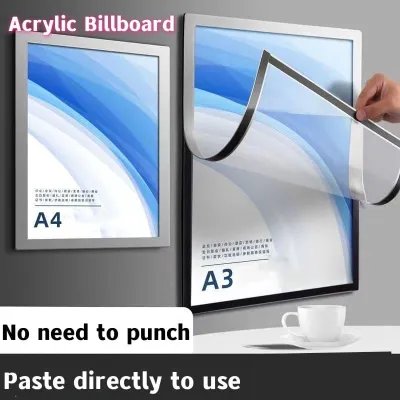
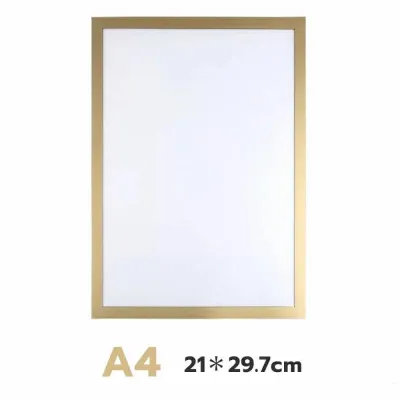

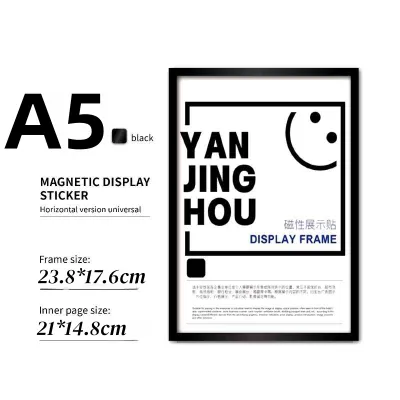
Prices are valid at publication and may change. Please refer to the product page for the latest price.
The goal is to find a system that balances maximum storage capacity with a minimal physical and visual footprint. A bulky, heavy organizer can make a small room feel cramped, while an under-sized holder will fail to accommodate your actual workload, leading to papers spilling back onto your desk.
Size, Capacity, and Desk Clearance
Before purchasing any wall-mounted organizer, grab a measuring tape and assess the available vertical and horizontal space around your desk. Consider the clearance required for your monitor, desk lamps, and your own physical movement. If you mount a deep holder directly above your desk, ensure it does not cast shadows over your main writing area or interfere with your monitor setup.
The choice between tiered pocket designs and single-slot holders depends heavily on your daily paper volume. Tiered, cascading systems offer high storage capacity by layering pockets vertically, making them excellent for complex workflows but requiring significant vertical wall space. Conversely, single-slot designs have a very slim profile and minimal footprint, making them ideal for tight spots where you only need to store a few active folders or notebooks.
Crucially, verify the internal dimensions of the pockets against the specific paper standards used in the Philippines. While international products are often sized strictly for A4 or US Letter (“Short” paper), local office work frequently utilizes “Long” paper (often F4 or Legal size). Ensure the pocket depth and width can support these longer sheets and thick plastic folders without causing the papers to bend or fall out.
Material Choices for Humid Climates
The tropical climate of the Philippines introduces unique challenges for stationery and office organization. High relative humidity, particularly during the wet monsoon season, can cause rapid degradation of low-quality materials. When choosing a wall document holder, selecting a material that can withstand moisture without warping, rusting, or attracting mold is essential.
Powder-coated metal and steel wire mesh are highly durable options, as the protective coating acts as a barrier against rust. Acrylic is another excellent choice for humid environments; it is lightweight, completely impervious to moisture, and offers a clean, modern aesthetic, though it can scratch if handled roughly. On the other hand, untreated wood, fiberboard, or low-grade plastics should be avoided, as wood can warp or harbor mold in damp conditions, and cheap plastics can become brittle and crack under temperature fluctuations.
Rather than relying solely on generic material names, look for manufacturer specifications that explicitly mention rust-resistant coatings, moisture-resistant finishes, or heavy-duty acrylic grades. If you prefer a wooden aesthetic, ensure the product description confirms the wood has been properly sealed or varnished to repel moisture.
Mounting Methods and Wall Safety
How you secure your document holder to the wall determines both its weight capacity and its safety. In the Philippines, residential walls are commonly constructed from solid concrete, hollow blocks, or lightweight drywall partitions. Each of these materials requires a specific mounting strategy to prevent the holder from pulling loose and falling.
Screw-mounted systems offer the highest level of security and weight capacity, making them the standard choice for heavy, multi-tiered metal organizers. For concrete or masonry walls, you will need a masonry drill bit, plastic wall plugs (anchors), and matching screws to create a permanent, stable hold. If you are renting your home or want to avoid drilling holes, heavy-duty adhesive hooks or mounting strips are alternative options, but they are generally limited to lightweight acrylic or fabric pocket organizers.
Always verify the manufacturer’s stated weight limit for the holder, and remember that this limit is highly dependent on the mounting method used. When calculating the load, factor in not just the weight of the empty organizer, but the cumulative weight of paper, heavy cardboard folders, and notebooks. Overloading a poorly mounted holder poses a safety risk to your desktop equipment, your wall finish, and yourself.
Best Types of Wall Document Holders for Compact Workflows
Different document holder designs cater to distinct paper-handling habits and daily workflows. To choose the most effective style, analyze how you interact with your paperwork throughout the day. Are you managing a continuous stream of active, multi-stage projects, or do you simply need a neat place to drop incoming mail and quick-reference manuals?

By categorizing wall organizers by their functional design, you can match the physical structure of the holder to your specific productivity system. This ensures that your files remain highly visible and accessible, preventing the “out of sight, out of mind” trap that often leads to forgotten tasks.
Cascading File Pockets
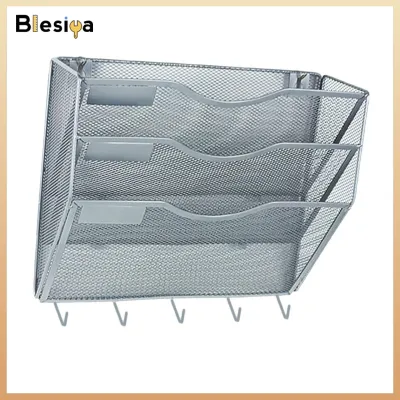
Cascading file pockets feature a multi-tiered design where each pocket is staggered slightly below the one above it. This staggered arrangement allows you to see the labels or top edges of multiple files simultaneously, making it easy to locate specific documents at a glance. They are commonly available in wire mesh, sheet metal, or flexible hanging fabric configurations.
This design is highly suited for active project management and document sorting. You can dedicate individual tiers to specific stages of your workflow, such as incoming mail, urgent action items, pending approvals, and completed documents awaiting filing.
The primary trade-off with cascading holders is their physical size. While they offer exceptional storage capacity and organizational clarity, they require a tall, uninterrupted stretch of vertical wall space. If your wall space is limited horizontally but open vertically, a cascading system is a highly efficient way to utilize that empty space.
Magazine and Mail Sorters
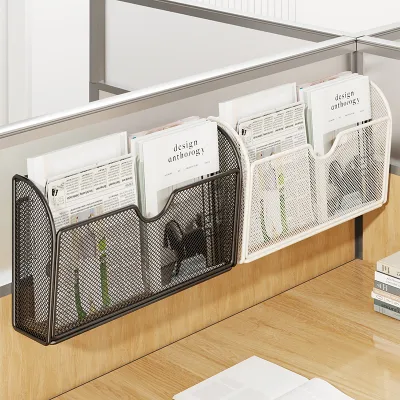
Magazine and mail sorters typically consist of one or two deep, vertical slots designed to hold thicker items upright. Unlike cascading pockets, these sorters do not stagger their contents, resulting in a more compact, box-like footprint that takes up very little horizontal or vertical wall space.
This style is ideal for storing bulkier materials that do not fit well in standard file pockets, such as spiral notebooks, reference catalogs, thick presentation folders, and large envelopes. Because the pockets are deep, they keep these heavy items perfectly upright, preventing them from leaning or bending over time.
For a small home office, a double-slot mail sorter placed directly beside your desk provides an excellent “quick-drop” zone. You can use one slot for active reading materials and the other for outgoing correspondence, keeping your desk completely clear of temporary piles.
Clipboard and Binder Racks
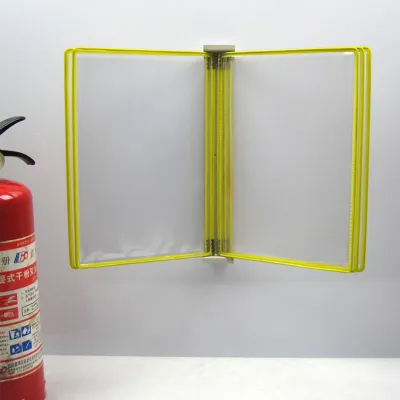
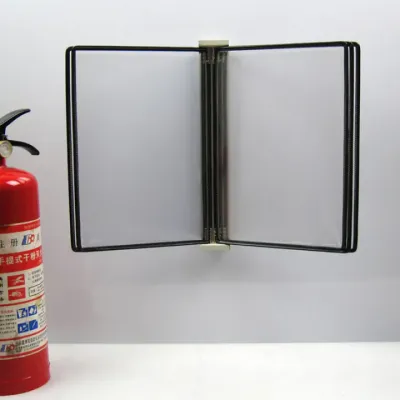
Clipboard and binder racks are specialized wall systems designed to hang standard office clipboards or ring binders by their built-in hanging holes or rings. These racks typically feature a horizontal rail or a grid of sturdy hooks mounted flat against the wall, allowing you to suspend heavy stationery items vertically.
This setup is highly effective if your work involves frequent reference to checklists, standard operating procedures, or thick, ring-bound reference manuals. By hanging these bulky items on the wall, you keep them completely off your desk while ensuring they remain immediately visible and accessible during your calls or deep-work sessions.
Before purchasing a binder or clipboard rack, carefully measure the spacing of the hooks and verify compatibility with the specific binder rings or clipboard clips you already own. Some racks are designed only for proprietary binder systems, while others feature adjustable hooks that can accommodate standard three-ring binders or classic metal clipboard clips.
Setup and Organization Tips for Small Home Offices
Once you have selected and purchased your wall document holder, proper installation and systematic maintenance are key to keeping your compact workspace efficient.
Placement: Position the document holder within comfortable arm’s reach from your primary seated position. You should be able to file or retrieve active documents without needing to stand up or stretch excessively, as any friction in the system will tempt you to pile papers back on your desk.
Labeling: Implement a clear, consistent labeling system for every pocket or slot. Using bold, easy-to-read labels—such as “To Action,” “To File,” or “Receipts”—remains crucial for preventing your wall holder from becoming a chaotic dumping ground for random papers.
Maintenance: Establish a routine schedule to purge and clear out your document holder. Because wall-mounted systems have physical weight limits, allowing outdated papers, old utility bills, or completed project files to accumulate can create an unsafe load on your wall mounts. A quick weekly or bi-weekly review ensures only active, necessary documents remain on the wall.
Safety Checks: Periodically inspect the physical integrity of your mounting setup. In the high humidity of the Philippines, adhesive backings can gradually degrade, lose their grip, or dry out, while screws in drywall or wood can slowly loosen under constant weight. Routine checks of these connection points will prevent unexpected falls that could damage your equipment or your wall.
Frequently Asked Questions (FAQ)
How much weight can a typical wall document holder support?
The weight capacity depends heavily on construction material and how it is secured to the wall. A heavy-duty, screw-mounted metal wire rack installed into a concrete wall can easily support 5 to 10 kilograms of paperwork, folders, and notebooks. In contrast, a lightweight acrylic or plastic holder mounted with adhesive strips is typically rated for only 1 to 2 kilograms. Always consult the manufacturer’s official specifications for exact weight limits. When calculating your load, remember that a standard ream of paper weighs about 2.5 kilograms; a fully loaded multi-pocket holder can quickly reach this threshold, making secure mounting critical.
Are adhesive wall holders safe for painted walls?
Adhesive wall holders can be risky for painted walls, especially in humid tropical environments. High-strength, permanent adhesives are designed to hold tight, which means they can easily rip away layers of paint, plaster, or drywall paper when you attempt to remove them. If you are renting or want to protect your wall finish, look for specialized, damage-free removable mounting strips, and carefully follow their application and removal instructions. For heavy organizers or long-term setups, screw mounting with appropriate wall anchors is highly recommended, as patching a few small screw holes is often easier and cleaner than repairing torn, peeled paint.
How do I prevent paper from curling in open wall pockets?
Paper curling is a common issue in the Philippines due to high ambient humidity, which weakens the paper fibers and causes them to sag or warp. To prevent this, avoid placing loose, single sheets of paper directly into open wall pockets. Instead, place your documents inside rigid plastic sleeves, heavy-duty manila folders, or onto sturdy clipboards before sliding them into the holder. Keeping your home office well-ventilated, running an air conditioner or dehumidifier during the rainy season, or choosing a document holder with enclosed front flaps can also significantly reduce moisture exposure and keep your paperwork crisp.
Community discussion
Share your experience or ask a question. Comments are reviewed before publication.