
When establishing a physical office, retail store, or restaurant in the Philippines, displaying your official business permits is a strict regulatory requirement. Local government units (LGUs) and national agencies mandate that certificates of registration, sanitary permits, and mayoral clearances be posted in a highly visible area. To satisfy these compliance standards while maintaining a polished, professional aesthetic, choosing the right business permit wall organizer is essential.
Selecting the best display system involves evaluating how different materials and mounting styles perform in commercial environments. From sleek acrylic panels to heavy-duty framed cabinets and damage-free adhesive pockets, each option serves distinct business needs. By understanding the structural and environmental demands of your workspace, you can select an organizer that ensures compliance, preserves your official documents, and complements your interior design.
Core Requirements for Business Permit Displays
To choose an effective wall organizer, you must first understand the specific compliance and preservation challenges unique to commercial spaces. Official permits are printed on various paper stocks, many of which are highly susceptible to environmental degradation. A compliant display must address visibility, document preservation, and professional presentation simultaneously.
Products mentioned in this guide
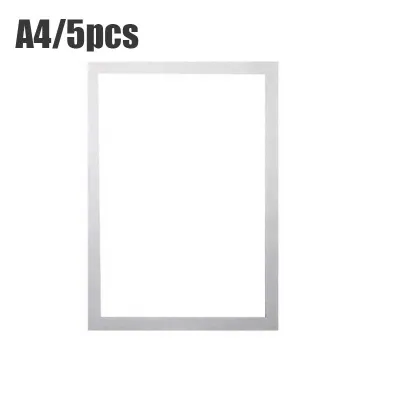
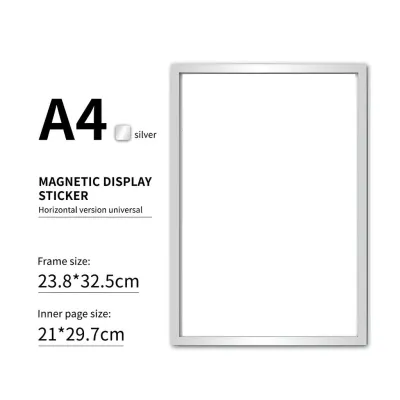
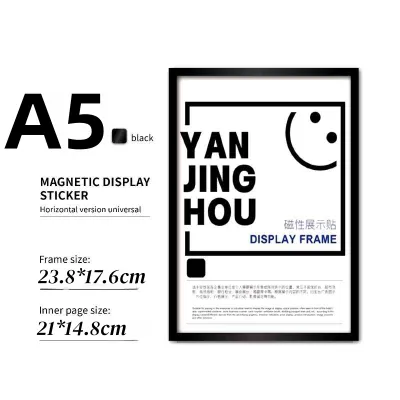
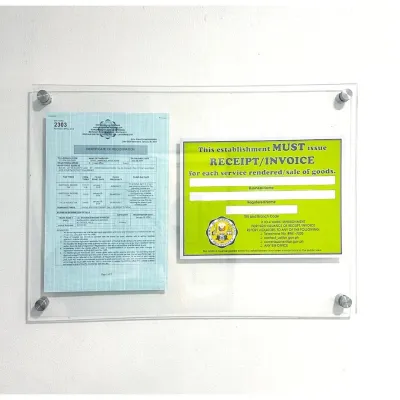
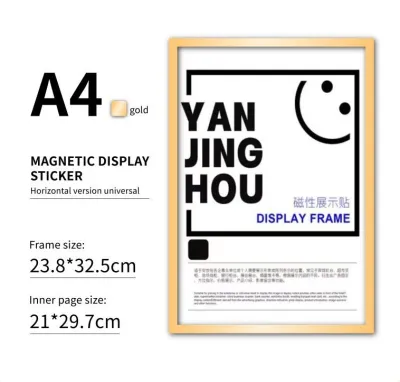
Prices are valid at publication and may change. Please refer to the product page for the latest price.
Visibility is the primary concern for any business owner facing routine inspections. Local code enforcement officers and tax inspectors must be able to verify your business name, registration numbers, validity dates, and official seals without asking your staff to retrieve documents from a drawer. A high-quality wall organizer keeps these details completely unobstructed. Clear, non-glare covers ensure that fine print remains legible even under bright, direct overhead office lighting.
Preservation is equally critical, particularly under tropical climate conditions. High relative humidity can cause paper documents to absorb moisture, leading to warping, ink bleeding, and the growth of mold or mildew. Furthermore, prolonged exposure to ultraviolet (UV) rays from both natural sunlight and fluorescent bulbs can fade official signatures and embossed seals over time. Your chosen organizer must act as a protective barrier, sealing out dust and moisture while preventing the paper from sticking directly to the display surface.
Finally, the display must project a professional image to your clients and partners. Scattered, taped, or poorly framed documents can make an otherwise modern office look disorganized. A cohesive, dedicated wall organizer system signals to visitors that your business operates with transparency, legitimacy, and attention to detail.
Recommended Wall Organizer Styles for Official Documents
Different business environments require different organizational structures. Whether you run a high-traffic retail storefront, a corporate office, or a temporary pop-up stall, there is a specific wall organizer style designed to meet your operational needs.

Acrylic Document Holders and Display Cases
Clear acrylic wall-mounted holders are a popular standard for displaying official permits. These organizers offer a clean, minimalist look that blends seamlessly into modern office interiors, ensuring that the focus remains entirely on the documents themselves.
When selecting an acrylic holder, the choice between side-loading and top-loading designs is highly practical. Top-loading holders are excellent for preventing dust from settling inside the pocket, but they require sufficient clearance space above the frame to slide documents in and out. Side-loading designs are highly convenient if you plan to mount multiple frames close to one another or near a ceiling, as they allow you to swap out annual permits without removing the holder from the wall.
Durability is another key factor to verify. Opt for acrylic panels with a thickness of at least 2mm to 3mm. Thinner acrylic sheets are highly susceptible to warping, especially when exposed to the ambient heat and humidity of non-air-conditioned entryways. Sturdier, thicker acrylic maintains its flat profile and provides a more premium feel.
However, acrylic does have material limitations. It scratches easily if wiped with abrasive materials or harsh chemical cleaners. Additionally, standard low-grade acrylic can yellow over time when exposed to direct sunlight. To prevent this, look for acrylic holders specifically rated for UV resistance if your display area is near large windows or glass storefronts.
Framed Display Cabinets with Glass or Acrylic Doors
For businesses seeking maximum security and a highly formal presentation, enclosed framed display cabinets are an excellent choice. These units typically feature a solid wooden or aluminum outer frame with a hinged glass or acrylic door that covers multiple document slots.
One of the primary advantages of a display cabinet is security. Many models come equipped with integrated locking mechanisms. This is particularly valuable in high-traffic retail environments or public lobbies where sensitive business documents—which contain tax identification numbers, owner signatures, and home addresses—could be vulnerable to tampering or theft.
Because these cabinets are constructed from robust materials like solid wood, aluminum, and tempered glass, they are significantly heavier than simple acrylic pockets. This weight requires careful structural planning. You must ensure your wall can support the load and use heavy-duty mounting hardware, such as metal anchors or toggle bolts, rather than simple adhesive strips.
Aesthetically, framed cabinets are best suited for traditional, premium, or corporate interiors. They provide a centralized, authoritative hub for all compliance documents, including fire safety certificates, sanitary clearances, and liability insurance policies, keeping them organized under a single, elegant frame.
Self-Adhesive and Magnetic Document Pockets
If your business operates out of a rented space, a co-working office, or a temporary pop-up stall, heavy drilling might not be an option. Self-adhesive and magnetic document pockets offer a lightweight, low-profile alternative that requires no permanent wall modifications.
These organizers typically consist of a flexible plastic sleeve with a magnetic border or a self-adhesive backing. They can be applied directly to smooth surfaces such as glass partitions, metal filing cabinets, or laminated wood panels. This makes them incredibly easy to install and reposition as your office layout changes.
However, you must consider the risks of adhesive residue. Low-quality adhesives can bake onto glass surfaces under tropical heat or tear away latex paint from concrete walls when removed. To avoid costly repair bills from your landlord, look for organizers that use damage-free, clean-removal adhesive strips or static-cling backings.
Weight capacity is another limitation. These pockets are designed strictly for single sheets of paper. Attempting to insert thick cardstock, multiple documents, or laminated permits into a single pocket can cause the adhesive to fail, leading to the organizer falling and potentially damaging the documents inside.
Sizing and Material Verification Checklist
Before purchasing any wall organizer, it is crucial to verify that its physical dimensions and material specifications align with your specific documents. Standardizing your display requires careful measurement and material checks.
First, measure your actual permits rather than relying on standard paper size assumptions. While many government documents are printed on standard Letter (8.5 x 11 inches) or A4 (8.27 x 11.69 inches) paper, some local government permits, sanitary clearances, and fire safety certificates are issued on custom long formats or legal-sized paper. Ensure the organizer’s pocket dimensions accommodate the entire sheet, including any official borders, decorative ribbons, or raised embossed seals that you do not want to fold or crease.
Second, verify the chemical composition of the backing materials. Avoid organizers made with cheap PVC (polyvinyl chloride) plastics. Under warm, humid conditions, PVC can release plasticizers that chemically bond with printer ink, causing your permits to stick to the plastic sleeve and tear when you try to remove them for annual renewal. Always look for acid-free, archival-safe materials such as polypropylene, PETG, or high-grade cast acrylic to ensure your documents remain pristine.
Finally, check the mounting hardware compatibility. If you are mounting the organizer on a concrete or hollow block wall—which is standard in most local commercial buildings—ensure the product includes plastic wall plugs and matching screws. If you are mounting on drywall or wooden panels, verify that you have the appropriate self-drilling anchors or wood screws on hand.
Installation and Placement Guidelines for Compliance
Properly installing your business permit wall organizer is just as important as choosing the right style. To satisfy local regulatory inspections, you must adhere to specific placement and structural guidelines.
The primary rule mandated by local government units is that permits must be posted in a “conspicuous place.” In practice, this means the organizer should be installed near the main entrance of your establishment, behind the reception desk, or directly adjacent to the primary cash register or point-of-sale terminal. The documents must be positioned at eye level—typically between 1.5 to 1.8 meters from the floor—allowing inspectors and customers to read the text clearly without physical obstruction.
When it comes to the physical installation, the construction of your walls dictates the tools you will need. For concrete or concrete hollow block walls, you must use a rotary hammer drill with a masonry drill bit to create pilot holes. Insert plastic wall plugs into the holes before driving in the screws to ensure a secure, permanent hold. For drywall partitions, standard screws will quickly pull out under the weight of a heavy acrylic frame; always use threaded drywall anchors or toggle bolts to distribute the weight evenly.
Before drilling any holes, always review your commercial lease agreement. Many shopping malls, office towers, and commercial landlords impose strict penalties for drilling into structural columns, exterior glass facades, or shared drywall partitions. If your lease restricts drilling, consult with your landlord about approved mounting alternatives, such as heavy-duty, double-sided mounting tapes designed for clean removal, or utilizing free-standing display easels placed in highly visible areas.
Frequently Asked Questions (FAQ)
Can I use a standard picture frame instead of a dedicated document organizer?
While a standard picture frame might seem like an easy, low-cost solution, it presents several operational challenges for business permit display. Standard frames are typically sealed tightly with a cardboard backing, which traps ambient moisture in humid environments. Over time, this trapped humidity can promote the growth of mold and cause the paper permit to stick permanently to the glass, ruining the document.
Additionally, standard picture frames are highly inconvenient for the annual business permit renewal process. Every January, business owners must swap out old permits for new ones. Disassembling a standard picture frame—which often involves bending metal tabs, removing the backing, and carefully realigning the paper—is time-consuming and increases the risk of tearing the document. Dedicated document organizers, especially side-loading acrylic holders, allow you to slide the old permit out and slide the new one in within seconds.
Finally, standard glass frames create significant glare under bright commercial lighting. This glare can obstruct the view of inspectors trying to read your permit details. Dedicated document holders often utilize anti-glare acrylic or matte-finish plastics to ensure readability from all angles.
How do I clean an acrylic permit holder without scratching it?
Cleaning clear acrylic requires specific care to maintain its optical clarity. You must never use ammonia-based glass cleaners, household window sprays, or abrasive chemical solvents on acrylic surfaces. These chemicals break down the plastic’s molecular bonds, leading to a permanent cloudy appearance and micro-cracks known as crazing.
The safest and most effective way to clean an acrylic holder is to use a clean, high-quality microfiber cloth and a mild solution of lukewarm water and a few drops of dish soap. Microfiber is essential because standard paper towels, tissues, and polyester cloths contain tiny abrasive fibers that can leave fine scratches on the acrylic surface over time.
To remove dust without scratching, gently wipe the surface in a single direction rather than in a circular motion. Circular wiping can trap dust particles under the cloth and grind them into the acrylic, creating visible swirl marks. If the holder has accumulated heavy dust or grit, rinse it with clean water first to wash away the larger particles before wiping it down with your soapy microfiber cloth.
Community discussion
Share your experience or ask a question. Comments are reviewed before publication.