
Adorning your motorcycle with your favorite anime characters is a practical way to personalize your ride, but the tropical climate of the Philippines presents unique challenges. Between sudden torrential downpours during the wet season and intense, direct sunlight, standard stickers quickly fade, peel, and disintegrate. To ensure your anime sticker for motorcycle customization survives these harsh conditions, you must choose decals specifically engineered for outdoor automotive use. The most durable option is a high-quality, UV-laminated vinyl sticker utilizing a strong, acrylic-based adhesive. These specialized decals are designed to withstand both moisture and UV radiation without losing their grip or vibrant colors.
Understanding the difference between indoor stationery and outdoor-grade materials is the first step toward a long-lasting design. Many riders make the mistake of purchasing cheap paper stickers online, only to watch them melt during their first ride through a heavy rainstorm. By focusing on the correct material specifications, protective coatings, and proper application techniques, you can keep your favorite characters looking sharp on your fairings for years. This guide will walk you through the science of weatherproof decals, the best finishes for your bike, and the exact steps required to seal them against the elements.
Why Standard Stationery Stickers Fail Outdoors
Standard stationery stickers are designed for controlled indoor environments, such as notebooks, journals, and planners. Materials like washi tape, standard uncoated paper, and basic matte stickers rely on water-soluble adhesives and organic paper fibers. When exposed to the high humidity and heavy rainfall characteristic of the Philippine climate, these fibers act like a sponge. They absorb atmospheric moisture, causing the paper to swell, warp, and eventually separate from its adhesive backing.
Products mentioned in this guide
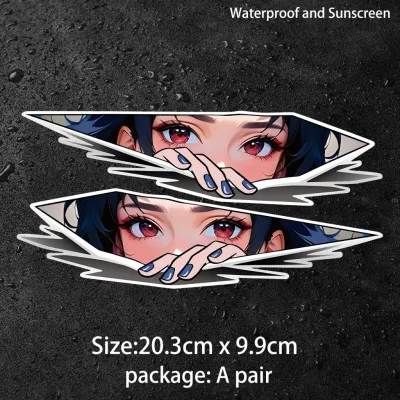
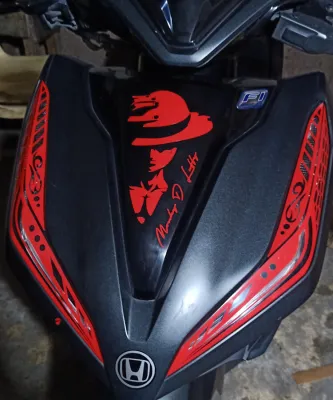
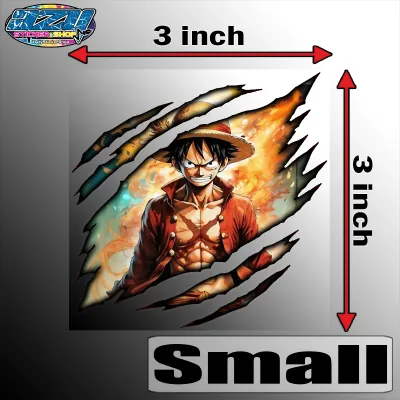
Prices are valid at publication and may change. Please refer to the product page for the latest price.
Furthermore, the inks used in standard stationery printing are often water-based or lack protective topcoats. When water penetrates the surface, these inks bleed and run, transforming your favorite anime character into an unrecognizable smear of colors. Even if it does not rain, the intense ultraviolet (UV) rays of the tropical sun break down the chemical bonds in standard inks and paper. Within a few weeks of daily commuting, a standard paper sticker will become brittle, yellowed, and highly prone to cracking.
The adhesive on standard stationery is another major failure point. These products typically use low-tack, pressure-sensitive adhesives designed for easy removal or repositioning on paper. When applied to a motorcycle’s painted plastics or metal fuel tank, these adhesives cannot form a permanent chemical bond. The heat from the engine and the sun softens the glue, while wind resistance at highway speeds easily gets under the edges, peeling the sticker away. For outdoor motorcycle applications, synthetic, non-porous materials with specialized, weather-resistant adhesives are a non-negotiable baseline.
Key Features of Rain-Resistant Anime Stickers
To find an anime sticker for motorcycle use that truly resists the elements, you must evaluate the specific materials and manufacturing methods used. The physical performance of the decal depends entirely on the combination of its base material, the adhesive layer, and the protective top coat.

Material Base Polyvinyl chloride (PVC) and premium cast vinyl are the industry standards for outdoor decals. Unlike paper, vinyl is a synthetic plastic material that is completely waterproof, non-porous, and highly flexible. This flexibility is crucial for motorcycles, as fairings, mudguards, and fuel tanks feature complex curves. Cast vinyl can stretch and conform to these shapes without trying to snap back into a flat form, which prevents edge lifting. When shopping on ecommerce platforms, look for product descriptions that explicitly state “outdoor vinyl” or “PVC waterproof stickers.”
Adhesive Quality The adhesive backing must be an acrylic-based, permanent solvent adhesive or an automotive-grade adhesive. These glues are formulated to resist water, road salt, gasoline spills, and extreme temperature fluctuations. Unlike water-based adhesives, acrylic solvent glues cure over time, creating a powerful, long-lasting bond with the motorcycle’s clear coat. They are designed to hold fast even when subjected to high-speed wind and heavy rain, yet they can still be removed cleanly with the application of moderate heat when you decide to change your design.
Protective Layers A waterproof base is only half of the equation; the printed ink must also be protected. High-quality motorcycle stickers feature a secondary layer of UV-resistant lamination. This clear, protective film is applied over the printed anime artwork, shielding the ink from physical scratches, road debris, and UV radiation. Without this lamination, even vinyl stickers will fade under the harsh sun within a few months. When purchasing, verify that the seller specifies “laminated” or “UV-protected” rather than just “waterproof,” as unlaminated vinyl will still suffer from faded artwork.
Recommended Sticker Types and Finishes for Motorcycles
Different sticker formats and visual finishes offer varying levels of durability and aesthetic appeal. Choosing the right type depends on where you plan to place the sticker and the visual style you want to achieve.
Die-Cut Vinyl Decals
Die-cut vinyl decals are individually cut to the exact shape of the anime character or logo, leaving no excess background material. Because they lack a large, square border, they have less surface area exposed to wind resistance, making them highly resistant to peeling. Premium die-cut decals are typically thicker (around 3 to 4 mils) and conform exceptionally well to the curved surfaces of motorcycle fairings and fuel tanks. When selecting die-cut options, look for designs with rounded corners rather than sharp, thin points, as rounded edges are far less likely to catch on your riding gear or cleaning cloths.
Laminated Sticker Sheets
If you want to create a sticker bomb effect with multiple smaller anime icons, laminated sticker sheets are a popular choice. These sheets contain several pre-cut designs on a single backing. To ensure these survive the rain, the entire sheet must feature a continuous, high-quality laminate layer. When cutting or peeling these stickers, it is highly recommended to choose designs that leave a small, clear or solid-colored vinyl border (at least 1 to 2 millimeters) around the printed ink. This border acts as a protective shield, preventing water from seeping into the cut edges and reaching the printed ink layer.
Reflective and Holographic Anime Decals
For riders who frequently travel at night, reflective vinyl decals offer an excellent combination of style and safety. These decals are manufactured using retroreflective materials that bounce light back toward its source, making your anime graphics glow brightly when hit by car headlights. This significantly improves your night-time visibility on dark roads. Alternatively, holographic finishes use a specialized metallic layer that refracts light into a rainbow spectrum. Both reflective and holographic vinyls are inherently durable and waterproof, offering a striking, dynamic visual effect while maintaining the same weather resistance as standard outdoor vinyl.
Surface Preparation for Maximum Adhesion
Even the highest-quality automotive-grade sticker will fail if the motorcycle’s surface is not prepared correctly. Dust, road grime, chain fling, and wax residues create an invisible barrier that prevents the adhesive from bonding with the paint. Follow these steps to ensure a flawless application.
Initial Cleaning Begin by washing the target area of your motorcycle thoroughly with a mild, wax-free dishwashing soap and warm water. Do not use standard motorcycle shampoos that contain wash-and-wax additives, as these leave behind a slick silicone or wax residue designed to repel water—which will also repel your sticker’s adhesive. Use a clean sponge to scrub away all dirt, mud, and road grime. Rinse the area completely with clean water and dry it thoroughly with a lint-free microfiber towel.
Degreasing Once the surface is dry, you must remove any remaining microscopic oils, waxes, or polishes. Pour a small amount of 70% isopropyl alcohol (rubbing alcohol) onto a clean, dry microfiber cloth and gently wipe down the exact spot where the sticker will be placed. The alcohol will quickly evaporate, leaving a completely bare, decontaminated surface. Avoid using strong solvents like acetone, gasoline, or paint thinner, as these can permanently damage your motorcycle’s clear coat and plastic fairings.
Surface Evaluation Before applying the sticker, evaluate the condition of the surface. Never apply stickers over freshly painted fairings; aftermarket paint jobs must cure for at least 30 days to allow the solvents to fully outgas, otherwise, bubbles will form under the vinyl. Avoid applying stickers over rusted metal, deeply scratched paint, or heavily textured, unpainted black plastics. These textured plastics do not offer enough smooth surface area for the adhesive to grip, leading to premature peeling. If you are unsure about the compatibility of your sticker with a specific aftermarket coating or wax, perform a trial run by applying a small, scrap piece of the same vinyl material to an inconspicuous area of the bike, such as the underside of the rear fender, and check its adhesion after 24 hours.
Application Steps for a Waterproof Seal
Applying your anime sticker requires patience and a steady hand. The goal is to eliminate all air bubbles and ensure the edges are sealed perfectly flat against the surface to prevent water infiltration.
Peel and Position For larger decals or complex die-cuts, use the hinge method to ensure perfect alignment. Position the sticker on your bike with its backing paper still attached, and secure it in place using a strip of low-tack masking tape across the center or top edge. This tape acts as a hinge. Flip the sticker up, slowly peel away a portion of the backing paper, and flip it back down onto the surface. This technique prevents the sticker from shifting during application and minimizes the risk of accidental creases.
Squeegee Technique To apply the sticker smoothly, use a plastic squeegee or a standard credit card wrapped in a soft, clean microfiber cloth (to prevent scratching the protective laminate). Starting from the center of the sticker or the taped hinge, press downward and outward with firm, overlapping strokes. Work your way slowly toward the edges, pushing all trapped air out. If you encounter a stubborn air bubble, do not try to pop it with a needle unless absolutely necessary; instead, gently lift the vinyl back up to the bubble and squeegee it down again.
Edge Sealing and Curing Once the sticker is flat, run your thumb firmly along all the outer edges multiple times to activate the pressure-sensitive adhesive. The most critical phase of the process is the curing period. Acrylic solvent adhesives require time to build a maximum chemical bond with the paint. Keep your motorcycle completely dry, out of the rain, and away from direct, intense sunlight for at least 24 to 48 hours after application. Do not wash the motorcycle or ride at high speeds during this window. Allowing the adhesive to cure undisturbed ensures a truly waterproof seal that can survive the heaviest tropical downpours.
Maintenance and Safe Removal
Once your anime stickers are successfully applied and cured, proper maintenance will extend their lifespan, while correct removal techniques will protect your motorcycle’s paint when it is time for a change.
Washing Precautions When washing your motorcycle, exercise caution around the decaled areas. Never point a high-pressure power washer directly at the edges of your stickers, as the intense water pressure can easily slice under the vinyl and lift the adhesive. Instead, hand-wash these sections using a soft microfiber mitt or sponge and a mild, wax-free soap. Wipe gently in the direction of the sticker’s curves rather than scrubbing against the edges. When drying, pat the stickered areas dry with a microfiber towel instead of rubbing them vigorously.
Safe Removal Process If you want to swap out your anime graphics, do not attempt to scrape them off with a metal blade or fingernails, which can scratch your clear coat. Instead, use a hairdryer or a heat gun on a low setting to gently warm the decal. The heat softens the vinyl and the underlying acrylic adhesive, making it pliable. Once warm, start at one corner and slowly peel the sticker back at a sharp, 180-degree angle close to the surface. This peeling angle minimizes stress on the paint and clear coat.
Residue Cleanup After peeling the vinyl, a small amount of sticky adhesive residue may remain on the paint. To clean this up safely, apply a small amount of isopropyl alcohol or a dedicated, citrus-based automotive adhesive remover to a microfiber cloth. Let the liquid sit on the residue for a minute to soften it, then gently wipe it away. Avoid using abrasive scrubbing pads or harsh chemical solvents like lacquer thinner, which can dissolve the motorcycle’s plastic fairings or dull the factory paint finish.
Frequently Asked Questions (FAQ)
Can I use regular paper anime stickers if I put clear tape over them?
No, this is highly discouraged for outdoor motorcycle use. Clear household tape is not UV-resistant and will quickly turn yellow, brittle, and peel off under the sun. Water will inevitably seep under the edges of the tape, trapping moisture directly against the paper sticker underneath. This trapped moisture causes the paper to rot and the ink to bleed, resulting in an unsightly, peeling mess that is difficult to clean off your fairings.
Will removing weatherproof stickers damage my motorcycle's paint?
If your motorcycle has factory-cured paint, high-quality vinyl stickers removed using the proper heat-softening technique will not cause any damage. The adhesive is designed to release cleanly when heated. However, if your bike has been repainted with low-quality aftermarket paint, or if the existing clear coat is already peeling and cracked, the adhesive may pull up sections of the loose paint or clear coat during removal. Always exercise caution and apply gentle heat.
How long should I wait after applying a sticker before riding in the rain?
You should wait at least 24 to 48 hours before exposing the newly applied sticker to rain, high-speed wind, or washing. This curing window allows the pressure-sensitive acrylic adhesive to flow into the microscopic pores of the paint and establish a permanent bond. Exposing the sticker to moisture or high wind speeds before it has fully cured can cause water to get trapped under the edges, leading to premature peeling.
Community discussion
Share your experience or ask a question. Comments are reviewed before publication.