
Finding a reliable white permanent marker pen for dark surfaces in the Philippines requires matching the ink formulation to your specific surface material. Standard dye-based white inks often disappoint, as they tend to sink into porous surfaces or dry down to a translucent, barely visible haze on dark backgrounds. To achieve a crisp, high-contrast white line on black paper, plastic, glass, metal, or wood, you must select a marker designed to lay down an opaque layer of solid pigment that sits directly on top of the surface. In the warm and humid climate of the Philippines, factors such as drying speed, smudge resistance, and ink stability are critical to ensure your writing remains sharp and permanent over time. By focusing on the chemical composition of the ink, the design of the delivery system, and the specific characteristics of your target surface, you can easily identify the ideal writing instrument for your school, craft, or industrial projects.
Understanding Marker Types for Dark Surfaces
To choose the right white permanent marker pen, it is essential to distinguish between standard ink formulations and paint-based alternatives. Most everyday permanent markers utilize dye-based inks, where the coloring agent is fully dissolved in a solvent. While highly effective on light-colored paper, these transparent dyes lack the physical body to cover dark surfaces; the dark background simply shows through the ink, rendering it virtually invisible. Pigment-based inks offer a slight improvement because they contain microscopic solid particles suspended in a liquid medium. However, even high-quality pigment inks can struggle to provide complete opacity on deep black or dark blue surfaces, often requiring multiple coats that can warp paper or smudge easily.
For true opacity and vibrant contrast on dark backgrounds, paint-based formulations are generally the most effective option. These markers contain a dense concentration of titanium dioxide or other white pigments suspended in a liquid binder, essentially acting as liquid paint in pen form. When applied, the solvent evaporates, leaving behind a thick, solid film of white pigment that completely blocks out the dark color underneath. Paint-based markers are broadly categorized into acrylic-based and oil-based formulas, each suited to different applications.
Products mentioned in this guide
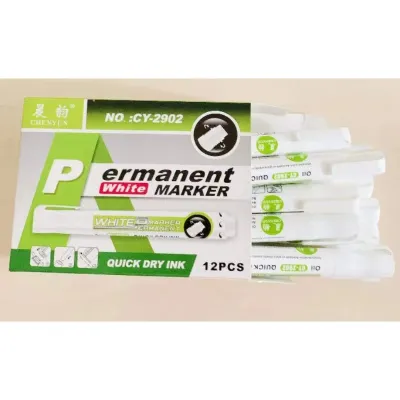
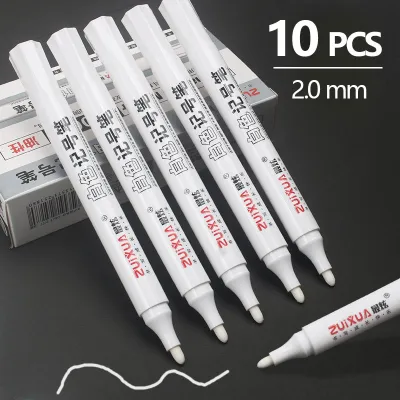
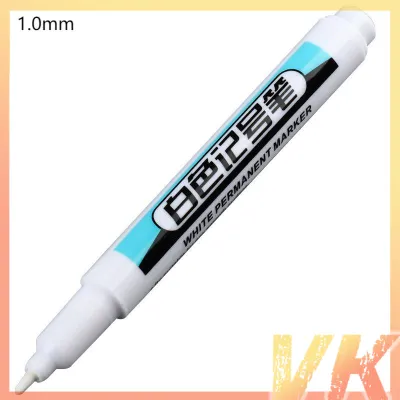
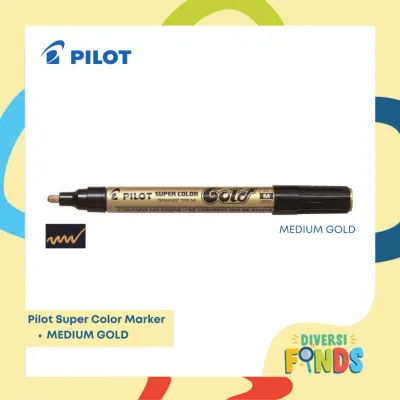
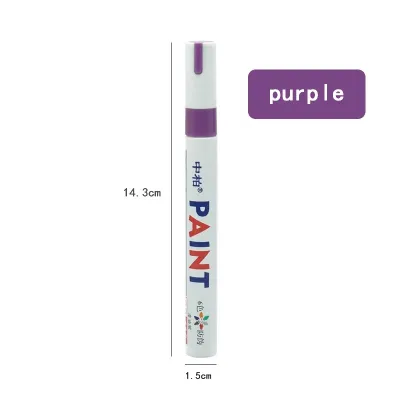
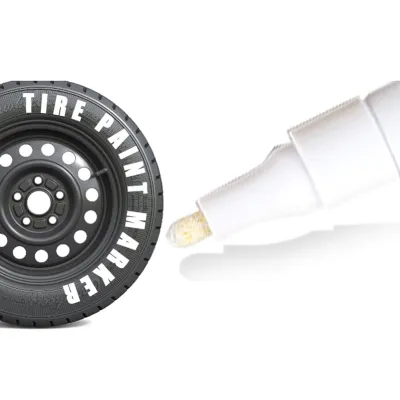
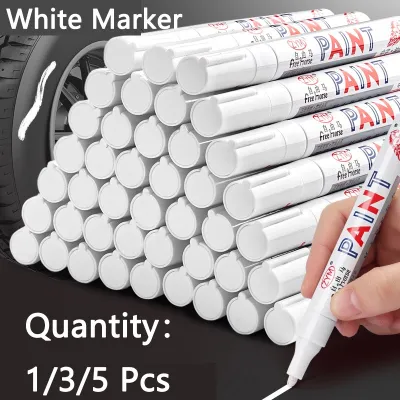
Prices are valid at publication and may change. Please refer to the product page for the latest price.
Acrylic-based paint markers use water as a primary solvent, making them low-odor and highly compatible with porous dark surfaces like heavy cardstock, cardboard, canvas, and raw wood. Because the water-based binder dries relatively quickly and does not bleed excessively through paper fibers, these markers are popular for journaling, sketching, and indoor crafting. Once fully cured, acrylic paint becomes highly water-resistant, though it can still be scraped off smooth, non-porous surfaces with deliberate effort.
Oil-based paint markers, on the other hand, utilize organic solvents that provide exceptional adhesion and durability on smooth, non-porous dark surfaces. If you need to write on plastic storage bins, glass jars, glazed ceramics, polished metal sheets, or outdoor signage, an oil-based formula is typically the superior choice. The oil-based binder resists moisture, abrasion, and temperature fluctuations, making it highly durable in the humid tropical conditions of the Philippines. However, they do emit stronger fumes during application and require a slightly longer curing time to achieve full permanence.
Before making a purchase, perform a quick surface compatibility check. If your project involves writing on flexible plastics or highly polished metals, verify that the marker label explicitly lists these materials. Using an incompatible ink formulation can lead to the paint pooling, cracking, or peeling away once dry, highlighting the importance of matching the marker type to your specific medium.
Key Features to Check for Opacity and Visibility
When evaluating a white permanent marker pen, several physical features and specifications dictate how well the ink will flow and how visible your writing will be. The first consideration is the tip size and shape, which directly determines line thickness and coverage. Bullet tips, ranging from extra-fine (0.7mm) to medium (2.0mm), are the most versatile for general writing, labeling, and detailed illustration. They provide a consistent line width that is easy to control. Chisel tips, which often measure between 4.0mm and 8.0mm, feature an angled edge that allows you to create both broad strokes and thin lines. This versatility is ideal for large-format hand lettering, poster making, and filling in large dark areas. Brush tips offer a flexible, paint-brush-like feel that is excellent for calligraphy and artistic projects, though they require a steady hand to ensure even ink distribution on non-porous surfaces.

Beyond the tip, pay close attention to the label indicators and manufacturer claims. Look for terms like “high opacity,” “highly pigmented,” or “excellent coverage,” which signal that the marker is formulated to mask dark backgrounds effectively. Lightfastness is another crucial specification, especially in the Philippines, where intense sunlight can quickly yellow or fade low-quality white inks. A lightfast or UV-resistant rating ensures your white writing remains bright and crisp over months of exposure. Additionally, check for water-resistance or waterproof claims if your marked items will be exposed to condensation, rain, or high humidity.
The ink delivery mechanism also plays a pivotal role in maintaining consistent opacity. Standard felt-tip markers rely purely on capillary action to draw ink to the tip. While convenient, this system often struggles with thick, heavily pigmented white inks, leading to dry, streaky lines as the pigment settles. High-performance white markers instead utilize a valve-action mechanism. These pens feature an internal mixing ball and a spring-loaded tip. Shaking the marker redistributes the heavy white pigments that naturally settle at the bottom of the barrel, while pressing down on the nib opens an internal valve to flood the tip with fresh, fully mixed paint. This design ensures a continuous, dense flow of opaque ink, preventing the tip from drying out prematurely during extended writing sessions.
How to Test and Verify Marker Performance
Because smoothness, bleed resistance, drying speed, and water resistance depend entirely on the exact combination of marker ink and your specific surface material, you should always test and verify performance before starting a major project. When you first unbox a valve-action white permanent marker pen, it must be properly primed. Start by shaking the marker vigorously with the cap securely on for at least 20 to 30 seconds. You should clearly hear the internal mixing ball rattling inside; this action is vital to blend the settled white pigments with the solvent. Next, remove the cap and press the nib vertically down onto a scrap piece of cardboard or rough paper. Hold it down gently for a few seconds, then pump it up and down in a controlled manner until you see the white ink begin to saturate the felt tip. Avoid pressing too hard or pumping too rapidly, as this can cause a sudden pool of ink to flood your workspace.
Once the tip is fully saturated, conduct a patch test on a scrap piece of your actual target material. Draw a few test lines and write a few characters to observe how the ink behaves. On smooth plastics or metals, check if the ink beads up or spreads unevenly, which indicates poor surface adhesion. On dark paper or cardboard, observe whether the ink bleeds outward along the paper fibers or sinks in, reducing its opacity.
As you conduct your patch test, evaluate the drying time and durability of the ink. In the humid climate of the Philippines, paint-based inks can take anywhere from two minutes to over half an hour to dry completely, depending on the thickness of the application and the ambient humidity. Touch the edge of your test line gently after a few minutes to check for tackiness. Once the ink is completely dry, rub your finger firmly across the line to evaluate its smudge resistance. If your project requires an exceptionally bright white finish, test the marker’s layering capability by drawing a second coat over the first. Observe whether the second stroke glides smoothly over the base or if the solvent in the marker dissolves and lifts the initial layer, which indicates that the first coat needs more time to cure or that the formula is not suitable for multi-layering.
Where to Buy and What to Verify in the Philippines
Acquiring a high-quality white permanent marker pen in the Philippines involves navigating both physical retail stores and online marketplaces. For immediate needs, visiting established local stationery chains, department store school supply sections, or specialty art supply shops in major urban centers is highly recommended. Physical shopping allows you to inspect the marker’s construction firsthand. You can verify that the cap fits tightly, check for any signs of leakage around the collar, and sometimes even test a sample pen on a dark paper pad provided at the counter to assess its wetness and flow.
If you prefer the convenience of online marketplaces, extra diligence is necessary to ensure you receive genuine, fresh stock. Start by filtering for official brand stores or highly rated preferred sellers who specialize in stationery and art supplies. Carefully read through customer reviews, paying close attention to recent feedback from buyers who have used the marker on dark surfaces. Look for comments regarding whether the marker arrived wet and functional or if it was dry and difficult to prime. Be cautious of listings with prices that seem unusually low compared to established retail rates, as these can indicate counterfeit products or old inventory that has sat in hot warehouses for too long. Additionally, check the shipping origin; choosing local sellers typically reduces transit times, minimizing the marker’s exposure to high temperatures during shipping.
When your marker is delivered, inspect the packaging seals immediately. Genuine paint markers are typically individually shrink-wrapped or sealed in blister packs to prevent the solvent from evaporating during storage. If the marker has a manufacturing or batch code printed on the barrel, check it to ensure the product is relatively fresh. Solvents in permanent markers can slowly evaporate over years of storage, even if the pen has never been opened. If you shake the marker and do not hear the internal mixing ball rattling, or if the nib feels completely rock-hard and refuses to absorb ink during priming, the product may have solidified in storage, and you should contact the seller for a replacement.
Proper Preparation and Maintenance for Best Results
To extend the lifespan of your white permanent marker pen and ensure consistent ink flow, adopting proper maintenance habits is essential. The most critical factor is storage orientation. Unless the manufacturer’s instructions explicitly state otherwise, always store your paint markers horizontally. Storing a valve-action marker vertically tip-down can cause the heavy white pigments to settle entirely into the nib, leading to severe clogs and a thick, unusable flow. Conversely, storing it vertically tip-up allows the pigment to settle at the bottom of the barrel, requiring extensive shaking and priming to get the ink flowing again. Horizontal storage keeps the pigment and solvent evenly distributed along the length of the barrel, ensuring a quick and consistent mix every time you use it.
Over time, the nib of your marker can accumulate dust, paper fibers, or dried paint, which restricts the flow of ink and causes streaky lines. If you notice the tip becoming fuzzy or clogged, you can gently clean it. For water-based acrylic markers, removing the nib and rinsing it under warm water can dissolve dried paint clogs. For oil-based markers, wiping the tip gently with a lint-free cloth moistened with a tiny drop of rubbing alcohol can help clear the obstruction. Always allow the nib to dry completely before reinserting it into the barrel and re-priming the marker.
Finally, practice safe handling and ensure adequate ventilation when using solvent-based paint markers. Oil-based formulas contain organic solvents that emit strong fumes, which can cause headaches or dizziness if used in enclosed spaces for extended periods. When working on large projects, such as hand-painting signs or labeling multiple storage bins, always work in a well-ventilated room or outdoors. Keep the marker tightly capped when not actively writing to prevent the solvent from evaporating into the air and drying out the tip. Because the solvents used in these markers are flammable, keep them away from open flames, high heat sources, and direct sunlight.
Frequently Asked Questions (FAQ)
Can I use a standard whiteboard marker on dark surfaces?
No, standard whiteboard markers are not suitable for writing on dark surfaces. Whiteboard ink is formulated with a low-opacity, dye-based or light pigment mixture designed to be easily erased from smooth, white surfaces. When applied to a dark background, the ink lacks the physical density and opacity to stand out, resulting in a faint, barely visible streak that easily smudges or wipes away. For permanent, high-contrast writing on dark surfaces, you must use a dedicated paint-based or highly pigmented permanent marker.
How do I fix a white paint marker that stopped writing?
If your white paint marker stops writing, it is usually due to dried paint clogging the nib or the pigment settling inside the barrel. First, ensure the cap is tightly secured and shake the marker vigorously for 30 seconds to remix the formula. Next, try re-priming the nib by gently pressing it down on a scrap piece of cardboard several times to encourage ink flow. If the tip is visibly coated in dried, hardened paint, remove the nib and soak it in warm water (for water-based acrylic markers) or a small amount of rubbing alcohol (for oil-based markers) to dissolve the clog. Once clean and dry, reinsert the nib and pump it gently to restore the flow. If the internal valve mechanism is completely seized or the solvent inside the barrel has fully evaporated, the marker cannot be revived and must be replaced.
Community discussion
Share your experience or ask a question. Comments are reviewed before publication.